

Pre-Workout Supplements: The Complete Guide
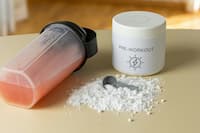
Table of Contents
Pre-workouts are one of the most popular supplement categories after protein powder — and one of the most misunderstood. Some serious athletes swear by them, many casual exercisers have never tried them, and beginners are often put off by the marketing and long ingredient lists. The reality is simpler than the industry suggests.
This guide covers what pre-workouts are, how they work, which ingredients matter, the benefits and risks, who should use them, and how to choose a product that actually delivers.
What Is a Pre-Workout?
A pre-workout is a supplement — usually a powder mixed with water — taken about 30–60 minutes before training to improve that session. Its main effects, mostly from caffeine, kick in within an hour and wear off over the following hours. Some ingredients often included, such as beta-alanine and creatine, work differently: they only help when taken daily for weeks.
Pre-workout isn’t a single ingredient but a category of hundreds of products with very different formulas. Some contain a few well-researched ingredients at effective doses; others contain dozens of ingredients in amounts too small to matter. Knowing the difference is the most valuable thing you can learn before spending money here.
How Pre-Workouts Work
Stimulating the nervous system — mainly through caffeine, which blocks adenosine, a brain chemical that promotes tiredness. This reduces the feeling of effort and increases alertness and motivation. It’s the main reason most people notice an effect.
Buffering acid in the muscles — through beta-alanine, which raises muscle carnosine over weeks of daily use and helps during hard efforts lasting from about half a minute to several minutes.
Increasing blood flow — through citrulline and similar ingredients, which support nitric oxide production and blood flow to working muscles (the “pump”). Their effects on performance are modest.
Supporting focus — through ingredients such as L-theanine, tyrosine, and alpha-GPC, although the evidence for these is more limited.
The Key Ingredients
Caffeine — The Foundation
Caffeine is the most important and most reliably effective ingredient in any pre-workout, with strong evidence for strength, power, endurance, and alertness.
How it works: it blocks adenosine in the brain, reducing the sense of fatigue and effort, and raises adrenaline levels.
Dose: studies have used 3–6mg per kg of body weight, but about 3mg per kg or less gives most of the benefit with fewer side effects. Start with about 100–200mg and see how you respond. For healthy adults, single doses of up to about 200mg and up to about 400mg a day from all sources are considered safe.
Evidence: meta-analyses show small but reliable gains in strength and power — typically a few percent — larger gains in muscular endurance, and time-trial improvements of about 2–3% in endurance events.
Beta-Alanine — Daily Use Required
Beta-alanine causes the harmless tingling (paresthesia) many people feel after taking pre-workout. It raises levels of carnosine in muscle, which buffers the acid produced during hard exercise.
The catch: its benefits come from carnosine building up over weeks, not from the dose before a workout. You need about 4–6g a day, every day, for at least two to four weeks — so a pre-workout used only on training days rarely provides enough.
Best for: hard efforts lasting from about 30 seconds to 10 minutes, especially one to four minutes — high-rep sets, intervals, rowing, and combat sports. It doesn’t help maximal strength. The average benefit is small, at a few percent.
Citrulline — The Pump Ingredient
Citrulline is converted into arginine, which the body uses to make nitric oxide, which widens blood vessels. It raises blood arginine more effectively than arginine supplements do, and it’s the main ingredient behind the pump.
Dose: about 3–6g of L-citrulline, or 6–8g of citrulline malate, about an hour before training.
Evidence: modest and mixed. A well-known 2010 study found 52% more reps in the final set of a bench press workout, but later studies were mixed, and meta-analyses suggest only a small average benefit. Evidence for endurance is inconsistent — dietary nitrate from beetroot has much stronger evidence there.
Creatine
Creatine is one of the best-supported supplements for strength and muscle gains — but it works by building up in your muscles with daily use, so it doesn’t matter whether you take it before training.
Many pre-workouts contain little or no creatine, or use forms such as creatine nitrate. A few contain about 3g of creatine monohydrate, which works if you also take it on rest days. Most people are better off taking 3–5g of creatine monohydrate separately every day. See our creatine in pre-workout page for more.
Supporting Ingredients
L-theanine — an amino acid from tea that may take the edge off caffeine’s jitteriness. Studies combining it with caffeine, often using about twice as much theanine as caffeine at modest doses, found improved attention. Its effects on exercise performance haven’t been shown.
Tyrosine — the building block of dopamine and noradrenaline. In studies, it helped maintain mental performance under stress such as sleep deprivation or cold, but those studies used large doses — around 100–150mg per kg of body weight. The 0.5–2g in most pre-workouts is far below that, and evidence for physical performance is mixed. Avoid it if you take an MAO inhibitor.
Alpha-GPC — a source of choline, which the body uses to make acetylcholine, the chemical messenger that signals muscles to contract. A few small studies using about 600mg found modest improvements in power output, but the evidence is limited. Some products use a 50% form, so 300mg on the label provides only about 150mg. An observational study linked long-term alpha-GPC use with a higher risk of stroke — this doesn’t prove cause and effect, but it’s a reason not to take it long term without good reason.
Betaine — found naturally in beetroot and spinach. Some studies using 2.5g a day found improvements in power or training volume, but results are mixed.
Electrolytes — sodium, potassium, and magnesium help with hydration when you sweat heavily, train in the heat, or train for long periods.
Ingredients and Practices to Avoid
Proprietary blends — the biggest red flag. They list several ingredients under one combined weight without individual doses, so you can’t tell whether anything is dosed effectively. Choose products that list every dose.
DMAA and similar stimulants — DMAA, DMHA, and DMBA are untested or dangerous stimulants that the FDA considers illegal in supplements, and that are prohibited in sport. DMAA has been linked to heart attacks, strokes, and deaths. Avoid them under any name.
Too much caffeine — products with 400mg or more per serving contain a full day’s recommended limit in one scoop. Side effects such as anxiety, a racing heart, and poor sleep become much more likely, with no extra performance benefit.
Stimulant stacking — combining caffeine with synephrine, yohimbine, or other stimulants increases cardiovascular strain.
Long additive lists — artificial colors and flavors are generally considered safe at permitted levels but add nothing to performance.
Benefits of Pre-Workouts
Harder Training
The most consistent benefit. Caffeine makes training feel easier at the same intensity, so you can lift a little more or complete more reps before reaching failure.
Better Focus and Drive
Especially useful if you train after work, when mental fatigue can drag down your session. Caffeine is responsible for most of this effect.
More Muscular Endurance
Caffeine helps people complete more reps. Beta-alanine adds a small benefit for longer high-intensity efforts — but only with daily use over weeks.
The Pump
Citrulline and similar ingredients increase blood flow to working muscles, creating the pump many lifters find motivating. It’s a temporary effect and hasn’t been shown to increase muscle growth.
Rescuing Low-Energy Days
Perhaps the most practical benefit. On days when you slept poorly or energy is low, a pre-workout can turn a poor session into a productive one — which makes it most useful as an occasional tool rather than a daily habit.
Side Effects and Risks
Caffeine-Related Side Effects
Most pre-workout side effects come from caffeine:
Jitteriness and anxiety — more likely at higher doses and in caffeine-sensitive people. Lower-caffeine products (about 150–200mg) or half servings help.
Racing heart and raised blood pressure — caffeine raises blood pressure temporarily, typically by around 5–10mmHg, especially in people who don’t use it regularly. People with heart conditions, high blood pressure, or anxiety disorders should talk to their doctor before using caffeinated pre-workouts.
Poor sleep — caffeine’s half-life averages about five hours, and a 2023 analysis of sleep studies recommended taking a typical pre-workout serving at least 13 hours before bed to avoid losing sleep. For most people, that means caffeinated pre-workouts belong in the morning. If you train in the evening, choose a stimulant-free option.
Tolerance — with daily use, some of caffeine’s effects, especially its feel-good alertness, fade. Its performance benefits only partly diminish, but saving pre-workout for your most important sessions keeps it more effective. Some people take occasional breaks from caffeine, although that hasn’t been well studied.
Dependence — regular use causes physical dependence, so skipping caffeine can cause withdrawal headaches, tiredness, and low motivation for a few days.
Beta-Alanine Tingling
The tingling is harmless but can be uncomfortable, especially on the face, neck, and hands. It’s caused by beta-alanine activating sensory nerves in the skin, and it’s mainly triggered by larger single doses — so splitting doses, taking it with food, or using a sustained-release form all reduce it.
Stomach Upset
Some people get nausea or stomach cramps, especially on an empty stomach. A small snack beforehand usually helps.
Contamination
Supplements are loosely regulated, and some pre-workouts have been found to contain banned or unlisted stimulants. Third-party certified products reduce this risk — essential if you’re drug-tested.
Who Should Avoid Caffeinated Pre-Workouts
Pregnant or breastfeeding women, teenagers, people with heart conditions, high blood pressure, or anxiety disorders, and people taking medications that interact with caffeine or stimulants should avoid caffeinated pre-workouts unless their doctor advises otherwise.
Who Should Use Pre-Workout?
Best Suited For
Experienced lifters — people with consistent training, nutrition, and sleep who want an extra edge. Pre-workout works best on top of solid fundamentals.
People training in tough circumstances — after a long workday, on little sleep, or during stressful periods.
Athletes with performance goals — for whom a small edge can matter in competition, using certified products.
Occasional users — saving pre-workout for the most demanding sessions limits tolerance and makes each use count.
Less Suited For
Beginners — new exercisers don’t need pre-workout. Consistent training, good nutrition, and sleep will produce far bigger results.
Caffeine-sensitive people — choose stimulant-free options instead.
Evening trainers — caffeine late in the day reliably disrupts sleep, one of the most important foundations of recovery.
People with heart conditions — talk to your doctor first.
Stimulant-Free and Natural Options
Not everyone wants caffeine. A good pre-workout meal, a proper warm-up, daily creatine, and beetroot juice for endurance — which has some of the strongest evidence of any natural performance aid — cover the best-supported stimulant-free options. Stimulant-free pre-workouts built around citrulline, beta-alanine, and betaine are also available, although their effects are more modest.
How to Choose a Pre-Workout
1. A Transparent Label
The single most important quality signal. Every ingredient should be listed with its individual dose — no proprietary blends. If a product won’t tell you how much of each ingredient it contains, the answer is usually “not enough.”
2. Research-Supported Doses
Compare the key ingredients with these doses:
- Caffeine: about 150–300mg — start lower if you’re new or sensitive
- Beta-alanine: about 3.2g or more — only useful if you take it daily
- Citrulline: about 3–6g of L-citrulline, or 6–8g of citrulline malate
- Betaine: about 2.5g (evidence mixed)
- Alpha-GPC: research used about 600mg; check whether it’s a 50% form (evidence limited)
Products listing 10–20 ingredients in tiny amounts are usually underdosed across the board. A few ingredients at effective doses beat many at ineffective doses.
3. Third-Party Certification
Look for certifications that screen for banned substances — such as Informed Sport, Informed Choice, NSF Certified for Sport, or Labdoor’s Tested for Sport — which is essential for drug-tested athletes. Labdoor’s separate Tested for Quality tier checks purity and label accuracy but not banned substances, so check which tier a product holds. Programs also differ in how often they test — Informed Sport and NSF Certified for Sport test every batch before release — and some sports organizations recognize only specific programs, so if you’re drug-tested, check your sport’s rules.
4. A Caffeine Dose That Suits You
Match the caffeine to your tolerance and training time. New users and caffeine-sensitive people should start around 100–200mg — a half serving of many products. Count any other caffeine you have that day, and choose stimulant-free options if you train later in the day.
5. Value
Judge the cost per serving against the doses of key ingredients you get, not the price of the tub. A pricier product with effective doses can be better value than a cheap, underdosed one.
For reviews of specific products, see our best pre-workout supplements roundup.
Pre-Workout vs. Other Supplements
Pre-workout vs. creatine — creatine builds up your training capacity over weeks; pre-workout gives a boost for a single session. Creatine is the higher priority for long-term results.
Pre-workout vs. protein — protein builds and repairs muscle; pre-workout helps you train harder. Protein is the higher priority.
Pre-workout vs. coffee — coffee provides caffeine, which delivers most of a pre-workout’s immediate benefit, at a fraction of the cost. The other common ingredients add relatively little on the day: beta-alanine only works with daily use, and citrulline’s effects are modest.
The Right Role for Pre-Workout
Pre-workout is a tool, not a foundation. In order of impact, your priorities should be:
- Nutrition fundamentals — enough calories, protein, and micronutrients
- Sleep and recovery — no supplement replaces enough sleep
- Creatine monohydrate — daily, for cumulative strength and muscle benefits
- Protein powder — if whole foods don’t cover your daily target
- Pre-workout — selectively, for sessions when you want an extra boost
Used this way — as an occasional tool on top of solid fundamentals — pre-workout can genuinely improve your training. Used as a substitute for sleep, nutrition, or consistent training, it will always disappoint.
Related Pages
- Caffeine — doses, timing, tolerance, and sleep
- Beta-Alanine — how it works and why daily use matters
- Citrulline — the pump ingredient explained
- Ingredients to Avoid — label red flags and risky stimulants
- Best Pre-Workouts — products reviewed
- Natural Pre-Workout Alternatives — stimulant-free and natural caffeine options
- Creatine in Pre-Workout — why pre-workout creatine usually isn’t enough
- Pre-Workout for Women — specific guidance for women
- Muscle Building Techniques — training methods to make the most of your sessions
- Calorie Calculator — find your nutrition targets
- Macro Calculator — calculate your protein, carbohydrate, and fat targets