
Adrenaline (Epinephrine): The Fight or Flight Hormone
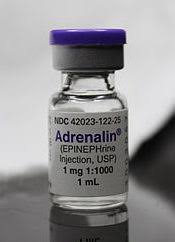
Adrenaline, also known as epinephrine, is a hormone and neurotransmitter produced by the adrenal glands in response to stress. It plays a pivotal role in the body’s fight-or-flight response, preparing the body for immediate physical action. For fitness enthusiasts, understanding adrenaline’s effects can help optimize performance and recovery.
What Does Adrenaline Do?
Adrenaline is released during situations of stress or excitement and has powerful effects on the body, including:
- Increased Energy Production: Stimulates the breakdown of glycogen into glucose, providing a rapid energy boost.
- Enhanced Cardiovascular Performance: Increases heart rate and blood pressure to deliver oxygen and nutrients to muscles more efficiently.
- Improved Focus and Alertness: Heightens mental acuity and reaction times.
- Bronchodilation: Expands airways to improve oxygen intake.
- Muscle Readiness: Enhances muscle contraction strength and readiness for action.
What Is Needed for Adrenaline Production?
Adrenaline synthesis occurs in the adrenal medulla and requires specific precursors and conditions:
- Precursors:
- Stimuli:
- Stress, intense physical activity, or excitement trigger adrenaline release.
- Signals from the sympathetic nervous system activate the adrenal glands.
- Exercise:
- High-intensity workouts, such as sprinting or weightlifting, stimulate epinephrine production.
When Is Adrenaline Produced the Most?
Its levels peak during situations requiring immediate physical or mental action:
- Acute Stress: Emotional or physical stress triggers a surge of epinephrine.
- Exercise: High-intensity, short-duration activities like interval training or heavy lifting.
- Emergencies: Life-threatening or high-pressure situations.
What Reduces Adrenaline Production?
Chronic stress or health conditions can impair the adrenal glands’ ability to produce this hormone:
- Chronic Fatigue: Prolonged stress can lead to adrenal fatigue, reducing its output.
- Poor Nutrition: Deficiencies in tyrosine or vitamin C can impair production.
- Overtraining: Excessive exercise without adequate recovery can suppress adrenaline production.
- Relaxation Techniques: Practices like deep breathing, yoga, or meditation can lower epinephrine’s levels as part of the relaxation response.
Problems Associated with Insufficient Adrenaline Production
Low epinephrine levels can result in reduced physical and mental performance, including:
- Fatigue: Inability to sustain energy during stressful or demanding situations.
- Low Blood Pressure: Diminished cardiovascular response.
- Reduced Alertness: Difficulty concentrating or reacting quickly.
- Weakness: Decreased muscle readiness and strength.
Interactions with Other Hormones
- Synergy:
- Cortisol: Works together with adrenaline to manage stress and maintain energy balance.
- Glucagon: Enhances the release of glucose into the bloodstream for energy.
- Thyroid Hormones (T3 and T4): Amplify the metabolic effects of epinephrine.
- Antagonistic Hormones:
- Insulin: Reduces blood glucose levels, counteracting epinephrine’s glucose-raising effects.
- Serotonin: Promotes relaxation and can counterbalance epinephrine’s excitatory effects.
Understanding epinephrine’s role in the body can help you harness its benefits for peak performance. Proper nutrition, strategic high-intensity workouts, and stress management techniques can ensure that this powerful hormone works to your advantage in achieving your fitness and health goals.