

Nutrition Facts: The Complete Guide to Over 80 Foods
Nutrition Facts is one of the most comprehensive whole-food nutrition reference collections available — over 80 individual food pages, each covering complete nutrition data per 100g and realistic serving sizes, vitamins, minerals, health benefits, and practical athlete guidance. Every page is written to stand fully on its own, so you get the full picture on any food without needing to cross-reference others.
The pages don’t flatten complexity into simple good/bad verdicts. They explain why numbers are what they are — why parmesan has 91% of daily calcium (moisture concentration from aging), why spirulina’s B12 is inactive, why white rice is the right post-workout choice despite its high GI, why eating sweet potatoes without fat reduces their Vitamin A absorption. The goal throughout is genuine understanding, not calorie counting dressed up as nutrition.
Browse by category below, or use the full alphabetical index at the bottom of the page.
1. Animal Proteins
The most nutrient-dense protein category in the collection. Beyond protein itself, these foods are the primary dietary sources of B12, haem iron, zinc, selenium, and carnosine — micronutrients that are difficult or impossible to replicate from plant sources alone.
A few standouts worth knowing before you browse: octopus delivers 833% of daily B12 at 82 calories. Sardines are the only food in this collection where the bones are typically eaten — and that’s where 38% of the daily calcium figure comes from. Venison is leaner than turkey breast while delivering full red-meat zinc and iron. Clams hold the most extraordinary B12 figure of any food here at 4,120% DV.
- Anchovies
- Barbecue Ribs
- Beef Jerky
- Clams
- Cod
- Duck Breast
- Eggs
- Ground Beef
- Ground Turkey
- Halibut
- Lamb
- Lean Chicken Breast
- Octopus
- Pork Chop
- Pork Loin
- Roast Beef
- Salmon
- Sardines
- Shrimp
- Tilapia
- Tuna
- Turkey Breast
- Venison
2. Plant-Based Proteins
The most varied category in the collection nutritionally — ranging from seitan (21g protein at 121 calories, virtually no fat) to spirulina (57.5g protein per 100g but almost never eaten at that quantity). Most plant proteins are incomplete, meaning they’re missing one or more essential amino acids — but several here are genuine exceptions: edamame, quinoa, tofu, tempeh, and hemp seeds all provide complete amino acid profiles without combining.
The most important single fact across this entire category: spirulina’s B12 is inactive pseudovitamin B12 and cannot be relied on as a B12 source. Plant-based eaters need dedicated B12 supplementation regardless of what any of these foods contain.
3. Dairy & Cheese
Dairy is the most reliable whole-food source of calcium and B12 in most Western diets, and this category shows the full spectrum — from flavored yogurt (which carries a significant sugar load despite its healthy reputation) to parmesan (91% of daily calcium and 99% of phosphorus per 100g, the most concentrated bone mineral source of any food here). Greek yogurt stands out for its protein-to-calorie ratio: 10g of protein at just 59 calories per 100g. Swiss cheese is the lowest-sodium mainstream hard cheese by a wide margin at just 187mg per 100g.
The flavored yogurt page in particular includes a step-by-step label-reading guide that applies to far more than yogurt.
4. Nuts & Seeds
The most mineral-dense category in the collection. Hemp seeds provide 175% of daily magnesium and 157% of phosphorus per 100g. Pumpkin seeds deliver 176% phosphorus, 141% magnesium, and 71% zinc. Sunflower seeds hold the highest Vitamin E figure of any food here at 235% DV. Walnuts are the only tree nut with significant omega-3, at 9.1g of ALA per 100g — more than four times any other nut.
Two preparation facts that matter across this category: flaxseeds must be ground for their omega-3 and lignans to be absorbed — whole flaxseeds pass through largely undigested. Chia seeds and hemp seeds require no such preparation and work eaten whole.
5. Grains & Starchy Carbs
The performance carbohydrate category — the foods that fuel training, replenish glycogen, and provide the sustained energy that underpins daily output. The nutritional quality varies considerably across this group: oatmeal has a genuine, FDA-backed health claim for cholesterol reduction from its beta-glucan content. Whole wheat pasta delivers an extraordinary 65% of daily selenium per 100g. White rice, despite its modest micronutrient profile, is deliberately chosen by elite athletes over brown rice for post-workout use — for mechanistic reasons explained in the white rice page.
Two of the most underappreciated facts in this category: cooking pasta al dente rather than soft meaningfully reduces its glycaemic index. Cooling cooked potatoes and rice before eating converts some of their starch to resistant starch, also reducing glycaemic impact.
6. Vegetables
The micronutrient density category — foods where the calorie cost is almost irrelevant because the nutritional return per calorie is so high. Spinach provides 411% of daily Vitamin K and 315% of Vitamin A at 23 calories per 100g — the highest Vitamin K figure of any food in this collection. Mushrooms are the only non-animal food that generates Vitamin D in response to sunlight, through exactly the same UV-driven mechanism as human skin. Broccoli’s sulforaphane requires the chop-and-rest technique to activate fully.
7. Fruits
A small but useful category — banana, the most widely eaten training fruit globally, is covered alongside raisins, which have been directly compared to commercial energy gels in peer-reviewed sports research with comparable performance outcomes.
8. Natural Sweeteners
All three foods in this category share a common profile: primarily sugar, with real but modest additional properties that distinguish them from refined sugar. Maple syrup provides 126% of daily manganese per 100g — the most extraordinary figure of any sweetener. Honey has documented antibacterial properties and genuinely important infant safety guidance that most honey content online is vague about. Jam’s pectin science explains why some fruits set without added thickeners and others don’t.
None of these should be counted as nutritional foods. All should be counted as added sugar for daily tracking purposes.
9. Drinks
Two beverages that represent opposite ends of the liquid calorie spectrum — one with genuine nutritional value, one without. The orange juice page covers the full whole-fruit vs juice comparison and the fresh-squeezed vs not-from-concentrate question in detail. The soda page covers why liquid calories are uniquely problematic for appetite regulation, what the phosphoric acid and bone density research actually shows, and an honest assessment of diet soda that acknowledges both what it gets right and what remains uncertain.
10. Occasional Foods
These pages exist because honest nutrition coverage includes understanding what less nutritious foods actually contain — not to create guilt, but because informed choices require accurate information. The fortification story in Froot Loops (129% B12 from synthetic vitamins sprayed onto sugar cereal) is the clearest illustration in this collection of why impressive-looking nutrition labels deserve closer examination. The doughnuts page covers the trans fat labeling loophole that allows products containing hydrogenated oil to display “0g trans fat.” Dark chocolate, despite its placement here, contains genuinely extraordinary mineral figures — 200% copper, 87% manganese — at typical portion sizes.
Full Alphabetical Index
All 80+ foods listed alphabetically for direct access:
Almonds · Anchovies · Asparagus · Banana · Barbecue Ribs · Beef Jerky · Black Beans · Bread · Broccoli · Brown Rice · Brussels Sprouts · Butternut Squash · Carrots · Cashews · Cheddar Cheese · Chia Seeds · Chickpeas · Clams · Cod · Corn · Cottage Cheese · Dark Chocolate · Doughnuts · Duck Breast · Edamame · Eggs · Flaxseeds · Flavored Yogurt · Froot Loops · Goat Cheese · Greek Yogurt · Green Peas · Ground Beef · Ground Turkey · Halibut · Hazelnuts · Hemp Seeds · Honey · Ice Cream · Jam · Kidney Beans · Lamb · Lean Chicken Breast · Lentils · Macadamia Nuts · Maple Syrup · Mushrooms · Oatmeal · Octopus · Orange Juice · Parmesan Cheese · Peanuts · Pork Chop · Pork Loin · Potatoes · Pumpkin Seeds · Quinoa · Raisins · Roast Beef · Salmon · Sardines · Seitan · Shrimp · Soda · Spinach · Spirulina · Sunflower Seeds · Sweet Potatoes · Swiss Cheese · Tempeh · Tilapia · Tofu · Tuna · Turkey Breast · Venison · Walnuts · White Rice · Whole Wheat Pasta · Yams
If you are wondering about a food that is not included here, then it’s very important that you know how to read the nutrition facts label so that you can make an informed decision.
How to Read Nutrition Facts Labels
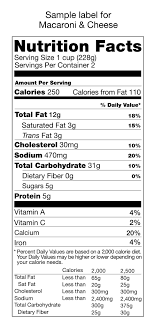
Understanding nutrition facts labels is crucial for making informed food choices. Here’s a breakdown of the key components:
- Serving Size: Always check this first. All nutritional values listed are based on this specific portion.
- Calories: Indicates the total energy per serving. Useful for managing weight gain or loss.
- Macronutrients:
- Protein: Important for muscle growth and repair.
- Carbohydrates: Includes sugars and fiber; fiber is beneficial, while added sugars should be limited.
- Fats: Look for unsaturated fats and limit trans and saturated fats.
- Micronutrients: Check for vitamins and minerals like calcium, iron, and potassium, which are essential for health.
- Daily Value (%DV): Helps determine if a nutrient is high or low. A 5% DV or less is considered low, while 20% or more is high.
Nutrition Facts – Conclusion
Making informed nutrition choices starts with understanding nutrition facts labels. Prioritizing high-protein foods can support muscle growth and fat loss, while reducing high-sugar foods can prevent numerous health risks. Be mindful of what you eat, and choose nutrient-dense foods for a healthier lifestyle. That is why it is very important to learn how to read the nutrition facts labels.
Always check the Nutrition Facts label when shopping for groceries, so that you can choose the healthiest option.