

25 Spectacular Stretching Exercises: The Complete Guide to Warm-Up and Cooldown
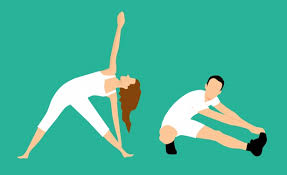
Stretching is one of the most undervalued parts of training. Most people skip it before workouts, rush through it after, or ignore it completely — and then wonder why they feel stiff, get injured, or can’t improve their squat depth or shoulder mobility. A proper stretching routine doesn’t just help you feel better; it directly improves your performance, reduces injury risk, and speeds up recovery between sessions.
This guide covers everything you need to know about stretching — the difference between dynamic and static stretching, when to use each, and a complete set of stretches for every major muscle group in your body.
Dynamic vs. Static Stretching: What’s the Difference and When to Use Each
This is the most important thing to understand about stretching — and the most commonly confused:
Dynamic stretching involves controlled, rhythmic movement through a joint’s range of motion. It raises muscle temperature, increases blood flow, activates the nervous system, and prepares your body for the demands of training. Dynamic stretching is best used before your workout as part of your warm-up. It should feel like movement — not a held position.
Static stretching involves holding a stretched position for an extended period — typically 20–60 seconds. It lengthens muscles, improves long-term flexibility, and promotes relaxation. Static stretching is best used after your workout as part of your cooldown, when your muscles are warm and pliable. Research consistently shows that static stretching before intense activity can temporarily reduce strength and power output — which is why it belongs after training, not before.
The rule is simple: dynamic before, static after.
Why Warming Up Properly Matters
A proper warm-up does several things that directly improve your training:
Raises muscle temperature — warmer muscles contract more forcefully, respond faster, and are more resistant to tears and strains.
Increases blood flow — getting blood moving to your working muscles before loading them with weight improves performance and reduces injury risk.
Activates the nervous system — dynamic movements wake up the neural pathways between your brain and muscles, improving coordination and reaction time.
Improves range of motion — moving your joints through their full range before loading them allows you to achieve better technique and depth in your exercises.
Reduces injury risk — the majority of gym injuries happen when cold muscles are suddenly placed under heavy load. A thorough warm-up dramatically reduces this risk.
Dynamic Stretches (Pre-Workout Warm-Up)
Perform these before your training session. Move through each one for 30–60 seconds or 10–15 reps per side.
Leg Swings Stand next to a wall for balance and swing one leg forward and backward in a controlled arc. Progressively increase the range of motion with each swing. Loosens the hip flexors, hamstrings, and glutes before lower body training.
Arm Circles Extend both arms to your sides and make circles — start small and gradually increase to full, wide circles, then reverse direction. Warms up the shoulder joint before any pressing or pulling work.
Torso Twists Stand with feet shoulder-width apart and arms extended in front of you. Rotate your upper body side to side in a controlled rhythm, letting your arms follow naturally. Activates the core and spine before any loaded movements.
High Knees March or jog in place, driving your knees up to hip height on every step. Raises heart rate, warms up the hip flexors, and gets blood moving to the lower body.
Lunges with a Twist Step forward into a lunge position and rotate your torso toward your leading leg. Return to standing and repeat on the other side. Simultaneously warms up the hips, quads, hip flexors, and thoracic spine — one of the most efficient single warm-up movements you can do.
Hip Circles Stand with hands on hips and make large circles with your hips — clockwise and counterclockwise. Loosens the hip joint before squats, deadlifts, and lunges.
Inchworms From standing, hinge forward and walk your hands out to a push-up position, pause, then walk your feet back to your hands and stand. Dynamically warms up the hamstrings, lower back, shoulders, and core in one fluid movement.
Shoulder Pass-Throughs Hold a resistance band or broomstick with a wide grip and raise it overhead and behind you, then back again — keeping your arms straight throughout. One of the best shoulder mobility warm-up exercises before any pressing work.
Static Stretches (Post-Workout Cooldown)
Perform these after your training session. Hold each stretch for 20–60 seconds per side. Breathe deeply and relax into each position — don’t force the stretch.
Neck and Upper Body
Neck Side Stretch Sit or stand tall and gently tilt your head toward one shoulder, bringing your ear toward it. Place your hand lightly on the side of your head for a very gentle added stretch. Hold and switch sides. Relieves tension in the neck and upper traps after any heavy upper body session.
Neck Rotation Stretch Slowly rotate your head to look over one shoulder and hold, feeling the stretch along the side and back of your neck. Return to centre and switch sides.
Chest and Shoulders
Doorway Chest Stretch Stand in a doorway with your arms at 90 degrees (elbows at shoulder height), forearms resting on the door frame. Step one foot forward and gently lean through the doorway until you feel a stretch across your chest and front shoulders. One of the most effective chest stretches available. Essential after any chest or pushing session.
Wall Chest Stretch Place one hand flat against a wall at shoulder height. Keeping your arm straight, slowly rotate your body away from the wall until you feel the stretch across your chest and front shoulder. Hold and switch sides.
Chest Opener Stretch Clasp your hands behind your back, straighten your arms, and gently pull them away from your body while lifting your chest toward the ceiling. A simple but effective stretch for the chest and front shoulders with no equipment needed.
Cross-Body Shoulder Stretch Bring one arm straight across your chest and use your opposite hand or forearm to gently press it closer to your body. Feel the stretch in the rear deltoid and outer shoulder. Hold and switch sides. Particularly useful after heavy shoulder sessions.
Back and Lats
Lat Stretch Raise one arm overhead and lean to the opposite side, feeling the stretch running from your hip up through your lat and side. Hold and switch sides. Essential after back training to decompress the lats.
Child’s Pose Kneel on the floor and sit back on your heels, then extend your arms forward along the floor and lower your chest toward the ground. Hold and breathe deeply. One of the best all-round back and lat stretches — relieves tension in the thoracic spine, lats, and shoulders simultaneously.
Lower Back Stretch (Knees to Chest) Lie on your back and pull both knees toward your chest, wrapping your arms around them. Gently rock side to side to release tension in the lower back and glutes. Hold for 30–60 seconds. Essential after any heavy lower back work — deadlifts, bent-over rows, good mornings.
Cat-Cow Stretch Start on all fours with a neutral spine. On an inhale, let your belly drop toward the floor and look up (cow). On an exhale, round your spine toward the ceiling and tuck your chin (cat). Alternate slowly for 10–15 breaths. One of the best spinal mobility exercises available and excellent as both a warm-up and cooldown for the lower back.
Biceps and Forearms
Wrist Flexor Stretch Extend one arm straight in front of you with your palm facing up. Use your opposite hand to gently pull your fingers back toward you, feeling the stretch along the inside of your forearm. Hold and switch sides. Essential after any bicep or pulling session.
Wrist Extensor Stretch Extend one arm straight in front of you with your palm facing down. Use your opposite hand to gently press the back of your hand downward, feeling the stretch along the outside of your forearm. Hold and switch sides.
Forearm Stretch Extend one arm forward and press your palm flat against a wall with fingers pointing down. Gently lean forward to deepen the stretch through the forearm and wrist. Hold and switch sides.
Quadriceps and Hip Flexors
Standing Quad Stretch Stand on one leg and pull your opposite foot toward your glutes, keeping your knees together and your torso upright. Hold for 30–60 seconds and switch sides. Essential after any quad-dominant leg session.
Lying Quad Stretch Lie on your side and pull your top foot toward your glutes, keeping your knees together. Use a strap or towel if needed. Allows a more relaxed, gravity-assisted quad stretch than the standing version.
Kneeling Hip Flexor Stretch (Low Lunge) Kneel on one knee with your other foot forward. Push your hips forward and downward until you feel a deep stretch in the front of the hip of your back leg. Hold and switch sides. One of the most important stretches for anyone who sits for long periods or trains heavy squats and lunges — tight hip flexors affect posture, squat depth, and lower back health.
Hamstrings
Seated Hamstring Stretch Sit on the floor with one leg extended and the other foot tucked against your inner thigh. Hinge forward from your hips — not your lower back — and reach toward your toes until you feel the stretch in the back of your thigh. Hold and switch sides.
Standing Hamstring Stretch Stand and place one foot on an elevated surface — a bench, step, or chair — with your leg straight. Keep your back flat and gently hinge forward at the hips. Excellent after any deadlift or hamstring-heavy session.
Lying Hamstring Stretch Lie on your back and extend one leg upward. Hold behind your thigh or use a resistance band around your foot and gently pull your leg toward you. Keep the opposite leg flat on the floor. Allows a relaxed, controlled hamstring stretch with no lower back strain.
Calves
Standing Calf Stretch Stand facing a wall with one foot behind you, heel flat on the floor, and lean forward with your hands on the wall. Feel the stretch in the calf of the back leg. Hold and switch sides. Keep the back knee straight for the gastrocnemius, or slightly bent to shift the stretch to the soleus.
Seated Calf Stretch Sit with one leg extended, loop a towel or resistance band around the ball of your foot, and gently pull it toward you while keeping your leg straight. Feel the stretch running through the full length of the calf. Hold and switch sides.
Glutes
Seated Glute Stretch (Figure-4) Sit on the floor with one knee bent. Cross your other ankle over the bent knee and gently press down on the crossed knee while leaning forward slightly. Feel the deep stretch in the glute and hip of the crossed leg. Hold and switch sides. One of the best glute and piriformis stretches available.
Pigeon Pose From a push-up position, bring one knee forward and place it behind your wrist, with your shin angled across your body. Lower your hips toward the floor and hold. An advanced but highly effective glute and hip flexor stretch — modify by keeping your hips elevated if the full version is too intense.
How Long Should You Hold Static Stretches?
Research suggests that holding a static stretch for 20–60 seconds is the optimal range for improving flexibility. Shorter than 20 seconds provides minimal lasting benefit. Longer than 60 seconds per stretch offers diminishing returns and can feel unnecessarily uncomfortable. For general flexibility maintenance, 30 seconds per stretch per side is a practical and effective target.
How Often Should You Stretch?
Before every training session — 5–10 minutes of dynamic stretching targeting the muscle groups you’re about to train. This is non-negotiable.
After every training session — 5–10 minutes of static stretching targeting the muscles you’ve just worked. This is where long-term flexibility improvements happen.
On rest days — an optional full-body stretching session on rest days can accelerate flexibility gains significantly. Even 10–15 minutes is enough to make a meaningful difference over time.
Muscle-Group Specific Stretching Guides
For more detail on exercises that work specific muscle groups, visit the dedicated sections on this site:
- Chest Exercises — for chest and shoulder mobility context
- Back Exercises — for lat and lower back training
- Shoulder Exercises — for complete deltoid development
- Legs Exercises — for quad, hamstring, glute, and calf training
- Forearms Exercises — for wrist and forearm work
Common Stretching Mistakes to Avoid
Stretching cold muscles. Static stretching before your muscles are warm dramatically reduces its effectiveness and increases injury risk. Always warm up dynamically first, or stretch only after training when muscles are already warm.
Bouncing through stretches. Ballistic bouncing during a static stretch activates the stretch reflex and causes the muscle to contract against the stretch — the opposite of what you want. Hold stretches smoothly and still.
Holding your breath. Tension and held breath prevent your muscles from relaxing fully into a stretch. Breathe deeply and consistently throughout every static stretch — exhale as you ease into the position.
Pushing through pain. A stretch should feel uncomfortable but never painful. Sharp or stabbing pain during a stretch is a warning signal — ease off immediately. Flexibility improves gradually over weeks and months, not in a single session.
Skipping stretching entirely. The most common mistake of all. Consistently skipping warm-up and cooldown stretching leads to progressively tighter muscles, reduced range of motion, poorer exercise technique, and a significantly higher risk of injury over time. Five minutes of stretching before and after training is one of the highest return-on-investment habits in fitness.
Conclusion
Incorporating proper warm-ups with dynamic stretching and post-workout static stretching enhances flexibility, reduces injury risk, and improves overall performance. Make stretching a consistent part of your fitness routine for better mobility and muscle recovery.