
Histidine
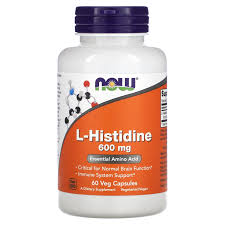
Histidine is an essential amino acid that plays a key role in numerous physiological processes, including the production of hemoglobin, tissue repair, and immune response. It is particularly important for growth and development and serves as a precursor to histamine, which is critical for immune and digestive health.
Histidine RDA (Recommended Dietary Allowance):
- Adults: 10 mg/kg body weight/day
(For a 70 kg adult, this translates to about 700 mg/day.)
ODA (Optimal Daily Allowance):
- 1-2 g/day (depending on individual needs, activity levels, and health conditions)
Found in:
- Animal-based sources:
- Meat (beef, chicken, turkey, pork)
- Fish (salmon, tuna, mackerel)
- Eggs
- Dairy products (milk, cheese, yogurt)
- Plant-based sources:
- Legumes (soybeans, lentils, chickpeas)
- Nuts and seeds (peanuts, sesame seeds)
- Whole grains (quinoa, oats, brown rice)
- Vegetables (potatoes, cauliflower, spinach)
- Supplements: Found in standalone amino acid formulations or as part of protein blends.
Helps with:
- Hemoglobin production: Essential for creating red blood cells and maintaining oxygen transport throughout the body.
- Tissue repair and growth: Promotes healing of wounds and growth of new tissue.
- Histamine production: Crucial for immune response, digestion, and regulating sleep-wake cycles.
- Joint and skin health: Supports the formation of collagen and cartilage.
- Metal detoxification: Assists in the removal of heavy metals from the body through chelation.
- Nervous system support: Acts as a precursor for neurotransmitters, contributing to cognitive and emotional health.
Insufficient doses:
- Symptoms of deficiency:
- Anemia (due to reduced hemoglobin levels)
- Poor wound healing and slow tissue repair
- Fatigue or lack of energy
- Cognitive impairment or memory issues
- Weak immune function, leading to frequent infections
- At-risk groups: Those with restrictive diets, chronic illnesses, or metabolic disorders.
Excessive doses:
- No established upper limit, but high doses (above 4-5 g/day) may lead to:
- Headaches
- Fatigue
- Gastrointestinal discomfort (bloating, diarrhea)
- Potential exacerbation of histamine-related conditions (e.g., allergies or histamine intolerance)
Interactions:
- Synergy:
- Antagonistic interactions:
- Excessive histidine intake may increase histamine levels, potentially causing issues for individuals with histamine intolerance.
- Imbalances with other amino acids can affect protein metabolism.