
Leucine
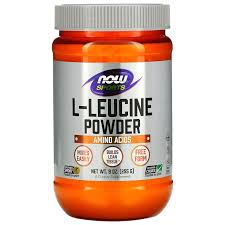
Leucine is one of the three branched-chain amino acids (BCAAs) essential for muscle protein synthesis and energy production. It plays a crucial role in maintaining muscle mass, particularly during stress, illness, or aging.
Leucine RDA (Recommended Dietary Allowance):
- Adults: 42 mg/kg body weight/day
(For a 70 kg adult, this translates to about 2.94 g/day.)
ODA (Optimal Daily Allowance):
- 3-10 g/day (depending on activity levels, muscle-building goals, and overall health)
Found in:
- High-protein foods:
- Meat (chicken, beef, pork, turkey)
- Fish (tuna, salmon)
- Eggs
- Dairy products (milk, cheese, yogurt)
- Plant-based sources:
- Soy products (tofu, tempeh, soy milk)
- Legumes (lentils, chickpeas)
- Nuts and seeds (peanuts, almonds, sunflower seeds)
- Whole grains (quinoa, oats, brown rice)
- Supplements: BCAA powders and leucine-specific supplements
Helps with:
- Muscle protein synthesis: Stimulates mTOR (mechanistic target of rapamycin), a key pathway for building muscle.
- Preventing muscle breakdown: Particularly beneficial during fasting, calorie deficits, or prolonged physical activity.
- Energy production: Used as a fuel source during exercise.
- Wound healing: Enhances tissue repair and recovery.
- Regulating blood sugar: Assists in glucose uptake and insulin sensitivity.
Insufficient doses:
- Symptoms of deficiency (rare in individuals with adequate protein intake):
- Muscle wasting or difficulty building muscle
- Fatigue or low energy levels
- Impaired wound healing
- Reduced physical performance
- Increased susceptibility to infections
- At-risk groups: Elderly individuals, those with low dietary protein intake, or people with chronic illnesses.
Excessive doses:
- Upper safety limit not established, but high doses (over 20 g/day) may cause:
- Gastrointestinal discomfort (nausea, diarrhea)
- Imbalances with other amino acids like valine and isoleucine, potentially disrupting protein synthesis.
- In rare cases, excessive leucine may contribute to insulin resistance if consistently consumed in large quantities without a balanced diet.
Interactions:
- Synergy:
- Works with isoleucine and valine (other BCAAs) for optimal muscle recovery and energy.
- Requires sufficient levels of insulin for effective muscle protein synthesis.
- Functions better in conjunction with carbohydrates post-workout to enhance recovery.
- Antagonistic interactions:
- Imbalances in leucine, isoleucine, and valine intake can disrupt amino acid metabolism.
- Excessive intake may reduce the bioavailability of tryptophan, which can impact serotonin production.