
Lysine
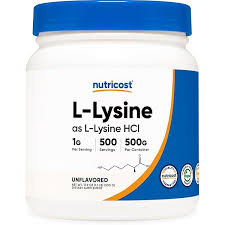
Lysine is an essential amino acid that the body cannot produce on its own, making it vital to obtain through diet or supplements. It plays a crucial role in protein synthesis, immune function, and the production of collagen, which is essential for healthy skin, bones, and connective tissues.
Lysine RDA (Recommended Dietary Allowance):
- Adults: 12 mg/kg body weight/day
(For a 70 kg adult, this translates to about 840 mg/day.)
ODA (Optimal Daily Allowance):
- 1-3 g/day (depending on individual needs, age, and physical activity levels)
Found in:
- Animal-based sources:
- Meat (beef, chicken, pork)
- Fish (cod, sardines, salmon)
- Dairy products (milk, cheese, yogurt)
- Eggs
- Plant-based sources:
- Legumes (lentils, chickpeas, black beans)
- Quinoa
- Nuts and seeds (pumpkin seeds, cashews)
- Soy products (tofu, tempeh, edamame)
- Supplements: Available as standalone lysine capsules or powders and included in protein blends.
Helps with:
- Protein synthesis: Lysine facilitates muscle repair and growth by aiding in the production of proteins.
- Collagen production: Essential for healthy skin, cartilage, tendons, and bones.
- Calcium absorption: Enhances calcium uptake, contributing to stronger bones and teeth.
- Immune support: Helps combat infections and supports antibody production.
- Wound healing: Speeds up tissue repair and recovery from injuries.
- Cold sore prevention: Inhibits the replication of the herpes simplex virus (HSV), reducing outbreaks.
Insufficient doses:
- Symptoms of deficiency:
- Fatigue or low energy levels
- Poor concentration or irritability
- Delayed wound healing
- Hair loss or brittle hair
- Frequent cold sore outbreaks (in individuals with HSV)
- At-risk groups: Vegetarians, vegans, and individuals with inadequate protein intake may be more susceptible to deficiency.
Excessive doses:
- No established upper limit, but high doses (above 6 g/day) may lead to:
- Gastrointestinal discomfort (nausea, diarrhea)
- Abdominal cramps
- Increased risk of gallstones (in rare cases)
- Imbalances with other amino acids if taken in isolation
Interactions:
- Synergy:
- Antagonistic interactions:
- Excessive lysine intake can reduce arginine levels, potentially impacting cardiovascular health.
- Imbalances in amino acid intake can disrupt overall protein metabolism.