
Phenylalanine
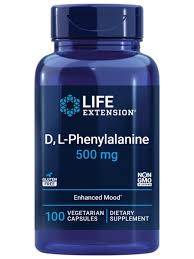
Phenylalanine is an essential amino acid that plays a vital role in the production of proteins, neurotransmitters, and other important molecules in the body. It exists in three forms: L-phenylalanine (used in protein synthesis), D-phenylalanine (used in pain management), and DL-phenylalanine (a combination used in supplements).
Phenylalanine RDA (Recommended Dietary Allowance):
- Adults: 14 mg/kg body weight/day
(For a 70 kg adult, this equals about 980 mg/day.)
ODA (Optimal Daily Allowance):
- 1,000-2,000 mg/day (depending on individual needs, age, and activity level)
Found in:
- Animal-based sources:
- Meat (chicken, beef, turkey, pork)
- Fish (salmon, tuna, cod)
- Eggs
- Dairy products (milk, cheese, yogurt)
- Plant-based sources:
- Soy products (tofu, edamame, tempeh)
- Nuts and seeds (almonds, sunflower seeds, peanuts)
- Legumes (chickpeas, lentils, black beans)
- Whole grains (quinoa, oats, brown rice)
- Spirulina
- Supplements: Available as L-phenylalanine, D-phenylalanine, or DL-phenylalanine for therapeutic use.
Helps with:
- Neurotransmitter production: Precursor to tyrosine, which is converted into dopamine, norepinephrine, and epinephrine—important for mood, focus, and stress response.
- Mood regulation: Supports mental well-being and has been studied for its potential in managing depression.
- Skin health: Involved in melanin production, which protects skin from UV damage and gives it pigmentation.
- Pain management: D-phenyl-alanine may help reduce pain by inhibiting the breakdown of natural painkillers in the body.
- Cognitive function: Supports learning, memory, and alertness through its role in brain chemistry.
Insufficient doses:
- Symptoms of deficiency:
- Fatigue or low energy
- Mood disturbances, such as depression or anxiety
- Cognitive impairments, including difficulty concentrating
- Decreased appetite or weight loss
- Reduced pigmentation in skin and hair (rare)
- At-risk groups: Those with restrictive diets or genetic conditions like phenylketonuria (PKU) who may struggle with phenylalanine metabolism.
Excessive doses:
- Generally safe up to 3,000 mg/day, but excessive intake may cause:
- Headaches or migraines in sensitive individuals
- Nausea or digestive discomfort
- Aggravation of symptoms in people with PKU or other metabolic disorders
- Elevated blood pressure in high doses combined with stimulants
Interactions:
- Synergy:
- Works with vitamins B6, B12, and folate to support neurotransmitter production.
- Tyrosine, derived from this amino acid, works synergistically with iodine for thyroid hormone production.
- Combines with other amino acids for efficient protein synthesis.
- Antagonistic interactions:
- Excessive levels can reduce tryptophan uptake, potentially impacting serotonin production.
- Interacts negatively with MAO inhibitors (a type of antidepressant), which may lead to high blood pressure.
- May compete with other large amino acids for transport across the blood-brain barrier.