
Calcium
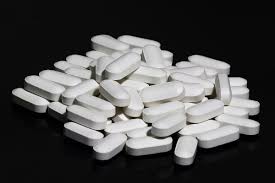
Calcium is considered a Macro-mineral because the body requires slightly higher doses of it. It is very important for having a healthy musculoskeletal system.
Calcium RDA (Recommended Dietary Allowance):
- Adults (19-50 years): 1,000 mg/day
- Men (51-70 years): 1,000 mg/day
- Women (51-70 years): 1,200 mg/day
- Adults (71+ years): 1,200 mg/day
- Pregnant and breastfeeding women: 1,000-1,300 mg/day
ODA (Optimal Daily Allowance):
- 1,200-1,500 mg/day (varies depending on individual needs, bone health goals, and activity levels)
Found in:
- Dairy products (milk, cheese, yogurt)
- Fortified plant-based milk (almond, soy, oat milk)
- Leafy green vegetables (kale, broccoli, bok choy)
- Fortified cereals and juices
- Sardines and salmon (with bones)
- Tofu (calcium-set)
- Almonds
- Seeds (chia, sesame)
Helps with:
- Building and maintaining strong bones and teeth
- Muscle contraction and relaxation
- Nerve signaling
- Blood clotting
- Regulating heart rhythm
- Supporting hormone secretion and enzyme activity
Insufficient doses:
- Symptoms of deficiency:
- Muscle cramps and spasms
- Numbness or tingling in fingers
- Brittle nails
- Fatigue
- Osteopenia and osteoporosis (increased risk of fractures)
- Dental issues (tooth decay)
- Severe deficiency can lead to hypocalcemia, characterized by abnormal heart rhythms, muscle weakness, and neurological symptoms.
Excessive doses:
- Upper limit: 2,500 mg/day for adults (19-50 years), 2,000 mg/day for adults (51+ years)
- Possible side effects of high doses:
- Kidney stones
- Hypercalcemia (high blood levels), which can cause nausea, vomiting, and confusion
- Impaired absorption of other minerals like iron, zinc, and magnesium
Interactions:
- Synergy:
- Works with vitamin D to enhance calcium absorption in the intestines.
- Collaborates with magnesium and phosphorus for bone health.
- Synergistic effects with vitamin K2 to direct calcium to bones and away from arteries.
- Antagonistic interactions:
- High sodium intake can increase calcium excretion.
- Excessive phosphorus (e.g., from soft drinks) can disrupt calcium balance.
- High doses of this mineral may inhibit absorption of iron and zinc if taken simultaneously.
- Certain medications (e.g., corticosteroids, proton pump inhibitors) can decrease its absorption or increase loss.