
Copper
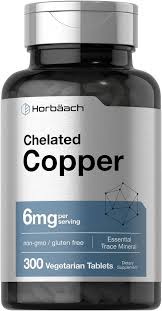
Copper is a vital trace mineral essential for various physiological functions, including energy production, iron metabolism, and the formation of connective tissue. It also acts as an antioxidant, helping protect cells from oxidative damage.
Copper RDA (Recommended Dietary Allowance):
- Adults (19+ years): 900 µg/day
- Pregnant women: 1,000 µg/day
- Breastfeeding women: 1,300 µg/day
- Children (varies by age): 200-890 µg/day
ODA (Optimal Daily Allowance):
- 1,000-1,500 µg/day (depending on activity level and overall health)
Found in:
- Shellfish (oysters, crab, lobster)
- Organ meats (liver, kidney)
- Nuts and seeds (sunflower seeds, cashews, almonds)
- Whole grains (quinoa, oats, barley)
- Legumes (chickpeas, lentils, beans)
- Dark chocolate
- Potatoes and sweet potatoes
- Mushrooms
- Green leafy vegetables (spinach, kale)
Helps with:
- Supporting red blood cell production by aiding iron absorption
- Maintaining healthy bones, connective tissue, and blood vessels
- Promoting immune system function
- Acting as a cofactor for antioxidant enzymes like superoxide dismutase (SOD)
- Supporting brain development and nervous system health
- Aiding in the production of energy at the cellular level
Insufficient doses:
- Symptoms of deficiency:
- Fatigue and weakness
- Anemia (due to impaired iron absorption)
- Bone abnormalities or osteoporosis
- Reduced immune function
- Neurological issues (numbness, tingling, coordination problems)
- Pale skin or hair depigmentation
- Deficiency is rare but may occur in individuals with malabsorption disorders or excessive zinc intake.
Excessive doses:
- Upper limit: 10,000 µg/day for adults
- Possible side effects of excessive copper intake:
- Nausea and vomiting
- Abdominal pain and diarrhea
- Liver damage (with chronic high intake)
- Neurological symptoms (in severe cases)
- Wilson’s disease (a genetic disorder) can cause copper accumulation in the body, leading to toxicity even at normal intake levels.
Interactions:
- Synergy:
- Antagonistic interactions:
- Excess zinc intake can inhibit copper absorption.
- High levels of dietary fiber and phytates (found in grains and legumes) may reduce copper bioavailability.
- Excessive copper can impair zinc metabolism, leading to an imbalance.