
Molybdenum
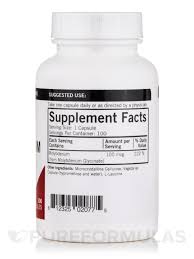
Molybdenum is an essential trace mineral required for the proper function of several enzymes involved in detoxification, metabolism, and the breakdown of harmful substances in the body.
Molybdenum RDA (Recommended Dietary Allowance):
- Adults (19+ years): 45 µg/day
- Pregnant women: 50 µg/day
- Breastfeeding women: 50 µg/day
- Children (varies by age): 17-43 µg/day
ODA (Optimal Daily Allowance):
- 50-100 µg/day (depending on individual needs and health conditions)
Found in:
- Legumes (lentils, peas, soybeans)
- Whole grains (oats, barley, brown rice)
- Nuts and seeds (almonds, sunflower seeds)
- Leafy green vegetables (spinach, kale)
- Dairy products (milk, cheese, yogurt)
- Organ meats (liver, kidney)
- Eggs
Helps with:
- Acting as a cofactor for enzymes that metabolize sulfur-containing amino acids
- Breaking down and eliminating toxins like sulfites and xanthines
- Supporting the production of uric acid (a natural antioxidant)
- Aiding in energy production and cellular function
Insufficient doses:
- Symptoms of deficiency (very rare):
- Increased susceptibility to sulfite toxicity
- Neurological symptoms like confusion or seizures (in extreme cases)
- Growth delays in children
- Impaired detoxification processes
- Deficiency is extremely uncommon due to the widespread availability of molybdenum in the diet.
Excessive doses:
- Upper limit: 2,000 µg/day for adults
- Possible side effects of excessive molybdenum intake:
- Gout-like symptoms due to increased uric acid levels
- Reduced copper absorption, potentially leading to secondary copper deficiency
- Gastrointestinal discomfort
Interactions (synergy and anti):
- Synergy:
- Antagonistic interactions:
- Excessive molybdenum intake can inhibit copper absorption, leading to imbalances.
- High dietary sulfur levels may increase the need for molybdenum.