
Phosphorus
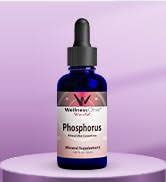
Phosphorus is a crucial mineral that contributes to the structure of bones and teeth, energy production, and cell membrane integrity. It is the second most abundant mineral in the human body and plays an essential role in various physiological functions.
Phosphorus RDA (Recommended Dietary Allowance):
- Adults (19+ years): 700 mg/day
- Pregnant and breastfeeding women: 700 mg/day
- Children (varies by age): 460-1,250 mg/day
ODA (Optimal Daily Allowance):
- 1,000-1,500 mg/day (depending on individual needs and activity levels)
Found in:
- Dairy products (milk, cheese, yogurt)
- Meat, poultry, and fish
- Eggs
- Nuts and seeds (sunflower seeds, almonds)
- Legumes (lentils, chickpeas, beans)
- Whole grains (oats, wheat, quinoa)
- Processed foods and soft drinks (phosphates as additives)
Helps with:
- Building and maintaining strong bones and teeth (works with calcium)
- Producing energy through ATP (adenosine triphosphate)
- Regulating acid-base balance in the body
- Supporting the formation of DNA and RNA
- Aiding in muscle contractions and nerve signaling
Insufficient doses:
- Symptoms of deficiency (hypophosphatemia):
- Muscle weakness
- Bone pain or fractures
- Fatigue and irritability
- Loss of appetite
- Numbness or tingling
- Severe deficiency can lead to rickets (in children) or osteomalacia (in adults).
- Rare in healthy individuals but can occur in cases of malnutrition, alcoholism, or certain medical conditions (e.g., diabetes, kidney disorders).
Excessive doses:
- Upper limit: 4,000 mg/day for adults (3,000 mg/day for individuals over 70 years)
- Possible side effects of excessive intake (hyperphosphatemia):
- Impaired calcium absorption, leading to weak bones
- Increased risk of cardiovascular disease
- Calcification of soft tissues (e.g., kidneys, arteries)
- Diarrhea and stomach discomfort
Interactions:
- Synergy:
- Works with calcium and vitamin D to strengthen bones and teeth.
- Magnesium supports phosphorus metabolism.
- Vitamin B6 helps utilize phosphorus in energy production.
- Antagonistic interactions:
- Excess phosphorus can reduce calcium absorption, leading to an imbalance.
- High phosphate intake from processed foods may disrupt the natural phosphorus-to-calcium ratio.
- Certain medications (e.g., antacids containing aluminum) can bind phosphorus, reducing its absorption.