
Vitamin B6
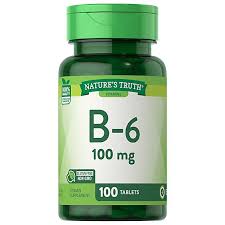
Vitamin B6, also known as pyridoxine, is a water-soluble B vitamin essential for neurotransmitter synthesis, protein metabolism, and immune function. It plays a critical role in brain development and helps regulate mood and energy production.
Vitamin B6 RDA (Recommended Dietary Allowance):
- Adults (19-50 years): 1.3 mg/day
- Males (51+ years): 1.7 mg/day
- Females (51+ years): 1.5 mg/day
- Pregnant women: 1.9 mg/day
- Breastfeeding women: 2.0 mg/day
ODA (Optimal Daily Allowance):
- 2-10 mg/day (varies based on individual needs and health conditions)
Found in:
- Poultry (chicken, turkey)
- Fish (salmon, tuna)
- Potatoes and starchy vegetables
- Bananas
- Fortified cereals
- Nuts and seeds (sunflower seeds, pistachios)
- Beans and legumes
- Liver and organ meats
Helps with:
- Neurotransmitter production (dopamine, serotonin, GABA) for mood regulation
- Protein metabolism and muscle repair
- Hemoglobin production and oxygen transport in red blood cells
- Reducing symptoms of PMS and morning sickness
- Supporting immune function and reducing inflammation
- Cognitive health and preventing neurodegenerative diseases
Insufficient doses:
- Symptoms of deficiency:
- Irritability, depression, and confusion
- Weakened immune function
- Fatigue and low energy levels
- Anemia (due to impaired hemoglobin production)
- Cracks and sores on the lips and mouth
- Tingling or numbness in hands and feet
- Deficiency is more common in alcoholics, individuals with kidney disease, or those on certain medications (e.g., isoniazid, hydralazine).
Excessive doses:
- Tolerable Upper Intake Level (UL): 100 mg/day
- High doses (>200 mg/day) over long periods may cause:
- Nerve damage and neuropathy (tingling, numbness)
- Loss of muscle control
- Nausea and gastrointestinal issues
Types of Vitamin B6:
- Pyridoxine (most common form in supplements and food)
- Pyridoxal-5-phosphate (P5P) (active coenzyme form, readily used by the body)
Interactions (synergy and anti):
- Synergy:
- Antagonistic interactions:
- Excessive alcohol consumption depletes vitamin B6 levels.
- Certain medications (hydralazine, isoniazid, penicillamine) may interfere with vitamin B6 metabolism.
- High doses of Vitamin B6 may reduce the effectiveness of some anticonvulsant drugs.