

Character Building – Summary & Key Takeaways
Character Building – Introduction
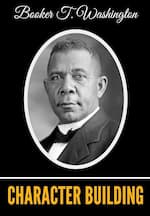
Character Building by Booker T. Washington is a timeless collection of speeches and lessons focused on discipline, integrity, hard work, humility, and personal responsibility. Washington believed that true success is built from strong character, not just talent, wealth, or status.
Drawing from his own life journey—from slavery to becoming one of the most influential educators in America—Washington teaches that consistent habits, moral values, and perseverance are the foundation of meaningful achievement.
This Character Building summary explores the book’s most important lessons on self-improvement, leadership, work ethic, and personal growth.
Character Building: Overview
The book emphasizes that success begins internally. According to Washington, external accomplishments mean little without honesty, discipline, humility, and service to others.
Key Themes in the Book:
- Character is built daily through habits and choices.
- Hard work develops strength and dignity.
- Self-discipline creates long-term success.
- Service and usefulness give life meaning.
- Small improvements compound over time.
- Education should develop both skill and character.
Washington’s philosophy centers on becoming reliable, useful, disciplined, and morally strong in every area of life.
Character Building: Key Lessons
1. Character Matters More Than Talent
- What it means: Skills may create opportunities, but character determines lasting success.
- How to apply it: Prioritize honesty, reliability, and integrity in daily life.
- Example: Washington believed employers and communities trust people with strong moral character more than naturally gifted individuals.
2. Hard Work Builds Dignity and Strength
- What it means: Productive work develops discipline, confidence, and self-respect.
- How to apply it: Treat all work with excellence and pride, regardless of status.
- Example: Washington often emphasized manual labor and craftsmanship as tools for personal growth.
3. Small Habits Shape Your Future
- What it means: Daily actions determine long-term outcomes.
- How to apply it: Build routines around punctuality, cleanliness, learning, and discipline.
- Example: Simple habits like keeping promises and finishing tasks strengthen character over time.
4. Self-Discipline Creates Freedom
- What it means: The ability to control impulses leads to independence and success.
- How to apply it: Practice consistency, patience, and emotional control.
- Example: Washington taught students to avoid laziness and distractions by developing structured routines.
5. Education Should Build Character, Not Just Intelligence
- What it means: Knowledge without ethics can become dangerous.
- How to apply it: Focus on becoming both skilled and morally grounded.
- Example: Washington believed schools should teach responsibility, respect, and service alongside academics.
6. Service to Others Creates Meaningful Success
- What it means: Real achievement comes from contributing to society.
- How to apply it: Find ways to help, mentor, and uplift others.
- Example: Washington viewed usefulness as one of the highest measures of success.
7. Adversity Builds Strength
- What it means: Difficult experiences can develop resilience and wisdom.
- How to apply it: View setbacks as opportunities for growth instead of excuses for quitting.
- Example: Washington’s own rise from poverty and hardship became proof of perseverance and determination.
8. Humility is a Strength, Not a Weakness
- What it means: Arrogance limits growth, while humility keeps people teachable.
- How to apply it: Stay open to learning and avoid seeking validation or status.
- Example: Washington admired individuals who quietly worked hard without demanding praise.
9. Responsibility Leads to Respect
- What it means: People earn trust by consistently fulfilling duties and commitments.
- How to apply it: Be dependable in work, relationships, and personal goals.
- Example: Washington believed responsibility was essential for leadership and advancement.
10. Success is Built Through Persistence
- What it means: Long-term achievement requires patience and continuous effort.
- How to apply it: Keep improving daily, even when progress feels slow.
- Example: Washington emphasized steady growth instead of chasing instant results.
Actionable Takeaways from Character Building
Develop strong daily habits—they shape your future.
Treat work as a tool for growth and self-respect.
Focus on integrity more than reputation.
Pursue education that improves both skill and character.
Serve others and contribute value to your community.
Use adversity as fuel for growth and resilience.
Practice emotional discipline and self-control.
Improve steadily instead of seeking overnight success.
Be patient—great character takes time to build.
Measure success by usefulness and integrity, not status.
Final Thoughts: Why You Should Read Character Building
Character Building remains one of the most practical books on personal development, discipline, and moral leadership. Washington teaches that lasting success is built on habits, integrity, work ethic, and service, not shortcuts or appearances.
If you want to build mental toughness, self-respect, discipline, and a meaningful life, this book offers timeless principles that still apply today.
Character Building – FAQ Section
1. What is Character Building about?
It’s a personal development book focused on discipline, integrity, hard work, self-improvement, and moral character.
2. What are the key lessons from Character Building?
- Character matters more than talent.
- Hard work builds dignity and discipline.
- Small habits shape long-term success.
- Education should develop morality and skill.
- Persistence and responsibility create respect.
3. How does Character Building help with personal growth?
It teaches readers how to build discipline, resilience, leadership qualities, and strong values through daily habits and self-control.
4. Who should read Character Building?
Anyone interested in self-improvement, leadership, discipline, success principles, and character development.
5. Why is Character Building still relevant today?
Its lessons on integrity, responsibility, hard work, and perseverance are timeless and apply to modern life, business, and leadership.
Build Strong Character with These Next Steps
Read the full book: Character Building by Booker T. Washington.
Focus on improving one daily habit at a time.
Practice discipline, responsibility, and consistency.
Use adversity as an opportunity for growth.