
Growth Hormone: The Ultimate Growth and Recovery Agent
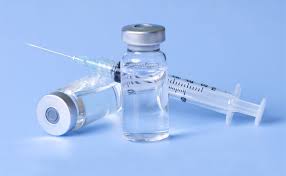
Growth hormone (GH), also known as somatotropin, is a peptide hormone that plays a pivotal role in growth, cell repair, and overall metabolism. It’s not only crucial during childhood and adolescence but also remains essential for adults, particularly in muscle building, fat loss, and recovery. Let’s dive into the details of Growth Hormone, its functions, and how to optimize it for peak performance and health.
What Does Growth Hormone Do?
GH is produced and secreted by the pituitary gland in the brain. It influences almost every cell in the body and is vital for:
- Muscle Growth: GH stimulates the production of Insulin-Like Growth Factor-1 (IGF-1), which directly promotes muscle protein synthesis and repair.
- Fat Metabolism: Encourages the breakdown of fats for energy, helping to reduce body fat.
- Cell Regeneration: Supports tissue repair and regeneration, including skin, organs, and muscles.
- Bone Strength: Enhances bone mineral density, reducing the risk of fractures.
- Exercise Recovery: Aids in faster recovery by promoting the repair of damaged tissues and reducing inflammation.
What Is Needed for Growth Hormone Production?
Several factors influence GH production. Here’s what you need to know:
- Nutrition
- Protein-Rich Foods: Amino acids, particularly arginine, stimulate Growth Hormone secretion. Include eggs, lean meats, fish, and dairy in your diet.
- Low Sugar Intake: High blood sugar levels suppress GH. Opt for complex carbohydrates and avoid excessive sugar.
- Healthy Fats: Sources like avocados, nuts, seeds, and fatty fish support overall hormonal health.
- Exercise
- High-Intensity Interval Training (HIIT): Short bursts of intense activity are proven to significantly boost Growth Hormone levels.
- Strength Training: Compound movements like deadlifts, squats, and bench presses stimulate GH production, especially with heavy loads and shorter rest periods.
- Consistency: Regular training maintains elevated baseline GH levels.
- Sleep
- Growth hormone secretion peaks during deep sleep (stages 3 and 4 of the sleep cycle). Aim for 7-9 hours of uninterrupted sleep each night.
- Optimize Sleep Quality: Maintain a dark, cool, and quiet sleeping environment.
- Supplements
- L-Arginine: Enhances Growth Hormone secretion, especially when taken before bedtime or exercise.
- GABA (Gamma-Aminobutyric Acid): May improve sleep quality and increase GH levels.
- Melatonin: Supports better sleep and indirectly boosts GH.
- Glutamine: Shown to stimulate Growth Hormone release post-exercise.
When Is Growth Hormone Produced the Most?
GH secretion is pulsatile, with the largest bursts occurring during sleep and post-exercise.
- Nighttime: About 70% of daily Growth Hormone is released during deep sleep.
- Post-Exercise: Intense physical activity triggers additional GH production.
- Age Factor: Growth Hormone levels are highest during childhood and adolescence, gradually declining with age.
What Reduces Growth Hormone Production?
Certain lifestyle factors and conditions can suppress GH levels:
- Sleep Deprivation: Reduces the quantity and quality of GH secretion.
- High Sugar Consumption: Leads to elevated insulin levels, which inhibit GH.
- Chronic Stress: Increases cortisol, a hormone that suppresses GH.
- Obesity: Excess body fat, particularly visceral fat, is linked to lower GH production.
- Aging: Natural GH levels decline with age, though lifestyle factors can help mitigate this.
Problems Associated with Insufficient Growth Hormone Production
Low levels of GH can lead to several health issues, including:
- Reduced Muscle Mass: Difficulty building and maintaining muscle.
- Increased Fat Accumulation: Particularly around the abdomen.
- Poor Recovery: Slower healing from injuries and prolonged soreness post-exercise.
- Weakened Bones: Higher risk of fractures and osteoporosis.
- Decreased Energy Levels: Fatigue and reduced exercise performance.
Interactions with Other Hormones
- Synergy:
- Testosterone: Works alongside Growth Hormone to amplify muscle protein synthesis and recovery.
- IGF-1: Mediates many of GH’s anabolic effects, particularly in muscle growth.
- Thyroid Hormones: Support GH’s metabolic and growth-promoting actions.
- Antagonistic Hormones:
Optimizing growth hormone levels through lifestyle changes, nutrition, and exercise can significantly enhance muscle growth, fat loss, and overall health. By prioritizing sleep, managing stress, and maintaining a balanced diet, you can harness the power of this essential hormone to reach your fitness and wellness goals.