

Nutrition: The Complete Guide to Macronutrients and Healthy Eating
Quick Navigation:
Nutrition Facts · Nutritious Recipes · Amino Acids · Vitamins · Minerals · Omega-3
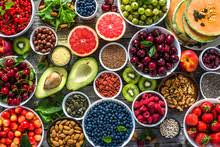
Can you lose weight without exercising? YES! The answer is: NUTRITION!!!
Here’s a truth that most people discover too late: you can’t out-train a bad diet. Exercise is hugely important for your health, strength, and fitness — but when it comes to your body weight, nutrition is the foundation that determines whether your hard work actually shows. Whether your goal is building muscle, losing fat, improving your health, or simply feeling better every day, what you eat matters enormously. (And while you can lose weight through diet alone, exercise brings health benefits that no diet can replace — so the best results come from both.)
This guide covers the fundamentals of nutrition — calories, macronutrients, insulin, and how to fuel your body for the results you want.
Why Nutrition Matters More Than Exercise for Weight
Consider this: an hour of intense exercise burns roughly 300–500 calories. A pound of body fat contains roughly 3,500 calories. That means you’d need somewhere around 7–12 hours of hard training to burn off a single pound of fat through exercise alone — while a single snack can put back hundreds of calories in a few minutes.
That’s why a diet built mostly on sugary, ultra-processed foods makes progress so hard: these foods are easy to overeat, often low in protein and fiber, and not very filling — so it’s easy to eat more calories than you burn, even if you train every day.
You’ll often hear that insulin decides whether those calories turn into fat. Here’s what insulin really does.
Insulin: What It Really Does
Insulin is a hormone produced by your pancreas when you eat — especially after carbohydrates, though protein raises it too. It acts as a traffic controller, moving nutrients from your bloodstream into your cells, and helps refill the glycogen (stored carbohydrate) in your muscles and liver. While insulin is raised after a meal, your body burns less of its stored fat for a while — but between meals and overnight, fat burning picks back up.
Over a full day and week, these ups and downs balance out — and what decides whether you gain or lose fat is your overall calorie balance:
- When you eat more carbohydrates, your body mostly burns more carbohydrate for energy and less fat. Turning carbohydrate directly into body fat is a minor process in humans, except with very large carbohydrate overfeeding.
- When calories and protein are matched, carefully controlled studies have found that low-carb and low-fat diets produce very similar fat loss. A calorie surplus leads to fat gain, and a calorie deficit leads to fat loss, whatever the carb-to-fat split.
Where insulin truly matters is insulin resistance — when your cells stop responding to insulin properly. It’s driven mainly by carrying excess body fat and by inactivity, and it can lead to type 2 diabetes. The good news: regular exercise and losing excess fat are two of the most effective ways to keep insulin working well. Exercise also empties some of your muscle glycogen, which is why carbohydrates eaten after training are put to good use refilling it — supporting your next workout.
Calories and Your Basal Metabolic Rate
Not everyone needs the same number of calories. Your individual calorie requirement starts with your Basal Metabolic Rate (BMR) — the number of calories your body burns in 24 hours just to keep you alive, without any physical activity.
Your BMR is influenced by several factors:
- Muscle mass — muscle is metabolically active tissue, so more muscle means a slightly higher BMR. The effect is smaller than often claimed, though: each kilogram of muscle burns only about 13 calories a day at rest. Resistance training’s biggest benefits lie elsewhere — strength, health, and how your body looks and functions.
- Body size and composition — larger bodies, and bodies with more lean mass, burn more calories
- Age — a large 2021 study found that, once body size is accounted for, metabolism stays remarkably stable from about age 20 to 60, then slowly declines. Much of the “slowing metabolism” people notice in midlife comes from moving less and losing muscle.
- Sex — men typically have higher BMRs, mainly because of greater average body size and muscle mass
Your Total Daily Energy Expenditure (TDEE) is your BMR plus all the calories you burn through activity. A sedentary person might need only slightly more than their BMR. An athlete training twice a day might need double or more. Use our Calorie Calculator to find your personal calorie target.
The Three Macronutrients
All calories (apart from alcohol) come from three macronutrients — protein, carbohydrates, and fat. Each has a distinct role in the body, and each plays a part in health and performance. Understanding what each one does, and where to find it, is the foundation of smart nutrition.
Protein: The Building Block of Muscle
Protein is the most important macronutrient for anyone who trains. It’s a major structural component of every cell in your body — especially muscle tissue — and it’s essential for growth, maintenance, and repair. Training gives your muscles the signal to grow; protein supplies the building blocks they use to do it.
Calories per gram: 4
How Much Protein Do You Need?
The right amount of protein depends on your goals and activity level:
- Sedentary adults — 0.8g per kilogram of body weight per day is the minimum recommended intake
- Recreational exercisers — 1.2–1.6g per kilogram of body weight per day
- Serious strength trainers and bodybuilders — 1.6–2.2g per kilogram of body weight per day
An important note: your body doesn’t store extra protein the way it stores fat and carbohydrate. Protein beyond what your body uses for repair and building is used for energy. For people with healthy kidneys, research hasn’t found that high-protein diets cause harm — but if you have kidney disease, follow your doctor’s advice on protein intake. For most people, the ranges above are both effective and safe.
Amino Acids
During digestion, protein is broken down into amino acids — 20 different building blocks your body uses to construct muscle tissue, enzymes, hormones, and other proteins.
Amino acids are divided into three categories:
- Essential amino acids — can’t be produced by the body and must come from food. There are 9: leucine, isoleucine, valine, histidine, lysine, tryptophan, methionine, phenylalanine, and threonine.
- Non-essential amino acids — produced by the body from other amino acids. There are 4: asparagine, glutamic acid, alanine, and aspartic acid.
- Conditional amino acids — normally non-essential, but they can become essential during illness, injury, or high stress. There are 7: glutamine, arginine, tyrosine, serine, proline, glycine, and cysteine.
For muscle building, leucine is particularly important — it’s the main trigger for muscle protein synthesis, and it’s found in high amounts in animal proteins, whey, and eggs.
Best Protein Sources
Animal proteins (complete proteins — containing all the essential amino acids): Chicken breast, turkey breast, lean beef, pork loin, salmon, tuna, shrimp, mussels, eggs, Greek yogurt, cottage cheese, milk
Plant proteins: Lentils, chickpeas, black beans, quinoa, tofu, tempeh, edamame, hemp seeds. Soy foods (tofu, tempeh, edamame) and quinoa are complete proteins; many other plant proteins are low in one or more essential amino acids, so eating a variety of sources over the day gives you a full amino acid profile.
Carbohydrates: Your Primary Energy Source
Carbohydrates are your body’s preferred fuel — particularly for high-intensity exercise. They’re stored as glycogen in your muscles and liver, and they’re the main energy source for strength training, sprinting, and any activity above moderate intensity.
Calories per gram: 4
Despite the bad reputation carbohydrates have in some diet circles, they’re not inherently fattening. How much you eat matters most for your weight, while the type of carbohydrate makes a big difference to how full you feel, your energy levels, and your overall health.
Simple vs. Complex Carbohydrates
Simple carbohydrates are sugars made up of one or two sugar molecules — they digest quickly and raise your blood sugar and insulin fast.
Simple carbs include glucose, fructose, and galactose (monosaccharides), and sucrose, maltose, and lactose (disaccharides). Added sugars are found in candy, sodas, syrups, cakes, cookies, and fruit juice. Whole fruit contains natural sugars too, but they come packaged with fiber, water, and nutrients, which makes fruit a healthy choice. Refined starches like white bread and white rice are technically complex carbohydrates, but they digest almost as quickly as sugar.
Simple carbohydrates aren’t without purpose — fast-digesting carbs around training can help fuel your workout and refill your glycogen stores quickly afterward. But as a daily staple, foods high in added sugar make it easy to overeat calories while crowding out more nutritious foods.
Complex carbohydrates are made up of longer chains of sugar molecules that take more time to digest — especially in their whole-food, high-fiber forms. They raise blood sugar more gradually, tend to be more filling, and provide steadier energy.
Complex carbs include oats, brown rice, quinoa, sweet potatoes, whole-grain bread, legumes, lentils, chickpeas, and most vegetables.
For everyday nutrition and body composition goals, most of your carbohydrate intake should come from fiber-rich, whole-food sources.
Glycemic Index
The glycemic index (GI) is a scale from 0–100 that measures how quickly a carbohydrate food raises blood sugar compared with pure glucose. Low-GI foods (55 and below) digest slowly; high-GI foods (70 and above) digest quickly and cause rapid rises in blood sugar. GI has its limits — it changes when foods are eaten together in a meal — but basing your diet mainly on lower-GI, fiber-rich carbohydrates, with faster options around training, is a practical way to keep your energy steady and your meals satisfying.
Fat: Essential, Not the Enemy
For decades, fat was demonized as the cause of weight gain and heart disease. The science has since moved on considerably. Dietary fat isn’t just safe in appropriate amounts — it’s essential. You need fat for hormone production, protecting vital organs, temperature regulation, absorbing fat-soluble vitamins (A, D, E, and K), and healthy skin and hair.
Calories per gram: 9 — making fat the most energy-dense macronutrient, which is why portion awareness matters.
The Three Types of Fat
Unsaturated fats — the beneficial fats Unsaturated fats include both monounsaturated and polyunsaturated varieties. Eating them in place of saturated fat improves your blood cholesterol levels and supports heart health. Make unsaturated fats the majority of the fat you eat.
Good sources: olive oil, avocado, nuts, seeds, salmon, mackerel, sardines, flaxseeds, chia seeds. Omega-3 fatty acids — found in fatty fish and, in a less potent plant form, in flaxseeds — are a particularly important subset.
Saturated fats — eat in moderation Saturated fats aren’t poison, but health guidelines recommend keeping them to about 10% or less of your daily calories. Eating too much saturated fat raises LDL (“bad”) cholesterol over time. Sources include red meat, butter, cheese, coconut oil, and palm oil.
Trans fats — avoid Artificial trans fats are the one type of fat that’s genuinely harmful. They raise LDL (“bad”) cholesterol, lower HDL (“good”) cholesterol, and increase the risk of heart disease. They’re made by partially hydrogenating vegetable oils, and they’ve now been banned in the US and strictly limited in the EU — so most modern margarines are free of them. It’s still worth checking labels, especially on older stock or imported baked and fried products: “partially hydrogenated oil” means trans fat.
Water: The Forgotten Nutrient
Water isn’t a macronutrient in the caloric sense, but it deserves a mention as one of the most fundamental nutritional needs of all. Almost every process in your body — including nutrient transport and temperature control — depends on being well hydrated.
Losing around 2% of your body weight through dehydration can noticeably reduce endurance and concentration. The European Food Safety Authority recommends about 2 liters of total water a day for women and 2.5 liters for men — and that includes the water in your food, which provides roughly a fifth of it. You’ll need more when you train or in hot weather.
Practical guideline: Your urine should be pale yellow through most of the day. Dark yellow suggests you need more water. If it’s always completely clear, you may be drinking more than you need.
Micronutrients: Vitamins and Minerals
Beyond macronutrients, your body needs a wide range of micronutrients — vitamins and minerals — that are involved in thousands of processes in your body. They don’t provide calories, but they’re critical for health, energy production, immune function, bone health, muscle function, and recovery.
The most reliable way to get enough micronutrients is to eat a varied, whole-food diet with plenty of vegetables, fruits, protein foods, whole grains, and healthy fats.
Practical Nutrition Guidelines for Fitness Goals
For muscle building (caloric surplus):
Eat 200–500 calories above your TDEE. Prioritize protein at 1.6–2.2g per kg of body weight. Get most of your carbohydrates from whole-food sources, and time a portion of them around your workouts to fuel performance and recovery. Don’t fear fat — eating enough of it supports your overall health, including healthy hormone levels.
For fat loss (caloric deficit):
Eat 300–500 calories below your TDEE. Keep your protein high (1.8–2.2g per kg) to preserve muscle during the deficit — and keep lifting, which is the strongest signal to hold on to muscle. Reduce carbohydrates and fats as needed to reach your calorie target, prioritizing whole-food sources. Keep your fat intake at healthy levels — crash diets that cut out fat entirely are counterproductive for your hormones and for sticking with the diet long term.
For maintenance and general health:
Match your calorie intake to your TDEE. Eat a balanced mix of macronutrients, prioritize whole foods, minimize ultra-processed foods and trans fats, and cover your micronutrient needs through a varied diet.
Key Nutrition Principles to Remember
Calories are the foundation. Whatever your goal, your total calorie intake relative to what you burn determines whether you gain, lose, or maintain weight over time.
Protein is the priority for anyone who trains. It supports muscle building, preserves muscle during fat loss, is the most filling macronutrient, and has the highest thermic effect — your body burns more calories digesting protein than digesting fat or carbohydrates.
Not all carbs are equal. Fiber-rich, whole-food carbohydrates support steady energy, fullness, and long-term health. Added sugars are best kept to small amounts — with fast-digesting carbs most useful around training.
Fat is essential. Cutting fat out of your diet is both unnecessary and counterproductive. Focus on unsaturated fats, keep saturated fat moderate, and avoid trans fats.
Consistency beats perfection. The best diet is the one you can maintain long term. Small, sustainable improvements to your eating habits add up to dramatic results over months and years.
Tools to Put This Into Practice
Use the tools on this site to apply these principles to your own goals:
Calorie Calculator — find your daily calorie target
Macro Calculator — calculate your ideal protein, carb, and fat targets