
Electrolytes are one of those terms you’ve probably seen on sports drink labels and supplement packaging your entire life — but most people couldn’t tell you exactly what they are, why they matter, or whether they actually need to supplement them. The sports nutrition industry has done a remarkable job of making electrolytes sound both essential and mysterious simultaneously.
The reality is straightforward — and genuinely important. Electrolytes are minerals that carry an electrical charge when dissolved in fluid. They regulate virtually every major physiological process in your body — fluid balance, nerve transmission, muscle contraction, blood pressure, and pH regulation. Without them functioning correctly, nothing else works properly — including your training.
This guide covers everything you need to know about electrolytes — what they are, what each one does, how training and sweat affect your electrolyte balance, when you actually need to supplement them, and the best food and supplement sources for each.
What Are Electrolytes?
Electrolytes are minerals that dissolve in water and dissociate into positively charged ions (cations) and negatively charged ions (anions). This electrical charge is what gives them their name — and their function.
The major electrolytes in the human body are:
- Sodium (Na⁺) — the primary electrolyte in fluid outside cells
- Potassium (K⁺) — the primary electrolyte inside cells
- Magnesium (Mg²⁺) — critical for energy production and muscle function
- Calcium (Ca²⁺) — essential for muscle contraction and bone health
- Chloride (Cl⁻) — works with sodium to regulate fluid balance
- Phosphate (PO₄³⁻) — important for energy production (ATP)
- Bicarbonate (HCO₃⁻) — regulates blood pH
Each of these carries an electrical charge that enables the electrochemical processes driving nerve signals, muscle contractions, and fluid movement across cell membranes.
Why Electrolytes Matter: The Core Functions
Fluid Balance
This is electrolytes’ most fundamental role — and the one most directly relevant to athletic performance. The distribution of water throughout your body is controlled by electrolyte concentrations.
Osmosis — the movement of water across cell membranes — is driven by electrolyte concentration gradients. Water moves from areas of lower electrolyte concentration to areas of higher concentration. This is why sodium is so critical for hydration — sodium is the primary determinant of fluid volume outside cells, and sodium concentration directly controls how much water remains in the bloodstream versus moving into tissues.
When electrolyte balance is disrupted — through sweat, illness, or inadequate intake — fluid distribution is affected, blood volume drops, and performance deteriorates rapidly.
Nerve Transmission
Every nerve signal in your body — from the brain signals that initiate muscle contractions to the sensory signals that tell you where your limbs are in space — operates through electrochemical gradients maintained by electrolytes.
The sodium-potassium pump is the primary mechanism — it actively maintains higher sodium concentrations outside cells and higher potassium concentrations inside cells, creating the electrochemical potential that allows nerve cells to fire action potentials. Disruption of this gradient — from electrolyte imbalance — impairs nerve transmission, manifesting as weakness, confusion, numbness, or in severe cases, seizures.
Muscle Contraction
Muscle contraction is initiated by an action potential travelling along a motor neuron — which requires intact sodium-potassium gradients. The contraction itself requires calcium — calcium ions released from the sarcoplasmic reticulum bind to troponin, triggering the actin-myosin interaction that produces force.
Magnesium is equally essential — it regulates calcium release and is required for the ATP hydrolysis that powers each muscle contraction. Without adequate magnesium, muscle contractions become inefficient and cramping is more likely.
pH Regulation
Blood pH must be maintained within a narrow range (7.35–7.45) for enzymes to function correctly. Bicarbonate is the primary buffer that neutralises the acids produced during metabolism — including the hydrogen ions produced during high-intensity exercise.
During intense training, hydrogen ion accumulation causes muscle acidification — contributing to the burning sensation and fatigue that limits performance. Bicarbonate buffering — alongside muscle carnosine (supported by beta-alanine) — is one of the primary mechanisms that resists this acidification.
The Key Electrolytes: Deep Dive
Sodium
Sodium is the most important electrolyte for athletic performance — and the one most significantly affected by sweat losses during training.
Primary functions:
- Regulates fluid volume outside cells and in the bloodstream
- Essential for nerve impulse transmission
- Drives nutrient absorption in the intestines — sodium co-transport is required for glucose and amino acid uptake
- Stimulates thirst — sodium loss reduces the thirst response, contributing to inadequate rehydration after exercise
How much is lost in sweat: Sweat sodium concentration varies significantly between individuals — from approximately 20mmol/L in low sweat-sodium individuals to over 80mmol/L in high sweat-sodium individuals. This variation is genetic and explains why some people are dramatically more affected by sodium losses during exercise than others. People who notice white residue on their skin or clothing after training are typically high sodium sweaters.
Signs of deficiency (hyponatraemia): Nausea, headache, fatigue, muscle weakness, confusion, and in severe cases seizures and coma. Hyponatraemia is most common in endurance athletes who drink large volumes of plain water during prolonged exercise without replacing sodium — diluting blood sodium to dangerous levels.
Best food sources: Table salt, processed foods (though typically over-consumed), olives, pickles, canned foods, cheese, bread.
Daily requirement: Less than 2300mg per day for sedentary adults. Athletes losing significant sodium through sweat may need considerably more on training days.
Potassium
Potassium is the primary intracellular electrolyte — working in close partnership with sodium to maintain the electrochemical gradients that drive nerve and muscle function.
Primary functions:
- Maintains the resting membrane potential of cells
- Regulates heart rhythm — potassium is critical for normal cardiac conduction
- Controls fluid balance inside cells
- Counteracts sodium’s blood pressure-raising effects — high potassium diets are consistently associated with lower blood pressure
How much is lost in sweat: Potassium is lost in sweat but at lower concentrations than sodium — approximately 4–8mmol/L. Losses are meaningful in prolonged exercise but less critical than sodium replacement in most training contexts.
Signs of deficiency (hypokalaemia): Muscle weakness and cramps, fatigue, heart palpitations and arrhythmias, constipation, elevated blood pressure. Most people don’t get enough potassium — it’s one of the most consistently under-consumed nutrients in modern diets.
Best food sources: Sweet potato, avocado, spinach, beet greens, white beans, lentils, salmon, banana, coconut water.
Daily requirement: 2600–3400mg for adults. Most people consume significantly less than this.
Magnesium
Magnesium is involved in over 300 enzymatic reactions — including the ATP synthesis that powers every muscle contraction and the calcium regulation that controls muscle relaxation after contraction.
Primary functions:
- Essential for ATP production — every ATP molecule must be bound to magnesium to be biologically active
- Regulates calcium entry into muscle cells — controls the relaxation phase of muscle contraction
- Supports protein synthesis and DNA repair
- Regulates nervous system function — has a calming effect on the nervous system and supports sleep quality
- Maintains bone mineral density alongside calcium
How much is lost in sweat: Magnesium is lost in sweat at approximately 0.5–1.5mmol/L — less than sodium or potassium in absolute terms, but significant given that magnesium deficiency is already extremely common in the general population. Athletes with high training volumes are at particular risk of inadequate magnesium status.
Signs of deficiency: Muscle cramps and spasms, anxiety and irritability, sleep disturbances, fatigue, headaches, irregular heartbeat. Chronic low-grade magnesium deficiency is one of the most common and most underdiagnosed nutritional issues in training populations.
Best food sources: Dark chocolate, pumpkin seeds, almonds, cashews, spinach, Swiss chard, black beans, avocado, whole grains, banana, salmon.
Daily requirement: 310–420mg for adults. Athletes and people under high stress may need more.
Supplementation: Magnesium glycinate or malate are the most bioavailable and best-tolerated forms. 200–400mg before bed is a popular strategy for improving sleep quality and reducing night cramps.
Calcium
Calcium is the most abundant mineral in the body — and while 99% of it is in bones and teeth, the 1% circulating in blood and soft tissue plays a critical role in muscle function.
Primary functions:
- Initiates muscle contraction — calcium binding to troponin triggers the actin-myosin interaction
- Transmits nerve signals
- Regulates heart rhythm
- Essential for blood clotting
How much is lost in sweat: Calcium is lost in sweat at approximately 0.3–1mmol/L. For most athletes this represents a meaningful daily loss — particularly those doing prolonged high-sweat training sessions multiple times per week.
Signs of deficiency: Muscle cramps and spasms, numbness and tingling, dental problems, and long-term bone loss leading to osteopenia and osteoporosis.
Best food sources: Dairy products (milk, yogurt, cheese), sardines and canned salmon with bones, tofu (calcium-set), dark leafy greens (kale, bok choy), fortified plant milks, almonds.
Daily requirement: 1000–1200mg for adults.
Chloride
Chloride is the primary negatively charged electrolyte in the body — working alongside sodium to maintain fluid balance and electrical neutrality.
Primary functions:
- Maintains fluid balance and pH
- Essential component of hydrochloric acid (stomach acid) — critical for protein digestion and mineral absorption
- Assists nerve transmission alongside sodium and potassium
How much is lost in sweat: Chloride is lost alongside sodium in sweat — the two are tightly coupled since most dietary sodium comes as sodium chloride (table salt). Replacing sodium typically replaces chloride simultaneously.
Best food sources: Table salt (sodium chloride), seaweed, tomatoes, olives, celery.
Daily requirement: 1800–2300mg for adults — met naturally alongside sodium intake from salt.
Electrolytes and Exercise: What Happens During Training
Understanding what happens to your electrolyte balance during training explains why replacing them matters — and when it matters most.
Sweat Composition
Sweat is not just water — it contains meaningful concentrations of electrolytes, primarily sodium and chloride with smaller amounts of potassium, magnesium, and calcium. The exact composition varies significantly between individuals based on genetics, fitness level, and heat acclimatization — but the primary loss in all cases is sodium.
Average sweat rate during moderate-intensity exercise is approximately 0.5–2.0 liters per hour, depending on exercise intensity, ambient temperature, humidity, and individual variation. At high sweat rates the cumulative electrolyte losses over a training session become significant.
The Problem with Drinking Only Water
When you sweat and then replace only the fluid loss with plain water, you dilute the remaining electrolytes in your bloodstream — reducing blood sodium concentration (hyponatraemia) and impairing the mechanisms that drive continued thirst and urination.
This is counterintuitive — drinking water to rehydrate can actually worsen your hydration status if electrolytes aren’t simultaneously replaced. Sodium is particularly important because it:
- Stimulates thirst — maintaining the drive to keep drinking
- Promotes water retention — allowing the body to hold onto the fluid consumed
- Restores blood volume — the primary performance-limiting consequence of dehydration
Plain water rehydration without sodium replacement is therefore less effective than sodium-containing fluid replacement — a fact that explains why sports drinks with sodium content outperform plain water for rehydration after prolonged exercise in research.
Performance Impact of Electrolyte Imbalance
The performance consequences of electrolyte depletion are significant and well-documented:
Dehydration of just 2% of body weight impairs aerobic performance by approximately 10–20%, reduces strength and power output by 3–8%, increases perceived effort significantly, and impairs cognitive function and decision-making.
Sodium depletion reduces blood volume, impairs cardiovascular efficiency, causes muscle cramping in susceptible individuals, and reduces the drive to drink — creating a cycle of worsening dehydration.
Magnesium depletion impairs ATP production and muscle relaxation — contributing to cramps, reduced power output, and slower recovery.
Potassium imbalance disrupts the electrical gradients needed for proper muscle contraction and heart rhythm regulation.
When Do You Actually Need Electrolyte Supplementation?
This is the most important practical question — and the answer depends heavily on training duration, intensity, environmental conditions, and individual sweat rate.
Short Sessions Under 60 Minutes
For training sessions under 60 minutes at moderate intensity in normal temperature conditions, electrolyte losses are typically modest and easily replaced through normal eating. Drinking water before, during (if needed), and after training is sufficient for most people in this category.
Sessions of 60–90 Minutes at High Intensity
Electrolyte losses become more meaningful at this duration and intensity. Adding some sodium to your post-workout nutrition — whether from food or a sports drink — helps restore electrolyte balance and supports complete rehydration. A salty meal or snack after training is often sufficient without requiring specific electrolyte supplements.
Sessions Over 90 Minutes
For prolonged training or competition — long runs, cycling, team sport matches, multi-set high-volume gym sessions in hot conditions — active electrolyte replacement during exercise becomes genuinely important for performance and safety.
A sodium-containing drink during exercise (sports drink, electrolyte tablet dissolved in water, or homemade electrolyte drink) helps maintain blood volume, sustains the thirst drive, and prevents the performance decline associated with progressive electrolyte depletion.
Training in Heat and Humidity
Hot and humid conditions dramatically increase sweat rate and therefore electrolyte losses. Sessions that would produce modest losses in cool conditions can result in significant depletion when temperature and humidity are high. Electrolyte replacement is more important in these conditions regardless of session duration.
High-Frequency Training
Athletes training multiple times per day or on consecutive days with little recovery time may not fully restore electrolyte levels between sessions through food alone — particularly if appetite is suppressed by training fatigue. Targeted electrolyte supplementation supports more complete between-session recovery.
Electrolytes and Specific Training Goals
Electrolytes for Muscle Building
The connection between electrolytes and muscle building is less obvious than for endurance performance — but genuinely meaningful.
Magnesium and protein synthesis: Magnesium is required for the ribosomal function that produces muscle proteins. Inadequate magnesium directly impairs the cellular machinery of muscle building.
Potassium and cell volumisation: Potassium maintains intracellular fluid volume — contributing to the cell swelling that signals anabolic processes within muscle cells. Creatine’s cell volumisation effects work in concert with potassium to create the intracellular environment that supports muscle growth.
Calcium and muscle contraction quality: Adequate calcium ensures proper muscle contraction mechanics — meaning every rep is performed with optimal neuromuscular efficiency.
Sodium and nutrient absorption: Sodium co-transport in the intestines is required for glucose and amino acid absorption. Inadequate sodium impairs the uptake of the carbohydrates and protein that fuel muscle building.
Electrolytes for Fat Loss
During a caloric deficit, electrolyte management deserves specific attention:
Lower carbohydrate intake reduces glycogen — and each gram of glycogen is stored with approximately 3–4g of water alongside sodium and potassium. Reducing carbohydrate intake reduces glycogen stores and simultaneously releases the associated water and electrolytes. This is why people on low-carbohydrate diets experience rapid initial weight loss — predominantly water and glycogen — and why electrolyte needs are higher on low-carb approaches.
Ketogenic diets in particular dramatically increase sodium and potassium excretion in urine — a direct consequence of reduced insulin levels (insulin promotes sodium retention). Many symptoms associated with the “keto flu” — headaches, fatigue, muscle cramps, brain fog — are electrolyte deficiency symptoms rather than metabolic adaptation symptoms. Proactive sodium, potassium, and magnesium supplementation during the initial keto adaptation period significantly reduces these symptoms.
Electrolytes for Endurance Performance
Endurance athletes have the highest electrolyte requirements of any training population — and the most significant consequences from getting it wrong.
Sodium loading before competition: Some endurance athletes deliberately increase sodium intake in the 24 hours before a long event to expand blood plasma volume and begin the race better hydrated. Research supports modest blood volume expansion and improved endurance performance from pre-competition sodium loading.
Hyponatraemia risk in ultra-endurance events: The most dangerous electrolyte situation in sport is exercise-associated hyponatraemia — dangerously low blood sodium — which occurs predominantly in endurance events lasting 4+ hours when athletes drink large volumes of plain water without replacing sodium. Symptoms include nausea, headache, confusion, seizures, and in extreme cases death. This risk is completely preventable through appropriate sodium replacement during prolonged events.
Individual sweat sodium assessment: Elite endurance athletes often have their sweat sodium concentration specifically tested to personalize sodium replacement strategies. Consumer sweat testing services and patches are increasingly available for serious amateur athletes.
Food Sources vs. Electrolytes Supplements
Getting Electrolytes from Food
For most people training at moderate intensity and frequency, a balanced whole-food diet provides sufficient electrolytes without supplementation. The key is ensuring adequate intake of electrolyte-rich foods — particularly the commonly under-consumed ones like potassium and magnesium.
Daily electrolyte-rich meal example:
- Breakfast: Oats with banana, almonds, and milk — providing magnesium, potassium, calcium
- Lunch: Salmon with spinach and sweet potato — providing sodium, potassium, magnesium, calcium
- Dinner: Chicken with lentils and broccoli — providing potassium, magnesium, calcium, phosphorus
- Snacks: Greek yogurt, dark chocolate, avocado — providing calcium, magnesium, potassium
This type of varied whole-food diet covers the majority of electrolyte needs for most recreational athletes.
When Electrolytes Supplements Make Sense
During prolonged exercise — electrolyte tablets or drinks dissolved in water are the most convenient way to replace sodium and other electrolytes during training sessions over 90 minutes or in hot conditions.
On ketogenic or very low carbohydrate diets — the increased urinary excretion of sodium, potassium, and magnesium makes supplementation practical during adaptation.
For high-frequency or high-volume training — when training multiple times per day or in back-to-back high-intensity sessions, supplemental electrolytes support faster and more complete recovery between sessions.
For people with high sweat sodium losses — individuals who are heavy sweaters or high sodium sweaters (identifiable by white residue on skin after training) benefit from more proactive sodium replacement than food alone typically provides during heavy training periods.
Types of Electrolyte Supplements
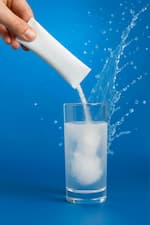
Electrolyte tablets and powders — the most versatile format. Dissolve in water to create a customisable electrolyte drink. Brands like Precision Hydration, LMNT, and Nuun offer products with varying sodium concentrations for different needs. Check the sodium content specifically — many popular electrolyte products contain insufficient sodium to meaningfully address sweat losses.
Sports drinks — traditional sports drinks like Gatorade and Lucozade Sport provide sodium, potassium, and carbohydrates in a convenient ready-to-drink format. Appropriate for prolonged training and competition. Less suitable for short sessions or those watching sugar intake.
Coconut water — a naturally occurring electrolyte drink that provides potassium, magnesium, and some sodium. Good potassium source but relatively low in sodium — not ideal as a primary electrolyte replacement during heavy training without additional sodium.
Electrolyte drops — concentrated liquid electrolyte formulas added to water. Convenient for travel and customizable. Check sodium content as with tablets and powders.
Signs You May Be Electrolyte Deficient
Because electrolyte deficiency develops gradually and its symptoms overlap with many other conditions, it’s often attributed to other causes. Common signs worth being aware of:
Muscle cramps and spasms — particularly during or after training, at night, or in the hands and feet. Sodium, potassium, magnesium, and calcium deficiencies can all contribute to cramping.
Persistent fatigue — disproportionate tiredness that doesn’t resolve with adequate sleep. Magnesium deficiency in particular causes pervasive fatigue through its role in energy production.
Headaches — particularly after training or in hot conditions. Often associated with sodium depletion and consequent reduction in blood volume.
Heart palpitations — irregular or rapid heartbeat. Potassium and magnesium are both critical for cardiac conduction — deficiency can manifest as palpitations.
Reduced performance despite adequate training — if training quality has declined without explanation, electrolyte status is worth evaluating — particularly in hot weather or high-volume training periods.
Poor recovery between sessions — consistently feeling flat or under-recovered despite adequate sleep and nutrition. Magnesium deficiency is one of the most common nutritional contributors to poor recovery in athletes.
Excessive thirst despite drinking — can indicate sodium imbalance affecting the thirst and fluid regulation mechanisms.
Homemade Electrolytes Drink Recipe
Commercial sports drinks work but often contain artificial colors, flavors, and more sugar than necessary. This simple homemade electrolyte drink provides sodium, potassium, and natural carbohydrates without unnecessary additives:
Basic electrolytes drink:
- 500ml water
- ¼ teaspoon salt (approximately 500mg sodium)
- 1 tablespoon honey or maple syrup (carbohydrates for energy)
- Juice of half a lemon or lime (flavor + small potassium contribution)
Enhanced electrolytes drink (for prolonged sessions):
- 750ml water
- ⅓ teaspoon salt (~660mg sodium)
- 2 tablespoons honey
- Juice of 1 lemon
- Small pinch of cream of tartar (potassium bitartrate — approximately 500mg potassium)
These provide the key electrolytes and carbohydrates needed during and after prolonged training at a fraction of the cost of commercial products — and with complete control over ingredients.
Electrolytes and Hydration: Common Myths Debunked
Myth 1: “Drink 8 glasses of water per day”
The 8 glasses rule has no scientific basis — individual hydration needs vary dramatically based on body size, activity level, climate, and diet. A better guideline is monitoring urine color — pale yellow indicates good hydration, dark yellow indicates dehydration. Athletes training hard in warm conditions need far more than 8 glasses; sedentary people in cool climates may need less.
Myth 2: “Sports drinks are necessary for every workout”
For sessions under 60 minutes at moderate intensity, plain water is sufficient for most people. Sports drinks provide meaningful benefit during prolonged exercise (90+ minutes), in heat, or during high-frequency training — not for a standard 45-minute gym session.
Myth 3: “Cramping is always caused by dehydration”
Exercise-associated muscle cramps have multiple causes — electrolyte depletion, neuromuscular fatigue, and altered motor control are all implicated. Dehydration and electrolyte imbalance contribute to cramping but are not the only causes. Addressing technique, progressive training load, and overall electrolyte status is a more complete approach than simply drinking more water.
Myth 4: “Coconut water is the perfect sports drink”
Coconut water is a good natural source of potassium and provides some sodium and magnesium. However its sodium content is relatively low for a hydration drink used during heavy exercise — typically 40–60mg per 100ml compared to 110–180mg in a quality sports drink. It’s a healthy beverage and a useful potassium source, but not an adequate electrolyte replacement for heavy sweat losses without additional sodium.
Myth 5: “More electrolytes is always better”
Electrolyte excess can be just as problematic as deficiency. Excessive sodium intake raises blood pressure and strains the kidneys. Too much potassium (hyperkalaemia) disrupts heart rhythm. Excessive calcium supplementation without adequate magnesium and vitamin K2 can contribute to arterial calcification. The goal is balance — meeting requirements without chronically over-consuming any single electrolyte.
Electrolytes and Other Nutrients
Electrolytes don’t operate in isolation — they work synergistically with vitamins and other nutrients:
Vitamin D and calcium — vitamin D is essential for calcium absorption from the digestive tract. Without adequate vitamin D, calcium intake has limited impact on blood calcium levels or bone density.
Vitamin K2 and calcium — K2 activates proteins that direct calcium into bones and away from arteries. Taking high-dose calcium without adequate K2 may increase cardiovascular risk.
Magnesium and vitamin D — magnesium is required to convert vitamin D into its active form. Many people supplementing vitamin D while deficient in magnesium see limited benefit from the vitamin D supplementation.
Omega-3 and electrolyte balance — EPA and DHA improve cell membrane fluidity, which affects the efficiency of electrolyte transport across membranes and may improve the overall effectiveness of electrolyte management at the cellular level.
Electrolytes – Key Takeaways
Electrolytes are essential minerals — not just a sports drink marketing concept. Sodium, potassium, magnesium, calcium, chloride, phosphate, and bicarbonate each play critical roles in physiology that directly impact training performance and recovery.
Sweat losses matter — particularly sodium, which is lost in the largest amounts and has the most immediate performance consequences when depleted during prolonged exercise.
Food first — for most recreational athletes training at moderate intensity and frequency, a varied whole-food diet provides sufficient electrolytes. Prioritize electrolyte-rich foods before reaching for supplements.
Supplement strategically — during prolonged exercise, in heat, on low-carbohydrate diets, or during high-frequency training periods, electrolyte supplementation provides meaningful performance and recovery support.
Sodium is most critical during exercise — it maintains blood volume, stimulates thirst, and promotes water retention. Plain water alone is insufficient for rehydration after heavy sweating.
Magnesium is most commonly deficient — and its role in energy production, muscle function, and sleep quality makes it one of the most impactful electrolytes to address through food or supplementation.