

Beta-Alanine: The Complete Guide to the Tingling Pre-Workout Ingredient
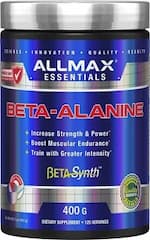
If you’ve ever taken a pre-workout supplement and felt a strange tingling or flushing sensation across your skin — particularly on your face, neck, and hands — you’ve experienced beta-alanine at work. It’s one of the most recognizable pre-workout experiences and one that catches first-time users completely off guard.
But beyond the distinctive tingling, beta-alanine is one of the most evidence-backed performance ingredients available — with a consistent and well-understood mechanism that genuinely improves high-intensity exercise performance when dosed correctly and used consistently. This page covers everything you need to know.
What Is Beta-Alanine?
Beta-alanine is a non-essential amino acid — meaning your body can produce it, though dietary intake and supplementation can significantly increase its availability. Unlike most amino acids, beta-alanine is not used directly to build proteins. Instead its primary role is as a precursor to carnosine — a dipeptide (two amino acids joined together) composed of beta-alanine and histidine that is stored in high concentrations in skeletal muscle tissue.
Carnosine is the compound that actually produces the performance benefits associated with beta-alanine supplementation. Beta-alanine is supplemented rather than carnosine directly because beta-alanine is the rate-limiting precursor — muscle carnosine levels are constrained by beta-alanine availability, not histidine availability. Supplementing beta-alanine effectively raises muscle carnosine levels in a way that supplementing carnosine itself does not (carnosine is broken down before it reaches muscle tissue).
How Beta-Alanine Works: The Carnosine Connection
To understand why beta-alanine improves exercise performance, you need to understand what happens inside your muscles during high-intensity exercise.
During intense exercise — heavy resistance training sets, sprinting, HIIT — your muscles produce energy through anaerobic glycolysis at rates that exceed the capacity of aerobic metabolism. This process generates lactate and hydrogen ions (H⁺) as byproducts. It’s the accumulation of hydrogen ions — not lactate itself as was once believed — that causes the acidification of muscle cells and contributes to the burning sensation and fatigue that forces you to slow down or stop.
Carnosine acts as an intracellular buffer — it directly binds hydrogen ions, reducing the acidification of muscle cells and maintaining a more stable pH during high-intensity exercise. Higher muscle carnosine concentrations mean your muscles can buffer more acid before the pH drop becomes severe enough to impair contractile function and force you to stop.
More carnosine = better acid buffering = more reps, harder sprints, longer sustained high-intensity effort before fatigue.
This is the mechanism — well understood, consistently replicated, and mechanistically sound. Beta-alanine’s performance benefits are not theoretical or speculative. They reflect a clear and measurable biochemical process.
What the Research Shows
The research on beta-alanine is extensive — a 2012 meta-analysis by Hobson et al. examined 15 studies and found significant improvements in exercise capacity from beta-alanine supplementation, particularly for exercise lasting 1–4 minutes. Subsequent research has continued to support and expand these findings.
Exercise Duration Sweet Spot: 1–4 Minutes
Beta-alanine’s benefits are most pronounced for exercise in the 1–4 minute effort range. This is where hydrogen ion accumulation is most significant and where the buffering capacity of carnosine is most relevant:
- Sets of 10–30 reps in resistance training
- 400m–1500m running efforts
- Rowing 500m–2000m
- High-intensity cycling intervals
- Combat sport rounds (typically 3–5 minutes)
- CrossFit and circuit training workouts
Less Relevant for Very Short or Very Long Efforts
Under 60 seconds: Very short maximal efforts — a 1RM attempt, a 100m sprint — are primarily limited by the phosphocreatine energy system rather than acid accumulation. Creatine is the more relevant supplement for this effort range.
Over 10 minutes: Prolonged endurance exercise is primarily limited by cardiovascular capacity, glycogen availability, and central fatigue — not intramuscular acid accumulation. Caffeine and nutrition strategies are more relevant for this effort range.
Beta-alanine fills a specific performance gap between creatine (0–60 seconds) and caffeine/endurance nutrition (10+ minutes) — covering the 1–4 minute effort range where acid buffering is the primary performance limiter.
Resistance Training Volume
Research in resistance training contexts has found consistent improvements in training volume — the total number of reps completed — with beta-alanine supplementation. Studies have shown 10–20% greater rep volume on sets taken close to failure, particularly in the later sets of a training session when local muscular fatigue is highest.
This training volume benefit has meaningful long-term implications — more total volume over weeks and months of training creates a greater cumulative muscle-building stimulus.
Muscle Mass and Strength Over Time
Several longer-term studies have found that beta-alanine supplementation combined with resistance training produces greater lean mass gains and strength improvements than training alone — likely reflecting the cumulative effect of consistently higher training volumes enabled by beta-alanine’s fatigue-buffering properties.
The Tingling: What Is It and Is It Harmful?
The tingling or flushing sensation caused by beta-alanine is called paraesthesia — an abnormal skin sensation caused by beta-alanine binding to sensory nerve receptors (specifically Mas-related G protein-coupled receptors, MrgD) in the skin.
What It Feels Like
The sensation typically begins 15–20 minutes after consuming beta-alanine and lasts 60–90 minutes. It’s most pronounced in:
- The face — particularly the cheeks and forehead
- The neck and upper chest
- The backs of the hands
- Sometimes the ears
It ranges from a mild warm flush to a more intense prickling or pins-and-needles sensation depending on dose and individual sensitivity.
Is It Harmful?
No — paraesthesia from beta-alanine is completely harmless. It’s a peripheral sensory nerve phenomenon with no adverse effects on cardiovascular function, organ health, or any other physiological system. Multiple safety studies have found no adverse health effects from beta-alanine supplementation at recommended doses.
Does the Tingling Mean It’s Working?
Not necessarily — paraesthesia is a direct response to the acute dose of beta-alanine, while the performance benefits come from chronically elevated muscle carnosine levels built up over weeks of supplementation. The tingling and the performance benefits are caused by different mechanisms.
As muscle carnosine levels build up with consistent supplementation, the tingling typically diminishes — not because beta-alanine is no longer working, but because the sensory nerve receptors adapt to its presence.
How to Reduce the Tingling
If you find the tingling uncomfortable there are several effective strategies:
Take beta-alanine with food — slowing gastric emptying reduces the peak blood concentration of beta-alanine and reduces the intensity of the tingling.
Split the daily dose — taking 1.6g twice daily rather than 3.2g at once produces the same carnosine elevation over time with less intense individual paraesthesia episodes.
Use sustained-release beta-alanine — slow-release formulations extend the absorption time of each dose, reducing peak blood concentration and significantly blunting the tingling while maintaining the same efficacy for carnosine elevation.
Simply wait it out — most regular beta-alanine users find the tingling becomes progressively less intense and less noticeable as weeks of supplementation continue and the sensory nerve receptors adapt.
Dosing and Loading
Daily Dose
3.2–6.4g per day is the evidence-supported effective dose range for raising muscle carnosine levels. The majority of research has used 3.2–6.4g daily — with 3.2g being the minimum effective dose and 6.4g producing faster carnosine elevation.
For most people 3.2–4.8g per day is a practical and effective dose that balances carnosine elevation rate with manageable paraesthesia.
The Critical Point: Beta-Alanine Works Cumulatively
This is the most important thing to understand about beta-alanine — and the fact that most pre-workout users miss entirely.
Beta-alanine’s performance benefits come from chronically elevated muscle carnosine levels, not from the acute dose taken before a specific workout. Muscle carnosine elevation requires 4–8 weeks of consistent daily supplementation to reach levels that produce meaningful performance benefits.
What this means in practice:
- Taking beta-alanine only on training days is significantly less effective than taking it every day
- A pre-workout containing beta-alanine does not produce immediate beta-alanine performance benefits on the day you first take it
- The tingling you feel is real — the carnosine elevation that produces performance benefits takes weeks to develop
- Skipping days of supplementation slows carnosine elevation and delays the performance benefits
Beta-alanine should be treated as a daily supplement — like creatine — rather than a pre-workout ingredient taken only on training days.
Time to Full Effect
Muscle carnosine levels increase progressively with consistent supplementation:
- After 2 weeks: Approximately 20–30% increase in muscle carnosine
- After 4 weeks: Approximately 40–60% increase
- After 8–12 weeks: Approximately 60–80% increase — near the plateau of elevation achievable with supplementation
Most people notice meaningful improvements in rep performance and fatigue resistance after 4–6 weeks of consistent daily supplementation.
Carnosine Maintenance After Stopping
When beta-alanine supplementation stops, muscle carnosine levels decline gradually — returning to baseline over approximately 6–15 weeks. This slow decline means occasional gaps in supplementation have less impact than equivalent gaps in creatine use.
Beta-Alanine and Creatine: A Complementary Pair
Beta-alanine and creatine are among the most complementary supplements available — they work through completely different mechanisms that cover adjacent performance domains:
Creatine enhances the phosphocreatine energy system — improving performance in very short, maximal efforts (0–60 seconds) by enabling faster ATP regeneration.
Beta-alanine enhances acid buffering — improving performance in efforts of 1–4 minutes by allowing muscles to sustain higher intensity before hydrogen ion accumulation becomes limiting.
Together they cover the full spectrum of high-intensity exercise from a few seconds to several minutes — with minimal overlap and no negative interaction. Research directly examining the combination of creatine and beta-alanine has found additive benefits for body composition and performance compared to either supplement alone.
Beta-Alanine in Pre-Workout Products: What to Look For
Many pre-workout products contain beta-alanine — but the dose is frequently inadequate. Here’s what to check:
Minimum effective dose per serving: 3.2g of beta-alanine is the minimum daily dose for meaningful carnosine elevation. Many pre-workout products contain 1.5–2.5g per serving — sufficient to cause tingling but insufficient to produce meaningful carnosine elevation when taken only on training days.
The solution: If your pre-workout contains less than 3.2g of beta-alanine per serving, supplement with additional standalone beta-alanine to reach the effective daily dose. Take it every day — not just on training days.
Sustained-release formulations: Some standalone beta-alanine supplements use sustained-release technology that spreads absorption over several hours, significantly reducing the tingling while maintaining the same carnosine elevation efficacy. Worth considering if paraesthesia is a significant concern.
Who Benefits Most from Beta-Alanine?
Athletes in the 1–4 Minute Effort Range
The most direct beneficiaries are athletes whose sports regularly involve efforts in the 1–4 minute range:
- Combat sports athletes (MMA, boxing, wrestling) — round durations typically 3–5 minutes
- Rowers — 2000m races are approximately 6–7 minutes for elite athletes, with high-intensity training intervals often in the 1–4 minute range
- Swimmers — 100–400m events
- Middle-distance runners — 400m–1500m
- CrossFit and HIIT athletes — workouts characterised by repeated high-intensity efforts
Resistance Trainers
Beta-alanine benefits resistance trainers working in moderate-to-high rep ranges where sets last 30–90 seconds and local muscular fatigue is a primary performance limiter. The rep volume improvements from better acid buffering accumulate into meaningfully greater training stimulus over weeks and months.
Vegetarians and Vegans
Carnosine is found exclusively in animal products — meat and fish are the primary dietary sources. Vegetarians and vegans have significantly lower baseline muscle carnosine levels than omnivores, meaning they have more room to fill from supplementation and typically experience more dramatic improvements in performance from beta-alanine.
Older Adults
Muscle carnosine levels decline with age — older adults typically have lower baseline carnosine concentrations than younger people. Beta-alanine supplementation helps restore carnosine levels and has been shown to improve high-intensity exercise capacity in older adults — a population where maintaining the ability to perform high-intensity exercise has significant health implications.
Common Questions About Beta-Alanine
Does beta-alanine work immediately? The tingling works immediately — it begins within 15–20 minutes of your first dose. The performance benefits do not — they require 4–8 weeks of consistent daily supplementation to develop as muscle carnosine levels build up.
Should I take beta-alanine every day or only before training? Every day. Beta-alanine’s benefits come from chronically elevated muscle carnosine — not from acute pre-workout dosing. Daily supplementation at 3.2–6.4g regardless of training schedule is the correct approach.
Is beta-alanine safe for long-term use? Yes — multiple safety studies including long-term supplementation trials have found no adverse health effects from beta-alanine supplementation at recommended doses in healthy individuals.
Can I take beta-alanine with creatine? Yes — and you should. They complement each other perfectly without interaction. Taking both daily is one of the most evidence-backed two-supplement performance stacks available.
Why does the tingling get less intense over time? Two reasons — sensory nerve receptor adaptation reduces the acute response, and as muscle carnosine levels build up and approach saturation, beta-alanine accumulates less rapidly in the blood after each dose, reducing peak concentrations and therefore reducing the intensity of the paraesthesia.
Related Pages
- Citrulline — the pump ingredient that complements beta-alanine
- Best Pre-Workout Supplements — products with effective beta-alanine doses reviewed
- Muscle Building Techniques — advanced training methods to maximize the benefits