

Chromium
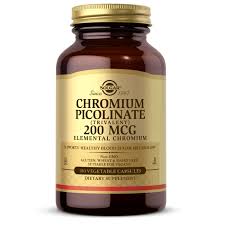
Table of Contents
Chromium is a trace mineral needed — if at all — in very small amounts: micrograms, not milligrams. Its proposed role centers on insulin signalling and carbohydrate metabolism. It’s found in food at consistently low levels, and it’s widely sold as a supplement with claims that outpace the evidence behind them. In fact, chromium is the most debated mineral in nutrition science: in 2001, US experts classed it as essential, but newer research has questioned whether the body truly needs it at all. Understanding chromium means separating a plausible mechanism from a body of mixed clinical research.
Key Mechanisms
Chromodulin and insulin action: chromium might help insulin work more effectively, though the exact mechanism hasn’t been identified. The leading proposal involves a small chromium-binding molecule called chromodulin (also known as low-molecular-weight chromium-binding substance). In this model, when insulin binds to its receptor on a cell, chromium moves into the cell and binds to chromodulin, which then attaches to the insulin receptor and amplifies its signal. Chromium wouldn’t regulate blood sugar directly — it would make insulin’s signal stronger. In the blood, chromium travels mainly bound to transferrin, the same protein that carries iron, and it’s excreted mainly in urine.
Is chromium essential? In 2001, the US National Academies classed chromium as an essential nutrient, based on its apparent effects on insulin. Since then, the evidence has weakened. Researchers — including some who spent decades studying chromium — have argued that it isn’t essential, because no clear deficiency disease has been shown that chromium can reverse. Chromium may still have drug-like effects at doses in the hundreds of micrograms, which is a different question. In 2014, the European Food Safety Authority concluded that there’s no convincing evidence that chromium is essential, and decided that setting intake recommendations would be inappropriate. The US recommendations haven’t been re-evaluated since 2001.
Trivalent vs hexavalent chromium — an important distinction: trivalent chromium (Cr³⁺) is the form found in food and supplements, and the form this page covers. Hexavalent chromium (Cr⁶⁺) is a chemically distinct industrial form — a toxic by-product of stainless steel production and other manufacturing, and a known carcinogen that has contaminated drinking water in some places (made widely known through contaminated water cases in the United States). They’re different substances with very different health profiles. Discussions of chromium “causing cancer” refer to hexavalent chromium, not the trivalent chromium in food and supplements.
AI (Adequate Intake)
Chromium has Adequate Intake values in the US rather than RDAs. They weren’t based on proven requirements, but on the amounts healthy people typically ate in 2001.
| Age | Males | Females |
|---|---|---|
| 0-6 months | 0.2µg | 0.2µg |
| 7-12 months | 5.5µg | 5.5µg |
| 1-3 | 11µg | 11µg |
| 4-8 | 15µg | 15µg |
| 9-13 | 25µg | 21µg |
| 14-18 | 35µg | 24µg |
| 19-50 | 35µg | 25µg |
| 51+ | 30µg | 20µg |
| Pregnant (14-18) | — | 29µg |
| Pregnant (19-50) | — | 30µg |
| Breastfeeding (14-18) | — | 44µg |
| Breastfeeding (19-50) | — | 45µg |
Source: US National Academies, via the NIH Office of Dietary Supplements. The daily value used on US food labels is 35µg. The European Food Safety Authority has set no intake recommendation for chromium.
ODA (Optimal Daily Allowance)
There’s no target worth aiming for beyond a normal, varied diet. Small studies suggest typical diets provide roughly the AI — in the US, around 29µg a day for women and 54µg for men, and in a study in northern Italy, about 57µg a day. Chromium deficiency has never been reported in healthy people, and with its essentiality now in doubt, there’s no reason for healthy people to take chromium supplements. If you have type 2 diabetes and are interested in chromium, talk to your doctor first — the benefits are small and uncertain, and it can add to the effects of diabetes medicines.
Found In
Chromium is one of the hardest minerals to measure in food. Samples are easily contaminated by the tools used to analyze them, and amounts vary widely with local soil and water, farming, and processing — chromium in oatmeal samples, for example, has been found to vary 50-fold. USDA food databases don’t list chromium, so the values below, from the NIH, are only a rough guide:
| Food | Chromium (per serving) | % Daily Value |
|---|---|---|
| Grape juice, 1 cup | 7.5µg | 21% |
| Ham, 3oz (85g) | 3.6µg | 10% |
| English muffin, whole wheat, 1 | 3.6µg | 10% |
| Brewer’s yeast, 1 tablespoon | 3.3µg | 9% |
| Orange juice, 1 cup | 2.2µg | 6% |
| Beef, 3oz (85g) | 2.0µg | 6% |
| Lettuce, 1 wedge (about 5oz) | 1.8µg | 5% |
| Turkey breast, 3oz (85g) | 1.7µg | 5% |
| Tomato juice, 1 cup | 1.5µg | 4% |
| Apple, with peel, 1 medium | 1.4µg | 4% |
| Green beans, ½ cup | 1.1µg | 3% |
| Banana, 1 medium | 1.0µg | 3% |
| Whole wheat bread, 1 slice | 1.0µg | 3% |
| Tomato, 1 medium | 0.9µg | 3% |
| Peanut butter, 1 tablespoon | 0.6µg | 2% |
| Haddock, 3oz (85g) | 0.6µg | 2% |
| Chicken breast, 3oz (85g) | 0.5µg | 1% |
| Egg, 1 medium | 0.2µg | 1% |
| Milk, fat-free, 1 cup | <0.1µg | 0% |
Source: NIH Office of Dietary Supplements. Chromium values are less reliable than for other minerals — treat them as indicative rather than precise.
Chromium is spread thinly across meats, whole grains, fruits, vegetables, nuts, spices, brewer’s yeast, beer, and wine, and broccoli is often listed as a good source. Most dairy products and sugary foods contain very little. Only a tiny fraction of the chromium in food is absorbed — roughly 0.4–2.5%.
One underappreciated source: small amounts of chromium transfer into food from stainless steel processing equipment and cookware, especially when acidic foods such as tomato sauces are cooked for a long time — a minor but real contribution.
Helps With
Chromium’s possible effects come mainly from supplement trials, usually at doses of 200–1,000µg a day — far more than food provides. The evidence is mixed, and the effects are generally small:
- Insulin action: chromium may enhance the effects of insulin, though the mechanism isn’t established.
- Blood sugar in type 2 diabetes: a 2019 review of eight meta-analyses, covering 58 trials, found that chromium slightly lowered fasting blood sugar and HbA1c in people with diabetes, but the clinical significance is unclear. Supplements don’t improve blood sugar in healthy people, and the American Diabetes Association says the evidence is insufficient to recommend them.
- Body weight: a 2019 meta-analysis of 21 trials in people with overweight or obesity found that chromium led to 0.75kg more weight loss than placebo over 9–24 weeks. A Cochrane review described the effect as of “debatable clinical relevance.”
- Cholesterol and blood fats: meta-analyses in people with diabetes found no change in total or LDL cholesterol, though some found small increases in HDL and decreases in triglycerides.
- Appetite and cravings: preliminary research suggests chromium might reduce food intake, hunger, and fat cravings, but the studies are small.
- Polycystic ovary syndrome (PCOS): trials have mixed results, with some showing small changes in body weight and insulin measures of uncertain clinical value.
For Athletes and Active People
Chromium was one of the most aggressively marketed minerals in fitness circles, particularly in the 1990s and early 2000s. The claims — more muscle, faster fat loss, better glycogen replenishment — exceeded the evidence then and still do now.
What the evidence shows: studies have found that exercise increases the amount of chromium lost in urine, and diets high in simple sugars do the same. But there’s no evidence that athletes need more chromium or that their performance suffers without supplements — and with no validated way to measure chromium status, “athlete chromium deficiency” can’t be diagnosed.
What the evidence doesn’t support: chromium for body composition. Trials combining chromium with resistance training haven’t found meaningful gains in muscle or strength, and the weight-loss effect in meta-analyses is less than 1kg. The glycogen and anabolic claims aren’t supported.
Practical position: athletes eating a varied diet with whole grains, vegetables, fruit, and protein foods don’t need to think about chromium. If blood sugar control is the goal, training, diet quality, and body composition matter far more than any chromium supplement.
Insufficient Doses
Chromium deficiency has never been reported in healthy people, and no definite deficiency symptoms have been established. No groups of people are known to be at risk.
The IV-feeding cases: the main evidence once cited for chromium deficiency comes from three case reports from the 1970s and 1980s, in which patients on long-term intravenous nutrition developed high blood sugar, glucose intolerance, unexplained weight loss, nerve damage, and confusion — problems that improved with large doses of chromium. But these studies didn’t properly measure how much chromium the IV solutions contained, and later reviews concluded that they don’t show the patients were chromium deficient. IV nutrition now routinely provides 10–15µg of chromium a day — far more than the roughly 0.15µg a day that healthy people absorb from food — and experts have called for research into whether this amount should be lowered.
The measurement challenge: there’s no validated test for chromium status. Urine levels reflect recent intake rather than body stores, and blood tests don’t meaningfully assess chromium. This is a major reason why chromium research is messier than research on other minerals.
Excessive Doses
There’s no Tolerable Upper Intake Level (UL) for trivalent chromium: the US National Academies found no adverse effects linked to high intakes from food or supplements. However, they noted that the data are limited, that caution may be warranted, and that people with kidney or liver disease may be more vulnerable to high intakes.
Isolated case reports have linked chromium supplements with:
- Kidney failure and liver problems
- Anemia and low platelet counts
- Muscle breakdown (rhabdomyolysis)
- Skin reactions (dermatitis)
- Weight loss and low blood sugar (hypoglycemia)
The DNA question: laboratory studies have suggested that chromium picolinate might damage DNA at high concentrations. The European Food Safety Authority considered this evidence and concluded that chromium picolinate is not a safety concern as long as total supplemental chromium doesn’t exceed 250µg a day — the limit set by the World Health Organization.
The bottom line on safety: chromium from food is safe. If you take supplements, keep total supplemental chromium at or below 250µg a day unless a doctor advises otherwise. Some standalone products contain 500–1,000µg per dose — more than you need.
Different Types
Most multivitamins contain chromium, typically 35–120µg. Standalone chromium supplements usually provide 200–500µg, and some up to 1,000µg. Supplement labels list the amount of elemental chromium, not the weight of the whole compound — chromium makes up only 12.4% of chromium picolinate by weight, for example.
- Chromium Picolinate — chromium bound to picolinic acid; the most widely sold and most studied form, and the subject of past safety debates (see above). Assessed by the European Food Safety Authority as safe at up to 250µg a day.
- Chromium Nicotinate / Polynicotinate — chromium bound to niacin; marketed as better absorbed or safer than picolinate, but without good evidence.
- Chromium Histidinate — chromium bound to the amino acid histidine; used in some studies and less widely available.
- Chromium Chloride — a simple inorganic form, used in some research and supplements.
- Chromium-Enriched Yeast — yeast grown in a chromium-rich medium, used in some trials. Ordinary brewer’s yeast contains only small amounts — about 3µg per tablespoon — and also provides B vitamins, zinc, and selenium.
Despite marketing claims, absorption is similar across forms and low for all of them: about 1.2% from chromium picolinate and 0.4% from chromium chloride, similar to the absorption from food.
Which form for your goal:
| Goal | Best approach |
|---|---|
| General health | No supplement needed — a varied diet is enough |
| Already taking a multivitamin | It likely contains chromium already — no need for more |
| Trying chromium for type 2 diabetes | Chromium picolinate (the most studied), only with your doctor’s agreement |
| Safety ceiling | Keep total supplemental chromium at or below 250µg a day |
How to Take It
For most people, the answer is not to take it specifically. If you do take a chromium supplement, keep total supplemental chromium at or below 250µg a day, and take it with a meal if you prefer. Vitamin C and aspirin increase chromium absorption, while antacids reduce it — though with absorption this low to begin with, timing matters little.
If you take insulin or other diabetes medicines, talk to your doctor before taking chromium, and monitor your blood sugar, since chromium may add to their effects and raise the risk of low blood sugar. If you take levothyroxine for an underactive thyroid, don’t take chromium at the same time — keep them several hours apart, and ask your pharmacist about timing. People with kidney or liver disease should avoid chromium supplements unless their doctor advises them.
Be realistic about expectations: even in people with diabetes, chromium’s effects are small and inconsistent, and in healthy people, supplements are unlikely to make any noticeable difference. If blood sugar control is the goal, diet quality — fewer refined carbohydrates and sugary drinks, more fiber — along with regular exercise and a healthy body weight, will make a far bigger difference.
Interactions
Chromium may increase insulin sensitivity, so taking it with insulin could increase the risk of low blood sugar, and it may have an additive effect with metformin and other diabetes medicines. In a small study, taking chromium picolinate at the same time as levothyroxine reduced levothyroxine absorption. Antacids reduce chromium absorption, while vitamin C and prostaglandin inhibitors, such as aspirin, increase it. Diets high in simple sugars increase the amount of chromium lost in urine.
Synergy
- May work with insulin — in the proposed chromodulin model, chromium amplifies insulin’s signal at the receptor.
- Vitamin C increases chromium absorption.
- Some blood sugar supplements combine chromium with biotin (vitamin B7), though the evidence for this combination is limited — and high-dose biotin can interfere with blood tests, including thyroid tests.
Antagonistic Interactions
- Antacids reduce chromium absorption.
- Oxalate, found in foods such as spinach, rhubarb, and nuts, reduces chromium absorption.
- Diets high in simple sugars increase chromium losses in urine.
Food values from the NIH Office of Dietary Supplements (USDA food databases don’t list chromium). Adequate Intakes from the US National Academies, via the NIH Office of Dietary Supplements. % Daily Values use the FDA’s Daily Value of 35µg. Safety limit for supplemental chromium from the European Food Safety Authority’s 2010 assessment of chromium picolinate.