

Leucine – BCAA
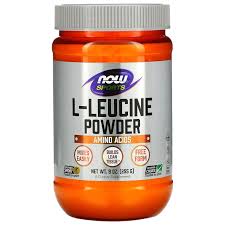
Table of Contents
Leucine is an essential branched-chain amino acid (BCAA) and the most powerful amino acid signal for building muscle. The body can’t make it, so it must come from food — but its importance goes far beyond being a building block for protein. Leucine is the main nutrient trigger for muscle protein synthesis: it activates mTORC1 — the master regulator of cell growth — more strongly than any other amino acid. In practice, a meal’s leucine content helps determine how strongly it switches on muscle building, while total protein and the other essential amino acids determine how much muscle can actually be built from that signal. That’s why leucine sits at the center of discussions about protein quality, sports nutrition, and muscle loss with ageing.
Classification
- Type: Essential amino acid (EAA) — can’t be made by the body; must come from the diet
- Category: Branched-chain amino acid (BCAA) — along with isoleucine and valine
- Metabolism: Strictly ketogenic — leucine is broken down into acetyl-CoA and acetoacetate (a ketone body), never into glucose. Leucine and lysine are the only amino acids that can’t be used to make glucose.
- Abundance in protein: Leucine is the most abundant BCAA in food protein. In USDA data, most food proteins are about 7–10% leucine, with dairy proteins at the top of that range.
Key Mechanisms
mTORC1 activation — the main anabolic signal:
Inside muscle cells, leucine is detected by sensor proteins, including sestrin2. When leucine binds, it releases a brake on a signalling chain (the GATOR1/GATOR2/Rag GTPase pathway) that activates mTOR complex 1 (mTORC1). mTORC1 is the master regulator of muscle protein synthesis (MPS): it combines signals from amino acids, insulin, and mechanical load (exercise) to decide whether the cell should build new protein or conserve resources.
Once activated, mTORC1 switches on two key downstream targets:
- S6 kinase 1 (S6K1): promotes protein translation and the production of ribosomes — increasing the cell’s protein-building capacity
- 4E-binding protein 1 (4E-BP1): when switched off by mTORC1, it releases eIF4E, allowing the cell to start translating messenger RNA into new proteins
The result: leucine turns on the cellular machinery for building new muscle protein. No other dietary amino acid does this as strongly.
The leucine threshold:
Studies of single protein doses suggest there’s a “leucine threshold” for maximizing the short-term MPS response to a meal. In young adults, about 20–25g of high-quality protein — roughly 2g of leucine — maximizes that response at rest or after typical training; older adults need more (see below). Below this amount, the response is smaller. This is why protein quality matters, not just quantity: 30g of wheat protein (about 7% leucine) provides around 2.1g of leucine, while 25g of whey protein (about 10–12% leucine) provides around 2.5–3g.
The threshold isn’t a hard ceiling on muscle building, though. A 2023 study found that eating 100g of protein after exercise produced a larger response than 25g, which lasted throughout the 12 hours measured, rather than plateauing after a few hours. Larger protein meals are digested over a longer period, so the extra protein isn’t simply “wasted.”
Insulin stimulation:
Leucine, like some other amino acids, stimulates insulin release from the pancreas even without carbohydrate. Leucine is metabolized inside the pancreatic beta cells — it also activates an enzyme called glutamate dehydrogenase — raising their ATP levels. This closes potassium channels, triggering calcium-driven insulin release. In muscle, insulin’s main role is permissive: it mainly reduces muscle protein breakdown, and once enough protein has been eaten, extra insulin (for example, from added carbohydrate) doesn’t further increase muscle protein synthesis.
Reducing muscle protein breakdown:
Activated mTORC1 dampens autophagy, one of the cell’s protein-recycling pathways, and the insulin released after a protein-rich meal reduces muscle protein breakdown. So a leucine-rich meal shifts the net balance between building and breaking down muscle protein from both sides — though the effect on synthesis is the larger one.
Recommended Intake
Leucine doesn’t have a daily value like vitamins and minerals do. The World Health Organization estimates the adult requirement at 39mg per kg of body weight per day — about 2.7g a day for a 70kg person — and the US recommendation (RDA) is 42mg per kg, about 2.9g. These amounts cover basic needs but aren’t designed to maximize muscle building, and anyone eating enough protein easily exceeds them.
Performance-oriented targets per meal:
| Goal | Leucine per meal | Protein per meal |
|---|---|---|
| Maximizing MPS (young adults) | ~2g | ~0.25–0.3g per kg body weight (about 20–25g of high-quality protein) |
| Older adults (anabolic resistance) | ~2.5–3g or more | ~0.4g per kg body weight (about 30–40g) |
| After resistance training | ~2–3g | As above, within a few hours of training |
| Plant-based meals | ~2–3g | Larger servings (about 30–40g of plant protein) or a mix of sources |
Total daily protein matters most. For people who train, 1.6g of protein per kg of body weight per day captures most of the muscle-building benefit, with up to about 2.2g per kg for those wanting to maximize it. At these intakes, a 70–80kg person gets roughly 9–14g of leucine a day — far above the basic requirement — and the per-meal targets above are a way of spreading that intake usefully across the day.
Found In (per 100g)
| Food | Leucine | Leucine (% of protein) |
|---|---|---|
| Parmesan cheese (hard) | 3.45g | 9.7% |
| Turkey breast (roasted) | 2.44g | 8.3% |
| Cheddar cheese* | 2.43g | 10.0% |
| Pumpkin seeds* | 2.42g | 8.0% |
| Chicken breast (roasted) | 2.33g | 7.5% |
| Pork chop (broiled) | 2.27g | 8.5% |
| Beef (ground, 80% lean, cooked) | 2.01g | 7.8% |
| Sardines (canned in oil) | 2.00g | 8.1% |
| Salmon (Atlantic, farmed, cooked) | 1.80g | 8.1% |
| Peanuts (raw)* | 1.67g | 6.5% |
| Tuna (light, canned in water)* | 1.51g | 7.8% |
| Tofu (firm) | 1.39g | 8.1% |
| Egg (hard-boiled) | 1.08g | 8.5% |
| Cottage cheese (low-fat)* | 1.05g | 10.0% |
| Black beans (cooked) | 0.71g | 8.0% |
| Lentils (cooked) | 0.65g | 7.3% |
| White rice (cooked) | 0.22g | 8.3% |
The second column shows something that’s often missed: the leucine share of protein varies less than many people assume. Most meat, fish, eggs, soy, beans, and grains fall between about 7% and 9%, while dairy proteins (about 10%) and whey protein — typically around 10–12% leucine — stand out at the top. Whey protein’s high leucine content is one reason it performs so well in short-term muscle protein synthesis studies. A typical scoop of whey protein (20–25g of protein) provides roughly 2–3g of leucine.
What makes the bigger difference in practice is how much protein a food contains and how well it’s digested. 100g of roasted chicken breast provides about 2.3g of leucine, while reaching the same amount takes about 170g of tofu (roughly 1.7 times as much) or around 350g of cooked lentils. Three eggs provide about 1.6g, and a cup of milk about 0.7g. Plant proteins are also usually less digestible and lower in some other essential amino acids, such as lysine or methionine — which is why plant-based eaters benefit from slightly larger protein servings and a mix of sources (see How to Take Leucine).
Helps With
- Triggering muscle protein synthesis via mTORC1 activation — the main nutritional anabolic signal
- Reducing muscle protein breakdown, mainly through the insulin released after protein-rich meals
- Stimulating insulin release, which helps the body handle the nutrients in a meal
- Signalling protein quality — the leucine content of a meal is one of the main factors in how strongly it stimulates muscle building
- Helping preserve muscle during illness, injury, ageing, or calorie restriction, as part of adequate total protein
- Wound healing, tissue repair, and immune function, as part of the protein these processes depend on
- Brain function — leucine crosses the blood-brain barrier via the LAT1 transporter and is involved in making the neurotransmitter glutamate
Leucine for Athletes and Active People
Leucine is arguably the most performance-relevant amino acid for anyone whose goals involve building or maintaining muscle — but the practical takeaway is mostly about eating enough good-quality protein, rather than about leucine itself.
Training and leucine work together: resistance training activates mTORC1 through mechanical signals, and leucine from protein activates it through nutrient signals. The two combine to produce a stronger muscle-building response than either alone, and training makes muscle more sensitive to protein for at least 24 hours. Eating protein in the hours after training is sensible, but the “anabolic window” is far wider than the old idea of 30–60 minutes, and total daily protein matters more than precise timing.
Protein quality through a leucine lens: leucine content is one key factor in how strongly a protein stimulates MPS — but digestion speed and the full essential amino acid profile matter too. In one study, soy produced a larger response than casein after exercise, despite similar leucine content, because it’s digested faster; whey, which is both fast-digesting and high in leucine, outperformed both. For a broadly representative comparison, these are the leucine shares of protein in common sources:
- Whey protein: about 10–12% — the highest of common protein sources
- Milk, cottage cheese, and cheddar: about 9.5–10% (milk protein is about 80% casein)
- Eggs, pork, and turkey: about 8.3–8.5%
- Salmon, sardines, tofu, and black beans: about 8.0–8.1%
- Beef, tuna, and soy protein isolate: about 7.7–7.8%
- Chicken breast, lentils, and wheat protein: about 7–7.5%
- Peanuts: about 6.5%
Some athletes add 2–3g of leucine to plant-protein meals to “leucine-enrich” them, which can boost the short-term response. But simply eating enough protein works too: in a 2021 study, people training on a vegan diet built as much muscle and strength over 12 weeks as those on a mixed diet, when both ate 1.6g of protein per kg a day.
Leucine and protein distribution: in short-term studies, spreading protein evenly across meals — for example, 3–4 meals each containing at least 0.3–0.4g per kg — stimulated more muscle protein synthesis over a day than the same total protein skewed into one large meal. Long-term studies of muscle growth are less consistent, so even distribution is a sensible strategy rather than a requirement. Total daily protein remains the most important factor.
Anabolic resistance in older adults: with age, muscle becomes less responsive to protein’s anabolic signal — a phenomenon called anabolic resistance. Older adults need roughly 0.4g of protein per kg per meal (about 30–40g of high-quality protein, providing about 2.5–3g of leucine or more) to get the response younger adults get from about 20–25g. Anabolic resistance — together with inactivity — contributes to sarcopenia (age-related muscle loss), which makes protein quality and quantity especially important after about 50. Resistance training is the most powerful way to counter it.
Protein before sleep: eating a slow-digesting protein before bed, such as about 40g of casein (providing about 3–4g of leucine), increases muscle protein synthesis overnight in studies. Long-term trials have shown benefits too, though part of the effect may come from the extra daily protein — so it’s a useful option, particularly if you’d otherwise fall short of your daily target.
BCAA and leucine supplements: BCAA supplements usually contain leucine, isoleucine, and valine in a 2:1:1 ratio, and most of their anabolic effect comes from the leucine. But they lack the other essential amino acids needed as building blocks. In one study, 5.6g of BCAAs increased muscle protein synthesis after exercise by about 22% — roughly half the response seen in earlier studies with whey protein providing a similar amount of BCAAs. Likewise, long-term trials of leucine supplements in people already eating enough protein have generally found no extra gains in muscle mass or strength. If you eat enough protein, BCAA and leucine supplements add little; complete protein or an essential amino acid blend is the better choice.
Leucine Deficiency
An isolated leucine deficiency doesn’t occur in practice — leucine is abundant in both animal and plant proteins. Low leucine intake happens only as part of an overall protein shortfall, such as in:
- Severe protein-energy malnutrition (kwashiorkor and marasmus)
- Prolonged fasting or very low-calorie diets
- Malabsorption conditions
- Medically restricted protein diets, such as those used in some inherited metabolic disorders, which rely on specialized formulas
- Diets very low in total protein
Signs of inadequate protein (and leucine) intake:
- Progressive muscle loss — the most significant consequence
- Poor wound healing and tissue repair
- Weakened immune function
- Poor growth in children
- Fatigue and reduced exercise tolerance
Excessive Doses of Leucine
No official Tolerable Upper Intake Level has been set for leucine, and it’s well tolerated at normal dietary and supplemental doses. Studies that gave healthy men increasing amounts of leucine found that blood ammonia started to rise above about 550mg per kg of body weight per day in young men and about 500mg per kg in older men — roughly 35–40g a day for a 70kg person, far more than anyone gets from food or typical supplements.
Possible effects of very high supplemental doses:
- Nausea and digestive discomfort — the most common side effects
- High blood ammonia: leucine breakdown produces ammonia, which rises at very high intakes — a particular concern for people with urea cycle disorders or liver disease
- Lower levels of the other BCAAs: large doses of leucine speed up the enzyme that breaks down all three BCAAs, lowering blood levels of isoleucine and valine
- Competition for brain uptake: leucine shares the LAT1 transporter into the brain with the other BCAAs and with tryptophan, tyrosine, and phenylalanine. Very high doses could reduce tryptophan uptake and serotonin production — the basis of the “central fatigue” theory of BCAAs during endurance exercise, which hasn’t translated into reliable performance benefits.
Maple syrup urine disease (MSUD): a rare inherited disorder in which the body can’t break down the branched-chain amino acids. Leucine builds up to toxic levels, causing brain damage, seizures, and — untreated — death, along with the characteristic sweet-smelling urine that gives the condition its name. It’s picked up by newborn screening in many countries and managed with a lifelong, carefully controlled diet. People with MSUD must not take leucine or BCAA supplements.
BCAAs and insulin resistance: people with insulin resistance and type 2 diabetes tend to have higher blood levels of BCAAs. This appears to reflect impaired BCAA breakdown more than high intake, and there’s no clear evidence that BCAAs from food cause these conditions — but it’s one more reason not to take large doses of BCAAs without a purpose.
Types and Forms
- L-Leucine (free form): the standard supplement form — a white powder with a bitter taste that doesn’t dissolve easily. Well absorbed; used to leucine-enrich meals or protein shakes.
- BCAA supplements (2:1:1, 4:1:1, or 8:1:1): leucine combined with isoleucine and valine. Higher-leucine ratios are designed to deliver more of the anabolic signal per serving, but all BCAA products lack the other essential amino acids.
- HMB (β-hydroxy β-methylbutyrate): a breakdown product of leucine — only about 5% of dietary leucine is converted to HMB. In lab studies, HMB activates mTORC1 and reduces muscle protein breakdown. In trials, it has helped untrained people and older adults, particularly in reducing muscle damage and loss, but meta-analyses have found little or no benefit for strength or body composition in trained athletes. Available as calcium HMB (the most studied form) or HMB free acid; some dramatic results reported for the free acid have been questioned by other researchers.
- EAA blends: provide all nine essential amino acids, usually with a high proportion of leucine. They’re more effective than BCAAs alone because they supply the building blocks as well as the signal.
- Leucine-enriched protein powders: protein powders (often plant-based) with added L-leucine to raise the leucine content per serving.
Which form for your goal:
| Goal | Best form |
|---|---|
| Building muscle | Enough total protein from food, with whey or another complete protein if convenient |
| Boosting a lower-protein or plant-based meal | A larger protein serving, or added L-leucine (about 2–3g) |
| Training fasted, or a light alternative to a meal | EAA blend with adequate leucine |
| Reducing muscle loss (older adults, beginners, injury) | Adequate protein first; HMB may help some people |
| Already eating enough protein | No leucine or BCAA supplement needed |
How to Take Leucine
Get enough protein first: aim for about 1.6g of protein per kg of body weight per day if you train for muscle (up to about 2.2g per kg). That alone supplies plenty of leucine.
Make each meal count: aim for about 0.3–0.4g of protein per kg in each of 3–4 meals — for most people, 25–40g of protein — which typically provides about 2–3g of leucine. Older adults should aim for the upper end.
Eat protein around training: a protein-rich meal or shake in the hours after resistance training supports recovery, but there’s no need to rush — muscle stays more responsive to protein for at least a day after training. If you train early without eating, getting protein soon after training matters more.
Consider protein before sleep: 30–40g of a slow-digesting protein, such as casein or cottage cheese, before bed is a useful way to add protein and support overnight muscle protein synthesis.
For plant-based diets: eat slightly larger protein servings — around 30–40g of plant protein per meal — and combine sources such as soy, beans, lentils, grains, and seeds. Soy foods and soy and pea protein powders are among the best options. Adding 2–3g of L-leucine to a lower-protein plant meal is an alternative.
HMB dosing: studies typically use 3g a day (about 38mg per kg of body weight), split into 2–3 doses, for either calcium HMB or HMB free acid. Benefits are most likely in older adults and people new to training.
Interactions
Leucine stimulates insulin release, and eating carbohydrate with protein raises insulin further — but when enough protein is eaten, added carbohydrate doesn’t increase muscle protein synthesis any further; it’s mainly useful for refuelling glycogen. Biotin (vitamin B7) is needed for 3-methylcrotonyl-CoA carboxylase, an enzyme in leucine breakdown — in biotin deficiency, a leucine by-product (3-hydroxyisovaleric acid) builds up in urine, which is used as a marker of biotin status. Vitamin B6 is needed for the first step in BCAA breakdown (transamination). Large doses of leucine or BCAAs compete with levodopa, a Parkinson’s disease medicine, for transport into the brain, so people taking levodopa should talk to their doctor before using these supplements.
Synergy
- Works with the other essential amino acids — leucine switches on the protein-building machinery, but all nine essential amino acids are needed as building materials to sustain it.
- Works with resistance training — exercise and leucine activate mTORC1 through different routes, and their effects combine.
- Works with insulin, which reduces muscle protein breakdown while leucine drives synthesis.
- HMB, leucine’s breakdown product, mainly reduces muscle protein breakdown — most useful when muscle loss or damage is the main concern.
- Creatine and leucine have complementary roles — creatine supports energy for training (helping you do more work), while leucine drives the protein synthesis signal.
Antagonistic Interactions
Calorie restriction blunts muscle protein synthesis, making muscle harder to maintain. Higher protein intakes help preserve muscle during a calorie deficit, alongside continued resistance training.
Very high leucine or BCAA intakes compete with tryptophan for transport into the brain via LAT1.
BCAA supplements without the other essential amino acids can’t sustain muscle protein synthesis, because the building blocks are missing.
Large doses of leucine alone lower blood levels of valine and isoleucine.
Food values: USDA FoodData Central, SR Legacy — parmesan, hard (FDC ID 170848); turkey breast, roasted (174516); cheddar, sharp, sliced (170899)*; pumpkin and squash seed kernels, dried (170556)*; chicken breast, roasted (171477); pork top loin chop, broiled (167841); ground beef, 80% lean, cooked (171797); sardines, canned in oil (175139); Atlantic salmon, farmed, cooked (175168); peanuts, raw (172430)*; light tuna, canned in water (173709)*; tofu, firm, calcium-set (172475); egg, hard-boiled (173424); cottage cheese, low-fat, 2% (172182)*; black beans, cooked (173735); lentils, cooked (172421); white rice, cooked (168878). * SR Legacy values used as fill-ins for the Foundation Foods entries for cheddar (328637), pumpkin seeds (2515380), peanuts (2515376), canned light tuna (334194), and cottage cheese (328841), whose amino acid data aren’t included in our tracker. Leucine as % of protein is calculated from the same USDA records. Leucine requirements from the World Health Organization (2007) and the US National Academies.