

Duck Breast: Nutrition Facts, Health Benefits, and the Skin-On vs Skin-Off Guide
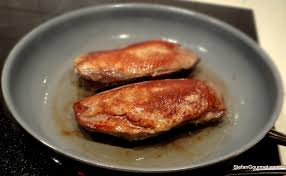
Table of Contents
Duck has a reputation problem in fitness nutrition circles — widely assumed to be a fatty, indulgent meat better suited to French restaurants than meal prep containers. That reputation is only half true, and it depends largely on one variable most people don’t think to separate: the skin.
Skinless duck breast is a genuinely lean, nutrient-dense protein — 27.6g of protein at just 140 calories and 2.5g of fat, with niacin at 65% of the daily value, selenium at 53%, and iron at 25% — more iron than lean beef steak. That’s a nutritional profile that rivals or exceeds chicken breast in several respects. The skin, however, changes the picture — skin-on duck breast has about 45% more calories and over four times the fat of skinless, and whole roasted duck with its skin is far richer still. Understanding this distinction is the single most useful thing this page can offer.
Duck Breast Nutrition Facts (per 100g, skinless, cooked)
| Nutrient | Amount |
|---|---|
| Calories | 140 kcal |
| Protein | 27.6g |
| Fat | 2.5g |
| — Saturated Fat | 0.6g |
| — Monounsaturated Fat | 0.9g |
| — Polyunsaturated Fat | 0.4g |
| Carbohydrates | 0 g |
| Cholesterol | 143 mg |
| Sodium | 105 mg |
USDA SR Legacy data for White Pekin duck breast, meat only, broiled. USDA’s breast data covers fewer nutrients than most foods — see the note under the vitamin table.
Duck Breast Nutrition Facts (per 170g serving — approximately one skinless breast)
A single skinless duck breast typically weighs 150–180g; using 170g as a practical reference:
| Nutrient | Per Skinless Breast (170g) |
|---|---|
| Calories | 238 kcal |
| Protein | 46.9g |
| Fat | 4.3g |
| — Saturated Fat | 1.0g |
| Carbohydrates | 0g |
| Sodium | 179mg |
| Niacin | 17.7mg (111% DV) |
| Selenium | 49.3µg (90% DV) |
| Iron | 7.6mg (42% DV) |
A single skinless duck breast provides nearly 47g of complete protein at under 240 calories — exceptional figures by any whole food protein standard.
Vitamins in Duck Breast (per 100g, skinless, cooked)
| Vitamin | Amount | % Daily Value |
|---|---|---|
| Vitamin B3 (Niacin) | 10.4mg | 65% |
| Vitamin C | 3.2mg | 4% |
USDA hasn’t analysed other vitamins in duck breast specifically. For an indication, the table below shows USDA’s figures for duck meat overall (all cuts, skinless, roasted).
| Duck Meat, All Cuts (per 100g, skinless, roasted) | Amount | % Daily Value |
|---|---|---|
| Vitamin B12 | 0.4µg | 17% |
| Vitamin B6 | 0.25mg | 15% |
| Vitamin B1 (Thiamine) | 0.26mg | 22% |
| Vitamin B2 (Riboflavin) | 0.47mg | 36% |
| Vitamin B5 (Pantothenic Acid) | 1.5mg | 30% |
| Vitamin B9 (Folate) | 10µg | 3% |
| Zinc | 2.6mg | 24% |
| Phosphorus | 203mg | 16% |
| Copper | 0.23mg | 26% |
| Potassium | 252mg | 5% |
| Magnesium | 20mg | 5% |
Standout: Duck breast is an excellent source of niacin — 65% of the daily value per 100g, and more than a full day’s worth in a single breast. Niacin is central to NAD/NADP coenzyme function across over 400 metabolic reactions, from energy production to DNA repair. For B12, USDA’s figures for duck meat overall come to 17% DV per 100g — far less than the 50% often quoted for duck, though still about twice chicken breast’s 8%. Duck meat overall is also a good source of riboflavin (36% DV) and pantothenic acid (30% DV).
Minerals in Duck Breast (per 100g, skinless, cooked)
| Mineral | Amount | % Daily Value |
|---|---|---|
| Calcium | 9mg | 1% |
| Iron | 4.49mg | 25% |
| Selenium | 29.0µg | 53% |
Standout: Duck breast’s iron content (25% DV per 100g) is notably high for poultry — duck breast is dark meat by nature, even though it’s labelled “breast”, and dark meat is rich in the iron-containing protein myoglobin. Much of it is haem iron, which is absorbed far more efficiently than the non-haem iron in plant foods — making duck breast a genuinely useful iron source for anyone managing iron status, particularly compared to chicken breast’s far lower iron content (3% DV per 100g). Selenium at 53% DV rounds out a strong mineral profile for a 140-calorie food. For the minerals USDA hasn’t measured in the breast, duck meat overall provides zinc at 24% DV and phosphorus at 16% DV per 100g.
The Skin Question: Why It Changes Everything
This is the single most important practical fact about duck nutrition, and it deserves to be addressed directly and quantitatively.
Why Duck Skin Is So Different From Chicken Skin
All poultry skin adds fat and calories, but duck skin carries more fat than chicken skin. Ducks, as waterfowl, carry a thick layer of fat beneath the skin that helps insulate them in cold water — a layer far more substantial than land-dwelling poultry like chicken or turkey carry. This is the entire reason duck breast is cooked skin-on in classical technique, scored and rendered slowly to crisp the skin while melting away much of that fat layer into the pan.
The Nutritional Difference, Quantified
| Cut (100g, cooked) | Calories | Fat | Saturated Fat |
|---|---|---|---|
| Duck breast, skinless | 140 kcal | 2.5g | 0.6g |
| Duck breast, skin-on, roasted | 202 kcal | 10.8g | 2.9g |
| Whole duck, meat and skin, roasted | 337 kcal | 28.4g | 9.7g |
Skin-on duck breast has about 45% more calories and over four times the fat of skinless duck breast. That’s a bigger jump than chicken: USDA’s roasted chicken breast with skin has about 19% more calories and 2.4 times the fat of skinless chicken breast. The dramatic figures often quoted for duck — around 340 calories and 28g of fat per 100g — are for whole roasted duck with its skin, which includes the fattier legs and all of the skin: about 2.4 times the calories and 11 times the fat of skinless breast.
The practical implication: these preparations should be thought of as different foods for nutritional planning purposes. “Duck” as a category is close to meaningless for tracking macros or calories without specifying the cut and whether the skin is included — more so than with any other poultry on this site.
Why People Still Cook It Skin-On
Despite the calorie difference, skin-on duck breast remains a classic preparation for good reason — the rendered fat bastes the meat during cooking, the crisped skin provides textural contrast, and a significant proportion of the fat does render out into the pan during proper cooking (rather than remaining in the portion you eat) — see the cooking method section below. A well-rendered skin-on duck breast is meaningfully leaner than raw skin-on numbers would suggest — but still significantly higher in fat and calories than skinless duck breast.
Health Benefits of Duck Breast (Skinless)
Exceptional Protein Density
At 27.6g of protein per 100g and just 140 calories, skinless duck breast offers one of the best protein-to-calorie ratios among dark poultry and red meats — comparable to chicken breast and considerably leaner than most red meat. The protein is complete, containing all 9 essential amino acids including leucine, which supports muscle protein synthesis.
Niacin and B Vitamins for Energy Metabolism
At 65% DV of niacin per 100g, duck breast is one of the stronger poultry sources of this vitamin. Niacin, via its role in NAD and NADP coenzyme synthesis, is central to energy metabolism across virtually every cell in the body. USDA hasn’t measured B12 in duck breast itself; for duck meat overall it lists 17% DV per 100g — a useful contribution and about twice chicken breast’s, though well short of lean beef steak (71% DV).
Significant Iron for Oxygen Transport
At 25% DV per 100g (42% in a full breast portion), duck breast’s iron content is far higher than chicken breast’s — and, on USDA’s figures, more than double that of lean beef steak. For people managing iron status — particularly premenopausal women, endurance athletes, and anyone with marginal iron intake — duck breast offers a lean alternative to red meat that still delivers substantial, well-absorbed iron.
Selenium and Zinc for Immune Function
Selenium (53% DV per 100g of breast) and zinc work together as part of the body’s core antioxidant and immune defense systems — selenium for glutathione peroxidase and thyroid hormone activation, zinc as a cofactor for immune cell production and Cu/Zn superoxide dismutase. USDA hasn’t measured zinc in duck breast; duck meat overall provides 24% DV per 100g.
Favorable Fat Profile (Skinless)
Of the 2.5g of fat per 100g in skinless duck breast, the largest share is monounsaturated (0.9g) — the same type of fat found in olive oil — with only modest saturated fat (0.6g). Combined with the very low total fat content, this makes skinless duck breast one of the leaner dark poultry options available, despite duck’s overall reputation as a fattier bird.
Duck Breast for Athletes and Active People
High-Protein, Low-Calorie Option for Cutting Phases
Skinless duck breast’s 27.6g of protein at 140 calories puts it in genuinely competitive territory with chicken breast for fat loss phases where protein-per-calorie efficiency matters most.
Iron for Endurance Athletes
Duck breast’s much higher iron content relative to chicken breast makes it a useful rotation option for endurance athletes — particularly those at risk of iron deficiency — who want variety in their lean protein sources without sacrificing iron intake the way an all-chicken-breast diet might.
B Vitamins for Energy and Red Blood Cell Production
Duck breast’s niacin (65% DV per 100g) supports energy metabolism during heavy training, and duck meat overall adds riboflavin (36% DV), pantothenic acid (30% DV), and some B12 (17% DV) — all involved in energy production, with B12 also needed alongside iron for red blood cell formation.
A Practical Note on Skin for Bulking Athletes
For athletes in a deliberate caloric surplus aiming to build muscle, skin-on duck breast (cooked with proper rendering technique) is a calorie-dense, genuinely delicious way to add quality calories without resorting to less nutritious surplus sources — duck fat is about half monounsaturated and broadly comparable in profile to other animal fats used in cooking, such as lard from pork.
How to Cook Duck Breast for the Best Nutritional Outcome
Score the skin (skin-on preparation): Scoring the fat layer in a crosshatch pattern (without cutting into the meat) before cooking allows fat to render out more effectively during cooking — reducing the final fat content of the portion you eat compared to unscored skin.
Start skin-side down in a cold or barely warm pan: This is the classical French technique — starting duck breast skin-side down in a cold pan and slowly bringing up the heat renders the maximum amount of fat into the pan before the meat itself overcooks, producing crisp skin and a leaner final product than high-heat searing.
Pour off rendered fat during cooking: Periodically draining the rendered fat from the pan (rather than letting the breast sit in it) further reduces the final fat content of the dish.
Remove the skin entirely for the leanest option: For the nutritional profile described at the top of this page, simply remove the skin before or after cooking — the meat itself keeps its lean profile of around 140 kcal and 2.5g of fat per 100g.
Mind the doneness: Duck breast is traditionally served medium-rare to medium in restaurants, which keeps the lean meat moist. Be aware, though, that USDA advises cooking all poultry, duck included, to an internal temperature of 74°C (165°F) — pink duck is a widely accepted culinary practice but carries more food safety risk, so follow your local guidance.
Duck Breast vs. Other Poultry and Lean Meats
| Food (100g, cooked) | Calories | Protein | Fat | Iron | Niacin |
|---|---|---|---|---|---|
| Duck breast, skinless | 140 kcal | 27.6g | 2.5g | 25% DV | 65% DV |
| Duck breast, skin-on | 202 kcal | 24.5g | 10.8g | 18% DV | 49% DV |
| Chicken breast | 166 kcal | 32.1g | 3.2g | 3% DV | 59% DV |
| Turkey breast | 136 kcal | 29.5g | 2.0g | 5% DV | 74% DV |
| Lean beef steak (top sirloin) | 183 kcal | 30.6g | 5.8g | 11% DV | 55% DV |
| Pork tenderloin | 143 kcal | 26.2g | 3.5g | 6% DV | 46% DV |
Skinless duck breast stands out clearly in this comparison — its protein-to-calorie ratio is close to chicken breast’s, while its iron content is the highest on the list, more than double that of lean beef steak. Turkey breast edges it on niacin and protein per calorie. Duck occupies a genuinely useful nutritional middle ground: the leanness of poultry with iron more typical of — and here, higher than — red meat.
Practical Ways to Include Duck Breast in Your Diet
Pan-seared, skin removed after cooking — cook skin-on using the scored, cold-pan technique for flavor and texture, then remove the skin before eating if calorie control matters for that meal. You get the cooking benefits of the fat layer (basting, flavor) without consuming all the rendered and residual fat.
Skinless, grilled or pan-seared — treat it like a lean steak. A simple sear in a small amount of oil, rested and sliced, makes an excellent high-protein centrepiece for a meal alongside rice or vegetables.
Duck breast salad — sliced cooked duck breast (skin removed) over leafy greens with orange segments, a light vinaigrette, and toasted nuts — a classic combination that balances the meat’s richness with acidity and freshness.
Stir-fried — thin strips of skinless duck breast stir-fried with vegetables and a light sauce cook quickly and absorb flavor well, making for a practical weeknight high-protein meal.
As a leaner alternative to red meat in regular rotation — for anyone eating red meat primarily for iron, skinless duck breast is a useful rotation option that delivers even more iron at a lower fat and saturated fat cost.
Potential Considerations
Skin-on duck is genuinely calorie- and fat-dense — as detailed above, treat skin-on and skinless duck as effectively different foods nutritionally. If tracking intake closely, always specify which you’re logging.
Cholesterol content — at 143mg per 100g, duck breast is higher in cholesterol than chicken breast (116mg) and lean beef or pork (around 70–80mg). For most people dietary cholesterol has a modest effect on blood cholesterol, but it’s worth knowing if you’ve been advised to limit it.
Sourcing and cost — duck is generally more expensive and less widely available than chicken or turkey, which may limit how practical it is as a regular dietary staple compared to an occasional rotation option.
Doneness preference — duck breast served pink (medium-rare to medium) is standard practice in restaurants, but USDA advises 74°C (165°F) for all poultry — anyone with specific food safety concerns, pregnant women, and people with a compromised immune system should cook duck through.
Nutrient data: USDA FoodData Central, SR Legacy — White Pekin duck breast, meat only, broiled (FDC ID 171511) and breast meat and skin, roasted (FDC ID 171510). Figures for duck meat overall: SR Legacy — duck, domesticated, meat only, roasted (FDC ID 172411) and meat and skin, roasted (FDC ID 172409). % Daily Values use the FDA’s current Daily Values.