

Flaxseeds: Nutrition Facts, Health Benefits, and the Complete Guide to Nature’s Richest Plant Omega-3 Source
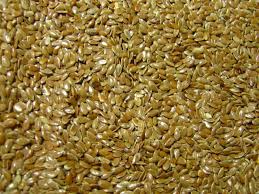
Table of Contents
Flaxseeds share a genuinely unique title in nutrition with chia seeds: the two are the richest whole-food sources of plant-based omega-3 (ALA) of any commonly eaten food — 19.4g per 100g of ground flaxseed, on par with chia. Combined with 247% of daily selenium, 149% of copper, 89% of magnesium, 45% of phosphorus, and 23.1g of fiber per 100g, flaxseeds pack one of the most concentrated nutrient profiles of any food on this site into a tiny, unassuming seed that’s been cultivated for over 9,000 years.
But flaxseeds also come with the single most important practical caveat of any food covered so far — and it’s one that most people genuinely don’t know. Eaten whole, much of that nutrition can pass straight through the body undigested. This page covers both the extraordinary nutritional profile and the one preparation step that determines whether you actually get to benefit from it.
Flaxseeds Nutrition Facts (per 100g, ground)
| Nutrient | Amount |
|---|---|
| Calories | 514 kcal |
| Protein | 18.0g |
| Fat | 37.3g |
| — Saturated Fat | 3.3g |
| — Monounsaturated Fat | 5.9g |
| — Polyunsaturated Fat | 24.7g |
| — Omega-3 (ALA) | 19.4g |
| — Omega-6† | 5.3g |
| Carbohydrates | 34.4g |
| — Sugars* | 1.6g |
| — Fiber | 23.1g |
| Cholesterol* | 0mg |
| Sodium | 37mg |
* From USDA’s SR Legacy data for flaxseed, used where the newer Foundation Foods data for ground flaxseed has no value. † Polyunsaturated fat minus omega-3: in flaxseed, virtually all polyunsaturated fat is one or the other. Everything else is from Foundation Foods. Full sources are at the end of the page.
Flaxseeds Nutrition Facts (per 14g serving — approximately 2 tablespoons, ground)
Two tablespoons of ground flaxseed is a typical practical serving:
| Nutrient | Per 14g Serving |
|---|---|
| Calories | 72 kcal |
| Protein | 2.5g |
| Fat | 5.2g |
| — Omega-3 (ALA) | 2.7g |
| Carbohydrates | 4.8g |
| — Fiber | 3.2g |
| — Net carbs | 1.6g |
| Sodium | 5.1mg |
| Thiamine | 0.08mg (6% DV) |
| Magnesium | 52mg (12% DV) |
| Phosphorus | 78mg (6% DV) |
| Selenium | 19.0µg (35% DV) |
| Iron | 0.8mg (4% DV) |
Two tablespoons of ground flaxseed deliver 2.7g of ALA omega-3 — several times the omega-3 in a typical 1g fish oil capsule, though as plant ALA rather than EPA and DHA — at just 72 calories.
Vitamins in Flaxseeds (per 100g)
| Vitamin | Amount | % Daily Value |
|---|---|---|
| Vitamin A (RAE)* | 0µg | 0% |
| Vitamin B1 (Thiamine) | 0.54mg | 45% |
| Vitamin B2 (Riboflavin)* | 0.16mg | 12% |
| Vitamin B3 (Niacin) | 3.8mg | 24% |
| Vitamin B5 (Pantothenic Acid)* | 0.99mg | 20% |
| Vitamin B6 | 0.39mg | 23% |
| Vitamin B9 (Folate) | 41µg | 10% |
| Vitamin B12* | 0µg | 0% |
| Vitamin C* | 0.6mg | 1% |
| Vitamin D* | 0µg | 0% |
| Vitamin E | 0mg | 0% |
| Vitamin K | 3.7µg | 3% |
* From USDA’s SR Legacy data for flaxseed. % Daily Values use the FDA’s current Daily Values.
Standout: Flaxseeds provide a useful spread of B vitamins — thiamine at 45% DV per 100g, niacin at 24%, B6 at 23%, and pantothenic acid at 20%, with folate at 10%. Thiamine is a coenzyme for converting carbohydrates into cellular energy, feeding fuel into the Krebs cycle. (USDA’s older data for whole flaxseed put thiamine far higher, at over 130% DV — the newer analysis of ground flaxseed found much less.)
Minerals in Flaxseeds (per 100g)
| Mineral | Amount | % Daily Value |
|---|---|---|
| Calcium | 230mg | 18% |
| Phosphorus | 556mg | 45% |
| Magnesium | 372mg | 89% |
| Potassium | 793mg | 17% |
| Iron | 5.8mg | 32% |
| Zinc | 4.7mg | 43% |
| Copper | 1.3mg | 149% |
| Manganese | 2.4mg | 105% |
| Selenium | 136µg | 247% |
Multiple extraordinary standouts: Flaxseeds’ mineral profile is among the densest of any food covered on this site. Selenium at 247% DV, copper at 149%, and manganese at 105% per 100g all exceed the full daily requirement, and magnesium at 89% DV comes close (though realistic serving sizes are much smaller, given flaxseed’s typical use as a 1–2 tablespoon addition rather than a standalone food). Selenium in seeds varies greatly with the soil they’re grown in — USDA’s older data for flaxseed found far less. Phosphorus at 45% DV, zinc at 43% DV, and iron at 32% DV complete a profile that rivals chia seeds across most minerals — though chia has far more calcium (46% DV against flaxseed’s 18%).
The Single Most Important Fact About Flaxseeds: They Must Be Ground
This is, without exaggeration, the most practically important piece of information on this entire page — and it’s a fact that a large proportion of people who buy whole flaxseeds simply never learn.
Why Whole Flaxseeds Mostly Pass Through Undigested
Flaxseeds have an extremely hard, smooth outer seed coat (hull) that chewing often fails to crack and that digestive enzymes can’t break down. Unlike many seeds that crack open readily, intact whole flaxseeds frequently survive the entire digestive transit essentially intact — meaning the omega-3, fiber, lignans, and mineral content locked inside the seed never becomes available for absorption, and the seed is excreted in much the same form it was eaten.
Research directly comparing whole versus ground flaxseeds consumption has confirmed this: nutrient bioavailability — particularly ALA omega-3 and lignan absorption — is dramatically higher from ground flaxseeds than from whole seeds, in some analyses showing several times greater absorption from the ground form.
What This Means Practically
Always buy or grind flaxseeds immediately before use, or buy it pre-ground. Whole flaxseeds are not “wrong” to buy, but they should be ground (using a coffee grinder, spice grinder, or food processor) just before adding them to food, rather than sprinkled whole onto yogurt or oatmeal and eaten as-is.
Pre-ground flaxseeds (flaxseed meal) is a completely reasonable and convenient alternative — but because grinding exposes the seed’s oil to oxygen, ground flaxseed is considerably more prone to rancidity than whole seeds. Store ground flaxseeds in the refrigerator or freezer in an airtight container, and use it within a few weeks for the best nutritional and flavor quality.
Whole flaxseeds are still useful for one purpose: their fiber-related gut-bulking and laxative effect doesn’t strictly require grinding, since the insoluble fiber and mucilage on the seed’s surface can still provide some digestive benefit even when whole. But for the omega-3 and lignan content — arguably flaxseed’s two headline benefits — grinding is essential.
The Omega-3 Story: 19.4g Per 100g, Level With Chia
At 19.4g of ALA per 100g, ground flaxseed sits level with chia seeds (19.1g per 100g) as the richest commonly available whole-food plant source of omega-3 fatty acids. (USDA’s older data for whole flaxseed put it higher, at 22.8g.)
What ALA Does and the Conversion Limitation
As covered in detail on the chia seeds page, ALA is the essential plant-based omega-3 that the body can partially convert to the long-chain forms EPA and DHA — the forms with the strongest evidence for anti-inflammatory and cardiovascular benefit. Conversion efficiency is limited, typically 5–15% to EPA and 0.5–5% to DHA, meaning flaxseed’s ALA is valuable but not a direct substitute for fish-derived EPA/DHA.
Why Flaxseed’s Omega-3 Density Still Matters
Even accounting for the conversion limitation, two tablespoons of ground flaxseed (2.7g ALA) make a genuinely meaningful contribution to total dietary omega-3 intake — about twice the ALA of the same weight of walnuts, and more ALA gram-for-gram than almost any other commonly available whole food apart from chia. For vegetarians and vegans who don’t consume fish or algae oil, flaxseed is one of the single most efficient ways to boost ALA intake and improve the overall dietary omega-6 to omega-3 ratio.
The omega-6 to omega-3 ratio: flaxseed’s ratio is approximately 1:4 (omega-6 to omega-3) — one of the most favorable ratios of any food, and even more skewed toward omega-3 than chia seed’s already-favorable 1:3 ratio. Given that most modern diets are heavily skewed toward omega-6 from seed oils, adding flaxseeds is one of the most concentrated single-food corrections available.
Lignans: Flaxseed’s Most Distinctive Bioactive Compound
This is the compound that most clearly separates flaxseeds from chia seeds and other omega-3-rich seeds, and it deserves dedicated explanation.
What Lignans Are
Lignans are polyphenolic plant compounds with a structure that allows them to act as phytoestrogens — plant compounds that can weakly bind to oestrogen receptors in the body, similarly in principle (though chemically distinct) to the isoflavones.
Flaxseed Is the Richest Dietary Source of Lignans by a Wide Margin
This is genuinely remarkable: flaxseed is by far the richest dietary source of the lignans that gut bacteria convert into enterolignans — often quoted as 75 to 800 times more than other plant foods such as whole grains, legumes, and vegetables, which are themselves considered reasonable lignan sources. No other commonly eaten whole food comes close, apart from sesame seeds, whose lignans are mostly of a different type.
What the Research Shows
Breast cancer research — flaxseed lignans have been among the most studied dietary lignans for breast cancer outcomes. Observational studies have linked higher lignan intake to a modestly lower risk of postmenopausal breast cancer and to better outcomes in breast cancer survivors, and a small trial found that flaxseed reduced tumour growth markers in women awaiting breast cancer surgery. This is promising but not yet proof of cause and effect. As with the soy research discussed on the edamame page, these findings apply to lignans from whole food sources at typical dietary intakes, not concentrated extracts at supraphysiological doses.
Cardiovascular research — lignans have antioxidant properties and have been associated with modest improvements in blood pressure and arterial stiffness in some clinical trials, complementing the separate cardiovascular benefits of flaxseed’s ALA content and fiber.
Hormonal and menopausal symptom research — flaxseed has been tested for menopausal hot flashes, but trials have mostly found no benefit over placebo.
The Practical Takeaway
Lignans are a genuine distinguishing feature of flaxseed — but as with isoflavones, the health evidence is still developing, and the research that exists mostly uses whole ground flaxseed (typically 10–30g a day) rather than concentrated supplements, which haven’t been studied as extensively and don’t necessarily confer the same benefit profile.
The Extraordinary Fibre Content: 23.1g Per 100g
At 23.1g of fiber per 100g, flaxseed’s fiber density is second only to chia seed’s remarkable 34.4g among common seeds — both seeds sit near the very top of the fiber density scale for any commonly eaten food.
Soluble and Insoluble Fiber Working Together
Flaxseed contains both types of fiber — roughly a third soluble and two-thirds insoluble:
Soluble fiber (mucilage) — similar in principle to chia’s gel-forming mechanism, flaxseed’s outer coat contains mucilaginous gum that forms a viscous gel on contact with liquid. This gel slows gastric emptying, moderates blood sugar response, and is fermented by gut bacteria to produce short-chain fatty acids with anti-inflammatory effects on the colon.
Insoluble fiber — provides physical bulk that supports regular bowel movements and has a long traditional and clinically studied use as a natural laxative, with small clinical trials finding flaxseed about as effective as some standard laxatives for chronic constipation.
Net Carbohydrate Reality
Of the 34.4g of total carbohydrates per 100g, 23.1g is fiber — meaning net digestible carbohydrate is about 11.2g per 100g, and 1.6g in a typical 14g serving. (USDA’s older data for whole flaxseed put net carbohydrates close to zero; the newer analysis of ground flaxseed found more.) At typical serving sizes, flaxseed remains easily compatible with ketogenic and very low-carbohydrate approaches.
Health Benefits of Flaxseeds
Heart Health Support
Flaxseed’s cardiovascular evidence is among the more extensively studied of any single food, combining multiple independent mechanisms:
ALA omega-3 — higher ALA intake is associated with a modestly lower risk of heart disease, and ALA may reduce platelet aggregation.
Soluble fiber — binds bile acids and lowers LDL cholesterol; a meta-analysis of 28 randomized controlled trials found that whole (ground) flaxseed modestly lowered total and LDL cholesterol, while flaxseed oil did not.
Lignans — independent antioxidant and modest blood pressure benefits as discussed above.
Blood pressure — meta-analyses of randomized trials find that flaxseed lowers blood pressure modestly — by about 2–3 mmHg on average across 15 trials, and around 4–5 mmHg systolic in people with cardiovascular risk factors — with the clearest effects from whole (ground) flaxseed eaten for 12 weeks or more. One six-month trial of 30g of milled flaxseed a day found reductions of about 10 mmHg systolic and 7 mmHg diastolic. That’s broadly comparable in magnitude to what’s seen in the dietary nitrate and cocoa flavanol research discussed elsewhere on this site.
Blood Sugar Management
The combination of viscous soluble fibre, lignans, and modest net carbohydrate content gives flaxseed a favourable blood sugar profile. Meta-analyses of randomized trials find that whole (ground) flaxseed — but not flaxseed oil or lignan extracts — modestly lowers fasting blood glucose and insulin and improves insulin sensitivity markers, particularly in people with type 2 diabetes or prediabetes, though effects on HbA1c have been inconsistent.
Digestive Health and Regularity
Flaxseed has a good evidence base for constipation relief — small clinical trials have found it about as effective as some standard laxative treatments for chronic constipation — and its fermentable fiber also feeds the gut microbiome, an advantage purely pharmaceutical laxatives don’t offer.
Hormonal and Reproductive Health (Lignan-Mediated)
As detailed above, flaxseed’s exceptional lignan concentration has been linked to a modestly lower breast cancer risk in observational research, though trials for menopausal symptoms have mostly been disappointing, and the wider phytoestrogen research continues to develop.
Weight Management
The combination of high fiber (slowing gastric emptying and promoting satiety), meaningful protein (18.0g per 100g, though typical serving sizes are small), and modest net carbohydrate makes flaxseed a useful addition for appetite management, operating through broadly the same mechanisms detailed for chia seeds — gel formation, satiety hormone stimulation, and low net calorie impact at typical serving sizes.
Flaxseeds for Athletes and Active People
A Concentrated Whole-Food Omega-3 Source
For plant-based athletes specifically, flaxseed’s exceptional ALA density makes it one of the most space-efficient ways to boost dietary omega-3 intake without relying on fish or algae oil supplements — directly relevant to the anti-inflammatory recovery benefits.
Magnesium and Phosphorus for Training Demands
At 89% DV magnesium and 45% DV phosphorus per 100g (roughly 12% and 6% DV per 14g serving), flaxseed contributes meaningfully to two of the most performance-relevant minerals — magnesium for ATP production and muscle function, phosphorus as a literal component of ATP itself.
Practical Daily Addition Rather Than a Standalone Food
Unlike many foods on this site eaten as a full serving or meal, flaxseed’s realistic role in an athlete’s diet is as a small daily addition — 1–2 tablespoons ground and stirred into oats, a smoothie, or yogurt — rather than a primary food. This makes it one of the easiest, lowest-effort nutritional upgrades available, requiring no meal planning or preparation beyond keeping ground flaxseed in the fridge.
Flaxseed vs Chia Seed: The Direct Comparison
Given how frequently these two seeds are compared, a direct side-by-side is genuinely useful:
| Nutrient (100g) | Flaxseed (ground) | Chia Seed | Notable Difference |
|---|---|---|---|
| Calories | 514 kcal | 490 kcal | Similar |
| Omega-3 (ALA) | 19.4g | 19.1g | About the same |
| Fiber | 23.1g | 34.4g | Chia higher |
| Thiamine | 45% DV | 42% DV | About the same |
| Magnesium | 89% DV | 78% DV | Flaxseed higher |
| Selenium | 247% DV | 100% DV | Flaxseed higher |
| Calcium | 18% DV | 46% DV | Chia much higher |
| Lignans | Extremely high (unique strength) | Minimal | Flaxseed dominant |
| Gel-forming on contact with liquid | Yes (less pronounced) | Yes (very pronounced) | Chia gels more dramatically |
| Must be ground for full benefit | Yes — critical | Not essential, though grinding improves omega-3 absorption | Flaxseed has the stricter requirement |
| Choking hazard when dry | Lower risk | Documented risk if swallowed dry | Chia requires more caution |
The honest takeaway: these seeds are complementary rather than directly substitutable. On USDA’s newest numbers they’re level on omega-3 and thiamine; flaxseed wins on magnesium, selenium, and the unique lignan profile, while chia wins on calcium, fiber, and convenience (no grinding required). Many nutrition-focused diets reasonably include both, rotating or combining them rather than choosing one exclusively.
How to Use Flaxseeds: Practical Applications
Ground, As the Default Approach
The single most important practical instruction on this page: grind flaxseed (or buy it pre-ground) and store it in the refrigerator or freezer in an airtight container, using it within a few weeks.
Stirred into oats or porridge — 1–2 tablespoons of ground flaxseed mixed into hot oats adds a mild, nutty flavor along with the full nutrient profile, and slightly thickens the porridge texture due to the mucilage content.
Blended into smoothies — ground flaxseed blends seamlessly into smoothies without significantly altering taste, making it one of the easiest ways to add it daily.
As an egg substitute in baking — similar to the chia egg discussed on the chia seeds page, a “flax egg” (1 tablespoon ground flaxseed mixed with 3 tablespoons water, left to sit for 5–10 minutes until it thickens) works as a binding agent in baked goods, useful for vegan baking or egg allergy accommodation.
Sprinkled over yogurt or salads — ground flaxseed adds texture and nutrition with minimal flavor impact, working in both sweet and savory contexts.
In homemade bread or muffins — ground flaxseed can be incorporated directly into baked goods, adding fiber, omega-3, and a subtle nutty flavor while improving the overall nutritional profile of the finished product.
Flaxseed Oil: A Different Product With Different Trade-offs
Cold-pressed flaxseed oil delivers concentrated ALA without the grinding requirement (since there’s no seed coat to break through), but loses the fiber, lignans, and minerals present in the whole seed. Flaxseed oil is also considerably more prone to rapid oxidation than the whole or ground seed and should always be stored refrigerated, used quickly after opening, and never used for cooking at high heat, since heat accelerates the oxidative breakdown of its delicate polyunsaturated fats.
Potential Considerations
Must be ground for full nutrient absorption — as detailed extensively above, this is the single most important practical guidance for this food.
Storage and rancidity — ground flaxseed’s high polyunsaturated fat content makes it prone to oxidation; always refrigerate or freeze ground flaxseed and use within a few weeks. Whole, unground flaxseed stores considerably longer at room temperature due to the intact seed coat protecting the oil inside.
Cyanogenic glycosides — raw flaxseed contains small amounts of cyanogenic compounds that can release trace cyanide during digestion. At normal dietary intakes (up to a few tablespoons a day, in line with clinical research), this poses no meaningful health risk for healthy adults, and cooking or baking further reduces these compounds. Very large intakes, particularly of raw flaxseed, are not advisable.
Hormone-sensitive conditions — given the lignan phytoestrogen content, people with hormone-sensitive cancers or conditions should discuss flaxseed intake with their oncologist or doctor, similar to the guidance given for soy on the edamame page, even though the overall research direction for whole-food lignan intake has generally been reassuring or favorable rather than concerning.
Blood thinning medications — flaxseed’s ALA omega-3 may have mild antiplatelet effects, similar to chia seed; people on blood-thinning medications should discuss regular flaxseed consumption with their doctor, particularly at higher intakes.
Digestive tolerance and introduction — the very high fiber content can cause bloating or digestive discomfort if introduced too quickly. Starting with a teaspoon and gradually working up to 1–2 tablespoons daily over a couple of weeks, alongside adequate water intake, minimizes this.
Allergies — flaxseed allergy is uncommon but documented, and people with known sensitivities to other seeds should introduce it cautiously.
Nutrient data: USDA FoodData Central, Foundation Foods (FDC ID 2262075); values marked * from SR Legacy (FDC ID 169414). % Daily Values use the FDA’s current Daily Values.