

Octopus: Nutrition Facts, Health Benefits, and One of the Most Nutritionally Dense Seafoods Available
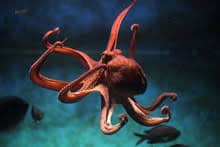
Table of Contents
Octopus is one of the most nutritionally extraordinary yet most overlooked protein foods in Western fitness nutrition. Per 100g cooked, it provides 29.8g of complete lean protein at 164 calories alongside 1,500% of the daily Vitamin B12 requirement — fifteen times the daily amount — plus 163% of selenium, 82% of copper, 53% of iron, 38% of B6, and 31% of zinc. Among the foods on this site, only clams provide more B12, and few match octopus’ combination of B12, selenium, copper, and iron. Understanding what makes octopus so nutritionally exceptional requires a look at what octopus actually is biologically.
Octopus Nutrition Facts (per 100g, cooked)
| Nutrient | Amount |
|---|---|
| Calories | 164 kcal |
| Protein | 29.8g |
| Fat | 2.1g |
| — Saturated Fat | 0.5g |
| — Monounsaturated Fat | 0.3g |
| — Polyunsaturated Fat | 0.5g |
| — Omega-3 Fatty Acids | 0.38g |
| Carbohydrates | 4.4g |
| — Sugars | 0g |
| — Fiber | 0g |
| Cholesterol | 96mg |
| Sodium | 460mg |
Cooking roughly halves octopus’ weight as water is lost, so cooked octopus carries about twice the nutrients — and calories — per 100g of raw octopus (82 kcal raw).
Octopus Nutrition Facts (per 150g serving — a standard cooked portion)
| Nutrient | Per 150g Serving |
|---|---|
| Calories | 246 kcal |
| Protein | 44.7g |
| Fat | 3.1g |
| Carbohydrates | 6.6g |
| Sodium | 690mg |
| Vitamin B12 | 54.0µg (2,250% DV) |
| Selenium | 134.4µg (244% DV) |
| Copper | 1.11mg (123% DV) |
| Iron | 14.3mg (80% DV) |
| Vitamin B6 | 0.98mg (57% DV) |
| Zinc | 5.0mg (46% DV) |
| Phosphorus | 419mg (33% DV) |
A standard 150g cooked octopus portion provides over 20 times the daily B12 requirement, more than twice the daily selenium, and more than a full day’s copper, alongside nearly 45g of protein at under 250 calories.
Vitamins in Octopus (per 100g, cooked)
| Vitamin | Amount | % Daily Value |
|---|---|---|
| Vitamin A (RAE) | 90µg | 10% |
| Vitamin B1 (Thiamine) | 0.06mg | 5% |
| Vitamin B2 (Riboflavin) | 0.08mg | 6% |
| Vitamin B3 (Niacin) | 3.78mg | 24% |
| Vitamin B5 (Pantothenic Acid) | 0.9mg | 18% |
| Vitamin B6 | 0.65mg | 38% |
| Vitamin B9 (Folate) | 24µg | 6% |
| Vitamin B12 | 36.0µg | 1,500% |
| Vitamin C | 8.0mg | 9% |
| Vitamin D | 0µg | 0% |
| Vitamin E | 1.2mg | 8% |
| Vitamin K | 0.1µg | 0% |
Standout: Octopus’ Vitamin B12 content — 1,500% of the daily value per 100g cooked, rising to 2,250% in a standard 150g serving — is one of the most extraordinary single-nutrient figures in this collection. The daily value for B12 is just 2.4µg; 100g of cooked octopus provides 36µg. Combined with B6 at 38% DV, niacin at 24% DV, and pantothenic acid at 18% DV, octopus delivers a strong B vitamin profile for seafood.
Minerals in Octopus (per 100g, cooked)
| Mineral | Amount | % Daily Value |
|---|---|---|
| Calcium | 106mg | 8% |
| Phosphorus | 279mg | 22% |
| Magnesium | 60mg | 14% |
| Potassium | 630mg | 13% |
| Iron | 9.54mg | 53% |
| Zinc | 3.36mg | 31% |
| Selenium | 89.6µg | 163% |
| Copper | 0.74mg | 82% |
Multiple standouts: Octopus’ mineral profile rivals the most mineral-dense foods on this site. Selenium at 163% DV supports glutathione peroxidase antioxidant defense and thyroid hormone activation. Copper at 82% DV is exceptional — copper is the mineral required for ceruloplasmin-mediated iron metabolism, lysyl oxidase-driven collagen crosslinking, and cytochrome c oxidase in mitochondrial energy production. Iron at 53% DV directly supports oxygen transport, and zinc at 31% DV supports immune function. These figures represent one of the most impressive mineral-to-calorie profiles of any food in this collection.
Why Octopus Is So Rich in B12 and Copper: The Biology Behind the Numbers
The B12 and copper figures surprise almost everyone — and the copper in particular connects to something genuinely fascinating about octopus biology.
Octopus as a Cephalopod: A Different Kind of Animal
Octopus belongs to the class Cephalopoda — the most neurologically complex invertebrates on earth. Octopuses have three hearts, blue blood (from haemocyanin, a copper-based oxygen-carrying protein rather than the iron-based haemoglobin found in vertebrate blood), a distributed nervous system with around two-thirds of their neurons located in their arms rather than their brain, and documented problem-solving and tool-use behaviors that rival those of many vertebrates.
The Haemocyanin Connection to Copper
Unlike vertebrates whose blood is red from iron-containing haemoglobin, octopus blood is blue because it uses haemocyanin — a copper-containing protein — to transport oxygen. Haemocyanin requires large amounts of copper to function, and this likely helps explain why octopus tissue carries far more copper than most seafood.
Where the B12 Comes From
B12 is produced exclusively by bacteria and archaea — no animal makes it itself. Marine animals obtain it through the food web, from B12-producing microbes in seawater, sediments, and their prey. Octopuses, as active predators feeding on shellfish, crustaceans, and fish, take in B12 throughout their lives, and like many molluscs their tissues end up remarkably rich in it — similar to the extraordinary B12 concentrations found in clams and mussels, though octopus gets there through predation rather than filter feeding.
The Copper Story: What Copper Does in You
Octopus’ 82% DV of copper per 100g cooked — rising to 123% DV in a standard 150g serving — deserves specific attention, because copper is one of the less-discussed minerals and octopus is one of its best food sources.
In octopus, copper is the oxygen-carrying element in haemocyanin — performing the same job that iron performs in human haemoglobin. In the human body, dietary copper from octopus serves several critical functions:
Iron metabolism — ceruloplasmin, a copper-dependent enzyme, oxidizes ferrous iron to ferric iron, the form required for incorporation into transferrin (the blood’s iron transport protein) and ultimately into haemoglobin. Without adequate copper, iron metabolism is impaired even when dietary iron intake is sufficient. Octopus provides both copper (82% DV) and iron (53% DV) together — a nutritionally complementary pairing.
Collagen and elastin synthesis — lysyl oxidase, a copper-dependent enzyme, crosslinks collagen and elastin molecules into the mature fibers that give connective tissue its structural integrity, supporting tendons, skin, and artery walls.
Mitochondrial energy production — copper is a component of cytochrome c oxidase (Complex IV of the electron transport chain), the final enzyme in aerobic energy production that generates the majority of cellular ATP.
Antioxidant defense — copper is a component of Cu/Zn superoxide dismutase, one of the body’s primary antioxidant enzymes.
Health Benefits of Octopus
Extraordinary B12 for Neurological Health
At 1,500% DV per 100g cooked, a serving of octopus provides far more B12 than the daily requirement. B12 is essential for myelin synthesis (the protective sheath surrounding nerve fibers), red blood cell formation in bone marrow, DNA synthesis, and homocysteine regulation, and deficiency causes progressive, potentially irreversible neurological damage. The body only absorbs a few micrograms from a single meal, so most of that B12 passes through unabsorbed — but regular seafood meals like octopus still make a substantial contribution to B12 status, and B12 stored in the liver lasts for years.
Exceptional Selenium for Antioxidant and Thyroid Support
At 163% DV per 100g cooked, octopus is one of the most concentrated selenium sources of any food on this site, supporting the glutathione peroxidase enzyme system that neutralizes oxidative damage throughout the body and the deiodinase enzymes that convert thyroid hormone T4 to active T3.
Iron for Oxygen Transport
At 53% DV per 100g cooked, octopus is a meaningful iron source, directly supporting haemoglobin synthesis and the oxygen-carrying capacity that underlies aerobic performance and daily energy — with its copper content supporting the iron metabolism needed to make use of it.
Exceptional Lean Protein
At 29.8g of protein per 164 calories — a protein-to-calorie ratio of approximately 0.18g per calorie — octopus is one of the leaner whole-food protein sources available, containing all 9 essential amino acids in good proportions.
Taurine
Octopus, like other cephalopods and shellfish, is a rich natural source of taurine. Taurine has been studied for roles in cardiovascular function (supplements have modestly lowered blood pressure in some trials), neurological function, and muscle function — though most of that research uses supplement doses, and the benefits of taurine from food are less well established.
Heart Health
Octopus supports cardiovascular health through its very low saturated fat content (just 0.5g per 100g cooked), its omega-3 content, the selenium that helps protect LDL from oxidative modification, and its potassium (630mg per 100g). Its sodium (460mg per 100g cooked) is worth accounting for if you’re monitoring sodium intake.
Omega-3 Contribution
At 0.38g of omega-3 per 100g cooked, octopus provides a modest but genuine contribution, largely as the long-chain EPA and DHA forms that don’t depend on the limited ALA conversion of plant-based omega-3 sources. Omega-3 makes up most of octopus’ small amount of polyunsaturated fat, so what little fat it contains is weighted toward the beneficial side of the omega-6 to omega-3 balance.
Octopus for Athletes and Active People
Copper and Iron Together for Oxygen Delivery
Octopus’ combination of 82% DV copper and 53% DV iron per 100g in the same food is particularly valuable: copper activates ceruloplasmin, which is needed for the iron metabolism that ultimately produces haemoglobin. Getting both minerals from the same food supports the body’s ability to put the iron to use in red blood cell production.
B12 for Red Blood Cell Production
B12 is required alongside iron and folate for red blood cell formation. Athletes with marginal B12 status may have reduced red blood cell production that impairs oxygen-carrying capacity — and regular octopus or other seafood meals make a meaningful contribution to keeping B12 status healthy.
Selenium for Exercise Recovery
Intense training generates significant oxidative stress; octopus’ 163% DV selenium per 100g cooked contributes to the glutathione peroxidase antioxidant defenses that help manage exercise-induced oxidative damage.
A Calorie-Efficient Protein Source for Cutting Phases
At 29.8g of protein for 164 calories, octopus comes close to the leanest whole-food proteins available, such as cod and halibut — making it a genuinely useful cutting-phase protein for athletes maximizing protein per calorie during calorie restriction.
How to Cook Octopus
Octopus has a reputation for being difficult to cook, primarily because it can become extremely tough and rubbery if not prepared correctly. The cooking challenge is real but entirely solvable with the right approach.
Why Octopus Gets Tough
Octopus muscle is different from fish muscle — it has more connective tissue and a different fiber structure. When briefly cooked, the proteins contract firmly, and moderate cooking tightens the collagen further. Tender octopus requires either very short, very high-heat cooking (searing for just minutes) or long, slow, gentle cooking that breaks down the connective tissue — the same principle that makes braised beef shoulder tender after hours of slow cooking.
The Most Reliable Methods
Slow braising or simmering — the most consistent method for beginners. Submerge octopus in water or stock (with onion, garlic, wine, bay leaf), bring to a barely simmering 85–90°C, and cook for 45–90 minutes depending on size, until a knife slides into the thickest tentacle without resistance. Pull from the liquid and allow to rest.
Pressure cooking — dramatically reduces the time required; 15–25 minutes in a pressure cooker at high pressure produces tender octopus reliably and is arguably the most foolproof method available.
Freezing before cooking — a traditional Mediterranean technique that many cooks swear by: ice crystals disrupt the muscle fibers, which helps the octopus tenderize during cooking. Much of the octopus sold by fishmongers has already been frozen.
Grilling after braising — the most common restaurant approach and genuinely excellent; braise first until fully tender, then char briefly on a very hot grill or cast iron pan to develop caramelization and smokiness. The braise provides tenderness; the grill provides flavor.
Preparation Steps
Remove the beak (a hard, parrot-like structure in the center of the tentacles), the eyes, and the ink sac and internal organs before cooking. The skin is edible and becomes pleasantly tender when cooked correctly, so there’s no need to peel it before cooking.
Octopus in Global Cuisine
Octopus has been eaten across the Mediterranean, East Asia, and Pacific Island cultures for millennia, and its culinary tradition reflects this:
Mediterranean — grilled octopus with olive oil, lemon, and herbs is one of the most iconic dishes of Greek, Italian, and Spanish coastal cuisine. Galician octopus (pulpo a la gallega) — boiled, sliced, drizzled with olive oil, smoked paprika, and sea salt — is considered one of Spain’s great dishes.
Japan — takoyaki (octopus balls) are among the most popular street foods in Japan; octopus sashimi and octopus sushi are widely eaten; dried octopus is consumed as a snack.
Korea — sannakji is a dish of freshly killed octopus served immediately, its tentacles still moving from residual nerve activity, typically eaten with sesame oil. The suction cups can stick in the throat, so it’s a known choking hazard — chew thoroughly.
Hawaii and Pacific Islands — octopus (he’e in Hawaiian) has been harvested and eaten by Pacific Island cultures for centuries, traditionally prepared by simmering in coconut milk or stewing.
Practical Ways to Include Octopus in Your Diet
Grilled octopus — braise until tender, pat dry, brush with olive oil, and grill or char for 2–3 minutes per side. Serve with lemon, capers, and fresh herbs.
Mediterranean octopus salad — braised, cooled, and sliced octopus tossed with olive oil, lemon, celery, parsley, and capers; a practical, nutrient-dense make-ahead dish.
Octopus in pasta — sliced octopus in a tomato-based sauce over pasta creates a nutritionally exceptional complete meal combining octopus’ extraordinary micronutrient profile with pasta’s carbohydrate energy.
Spanish tapas style — simple braised and sliced octopus with olive oil, sweet paprika, and sea salt over boiled potato; one of the most classic octopus preparations globally, requiring minimal preparation skill.
Octopus ceviche — tender braised octopus marinated in citrus juice, chilli, and herbs; the acid firms the surface slightly and the flavor combination is excellent.
Potential Considerations
Sodium content — at 460mg per 100g cooked (20% DV), octopus carries moderate sodium reflecting its marine environment — higher than most fresh fish, though well below clams or processed seafood products. People with strict sodium targets should account for this.
Shellfish allergy category — octopus is a mollusc, falling under the shellfish allergy category along with clams, mussels, and oysters. People with shellfish allergy must avoid it; importantly, mollusc allergy and crustacean shellfish allergy (shrimp, crab, lobster) are distinct — some people react to one but not the other, though cross-reactivity exists.
Cholesterol — at 96mg per 100g cooked, broadly comparable to other seafood and meat, and not a specific outlier by current nutritional guidance.
Sourcing — octopus is caught globally with significant variation in fishing practices; choosing products from well-managed fisheries or certified sustainable sources is worthwhile given overfishing concerns in some regions.
Cooking skill — octopus requires more preparation knowledge than most proteins on this site; following the slow braise method is genuinely reliable for first-time preparation.
Nutrient data: USDA FoodData Central, SR Legacy — octopus, common, cooked, moist heat (FDC ID 174249); raw comparison from FDC ID 174218. % Daily Values use the FDA’s current Daily Values.