

Honey: Nutrition Facts, Health Benefits, and an Honest Look at Nature’s Most Misunderstood Sweetener
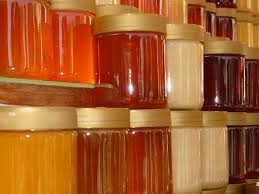
Table of Contents
Honey occupies a genuinely unusual position in nutrition. By the numbers alone, it looks almost identical to refined sugar — 82.4g of carbohydrate per 100g, of which 82.1g is sugar, with negligible protein, fat, vitamins, or minerals. And yet honey isn’t simply sugar in a different bottle: it has well-documented antibacterial properties, a different sugar composition from table sugar, and one specific, serious safety warning that has nothing to do with sugar at all and deserves to be stated clearly rather than buried.
This page covers both sides honestly — what honey actually offers beyond its calories, and what it doesn’t — without either dismissing it as “just sugar” or overstating it as a health food.
Honey Nutrition Facts (per 100g)
| Nutrient | Amount |
|---|---|
| Calories | 304 kcal |
| Protein | 0.3g |
| Fat | 0g |
| — Saturated Fat | 0g |
| — Monounsaturated Fat | 0g |
| — Polyunsaturated Fat | 0g |
| Carbohydrates | 82.4g |
| — Sugars | 82.1g |
| — Fiber | 0.2g |
| Cholesterol | 0mg |
| Sodium | 4mg |
Honey Nutrition Facts (per 21g serving — approximately 1 tablespoon)
A standard tablespoon of honey weighs about 21g:
| Nutrient | Per Tablespoon (21g) |
|---|---|
| Calories | 64 kcal |
| Protein | 0.06g |
| Fat | 0g |
| Carbohydrates | 17.3g |
| — Sugars | 17.2g |
| Sodium | 0.8mg |
A single tablespoon delivers more sugar than many people realize — over 17g. The World Health Organization recommends keeping free sugars, which include honey, below 10% of daily calories — about 50g a day for most adults — and suggests further benefits below 5%, about 25g. One tablespoon of honey is a third of the first limit and two-thirds of the second.
Vitamins and Minerals in Honey (per 100g)
| Nutrient | Amount | % Daily Value |
|---|---|---|
| Vitamin B1 (Thiamine) | 0mg | 0% |
| Vitamin B2 (Riboflavin) | 0.04mg | 3% |
| Vitamin B3 (Niacin) | 0.12mg | 1% |
| Vitamin B6 | 0.02mg | 1% |
| Vitamin B9 (Folate) | 2µg | 1% |
| Vitamin C | 0.5mg | 1% |
| Calcium | 6mg | 0% |
| Potassium | 52mg | 1% |
| Iron | 0.42mg | 2% |
| Zinc | 0.22mg | 2% |
| Manganese | 0.08mg | 3% |
| Copper | 0.04mg | 4% |
The honest picture: every figure here is a trace amount. Honey contributes negligible vitamins and minerals at any realistic serving size — a tablespoon delivers well under 1% of the daily value of any of them. That isn’t a flaw specific to honey; it reflects what honey is: flower nectar, concentrated and transformed by bees into an almost pure sugar solution. Honey should never be chosen for its vitamins or minerals — whatever value it offers comes from elsewhere, as detailed below.
What Honey Actually Is
Bees make honey by collecting flower nectar and adding enzymes — most importantly invertase, which splits the nectar’s sucrose into glucose and fructose — then evaporating the liquid in the hive until it reaches honey’s characteristically low moisture content, usually below about 18%. This combination of low moisture, very high sugar concentration, and natural acidity (a pH of roughly 3.5–4.5) makes honey highly resistant to microbial growth, so properly stored honey can keep for years without spoiling — archaeologists have reported finding still-edible honey in ancient Egyptian tombs.
The result is roughly 38% fructose and 31% glucose, with the rest made up of water, other sugars, and trace compounds. That’s a different make-up from table sugar (sucrose), which is 50% glucose and 50% fructose bonded together as a single molecule that the digestive enzyme sucrase must split before absorption.
The Antibacterial Story: What’s Actually Documented
This is honey’s most interesting and best-evidenced property — and it has nothing to do with its nutrient content.
Why Honey Resists Bacteria
Honey’s antibacterial activity comes from several overlapping mechanisms, each well documented in laboratory research:
Low water activity — honey is so concentrated with sugar that it draws water out of bacterial cells by osmosis, preventing most microorganisms from growing.
Hydrogen peroxide — an enzyme bees add to honey (glucose oxidase) slowly releases hydrogen peroxide when honey is diluted, such as when it’s applied to a moist wound, providing a mild antimicrobial effect.
Acidity — honey’s low pH creates an environment hostile to many bacteria.
Methylglyoxal (MGO) — found in particularly high concentrations in Manuka honey from New Zealand and Australia, this compound provides additional antibacterial activity that doesn’t depend on hydrogen peroxide. It’s the basis of the “MGO” ratings on Manuka honey labels.
What the Clinical Research Shows
This isn’t just folklore — medical-grade honey is a recognized wound-care product. Systematic reviews have found that honey dressings may help some wounds heal faster than conventional dressings — the evidence is strongest for partial-thickness burns — and in laboratory testing, honey is active against a range of bacteria, including some antibiotic-resistant strains. Manuka honey has the strongest research base and is sold as a regulated medical product, not just a food, in several countries.
The important distinction: this research applies to honey used on wounds, generally medical-grade, sterilized honey — not to honey eaten as food. Eating honey doesn’t deliver these antibacterial effects to the rest of the body. And never put ordinary kitchen honey on a serious wound; medical-grade products are specially prepared and sterilized.
Honey and Coughs: What’s Actually Supported
Honey’s traditional use for coughs and sore throats has more direct evidence behind it than many home remedies.
Clinical trials, including several on children’s nighttime coughs, have found that honey reduces cough frequency and severity better than no treatment or placebo, and about as well as the common over-the-counter cough ingredient dextromethorphan. How it works isn’t fully understood — honey’s thick texture may soothe an irritated throat, and its sweet taste may help calm the cough reflex.
It’s a reasonable, evidence-supported remedy for adults and for children over 12 months (see the critical infant warning below). It eases symptoms rather than treating the underlying illness, so severe or persistent symptoms still need medical attention.
The Critical Safety Warning: Infant Botulism
This deserves to be stated clearly and prominently, because it’s a genuine, serious safety issue rather than a minor consideration.
Never give honey — including pasteurized honey — to babies under 12 months old.
Honey can contain dormant spores of Clostridium botulinum, the bacterium that causes botulism. These spores are harmless to older children and adults, whose mature gut microbiome stops them from germinating. A baby’s gut, however, isn’t yet developed enough to do this, so the spores can germinate in the intestine and produce botulinum toxin — causing infant botulism, a serious and potentially life-threatening illness.
Pasteurization and normal cooking don’t make honey safe for babies, because the heat used doesn’t reliably destroy botulinum spores. The only effective precaution is to avoid honey completely — including in baked goods and cooked dishes — until a child’s first birthday. After that, the gut is mature enough that the risk no longer applies, and honey is as safe for children as it is for adults.
Is Honey “Healthier” Than Sugar? An Honest Comparison
This is one of the most common questions about honey, and it deserves a precise, non-exaggerated answer.
| Property | Honey | Table Sugar (Sucrose) |
|---|---|---|
| Calories per 100g | 304 kcal | Higher — it’s pure sugar with no water (about 4 kcal per gram) |
| Calories per tablespoon | 64 kcal (21g) | Fewer — a level tablespoon of sugar weighs only about 12–13g |
| Sugar composition | ~38% fructose, ~31% glucose, plus other sugars | 50% fructose, 50% glucose (bonded as sucrose) |
| Glycaemic index | About 60 on average — varies widely by type | About 65 |
| Antioxidants | Small amounts of flavonoids and phenolic acids | Essentially none |
| Antibacterial properties | Documented — mainly relevant on wounds | None |
| Vitamins and minerals | Trace amounts | Essentially none |
| Effect on blood sugar | Raises blood sugar meaningfully | Raises blood sugar meaningfully |
The honest conclusion: on average, honey has a slightly lower glycaemic index than table sugar, contains small amounts of antioxidant compounds that sugar lacks, and has genuine, separately documented antibacterial uses. But it’s still a concentrated sugar that raises blood glucose substantially, and spoon for spoon it actually contains more calories than granulated sugar. It counts as a free sugar in health guidelines and should be treated that way — not as a health food or a guilt-free substitute. The differences between honey and table sugar are real, but small.
Honey for Athletes and Active People
A Reasonable Pre- or During-Workout Carbohydrate
Honey’s mix of glucose and fructose makes it a reasonable natural carbohydrate source around training. Like other simple carbohydrates, it provides readily available energy without the fat, fiber, or protein that can slow digestion when quick fueling is the priority — and because glucose and fructose are absorbed through different routes, a mix of the two can be absorbed faster than glucose alone during long sessions.
A Practical Addition to Recovery Nutrition
A little honey in a post-workout shake or meal adds quick carbohydrate to help replenish glycogen, though its calories should be counted within your daily intake rather than treated as a free extra.
Not a Substitute for Whole-Food Carbohydrates
With no fiber, protein, or meaningful micronutrients, honey is best thought of as a flavoring and quick-energy tool used in moderation — not as a main carbohydrate source. Whole foods like fruit, oats, or rice provide considerably more nutrition for similar calories.
Different Types of Honey
Manuka honey — made from the nectar of the Manuka bush in New Zealand and parts of Australia, notable for its high methylglyoxal content and the strongest research base for wound care. It’s usually sold at a significant price premium with an MGO or UMF (Unique Manuka Factor) grade.
Raw, unfiltered honey — minimally processed, so it keeps more pollen, propolis, and natural enzymes than heavily filtered honey, though its basic nutrition is essentially the same.
Pasteurized honey — heat-treated to slow crystallization and improve clarity, with little effect on overall nutrition, though some heat-sensitive enzymes and aroma compounds are reduced.
Single-flower honeys (clover, acacia, buckwheat, and others) — vary in flavor, color, and somewhat in antioxidant content, with darker honeys such as buckwheat generally containing more phenolic antioxidants than lighter ones. Their glycaemic index varies too: honeys higher in fructose, such as acacia, tend to have a lower GI.
Practical Ways to Include Honey in Your Diet
As a sweetener in modest amounts — a small drizzle in tea, on yogurt, or in homemade dressings adds flavor. Because honey tastes sweeter than sugar, you may be able to use a little less.
For coughs and sore throats — a spoonful on its own or in warm water with lemon, for adults and children over 12 months, is a reasonable, evidence-supported comfort measure.
As a quick pre-workout carbohydrate — a small amount before training for readily available energy, counted within your daily sugar and calorie intake.
In baking — honey browns faster and adds moisture, so it works well as a partial substitute for some of the sugar in homemade baking (most recipes reduce the oven temperature slightly when using it).
Potential Considerations
Never give honey to babies under 12 months — as detailed above, this is the single most important safety point about honey, and it applies however the honey is processed or cooked.
It still counts as added sugar — despite its trace antioxidants and antibacterial uses, honey should be counted like any other added or free sugar in your daily intake.
Blood sugar — people managing diabetes or blood sugar should treat honey with the same caution as other concentrated sugars and account for it in meal planning.
“Mad honey” — honey made from certain rhododendron flowers, mainly in the Black Sea region of Turkey, contains natural toxins called grayanotoxins that can cause dizziness, a dangerously slow heart rate, and low blood pressure. It’s sometimes sold as a novelty or “natural remedy” and is best avoided. Ordinary commercial honey isn’t a concern.
Allergies — reactions to honey are uncommon, but people with pollen or bee-product allergies can occasionally react to honey containing those components.
Not a treatment for serious illness — honey has genuine, research-supported benefits for mild coughs and, as medical-grade products, for certain wounds, but it’s no substitute for medical care for serious infections, illnesses, or wounds.
Nutrient data: USDA FoodData Central, SR Legacy — honey (FDC ID 169640). Glycaemic index values from published GI testing. % Daily Values use the FDA’s current Daily Values.