

Molybdenum
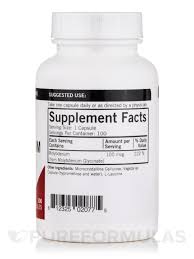
Table of Contents
Molybdenum is an essential trace mineral needed by just four known human enzymes — but those enzymes handle important steps in breaking down sulfur-containing amino acids, purines, and a range of drugs and toxins. In the body, molybdenum works as part of a cofactor called molybdopterin and is stored mainly in the liver, kidneys, adrenal glands, and bones. The kidneys control molybdenum levels by excreting any excess. Dietary deficiency has never been reported in healthy people. What makes molybdenum worth understanding isn’t the risk of deficiency, but what it does — including its role in clearing sulfites, which are produced naturally in the body and added to some foods as preservatives.
Key Mechanisms
Molybdenum is the metal at the heart of the molybdenum cofactor, which four enzymes need to carry out their reactions.
Sulfite oxidase: the most clinically important molybdenum enzyme. It converts sulfite into sulfate, which is excreted in urine. Sulfites are produced naturally when the body breaks down the sulfur-containing amino acids methionine and cysteine, and are also added as preservatives to foods such as wine, dried fruit, and some processed foods. Without working sulfite oxidase, sulfite builds up to toxic levels — as happens in a rare inherited disorder, molybdenum cofactor deficiency, which causes severe brain damage and seizures in newborns (see below).
Sulfite sensitivity is a different matter. A small percentage of people — most often those with asthma — react to sulfite-containing foods and drinks with wheezing, flushing, or hives. The causes of these reactions are varied and not fully understood, and there’s no good evidence that they’re caused by low molybdenum intake or that molybdenum supplements prevent them. People with sulfite sensitivity should avoid sulfites — check labels for “sulfites,” “sulfur dioxide,” or “metabisulfite.”
Xanthine oxidase: carries out the final steps of purine breakdown, converting hypoxanthine and xanthine into uric acid. (Purines are building blocks of DNA and RNA, released when cells are recycled and found in foods such as organ meats, some seafood, and beer.) Uric acid is itself a powerful antioxidant, responsible for a large share of the blood’s antioxidant capacity. The paradox: when uric acid levels get too high, it can crystallize in the joints and cause gout. Allopurinol and febuxostat, the main medicines used to lower uric acid in gout, work by blocking xanthine oxidase.
Aldehyde oxidase: breaks down a wide range of aldehydes and related compounds, including some environmental toxins and many medicines. It also helps break down vitamin B6 for excretion, and can convert retinal into retinoic acid — the active form of vitamin A that regulates genes — though other enzymes do most of that work.
Mitochondrial amidoxime-reducing component (mARC): the most recently discovered molybdenum enzyme, identified in the 2000s. It works in the mitochondria, helping to detoxify certain compounds and to activate some medicines that are given in an inactive “prodrug” form.
RDA (Recommended Dietary Allowance)
| Age | Males | Females |
|---|---|---|
| 0-6 months* | 2µg | 2µg |
| 7-12 months* | 3µg | 3µg |
| 1-3 | 17µg | 17µg |
| 4-8 | 22µg | 22µg |
| 9-13 | 34µg | 34µg |
| 14-18 | 43µg | 43µg |
| 19+ | 45µg | 45µg |
| Pregnant | — | 50µg |
| Breastfeeding | — | 50µg |
* Adequate Intake (AI) for infants. Source: US National Academies, via the NIH Office of Dietary Supplements. The daily value used on food labels is 45µg.
ODA (Optimal Daily Allowance)
Meet the RDA — 45µg a day for adults — which almost everyone does from food. In the US, average intakes from food have been estimated at about 109µg a day for men and 76µg for women, well above the RDA, and no groups of people are known to be at risk of low intake. There’s no evidence that taking more improves health, so there’s no need to aim higher or to take a standalone molybdenum supplement.
Found In
| Food | Molybdenum (per serving) | % Daily Value |
|---|---|---|
| Black-eyed peas, boiled, ½ cup | 288µg | 640% |
| Beef liver, pan-fried, 3oz (85g) | 104µg | 231% |
| Lima beans, boiled, ½ cup | 104µg | 231% |
| Yogurt, plain, low-fat, 1 cup | 26µg | 58% |
| Milk, 2%, 1 cup | 22µg | 49% |
| Potato, baked, flesh and skin, 1 medium | 16µg | 36% |
| Banana, 1 medium | 15µg | 33% |
| Shredded wheat cereal, ½ cup | 15µg | 33% |
| White rice, long grain, cooked, ½ cup | 13µg | 29% |
| Whole wheat bread, 1 slice | 12µg | 27% |
| Peanuts, dry roasted, 1oz (28g) | 11µg | 24% |
| Chicken, light meat, roasted, 3oz (85g) | 9µg | 20% |
| Egg, large, soft-boiled | 9µg | 20% |
| Spinach, boiled, ½ cup | 8µg | 18% |
| Beef, ground, pan-fried, 3oz (85g) | 8µg | 18% |
| Cheddar cheese, 1oz (28g) | 6µg | 13% |
| Orange, 1 medium | 4µg | 9% |
| Carrots, raw, ½ cup | 2µg | 4% |
Source: NIH Office of Dietary Supplements. USDA food databases don’t list molybdenum, so data on molybdenum in foods is limited and values are approximate.
Legumes are by far the richest sources, followed by whole grains, nuts, and beef liver; in the US, the main sources are legumes, cereal grains, leafy vegetables, beef liver, and milk. The molybdenum content of plant foods depends heavily on the soil and irrigation water where they’re grown — the same food can contain several times more in one region than another. Some areas with very low soil molybdenum, such as parts of northern China, have been linked with high rates of esophageal cancer, though whether low molybdenum plays a causal role hasn’t been established.
Helps With
- Clearing sulfite produced during the breakdown of sulfur-containing amino acids
- Breaking down purines into uric acid, a natural antioxidant in the blood, via xanthine oxidase
- Metabolizing and clearing aldehydes, some environmental toxins, and many medicines
- Breaking down vitamin B6 for excretion, and contributing to vitamin A activation, through aldehyde oxidase
- Processing sulfur-containing amino acids (methionine and cysteine)
For Athletes and Active People
Molybdenum is the trace mineral with the least direct relevance to athletic performance. A couple of related points are still worth knowing.
Uric acid and gout: uric acid comes from breaking down purines — from the body’s own cell turnover and from purine-rich foods such as organ meats, some seafood, and beer, along with sugary drinks high in fructose, which raise uric acid production. Athletes who are prone to gout or high uric acid should look at those dietary factors, along with alcohol and hydration. This is about overall purine load and xanthine oxidase activity — not molybdenum intake, which doesn’t need to be changed.
Sulfites in training foods: dried fruit, such as dried apricots, is often preserved with sulfites. Most people clear these sulfites easily, but athletes with sulfite sensitivity — more common in people with asthma — may react to them. If you notice wheezing, flushing, or hives after sulfite-preserved foods, choose sulfite-free versions; molybdenum supplements won’t help.
Beyond this, athletes eating legumes, whole grains, dairy, and a range of whole foods cover their molybdenum needs without any special attention.
Insufficient Doses
Dietary deficiency has never been reported in healthy people, and no groups are known to be at risk of low intake. Two situations show what happens without molybdenum:
- A single case on IV feeding: in 1981, a patient receiving long-term intravenous nutrition that contained no molybdenum developed a rapid heart rate, rapid breathing, headache, night blindness, and eventually coma. Tests showed high sulfite and low uric acid levels, and the symptoms resolved when molybdenum was given.
- Molybdenum cofactor deficiency: a rare inherited disorder in which the body can’t make the molybdenum cofactor, so sulfite oxidase and the other molybdenum enzymes don’t work — however much molybdenum is in the diet. Sulfite builds up and causes severe brain damage and seizures, usually within days of birth, and it’s often fatal. One form (type A) can now be treated with a replacement for the missing cofactor precursor if it’s started early.
Signs of deficiency (from these rare cases):
- Neurological problems — headache, lethargy, confusion, seizures, and coma in severe cases
- Rapid heart rate and breathing
- Night blindness
- Sulfite buildup and problems processing sulfur-containing amino acids
- Low uric acid and high xanthine levels, because xanthine can’t be converted into uric acid
Excessive Doses
Upper limit (UL): 2,000µg a day for adults, from all sources. Because there’s so little human data, the UL is based on effects on reproduction and fetal development in rats and mice. The limits for children are lower:
| Age | Upper Limit |
|---|---|
| 1-3 | 300µg |
| 4-8 | 600µg |
| 9-13 | 1100µg |
| 14-18 (including pregnancy and breastfeeding) | 1700µg |
| 19+ (including pregnancy and breastfeeding) | 2000µg |
Source: US National Academies, via the NIH Office of Dietary Supplements. No UL was set for infants, whose only sources should be breast milk, formula, and food.
Molybdenum from food isn’t a realistic concern for healthy people — the kidneys rapidly excrete any excess. The evidence on excess in people is limited:
- Gout-like symptoms: in a region of Armenia with extremely molybdenum-rich soil, where people consumed an estimated 10–15mg a day — five to seven times the UL — people had achy joints, gout-like symptoms, and high blood uric acid levels.
- Industrial exposure: acute toxicity is rare, but can occur with high exposure in mining and metalworking.
- Copper: in cattle and sheep, high molybdenum intake combined with sulfur forms thiomolybdates in the gut, which cause copper deficiency. In people, the effect at normal and moderately high intakes appears small — in a controlled study, young men consuming up to about 1,500µg of molybdenum a day showed no change in copper status. Purified thiomolybdate compounds, however, do lower copper strongly, and one has been studied as a treatment for Wilson’s disease, a disorder of copper overload.
Supplementation
Standalone molybdenum supplements are rarely, if ever, needed. Molybdenum is included in many multivitamin and mineral products — supplement amounts range from about 50µg to 500µg — which is more than enough on top of what food provides.
Forms used in supplements include sodium molybdate, molybdenum chloride, molybdenum glycinate, and molybdenum amino acid chelate. No studies have compared how well these forms are absorbed, so there’s no reason to prefer one over another. Adults absorb a large share of dietary molybdenum — roughly 40–100% — regardless.
Keep total intake below 2,000µg a day.
How to Take It
For almost everyone, the answer is: don’t supplement it specifically. Eat legumes, whole grains, dairy, and a varied diet, and your needs are comfortably met. If you take a multivitamin, it probably contains molybdenum already.
If you do take a supplement containing molybdenum, take it with food, and avoid high-dose standalone products — there’s no proven benefit, and the long-term effects of high supplemental intakes haven’t been studied in people.
Interactions
Molybdenum has no known clinically relevant interactions with medications. Very high molybdenum intakes, particularly with high sulfur intake, can reduce copper availability — a well-established effect in livestock that appears small in people at normal intakes.
Synergy
- Works with vitamin B6 in sulfur amino acid metabolism — B6-dependent enzymes break down methionine and cysteine, producing sulfite that molybdenum-dependent sulfite oxidase then clears.
- Works with iron — sulfite oxidase contains iron (in a heme group) alongside molybdenum, and xanthine oxidase and aldehyde oxidase contain iron-sulfur clusters.
- Contributes to vitamin A activation — aldehyde oxidase can convert retinal into retinoic acid.
Antagonistic Interactions
- Very high molybdenum intakes, especially with high sulfur intake, can reduce copper availability through thiomolybdate formation — dramatic in livestock, small in people at normal intakes.
- Very high intakes (around 10–15mg a day) have been linked with high uric acid and gout-like symptoms.