

Carrots: Nutrition Facts, Health Benefits, and the Truth About Eyes, Night Vision, and Beta-Carotene
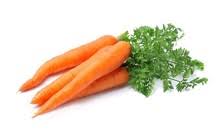
Carrots are one of the most universally recognized vegetables on the planet — crunchy, sweet, affordable, and endlessly versatile. They’re also nutritionally impressive in ways most people only partly understand. The Vitamin A story is real — 95% of the daily requirement in 100g of cooked carrots, for just 35 calories — but carrots offer more than a single headline nutrient. Their fiber, their falcarinol compounds, and the fascinating story of how cooking changes what you absorb all make carrots one of the most interesting vegetables to understand properly.
And then there’s the question everyone asks: do carrots really improve your eyesight? The answer is more interesting than a simple yes or no — and involves one of the most famous wartime propaganda stories in history.
Carrots Nutrition Facts (per 100g, cooked)
| Nutrient | Amount |
|---|---|
| Calories | 35 kcal |
| Protein | 0.8g |
| Fat | 0.2g |
| — Saturated Fat | 0.03g |
| — Monounsaturated Fat | 0.01g |
| — Polyunsaturated Fat | 0.1g |
| Carbohydrates | 8.2g |
| — Sugars | 3.5g |
| — Fiber | 3.0g |
| Cholesterol | 0mg |
| Sodium | 58mg |
USDA’s figures for carrots, boiled and drained, without salt. The sodium is naturally present in carrots.
Fresh vs Frozen Carrots (per 100g, boiled)
Frozen carrots are a convenient option — and nutritionally, they’re almost identical to fresh:
| Nutrient (100g, boiled) | Fresh | Frozen |
|---|---|---|
| Calories | 35 kcal | 37 kcal |
| Vitamin A | 852µg (95% DV) | 846µg (94% DV) |
| Vitamin C | 3.6mg (4% DV) | 2.3mg (3% DV) |
| Fiber | 3.0g | 3.3g |
Beta-carotene holds up well to freezing, so frozen carrots provide essentially the same Vitamin A as fresh — a useful fact for anyone who wants carrots on hand without worrying about them going soft.
Vitamins in Carrots (per 100g, cooked)
| Vitamin | Amount | % Daily Value |
|---|---|---|
| Vitamin A (RAE) | 852µg | 95% |
| Vitamin B1 (Thiamine) | 0.07mg | 6% |
| Vitamin B2 (Riboflavin) | 0.04mg | 3% |
| Vitamin B3 (Niacin) | 0.65mg | 4% |
| Vitamin B5 (Pantothenic Acid) | 0.23mg | 5% |
| Vitamin B6 | 0.15mg | 9% |
| Vitamin B9 (Folate) | 14µg | 4% |
| Vitamin B12 | 0µg | 0% |
| Vitamin C | 3.6mg | 4% |
| Vitamin D | 0µg | 0% |
| Vitamin E | 1.03mg | 7% |
| Vitamin K | 13.7µg | 11% |
Standout: Carrots deliver 95% of the daily Vitamin A requirement per 100g cooked — one of the richest sources of provitamin A carotenoids among common vegetables, and the richest per calorie in our comparison below. This comes almost entirely from beta-carotene, the pigment responsible for their orange color, along with alpha-carotene. Carrots also provide Vitamin K (11% DV), Vitamin B6 (9% DV), and Vitamin E (7% DV).
Minerals in Carrots (per 100g, cooked)
| Mineral | Amount | % Daily Value |
|---|---|---|
| Calcium | 30mg | 2% |
| Phosphorus | 30mg | 2% |
| Potassium | 235mg | 5% |
| Magnesium | 10mg | 2% |
| Iron | 0.34mg | 2% |
| Zinc | 0.2mg | 2% |
| Selenium | 0.7µg | 1% |
| Copper | 0.02mg | 2% |
| Manganese | 0.16mg | 7% |
Worth noting: Carrots’ minerals are modest — potassium (235mg per 100g) for heart and muscle function and manganese (7% DV) are the most notable. The real nutritional story of carrots lies in their vitamins and plant compounds rather than their minerals.
The Carotenoid Profile of Carrots
Carrots are one of the richest sources of beta-carotene among commonly eaten vegetables — and their carotenoid profile goes beyond beta-carotene alone:
Beta-Carotene — The Main Compound
Orange carrots get their color from beta-carotene, their most abundant carotenoid. Beta-carotene is:
A provitamin A carotenoid — converted into retinol, the active form of Vitamin A, as the body needs it. For beta-carotene in food, about 12µg provides 1µg of Vitamin A activity (which the “RAE” figures above already account for), and the body converts less when its Vitamin A stores are adequate, which prevents toxicity.
An antioxidant in its own right — beyond its Vitamin A role, beta-carotene neutralizes singlet oxygen and other reactive oxygen species, helping protect cell membranes.
Alpha-Carotene
Carrots are one of the richest common sources of alpha-carotene — a closely related carotenoid with about half the provitamin A activity of beta-carotene. In a large US study following more than 15,000 adults for about 14 years, people with higher blood levels of alpha-carotene had lower rates of death from all causes — an association that likely reflects vegetable-rich diets overall.
Lutein and Zeaxanthin
Orange carrots contain small amounts of lutein and zeaxanthin — the carotenoids that concentrate in the macula of the eye. Yellow carrot varieties contain more lutein.
Lycopene (in Red Carrots)
Red carrot varieties contain lycopene — the red carotenoid best known from tomatoes and watermelon. Orange carrots contain very little.
The Color-Nutrition Connection
Within orange carrots, color is a useful guide: deeper orange generally means more beta-carotene. The same rough rule applies across orange vegetables — the deeper the orange, the more provitamin A carotenoids they tend to contain.
Raw vs. Cooked: How Cooking Changes What You Absorb
This is one of the most practically useful — and counterintuitive — facts about carrots.
Why Raw Carrots Give Up Their Beta-Carotene Slowly
In raw carrots, beta-carotene is locked inside tough plant cell walls and in crystal-like deposits within specialized structures called chromoplasts. Human digestion doesn’t break these structures down efficiently, so studies suggest only a relatively small share of the beta-carotene in raw carrots is actually absorbed.
How Cooking Improves Absorption
Cooking softens and breaks down cell walls, releasing beta-carotene so that it’s easier to absorb. Puréeing cooked carrots, as in soup, breaks them down further. Studies have found that cooked and especially puréed carrots provide considerably more absorbable beta-carotene than raw carrots — even though the total amount in the carrot barely changes.
The Fat Effect
Beta-carotene is fat-soluble, so it needs fat in the same meal to be absorbed well. Eating carrots completely fat-free substantially reduces absorption, while adding fat increases it — in one study, adding avocado to a meal containing carrots increased beta-carotene absorption several-fold.
The practical implication: carrot sticks with hummus, carrots roasted in olive oil, or carrot soup with coconut milk or cream all deliver more usable beta-carotene than plain raw carrots on their own.
Does This Mean You Should Never Eat Raw Carrots?
Not at all — raw carrots still provide plenty of value:
- Even the smaller share of beta-carotene absorbed from raw carrots is meaningful, given how much they contain
- Raw carrots keep more Vitamin C and falcarinol than cooked
- Raw carrots have a lower glycaemic index than cooked
- They make an excellent portable snack with hummus, nut butter, or tzatziki — which also provide the fat that improves absorption
The best approach: eat carrots both raw, with a fat-containing dip, and cooked, with a little oil — getting the benefits of both.
The WWII Myth: Do Carrots Really Improve Your Vision?
This is one of the most searched questions about carrots — and the answer involves one of the most famous propaganda stories of World War II.
The Origin: Night Fighters and a Cover Story
During World War II, the Royal Air Force began using airborne radar that helped its night fighter pilots find German bombers in the dark. Britain wanted to keep the technology secret, and a convenient explanation for the pilots’ success was promoted: that night-fighter ace John “Cat’s Eyes” Cunningham and his colleagues owed their remarkable night vision to eating lots of carrots.
At the same time, Britain’s Ministry of Food was promoting carrots — which were plentiful while many foods were rationed — with campaigns claiming they helped you see in the blackout. Whether the carrot story ever fooled German intelligence is doubtful, since Germany had radar of its own, but it worked brilliantly at home: the idea that carrots give you night vision has persisted for more than 80 years.
The Partial Truth Behind the Myth
The story was believable partly because there’s a real biological connection between carrots, Vitamin A, and vision — just not the one popularly imagined.
What Vitamin A actually does for vision: Vitamin A is needed to make rhodopsin, the light-sensitive pigment in the retina’s rod cells, which handle low-light vision. Without enough Vitamin A, rhodopsin can’t be regenerated properly after light exposure, leading to slow adaptation to the dark and eventually night blindness.
The key distinction:
- Vitamin A deficiency causes poor night vision — this is real and well documented, and correcting the deficiency restores normal night vision.
- Eating extra carrots doesn’t give you better-than-normal night vision — if your Vitamin A levels are already adequate, as they are for most people with a varied diet, more beta-carotene won’t improve your night vision further.
The honest answer: carrots can restore normal night vision in someone who is Vitamin A deficient — still a serious problem in parts of the world. For everyone else, they help maintain normal vision and long-term eye health, but they won’t give you superhuman night vision, however many you eat.
Falcarinol: Carrots’ Lesser-Known Compound
Beyond beta-carotene, carrots contain compounds called polyacetylenes — particularly falcarinol and falcarindiol — that have attracted scientific interest for their potential cancer-protective properties.
What Is Falcarinol?
Falcarinol is a natural pesticide that carrots produce to protect themselves against fungal disease. It’s concentrated toward the outer part of the carrot, and polyacetylenes contribute to the slightly bitter taste carrots sometimes have. Peeling and cooking both reduce falcarinol content.
The Evidence So Far
In a 2005 study by researchers from Newcastle University and Denmark, rats exposed to a cancer-causing chemical and fed either carrots or isolated falcarinol developed about a third fewer tumors than rats on a control diet — suggesting falcarinol, not just beta-carotene, may be involved in carrots’ potential benefits.
Laboratory studies have also found that falcarinol can slow the growth of colon cancer cells. These are promising early findings, but they come from animal and laboratory research — they haven’t yet been confirmed in people.
Practical Tips for Keeping Falcarinol
Scrub rather than peel — the outer layer is richest in falcarinol.
Eat some raw — cooking reduces falcarinol content.
Cook carrots whole, then cut them — Newcastle University researchers found that carrots boiled whole and cut afterward kept about 25% more falcarinol than carrots chopped before cooking, because chopped pieces lose more into the cooking water.
Fiber and the Blood Sugar Story
Cooked carrots contain 3.0g of fiber per 100g, including soluble fiber in the form of pectin.
Carrots are sweeter than most vegetables, but they have a low-to-moderate glycaemic index — around 35–40 for boiled carrots in published testing, with raw carrots testing lower still. Because a serving contains only a modest amount of carbohydrate (8.2g per 100g cooked, 3.0g of it fiber), their glycaemic load is very low. Despite their reputation, carrots are an excellent vegetable for people watching their blood sugar.
Health Benefits of Carrots
Excellent Vitamin A for Immune and Vision Health
At 95% of daily Vitamin A per 100g cooked, carrots are one of the most concentrated common sources of provitamin A carotenoids. Vitamin A is essential for:
- Maintaining the linings of the respiratory, digestive, and urinary tracts — the first physical defense against infection
- The development and function of immune cells
- Producing rhodopsin for low-light vision
- Normal cell development throughout the body
- Skin health and wound healing
Heart Health
Carrots fit well into a heart-healthy diet:
Carotenoids — higher blood carotenoid levels, which reflect diets rich in fruits and vegetables, are associated with lower cardiovascular disease risk in large population studies.
Fiber — 3.0g per 100g cooked, including soluble pectin, contributes to the fiber intake linked with lower heart disease risk.
Potassium — 235mg per 100g helps counter sodium’s effect on blood pressure.
A 10-year study of more than 20,000 adults in the Netherlands found that people who ate more deep-orange vegetables — mostly carrots — had a lower risk of coronary heart disease, with each additional 25g a day associated with a 32% lower risk. It’s an observational finding, but a striking one.
Cancer Research
Beyond falcarinol, the evidence linking carrots and other carotenoid-rich vegetables with lower cancer risk is mostly observational:
Colorectal cancer — diets high in vegetables and fiber are consistently associated with lower colorectal cancer risk, and falcarinol is being studied as one possible contributor from carrots.
Lung cancer — higher intakes of beta-carotene and alpha-carotene from food have been associated with lower lung cancer risk in several prospective studies. High-dose beta-carotene supplements, by contrast, increased lung cancer risk in smokers in large trials.
Breast cancer — a pooled analysis of several studies found that women with higher blood carotenoid levels had a lower risk of breast cancer, particularly hormone receptor-negative types.
The honest qualification: population associations don’t prove causation, and people who eat more carrots tend to have healthier diets overall. Carrots are best seen as one part of a vegetable-rich, cancer-protective diet rather than a standalone intervention.
Eye Health — The Real Story
As covered above, carrots won’t give you better-than-normal vision, but they do support eye health:
Vitamin A for rhodopsin — maintains normal low-light vision and adaptation to the dark.
Lutein and zeaxanthin — the small amounts in carrots add to the macular pigment, alongside much larger contributions from leafy greens.
The AREDS trials — the original Age-Related Eye Disease Study found that a high-dose supplement of antioxidants (including beta-carotene) and zinc slowed the progression of intermediate age-related macular degeneration. The follow-up trial, AREDS2, replaced beta-carotene with lutein and zeaxanthin, partly because of the lung cancer risk beta-carotene supplements pose for smokers.
Blood Sugar Friendly
As covered above, carrots’ low glycaemic load and fiber make them a good vegetable for people managing blood sugar, despite their natural sweetness. Some observational studies have also linked higher blood carotenoid levels with lower risk of type 2 diabetes, though this isn’t proven.
Skin Health
Vitamin A from carrots’ beta-carotene supports normal skin cell turnover and the structure of the skin — the same processes that retinoid skin treatments target.
At very high intakes of beta-carotene-rich foods, carotenemia — a harmless, reversible orange-yellow tint to the skin — can occur, most noticeably on the palms and soles. It fades when intake falls.
Gut Health
Pectin (soluble fiber) — carrots are a good source of pectin, which feeds beneficial gut bacteria and forms a gel that can help firm up loose stools — likely why carrots have long been used as a traditional remedy for diarrhea.
Insoluble fiber — adds bulk and supports regular bowel movements.
A Tooth-Friendly Snack
Crunchy raw carrots make a tooth-friendly snack compared with sugary or sticky alternatives: chewing them stimulates saliva, which helps neutralize acids in the mouth. They’re no substitute for brushing, but they’re a smart snack choice.
Carrots for Athletes and Active People
Vitamin A for Immune Support
Very heavy training can temporarily weaken immune defenses. Vitamin A from carrots supports the airway linings and immune cells that help protect against respiratory infections. At 95% of daily Vitamin A per 100g cooked for only 35 calories, carrots are one of the most calorie-efficient ways to get it.
Antioxidant Support
Intense exercise increases free radical production. Carrots’ beta-carotene, alpha-carotene, and Vitamin E contribute to the antioxidant-rich diet that supports recovery — without the blunting of training adaptations seen in some studies of high-dose antioxidant supplements.
Pre-Workout Snack with Dip
Raw carrots with hummus or nut butter 1–2 hours before training provide:
- Carbohydrate from the carrots and dip
- Protein from the hummus or nut butter
- Fat from the dip, helping you absorb the beta-carotene
- Fiber and potassium
Low-Calorie Snacking During Cutting Phases
With 35 calories per 100g and plenty of fiber, carrots are one of the most practical low-calorie snacks during fat-loss phases. A 150g serving of cooked carrots provides just 53 calories with 142% of daily Vitamin A — a lot of nutrition for very few calories.
Potassium
Carrots’ 235mg of potassium per 100g contributes to the potassium intake that supports fluid balance, muscle contraction, and heart rhythm — see our electrolytes guide.
Raw vs. Cooked Carrots: A Quick Guide
| Consideration | Raw Carrots | Cooked Carrots |
|---|---|---|
| Beta-carotene absorption | Lower | Higher, especially when puréed |
| With fat | Improved | Highest |
| Vitamin C | Higher | Lower |
| Falcarinol | Higher | Reduced by cooking |
| Glycaemic index | Lower | Low to moderate |
| Digestibility | Harder to digest | Easier to digest |
| Texture | Crunchy, mildly sweet | Soft, sweeter |
| Best preparation | With a fat-containing dip | Roasted in olive oil, or in soup |
The ideal approach: include both raw and cooked carrots regularly:
- Raw: as snacks with hummus, in salads, or as crudités — keeping Vitamin C and falcarinol
- Cooked: roasted in olive oil, or in soups and stews — maximizing beta-carotene absorption
Different Carrot Varieties: Colors and Nutrition
The familiar orange carrot is just one of several colors, each with a different nutritional profile:
Orange carrots — highest in beta-carotene and alpha-carotene. The standard variety and the richest provitamin A source.
Purple carrots — contain anthocyanins, the same family of purple pigments found in blueberries and red cabbage, often alongside some beta-carotene.
Yellow carrots — contain lutein, the eye-health carotenoid found in leafy greens, with less beta-carotene than orange carrots.
Red carrots — contain lycopene, the red carotenoid best known from tomatoes.
White carrots — contain very little of the colored carotenoids, so they provide fiber and minerals but almost no Vitamin A.
A little history: the first cultivated carrots, in Central Asia, were mainly purple and yellow. The orange carrot was developed later — Dutch growers in the 17th century played a big part in making it the standard.
The practical recommendation: where available, mixing carrot colors gives you a wider range of pigments — orange for beta-carotene, purple for anthocyanins, yellow for lutein, and red for lycopene.
Carrots vs. Other High Vitamin A Vegetables
| Vegetable (100g) | Calories | Vitamin A | Fiber | Key Carotenoids |
|---|---|---|---|---|
| Carrots (boiled) | 35 kcal | 95% DV | 3.0g | Beta-carotene, alpha-carotene |
| Sweet potato (baked) | 90 kcal | 107% DV | 3.3g | Beta-carotene |
| Pumpkin (canned) | 34 kcal | 86% DV | 2.9g | Beta-carotene, alpha-carotene |
| Butternut squash (baked) | 40 kcal | 62% DV | 3.2g | Beta-carotene, alpha-carotene, beta-cryptoxanthin |
| Spinach (boiled) | 23 kcal | 58% DV | 2.4g | Beta-carotene, lutein, zeaxanthin |
| Broccoli (boiled) | 35 kcal | 9% DV | 3.3g | Lutein, beta-carotene |
Per calorie, carrots come out narrowly on top in this group — about 24µg of Vitamin A per calorie, with canned pumpkin and cooked spinach close behind at about 23µg — while sweet potato provides the most Vitamin A per 100g. Carrots’ combination of low calories, high Vitamin A, low price, and long shelf life makes them one of the most practical Vitamin A sources available.
How to Select and Store Carrots
Selecting: choose firm carrots with a deep, even orange color — darker orange generally indicates more beta-carotene. Avoid soft, limp, or cracked carrots. If the leafy tops are attached, they should be bright green and fresh, as wilted tops indicate older carrots.
Storing: carrots keep exceptionally well — one of their practical advantages. Remove any leafy tops (they draw moisture from the root) and store carrots in a sealed bag or container in the refrigerator crisper drawer, where they’ll keep for 3–4 weeks.
Freezing: blanch in boiling water for about 2–5 minutes depending on size, transfer to ice water, drain, and freeze. As the table above shows, frozen carrots keep their Vitamin A well — they’re great for cooking, though their texture won’t suit raw eating after freezing.
Practical Ways to Include Carrots in Your Diet
Raw with dip — the most convenient option. Carrot sticks or baby carrots with hummus, tzatziki, guacamole, or nut butter give you the fat needed for beta-carotene absorption in a satisfying snack.
Roasted in olive oil — halved or cut into batons, tossed in olive oil with salt, pepper, and optional honey and thyme, then roasted at 200°C for 25–30 minutes until caramelized. Cooking plus olive oil is one of the best combinations for beta-carotene absorption.
In soups — carrot is the base of countless soups — carrot and ginger, carrot and coriander, carrot and lentil. Puréed carrot soup with coconut milk or cream is one of the best ways to absorb carrots’ beta-carotene.
In stir-fries — sliced carrots add color, crunch, and Vitamin A, along with the cooking oil that helps absorption.
Grated in salads — finely grated raw carrot adds texture and nutrition to any salad; dress with olive oil or add avocado for better absorption.
As a base vegetable — carrots, onion, and celery form the classic French mirepoix and Italian soffritto base for soups, stews, and sauces — making carrots a quiet but nutritious part of countless cooked dishes.
Carrot cake — the carrots in carrot cake do provide some beta-carotene and fiber, though the sugar and frosting add a lot of calories. A version with wholemeal flour and less sugar keeps more of the nutritional value.
Juicing — carrot juice concentrates beta-carotene, and a glass can provide well over a day’s Vitamin A. However, juicing removes most of the fiber, which has its own benefits and slows sugar absorption — so whole carrots are generally the better choice, with juice an occasional option.
Potential Considerations
Carotenemia — as mentioned above, eating very large amounts of carrots daily can tint the skin orange-yellow. It’s completely harmless and reversible.
Blood sugar — carrots have a low-to-moderate GI and a very low glycaemic load, but people with diabetes should still account for their natural sugars (3.5g per 100g cooked) — especially in juice, which lacks the fiber of whole carrots.
Vitamin A supplements — high-dose preformed Vitamin A supplements can be harmful on their own, but beta-carotene from carrots doesn’t add to that risk in the same way, because the body converts less beta-carotene when its Vitamin A stores are adequate.
Allergies — carrot allergy is uncommon, but people with birch pollen allergy may experience oral allergy syndrome — itching or tingling in the mouth — when eating raw carrots, because of similar proteins. Cooking usually breaks these proteins down, so many people with oral allergy syndrome can eat cooked carrots without problems.
Nutrient data: USDA FoodData Central, SR Legacy — carrots, cooked, boiled, drained, without salt (FDC ID 170394). Comparisons from SR Legacy: frozen carrots, boiled, without salt (FDC ID 169984); sweet potato, baked (FDC ID 168483); pumpkin, canned, without salt (FDC ID 168450); butternut squash, baked (FDC ID 169296); spinach, boiled (FDC ID 168463); and broccoli, boiled (FDC ID 169967). Glycaemic index values from published GI testing. % Daily Values use the FDA’s current Daily Values.