

Cashews: Nutrition Facts, Health Benefits, and the Mineral Powerhouse Guide
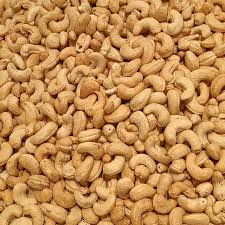
Table of Contents
Cashews are one of the world’s most beloved nuts — creamy, sweet, satisfying, and extraordinarily versatile in both sweet and savory cooking. They’re also one of the most mineral-dense foods available from any source, plant or animal. The numbers are remarkable: 247% of daily copper, 85% of manganese, 60% of magnesium, 46% of zinc, 43% of phosphorus, and 33% of iron — all per 100g, all from a food that is completely cholesterol-free and provides 17g of protein alongside 39g of fat, most of it heart-healthy monounsaturated fat.
Understanding cashews properly — their unique fatty acid profile, their extraordinary mineral density, the botanical reason they’re technically not nuts, and how their calorie density fits into different dietary goals — makes the difference between eating them thoughtlessly and incorporating them strategically as one of the most nutritionally complete plant foods available.
Cashews Nutrition Facts (per 100g)
| Nutrient | Amount |
|---|---|
| Calories | 533 kcal |
| Protein | 17.4g |
| Fat | 38.9g |
| — Saturated Fat* | 6.9g |
| — Monounsaturated Fat* | 21.1g |
| — Polyunsaturated Fat* | 7.0g |
| Carbohydrates | 36.3g |
| — Sugars* | 5.9g |
| — Fiber | 4.1g |
| Cholesterol* | 0mg |
| Sodium | 4.8mg |
* From USDA’s SR Legacy data for raw cashews, used where the newer Foundation Foods data has no value, with the fat breakdown scaled to the Foundation Foods total fat. Everything else is from Foundation Foods. Full sources are at the end of the page.
Cashews Nutrition Facts (per 28g serving — approximately 18 whole cashews)
A standard serving of cashews is approximately 28g — roughly a small handful of 18 whole pieces:
| Nutrient | Per 28g Serving |
|---|---|
| Calories | 149 kcal |
| Protein | 4.9g |
| Fat | 10.9g |
| — Saturated Fat* | 1.9g |
| — Monounsaturated Fat* | 5.9g |
| Carbohydrates | 10.2g |
| — Sugars* | 1.7g |
| — Fiber | 1.1g |
| Magnesium | 70mg (17% DV) |
| Phosphorus | 149mg (12% DV) |
| Zinc | 1.4mg (13% DV) |
| Iron | 1.7mg (9% DV) |
| Copper | 0.62mg (69% DV) |
| Vitamin K* | 9.5µg (8% DV) |
Vitamins in Cashews (per 100g)
| Vitamin | Amount | % Daily Value |
|---|---|---|
| Vitamin A (RAE)* | 0µg | 0% |
| Vitamin B1 (Thiamine)* | 0.42mg | 35% |
| Vitamin B2 (Riboflavin)* | 0.06mg | 5% |
| Vitamin B3 (Niacin)* | 1.1mg | 7% |
| Vitamin B5 (Pantothenic Acid)* | 0.86mg | 17% |
| Vitamin B6* | 0.42mg | 25% |
| Vitamin B9 (Folate)* | 25µg | 6% |
| Vitamin B12* | 0µg | 0% |
| Vitamin C* | 0.5mg | 1% |
| Vitamin D* | 0µg | 0% |
| Vitamin E* | 0.9mg | 6% |
| Vitamin K* | 34.1µg | 28% |
* From USDA’s SR Legacy data for raw cashews. % Daily Values use the FDA’s current Daily Values.
Standout: Cashews provide a comprehensive B vitamin complex — thiamine (35% DV), B6 (25% DV), and pantothenic acid (17% DV) are all significant contributions from a nut. Thiamine is essential for converting carbohydrates to energy through the Krebs cycle — its high level in cashews makes them one of the better plant-based thiamine sources available. The Vitamin K content (28% DV) is notably high for a nut and contributes meaningfully to the daily requirement for bone mineralization and arterial health.
Minerals in Cashews (per 100g)
| Mineral | Amount | % Daily Value |
|---|---|---|
| Calcium | 42mg | 3% |
| Phosphorus | 532mg | 43% |
| Magnesium | 251mg | 60% |
| Potassium | 638mg | 14% |
| Iron | 6.0mg | 33% |
| Zinc | 5.1mg | 46% |
| Selenium | 20.7µg | 38% |
| Copper | 2.2mg | 247% |
| Manganese | 1.9mg | 85% |
Multiple standouts: The mineral profile of cashews is genuinely extraordinary — with several minerals present at levels that would be remarkable in any food:
Copper at 247% DV is the most striking figure — cashews are one of the single richest common food sources of copper available. Copper is essential for iron metabolism, collagen synthesis, energy production through the electron transport chain, and the antioxidant enzyme superoxide dismutase.
Phosphorus at 43% DV — more than 40% of a day’s requirement in 100g. Phosphorus is the second most abundant mineral in the body, essential for bone structure alongside calcium, and a component of ATP — the energy currency of every cell.
Magnesium at 60% DV — cashews are one of the richest magnesium sources available from any common food. Magnesium is involved in over 300 enzymatic reactions including ATP production, muscle contraction, protein synthesis, and nervous system regulation — and is one of the most commonly deficient minerals in active populations.
Zinc at 46% DV — placing cashews among the best plant-based zinc sources available, important for immune function, testosterone production, and protein synthesis.
Iron at 33% DV — significant for a plant food, though as non-haem iron it has lower bioavailability than haem iron from animal sources.
Selenium at 38% DV for antioxidant defence and thyroid function.
Manganese at 85% DV for bone formation and the mitochondrial antioxidant enzyme MnSOD.
The Botanical Secret: Are Cashews Actually Nuts?
This is one of the most commonly searched questions about them— and the answer is genuinely fascinating.
Cashews are not botanical nuts. They are drupes — more specifically, they are the seeds of a drupe fruit.
The cashew tree (Anacardium occidentale) produces a fleshy fruit called the cashew apple — a swollen, pear-shaped pseudofruit that is bright red, yellow, or orange when ripe and is widely consumed as a fresh fruit, juice, and fermented beverage across Brazil, India, and other cashew-producing countries. The cashew apple is completely edible and highly nutritious — rich in Vitamin C (five times more than an orange by weight) — but extremely perishable and rarely exported outside tropical growing regions.
What we call the cashew “nut” grows at the base of this fruit in a hard, kidney-shaped shell. This shell is not a nut shell — it’s a drupe shell. Inside this double-layered shell is the cashew seed — which is what we eat.
The CNSL (Cashew Nut Shell Liquid) issue: Between the two layers of the cashew shell lies a caustic resinous liquid called CNSL — made up mainly of anacardic acid and cardol, close chemical relatives of urushiol, the compound behind poison ivy’s rash. This is why cashews are always sold shelled — the shell must be carefully removed and heat-treated before the cashew seed can be safely handled. Workers who shell cashews by hand are exposed to CNSL and commonly suffer skin burns — a well-documented occupational hazard in cashew-producing countries.
This also explains why “raw cashews” sold in health food stores are technically not truly raw — they have undergone a steaming or roasting process to remove the CNSL from the shell before shelling. True raw unprocessed cashews with shell liquid intact would cause skin irritation on contact.
The allergy connection: People sensitive to poison ivy can react to cashew shell oil on the skin, but that is contact dermatitis — separate from cashew food allergy, which is an immune reaction to proteins in the kernel itself. Cashew allergy is a tree nut allergy, and it often goes together with pistachio allergy, since the two are close botanical relatives.
Copper: Cashews’ Most Extraordinary Mineral
The 247% daily value of copper per 100g deserves specific attention — cashews are one of the most exceptional dietary copper sources available, alongside oysters, beef liver, and dark chocolate.
Copper is an essential trace mineral that plays critical roles across multiple systems:
Iron Metabolism
This is perhaps copper’s most immediately relevant function. Copper is required for ceruloplasmin — a copper-containing protein that oxidizes ferrous iron (Fe²⁺) to ferric iron (Fe³⁺) — the form needed for iron to be incorporated into transferrin (the blood’s iron transport protein) and eventually into hemoglobin.
Without adequate copper, iron metabolism is impaired even when iron intake is sufficient. Copper deficiency can cause an anemia that is easily mistaken for iron deficiency and doesn’t improve with iron supplements. It’s rare — seen mainly after weight-loss surgery or with long-term high-dose zinc supplements — but it’s worth knowing about when “iron deficiency” doesn’t respond to treatment.
Cashews’ own iron (33% DV per 100g) is the non-hem kind, which is less well absorbed than hem iron from animal foods — but their copper (247% DV) supports the body’s use of the iron it absorbs from the diet as a whole.
Collagen and Connective Tissue Synthesis
Copper is a required cofactor for lysyl oxidase — the enzyme that crosslinks collagen and elastin molecules into the mature fibers that give connective tissue its tensile strength and elasticity. Without adequate copper, collagen and elastin cannot properly crosslink — resulting in structurally weak connective tissue throughout the body including tendons, ligaments, arterial walls, skin, and bone matrix.
For athletes training with progressive overload — placing repetitive stress on tendons and connective tissue — adequate copper from dietary sources like cashews supports the collagen remodeling and repair that keeps connective tissue resilient.
Energy Production
Copper is a component of cytochrome c oxidase — Complex IV of the mitochondrial electron transport chain, the final step in aerobic energy production that generates the majority of cellular ATP. Without adequate copper, this final critical step in energy metabolism is impaired — reducing the efficiency of aerobic energy production in every cell.
Antioxidant Defence
Copper is a component of Cu/Zn superoxide dismutase (SOD) — one of the body’s primary antioxidant enzymes, working alongside zinc to neutralise superoxide radicals produced during normal cellular metabolism and intensified during exercise.
Melanin Production
Copper is required for tyrosinase — the enzyme that synthesizes melanin from tyrosine. Melanin is the pigment responsible for skin, hair, and eye color, and provides UV radiation protection in skin. Adequate copper supports normal melanin production.
The Fat Profile: Why Cashews Are Heart-Healthy Despite Being Calorie-Dense
Cashews contain 38.9g of fat per 100g — a high number that causes some people to dismiss them as too calorie-dense. Understanding the fat composition changes this picture entirely.
| Fat Type | Amount | Heart Health Effect |
|---|---|---|
| Monounsaturated fat | 21.1g* (about 60% of the fatty acids) | Beneficial — lowers LDL when it replaces saturated fat |
| Polyunsaturated fat | 7.0g* (about 20%) | Beneficial — reduces cardiovascular risk |
| Saturated fat | 6.9g* (about 20%) | Neutral to modest concern |
Monounsaturated fat dominates — at about 60% of its fatty acids, cashews’ fat profile is most similar to olive oil and avocado — the heart-healthy fat sources consistently associated with reduced cardiovascular disease risk. Oleic acid (the primary monounsaturated fat in cashews) helps lower LDL cholesterol when it replaces saturated fat in the diet, and diets rich in it are associated with lower arterial inflammation and better endothelial function.
The saturated fat composition matters — roughly 40% of cashews’ saturated fat is stearic acid, which unlike palmitic acid (the saturated fat most associated with LDL elevation) has a neutral effect on blood cholesterol. This makes cashews’ saturated fat content somewhat less concerning than equivalent amounts of saturated fat from sources like butter or palm oil.
Cholesterol-free — like all plant foods, cashews contain zero dietary cholesterol.
Research specifically on cashew consumption has found:
- Cashew consumption does not cause weight gain in controlled feeding studies despite their caloric density
- Effects on cholesterol are mixed — one controlled-feeding trial found cashews lowered total and LDL cholesterol, another found no change, and a 2020 meta-analysis of the trials found no significant effect on cholesterol overall
- The same meta-analysis found a modest drop in systolic blood pressure — about 3 mmHg
Health Benefits of Cashews
Exceptional Magnesium for Energy and Muscle Function
At 60% of daily magnesium per 100g — 17% per standard 28g serving — cashews are one of the most potent magnesium sources available from any common food.
Magnesium is involved in over 300 enzymatic reactions — but for active people its most directly relevant roles are:
ATP production — every ATP molecule in the body must be bound to magnesium to be biologically active. Inadequate magnesium literally impairs energy production at the cellular level regardless of calorie intake.
Muscle contraction and relaxation — magnesium regulates calcium channels in muscle cells, controlling both contraction (calcium in) and relaxation (calcium out). Magnesium deficiency disrupts this regulation — contributing to muscle cramps, spasms, and difficulty with muscle relaxation after contraction.
Protein synthesis — magnesium is required for ribosome function — the cellular machinery that translates genetic code into protein molecules. Without adequate magnesium, protein synthesis — including muscle protein synthesis — is impaired.
Insulin sensitivity — magnesium is a cofactor for insulin receptor activation. Adequate magnesium improves insulin sensitivity and glucose uptake into muscle cells — important for both metabolic health and glycogen replenishment after training.
Nervous system calming — magnesium modulates NMDA receptors and regulates cortisol release, producing an overall calming effect on the nervous system. This is why magnesium supplementation before bed is widely used to reduce anxiety and improve sleep quality — and why magnesium-rich foods like cashews support stress resilience.
Outstanding Zinc for Immune Function and Performance
At 46% of daily zinc per 100g, cashews are one of the best plant-based zinc sources available — placing them alongside pumpkin seeds and hemp seeds as exceptional non-animal zinc sources.
Zinc is essential for:
- T-cell production and immune function — critical during heavy training when immune function is temporarily suppressed
- Testosterone synthesis — zinc is directly required for testosterone production in Leydig cells, making adequate zinc intake particularly important for male athletes
- Protein synthesis and cell division — required for the enzymatic reactions that build new proteins including muscle tissue
- Wound healing — accelerating tissue repair through its role in collagen synthesis and cell proliferation
- Taste and smell sensation
Athletes lose significant zinc through sweat during training — cashews are one of the most practical and delicious ways to replenish zinc between training sessions.
Phosphorus for Energy and Bone Health
43% of daily phosphorus per 100g makes them one of the richer phosphorus sources among plant foods.
Phosphorus is the second most abundant mineral in the human body — with roles in:
- Bone mineralization — approximately 85% of body phosphorus is in bone mineral (hydroxyapatite), working with calcium as the structural foundation of the skeleton
- ATP production — phosphorus is the P in ATP — adenosine triphosphate. Every cellular energy transaction requires phosphate groups
- Cell membrane integrity — phospholipids form the bilayer structure of all cell membranes
- DNA and RNA structure — the backbone of genetic material
- Acid-base balance — phosphate buffer systems maintain blood pH
For athletes whose energy demands are high, the phosphorus from cashews contributes to maintaining the energy systems that power training and recovery.
Heart Health
The cardiovascular benefits of cashew consumption are among the most well-researched aspects of their nutrition:
Monounsaturated fat — as discussed above, cashews’ oleic acid-dominant fat profile supports healthy blood lipids when it replaces saturated fat, and is associated with lower inflammatory markers.
Magnesium — directly regulates blood pressure through effects on vascular smooth muscle tone and the sodium-potassium pump. Higher magnesium intake is consistently associated with lower blood pressure.
Potassium — 638mg per 100g (14% DV) counteracts sodium’s blood pressure-raising effects and supports healthy cardiac rhythm.
Copper — supports the collagen and elastin crosslinking needed for healthy, flexible arterial walls. In animal studies, severe copper deficiency weakens arterial walls.
Zero cholesterol, low sodium — 0mg cholesterol and just 4.8mg sodium per 100g — both favourable for cardiovascular dietary patterns.
Clinical evidence — trials testing cashews directly are mixed: one found lower total and LDL cholesterol, others found no change, and a meta-analysis of the trials found no significant overall effect on cholesterol — but a modest reduction in systolic blood pressure.
Blood Sugar Management
Despite containing 36.3g of carbohydrates per 100g — relatively high for a nut — cashews have a very low glycaemic index (approximately 25). The combination of fat, protein, and fiber dramatically slows glucose absorption, producing a minimal blood sugar response.
Research on nuts has found that adding them to meals reduces the post-meal blood sugar response — making cashews a useful component of blood sugar management strategies. Their high magnesium content additionally supports insulin sensitivity at the cellular level.
Weight Management — The Satiety Paradox
Cashews are calorie-dense at 533 kcal per 100g — yet research consistently finds that cashew and nut consumption is not associated with weight gain in controlled studies. The explanation involves several mechanisms:
High satiety — the combination of protein (17.4g per 100g), fat, and fiber creates powerful and sustained satiety. Research has found that nuts produce greater satiety per calorie than most foods, reducing subsequent food intake to partially compensate for the calories consumed.
Incomplete calorie absorption — a USDA study found the body absorbs about 16% fewer calories from cashews than the label figure predicts — roughly 137 calories from a 28g serving rather than 163 — because some of the fat stays trapped inside cell structures that survive digestion. This means cashews deliver fewer usable calories than their label suggests.
Metabolic effects — regular nut consumption has been associated with modest increases in resting metabolic rate and improved fat oxidation.
Practical portion management — a 28g serving (approximately 18 cashews) provides 149 calories with significant satiety — when measured and consumed mindfully rather than eaten directly from a large bag, cashews can be an effective weight management food.
Bone Health
Cashews provide a remarkably comprehensive bone mineral profile — addressing multiple aspects of bone health simultaneously:
- Phosphorus (43% DV) — structural component of bone mineral
- Magnesium (60% DV) — required for calcium utilisation and bone mineralisation
- Vitamin K (28% DV) — activates osteocalcin for calcium incorporation into bone
- Copper (247% DV) — essential for collagen crosslinking in bone matrix through lysyl oxidase
- Manganese (85% DV) — cofactor for enzymes involved in bone matrix formation
- Zinc (46% DV) — required for collagen synthesis and bone cell function
Few foods match cashews’ comprehensive multi-mineral bone support — combining bone-building phosphorus and magnesium, bone matrix copper and manganese, and the Vitamin K needed to direct calcium into bone tissue rather than arteries.
Brain and Nervous System Health
Cashews’ exceptional magnesium and B vitamin content makes them particularly valuable for neurological health:
Magnesium — regulates NMDA receptors (critical for learning and memory), supports myelin sheath integrity, and modulates the stress response through its effects on cortisol and the HPA axis.
Thiamine (35% DV) — essential for neurological function and the synthesis of acetylcholine — the primary neurotransmitter for memory and learning.
B6 (25% DV) — required for the synthesis of serotonin, dopamine, GABA, and norepinephrine — the primary neurotransmitters regulating mood, motivation, and anxiety.
Pantothenic acid (17% DV) — essential for acetylcholine synthesis and adrenal hormone production — supporting both cognitive function and stress resilience.
Cashews’ rich B vitamin and magnesium profile makes them one of the more comprehensively brain-supportive nut options available.
Anti-Inflammatory Properties
Cashews contribute to an anti-inflammatory dietary profile through several mechanisms:
Monounsaturated fats — oleic acid is associated with lower levels of pro-inflammatory markers. Cashews contain almost no omega-3 (0.06g per 100g), though, so they don’t improve the omega-6 to omega-3 balance — pair them with omega-3 sources like oily fish or walnuts for that.
Magnesium — magnesium deficiency is associated with elevated inflammatory markers including CRP and IL-6. Adequate magnesium from cashews and other sources helps maintain the low-inflammation environment needed for optimal health and recovery.
Anacardic acid — a bioactive compound studied for anti-inflammatory and antimicrobial properties. It is concentrated in the cashew shell and the cashew apple rather than the kernel, though, so the nuts themselves provide very little of it.
Selenium (38% DV) — supports glutathione peroxidase antioxidant activity that reduces systemic oxidative stress and inflammatory signalling.
Cashews for Athletes and Active People
Magnesium for Training Performance
The 60% DV of magnesium per 100g (17% per serving) is the most directly performance-relevant aspect of cashew nutrition. Athletes deplete magnesium through sweat — and inadequate magnesium is one of the most common and most performance-impairing nutritional deficiencies in training populations. Regular cashew consumption contributes meaningfully to maintaining the magnesium status that supports ATP production, muscle function, and recovery.
Zinc for Testosterone and Immune Health
The 46% DV of zinc per 100g makes cashews one of the most practical plant-based zinc sources for athletes concerned about zinc status. Heavy training increases zinc losses through sweat and urine — making consistent dietary zinc intake important for maintaining testosterone levels and immune function during training blocks.
Copper for Connective Tissue Integrity
Athletes training with progressive overload place repetitive stress on tendons, ligaments, and bone. Cashews’ extraordinary 247% DV copper content supports the lysyl oxidase activity needed for collagen crosslinking — the process tendons and ligaments depend on for their strength and repair.
Calorie-Dense Energy for Muscle Building
At 533 kcal per 100g with 17.4g of protein and 38.9g of healthy fat, cashews are a highly practical calorie-dense food for athletes in muscle-building phases who need to consistently hit calorie surpluses. A 50g serving provides 267 calories and 8.7g of protein with minimal preparation — making them one of the most convenient calorie-dense additions to any muscle-building nutrition plan.
Post-Workout Snack Component
A 28g serving of cashews with a piece of fruit post-workout provides:
- 4.9g of protein contributing to daily protein targets
- Fast-digesting carbohydrates from the fruit for glycogen replenishment
- 17% DV magnesium for recovery support
- 69% DV copper per serving — one of the highest copper intakes available from a snack food
Sustained Energy Between Meals
Cashews’ combination of fat, protein, and fiber produces extended satiety and sustained energy release — ideal for maintaining consistent energy between meals during demanding training days.
Are Cashews Healthy? The Complete Picture
Cashews occupy an interesting position in nutritional discourse — simultaneously celebrated for their mineral density and questioned for their calorie content and carbohydrate level (relatively high for a nut). Here’s an honest, balanced assessment:
Where cashews genuinely excel:
- Mineral density — extraordinary across copper, phosphorus, magnesium, zinc, iron, selenium, and manganese
- Monounsaturated fat profile — heart-healthy and anti-inflammatory
- B vitamin content — comprehensive and meaningful
- Satiety per calorie — high, supporting weight management despite caloric density
- Versatility — one of the most culinary versatile nuts available
Where cashews differ from other nuts:
- Higher in carbohydrates than most nuts (36.3g per 100g vs. about 11–22g for almonds, walnuts, or Brazil nuts) — relevant for people following ketogenic or very low carbohydrate diets
- Lower in omega-3 ALA than walnuts — which are the nut standout for omega-3 content
- Higher glycaemic index than most nuts — though still low in absolute terms (GI ~25)
The honest conclusion: Cashews are genuinely nutritious — their mineral profile is exceptional for a nut, and for copper they rank among the richest foods of any kind. Their caloric density requires portion awareness but does not make them unhealthy — the nutritional value per calorie is outstanding. For anyone without specific carbohydrate restrictions, cashews are one of the most valuable nut options available.
Cashews vs. Other Common Nuts
| Nut | Calories | Protein | Fat | Carbs | Magnesium | Zinc | Copper |
|---|---|---|---|---|---|---|---|
| Cashews | 533 kcal | 17.4g | 38.9g | 36.3g | 60% DV | 46% DV | 247% DV |
| Almonds | 584 kcal | 21.5g | 51.1g | 20.0g | 61% DV | 26% DV | 101% DV |
| Walnuts | 679 kcal | 14.6g | 69.7g | 10.9g | 34% DV | 25% DV | 134% DV |
| Brazil nuts | 621 kcal | 15.0g | 57.4g | 21.6g | 84% DV | 35% DV | 193% DV |
| Pistachios | 561 kcal | 20.5g | 45.0g | 27.7g | 26% DV | 20% DV | 117% DV |
| Peanuts | 551 kcal | 23.2g | 43.3g | 26.5g | 43% DV | 25% DV | 51% DV |
| Macadamia nuts | 669 kcal | 7.8g | 64.9g | 24.1g | 25% DV | 11% DV | 50% DV |
Cashews lead this group for copper (247% DV) and zinc (46% DV), and are among the best for magnesium (60% DV), behind only Brazil nuts and almonds. The trade-off is their higher carbohydrate content compared to most other nuts.
Raw vs. Roasted Cashews
Raw cashews (as commercially available — meaning processed to remove CNSL but not further cooked):
- Retain slightly more heat-sensitive vitamins including thiamine
- Slightly lower in advanced glycation end products (AGEs) formed during high-heat cooking
- Mild, creamy flavor
Roasted cashews:
- Maillard reaction and caramelization develop deeper, more complex flavor
- Slightly reduced thiamine content but minimal effect on minerals or fat profile
- Dry-roasted cashews retain the natural fat profile — preferred over oil-roasted which adds unnecessary additional fat, often from industrial seed oils
Salted vs. unsalted:
- Unsalted cashews have only about 5mg sodium per 100g — essentially sodium-free
- Salted cashews often carry several hundred milligrams of sodium per 100g depending on the product — check the label if you’re monitoring sodium intake
- For everyday nutritional use, unsalted raw or dry-roasted cashews are preferable
Cashew butter:
- Provides essentially the same macronutrient and mineral profile as whole cashews per gram of fat and protein
- Very convenient for adding to smoothies, spreading on toast, or incorporating into sauces
- Check labels for added salt, sugar, or oils — the best cashew butters contain only cashews
Practical Ways to Include Cashews in Your Diet
As a snack — a 28g handful of unsalted cashews between meals provides 149 calories of sustained energy with exceptional mineral density — one of the most nutritionally complete small snacks available.
Cashew butter — spread on whole grain toast with banana provides a complete macronutrient profile with exceptional copper, magnesium, zinc, and phosphorus alongside the banana’s potassium and Vitamin B6.
In stir-fries — cashews are one of the most common additions to Asian stir-fries — adding protein, crunch, and mineral density to any vegetable and protein combination.
In curries — whole cashews or cashew cream (blended soaked cashews with water) add richness, creaminess, and nutrition to curries and sauces without dairy.
Trail mix — cashews combined with dried fruit, pumpkin seeds, and dark chocolate chips create one of the most nutritionally comprehensive portable snacks available — providing copper, magnesium, zinc, iron, potassium, and antioxidants in a convenient format.
Cashew milk — blended soaked cashews with water create a naturally creamy dairy-free milk alternative — richer and creamier than almond milk with higher mineral content.
In grain bowls — whole cashews add protein, crunch, and mineral density to grain bowls with brown rice, vegetables, and a protein source.
As a crust — ground cashews as a coating for chicken, fish, or tofu — adding protein, healthy fat, and minerals to any protein source.
Cashew cream cheese — blended soaked cashews with lemon, nutritional yeast, and herbs create a dairy-free cream cheese alternative used in plant-based cooking.
Potential Considerations
Calorie density and portion control — at 533 kcal per 100g, cashews are one of the more calorie-dense foods available. Measuring portions (28g = approximately 18 whole cashews) rather than eating directly from a bag is practical for anyone managing calorie intake.
Higher carbohydrate content — at 36.3g of carbohydrates per 100g, cashews are among the higher-carbohydrate nuts. People following strict ketogenic diets should be mindful of portion size compared to lower-carbohydrate alternatives like macadamia nuts, Brazil nuts, or pecans.
Allergy considerations — cashew allergy is one of the more common tree nut allergies and can cause severe reactions including anaphylaxis. People with tree nut allergies should check with their allergist before consuming cashews. Cashew allergy often goes together with pistachio allergy; poison ivy sensitivity, by contrast, relates to skin contact with the shell oil rather than to eating processed cashews.
Oxalate content — cashews contain moderate amounts of oxalates. People with a history of calcium oxalate kidney stones should be mindful of total cashew intake and ensure adequate hydration.
Phytic acid — like other nuts and seeds, cashews contain phytic acid, which reduces the absorption of iron and zinc from the same meal. Soaking is often recommended to reduce it, but when researchers tested “activated” almonds, hazelnuts, peanuts, and walnuts, soaking changed phytate by only about 10% either way and actually lowered the nuts’ mineral content — so it isn’t worth doing for this reason.
CNSL and processing — as discussed above, cashews require processing to remove caustic shell liquid before consumption. All commercially available cashews have undergone this processing — there is no consumer safety concern with properly processed cashews.
Nutrient data: USDA FoodData Central, Foundation Foods (FDC ID 2515374); values marked * from SR Legacy (FDC ID 170162), with the fat breakdown scaled to the Foundation Foods total. % Daily Values use the FDA’s current Daily Values.