

Doughnuts: Nutrition Facts, Why They Affect Your Body the Way They Do, and How to Enjoy Them Without Derailing Your Goals
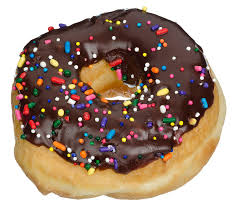
Table of Contents
Doughnuts don’t need a marketing pitch — everyone knows what a doughnut is, and most people already know it isn’t a health food. What’s actually useful is understanding precisely why doughnuts affect the body the way they do, what’s happening nutritionally beneath the glaze, and how to think about them practically if you’re going to eat one anyway — which, realistically, most people occasionally will.
This page takes a different approach from most foods in this collection. Rather than searching for hidden nutritional value, it explains honestly what doughnuts do in the body, covers the real (if incidental) nutrients they get from fortified flour, and gives practical, judgment-free guidance for fitting them into a life that also includes fitness goals.
Doughnuts Nutrition Facts (per 100g)
| Nutrient | Amount |
|---|---|
| Calories | 421 kcal |
| Protein | 6.1g |
| Total Fat | 22.7g |
| — Saturated Fat | 9.5g |
| — Trans Fat | 0.5g |
| — Monounsaturated Fat | 7.3g |
| — Polyunsaturated Fat | 3.6g |
| Carbohydrates | 47.9g |
| — Sugars | 22.8g |
| — Fiber | 2.1g |
| Cholesterol | 30mg |
| Sodium | 316mg |
USDA’s figures for glazed yeast-raised doughnuts made with enriched flour. The trans fat figure comes from older analyses; since partially hydrogenated oils were removed from the US food supply and capped in the EU, most doughnuts today likely contain less.
Doughnuts Nutrition Facts (per standard glazed doughnut — approximately 60g)
A standard glazed ring doughnut weighs about 60g:
| Nutrient | Per Doughnut (60g) |
|---|---|
| Calories | 253 kcal |
| Protein | 3.7g |
| Total Fat | 13.6g |
| — Saturated Fat | 5.7g |
| — Trans Fat | 0.3g |
| Carbohydrates | 28.7g |
| — Sugars | 13.7g |
| — Fiber | 1.3g |
| Sodium | 190mg |
| Folate | 93µg (23% DV) |
| Thiamine | 0.19mg (16% DV) |
| Niacin | 1.57mg (10% DV) |
| Iron | 1.43mg (8% DV) |
A large bakery-style doughnut (90–120g) or a filled, iced, or topped specialty doughnut can easily reach 400–550 calories — far more than the standard doughnut above.
Vitamins in Doughnuts (per 100g)
| Vitamin | Amount | % Daily Value |
|---|---|---|
| Vitamin A (RAE) | 5µg | 1% |
| Vitamin B1 (Thiamine) | 0.31mg | 26% |
| Vitamin B2 (Riboflavin) | 0.19mg | 15% |
| Vitamin B3 (Niacin) | 2.61mg | 16% |
| Vitamin B5 (Pantothenic Acid) | 0.21mg | 4% |
| Vitamin B6 | 0.04mg | 2% |
| Vitamin B9 (Folate) | 155µg | 39% |
| Vitamin B12 | 0.11µg | 5% |
| Vitamin C | 1.2mg | 1% |
| Vitamin D | 0.1µg | 1% |
| Vitamin E | 1.43mg | 10% |
| Vitamin K | 11.5µg | 10% |
The honest standout, explained: Doughnuts show surprisingly high B vitamin figures — folate (39% DV), thiamine (26% DV), niacin (16% DV), and riboflavin (15% DV). That isn’t because doughnuts are nutritious by design — it’s because they’re made with enriched flour. In many countries, white wheat flour is fortified with B vitamins and iron to replace some of what’s lost in milling — required by law in about 90 countries, and standard practice for “enriched” flour in the US. These vitamins are in a doughnut for the same reason they’re in white bread. It’s worth knowing they’re there, but they’re no reason to see doughnuts as a vitamin source — and doughnuts made with unfortified flour won’t contain them.
Minerals in Doughnuts (per 100g)
| Mineral | Amount | % Daily Value |
|---|---|---|
| Calcium | 101mg | 8% |
| Phosphorus | 117mg | 9% |
| Magnesium | 17mg | 4% |
| Potassium | 102mg | 2% |
| Iron | 2.38mg | 13% |
| Zinc | 0.61mg | 6% |
| Selenium | 15.7µg | 29% |
| Copper | 0.09mg | 10% |
| Manganese | 0.31mg | 13% |
The same story applies here: most of the iron (13% DV) comes from flour fortification, while the selenium (29% DV) comes naturally from the wheat itself, as it does in bread. None of these figures are a reason to choose doughnuts for minerals — they’re a by-product of the flour, not a nutritional feature.
What’s Actually in a Doughnut
| Ingredient | Nutritional Role |
|---|---|
| Enriched wheat flour | Refined carbohydrate base; fortified with B vitamins and iron |
| Sugar | Sweetness, in the dough and especially the glaze |
| Vegetable oils or shortening (palm, soybean, or canola) | Frying medium and dough fat; the main source of saturated fat, and in the past of trans fat |
| Milk and egg ingredients | Texture and richness; a little protein and fat |
| Yeast | Makes the dough rise |
| Salt | Flavor; contributes to the 316mg of sodium per 100g |
| Flavors and preservatives | Shelf life and consistent flavor in commercial products |
| Glaze | Powdered sugar, syrups, and milk solids — more sugar |
The ingredient list explains the nutrition data directly — there’s no hidden complexity here. A doughnut is refined flour, sugar, and fat, fried, with a sugar glaze on top. Understanding that plainly is more useful than searching for redeeming qualities that aren’t really there.
Why Doughnuts Affect Your Body the Way They Do
The Blood Sugar Spike
A doughnut delivers a combination that produces a pronounced blood sugar response:
Refined flour has had the bran and germ removed, taking most of the fiber with them, so it’s digested to glucose quickly.
Sugar (22.8g per 100g, 13.7g in a standard doughnut) adds readily absorbed glucose and fructose on top.
Doughnuts have tested at a high glycaemic index of around 75 — similar to white bread — and they’re often eaten in ways that make the blood sugar rise bigger, such as on an empty stomach with a sweetened coffee.
The typical sequence: blood glucose rises sharply within 30 minutes or so, insulin is released to bring it down, and in some people blood sugar then dips back quickly — which can bring on hunger, tiredness, and cravings for more quick carbohydrates a couple of hours later. That’s the “doughnut crash” many people recognize.
The Fat Profile
At 22.7g of fat per 100g — 13.6g in a standard doughnut — the fat content is substantial for a food this size, and its make-up matters:
Saturated fat (9.5g per 100g) is significant — a standard 60g doughnut provides about 28% of the daily value, and a large bakery doughnut can provide closer to half.
Trans fat is the figure worth special attention. Industrially produced trans fats, from partially hydrogenated oils, are the most harmful dietary fat gram for gram — they raise LDL cholesterol, lower HDL cholesterol, and increase heart disease risk. Fried and baked goods such as doughnuts were historically major sources, which is one reason many countries have now banned or restricted these oils — including the US, which removed partially hydrogenated oils from the food supply, and the EU, which capped industrial trans fat in 2021. Even so, it’s worth checking ingredient lists, especially on imported products: “partially hydrogenated oil” anywhere on the label means industrial trans fat is present.
The frying process also matters. Oil reused over many batches at high temperature breaks down, forming oxidation products and small amounts of trans fat, and frying starchy dough produces some acrylamide, a compound formed during browning.
Why Doughnuts Don’t Fill You Up
With just 6.1g of protein and 2.1g of fiber per 100g, doughnuts are about as unfilling as a 421-calorie food can be:
Low protein means little stimulation of the fullness hormones, such as GLP-1 and peptide YY, that protein reliably triggers.
Low fiber means little bulk in the stomach and nothing to slow digestion.
Refined flour and sugar produce the quick rise and fall in blood sugar described above, which can bring hunger back sooner.
The practical result: a 253-calorie doughnut is much less filling than 253 calories of eggs, Greek yogurt, or oats — so it’s easy to eat a doughnut on top of your normal meals rather than instead of one, which makes it easier to end up in a calorie surplus.
Doughnuts and Body Composition Goals
During Fat Loss
A standard doughnut (253 kcal) uses up a meaningful part of most people’s daily calories during a deficit — and because it isn’t filling, it doesn’t reduce hunger for the rest of the day the way a protein-rich meal with the same calories would. That makes doughnuts one of the less efficient choices during fat loss — not because of any unique metabolic harm, but because of their poor fullness for the calories.
That doesn’t mean doughnuts have to disappear completely during a cut (see the practical guidance below) — but it does mean planning for them deliberately rather than treating them as a free extra.
During Muscle Building
In a calorie surplus for muscle building, doughnuts’ calorie density matters less, since the goal is to eat more overall — but they still add almost nothing toward the protein and nutrients that should make up most of those extra calories. A doughnut eaten alongside, not instead of, enough protein and nutrient-rich food has a much smaller downside when bulking than when cutting.
Before Training
Eating a doughnut right before training brings a quick sugar rise followed, for some people, by a dip partway through the session — and the fat slows digestion, which can sit heavily during exercise. Easily digested carbohydrates such as a banana or toast with honey are better pre-training choices.
How Doughnuts Compare
| Food (per 100g) | Calories | Protein | Sugars | Fiber |
|---|---|---|---|---|
| Glazed doughnut (yeast-raised) | 421 kcal | 6.1g | 22.8g | 2.1g |
| Cake doughnut, plain | 434 kcal | 5.3g | 18.2g | 1.7g |
| Cake doughnut, chocolate-frosted | 452 kcal | 4.9g | 26.7g | 1.9g |
| Glazed French cruller | 412 kcal | 3.1g | 35.1g | 1.2g |
| Jelly-filled doughnut | 340 kcal | 5.9g | 21.1g | 0.9g |
| Creme-filled doughnut | 361 kcal | 6.4g | 14.6g | 0.8g |
| Cinnamon roll with raisins | 372 kcal | 6.2g | 31.7g | 2.4g |
| Oatmeal (cooked with water) | 71 kcal | 2.5g | 0.3g | 1.7g |
| Greek yogurt (plain, nonfat) | 61 kcal | 10.3g | 3.3g | 0g |
Doughnuts vary less than you might think: most types fall between about 340 and 450 calories per 100g, with filled doughnuts slightly lower because their fillings contain more water, and glazed crullers and frosted doughnuts the most sugary. A cinnamon roll is in the same league. Oatmeal and Greek yogurt are in a different category entirely — partly because they contain much more water, but also because they offer far more nutrition and fullness per calorie, and Greek yogurt provides more protein per 100g than any of the pastries.
Practical Guidance: How to Have a Doughnut Without Derailing Your Goals
This is the section that matters most for most readers — practical, judgment-free guidance for fitting doughnuts into a life that also includes fitness and health goals.
1. Plan for it, don’t just add it
If you know a doughnut is coming — a coffee shop trip, an office box, a weekend treat — account for its roughly 250–450 calories within your day rather than treating it as separate from your eating plan. That’s simpler and more sustainable than rigid avoidance, which research on dieting suggests tends to backfire over time.
2. Pair it with protein
Eating a doughnut with a protein source — eggs, Greek yogurt, or a protein shake — moderates the blood sugar rise somewhat and adds the fullness a doughnut alone won’t provide, so you’re less likely to be hungry again soon.
3. Choose the smaller or simpler option
A plain glazed ring doughnut (about 60g, around 250 calories) costs much less than a large filled, iced, or topped specialty doughnut, which can reach 450–600 calories or more. If you have a choice, the simpler option gives comparable satisfaction for less.
4. Skip the sugary drink alongside it
A doughnut with a sweetened latte, frappé, or fruit juice substantially adds to the sugar load. Black coffee, tea, or water keeps the sugar to the doughnut alone rather than doubling it.
5. Keep it occasional, not foundational
An occasional doughnut, within an otherwise balanced and active lifestyle, costs very little. The cost adds up when doughnuts — or similar refined, unfilling foods — become a regular part of the diet. Frequency and context, not the food itself, determine its real impact.
6. Check the label for trans fat
Most doughnuts in the US and EU are now made without partially hydrogenated oils, but if you eat doughnuts regularly — especially imported or packaged ones — checking the ingredients for “partially hydrogenated” oil is the one quick check worth making.
The Honest Bottom Line
Doughnuts are calorie-dense, high in refined carbohydrate and added sugar, high in saturated (and sometimes trans) fat, low in protein and fiber, and not very filling for their calories. The B vitamins and iron in the nutrition data are a real but incidental result of flour fortification — not a reason to see doughnuts as nutritious.
None of this means an occasional doughnut is something to feel guilty about. Food doesn’t need to be optimized at every meal to support long-term health and fitness — what matters far more is the pattern over weeks and months. A doughnut enjoyed occasionally, counted honestly within your day, and not treated as a regular breakfast fits perfectly well into an active, health-conscious life.
Nutrient data: USDA FoodData Central, SR Legacy — doughnuts, yeast-leavened, glazed, enriched (FDC ID 172758). Comparisons from SR Legacy: cake-type doughnuts, plain (FDC ID 174990) and chocolate-coated or frosted (FDC ID 174991); glazed French crullers (FDC ID 172756); jelly-filled (FDC ID 172759) and creme-filled (FDC ID 172757) yeast doughnuts; cinnamon sweet rolls with raisins (FDC ID 175034); and oats cooked with water (FDC ID 173905); plus plain nonfat Greek yogurt (Foundation Foods, FDC ID 330137). Glycaemic index value from published GI testing. % Daily Values use the FDA’s current Daily Values.