
Halibut: Nutrition Facts, Health Benefits, and the Lean Fish With an Unusually Strong Vitamin D Profile
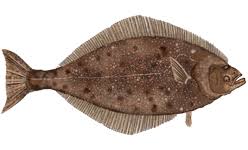
Table of Contents
Halibut occupies a genuinely unusual nutritional position among white fish. Most lean, low-fat fish provide very little Vitamin D, a fat-soluble vitamin usually found in much larger amounts in fattier fish like salmon and mackerel. Halibut breaks that pattern — at just 1.6g of fat and 111 calories per 100g, it still delivers 29% of daily Vitamin D alongside a full 101% of daily selenium, 53% of B12, 49% of niacin, and 37% of B6. Combined with 22.5g of complete, easily digestible protein, it is one of the more nutritionally distinctive lean fish available — and it comes from the largest flatfish in the world, with some specimens growing to well over 200 kilograms.
Halibut Nutrition Facts (per 100g, cooked)
| Nutrient | Amount |
|---|---|
| Calories | 111 kcal |
| Protein | 22.5g |
| Fat | 1.6g |
| — Saturated Fat | 0.4g |
| — Monounsaturated Fat | 0.6g |
| — Polyunsaturated Fat | 0.4g |
| — Omega-3 Fatty Acids | 0.28g |
| Carbohydrates | 0g |
| — Sugars | 0g |
| — Fiber | 0g |
| Cholesterol | 60mg |
| Sodium | 82mg |
Halibut Nutrition Facts (per 159g serving — approximately one standard fillet)
A standard fillet weighs approximately 159g:
| Nutrient | Per Fillet (159g) |
|---|---|
| Calories | 176 kcal |
| Protein | 35.8g |
| Fat | 2.6g |
| Carbohydrates | 0g |
| Sodium | 130mg |
| Selenium | 88.1µg (160% DV) |
| Vitamin B12 | 2.0µg (84% DV) |
| Niacin | 12.6mg (79% DV) |
| Vitamin B6 | 1.0mg (59% DV) |
| Vitamin D | 9.2µg (46% DV) |
| Phosphorus | 456mg (37% DV) |
| Potassium | 840mg (18% DV) |
A single fillet provides well over a full day’s selenium requirement and nearly half a day’s Vitamin D at under 180 calories.
Vitamins in Halibut (per 100g, cooked)
| Vitamin | Amount | % Daily Value |
|---|---|---|
| Vitamin A (RAE) | 24µg | 3% |
| Vitamin B1 (Thiamine) | 0.06mg | 5% |
| Vitamin B2 (Riboflavin) | 0.04mg | 3% |
| Vitamin B3 (Niacin) | 7.91mg | 49% |
| Vitamin B5 (Pantothenic Acid) | 0.42mg | 8% |
| Vitamin B6 | 0.63mg | 37% |
| Vitamin B9 (Folate) | 14µg | 4% |
| Vitamin B12 | 1.27µg | 53% |
| Vitamin D | 5.8µg | 29% |
| Vitamin E | 0.74mg | 5% |
| Vitamin K | 0µg | 0% |
Standout: Halibut’s Vitamin D content (29% DV per 100g) is genuinely unusual for such a lean fish, since Vitamin D is usually found in much higher concentrations in fattier fish. This makes it one of the few lean white fish that contributes meaningfully to Vitamin D intake, a nutrient a large proportion of the population is insufficient in, particularly during winter months. Combined with B12 (53% DV), niacin (49% DV), and B6 (37% DV), halibut delivers a genuinely strong vitamin spread for a 111-calorie food.
Minerals in Halibut (per 100g, cooked)
| Mineral | Amount | % Daily Value |
|---|---|---|
| Calcium | 9mg | 1% |
| Phosphorus | 287mg | 23% |
| Magnesium | 28mg | 7% |
| Potassium | 528mg | 11% |
| Iron | 0.2mg | 1% |
| Zinc | 0.43mg | 4% |
| Selenium | 55.4µg | 101% |
Standout: Halibut’s selenium content (101% DV per 100g) is among the highest of any lean fish — a full day’s requirement in a single 100g portion — supporting glutathione peroxidase antioxidant enzyme function and thyroid hormone activation. Phosphorus at 23% DV and potassium at 528mg per 100g round out a strong mineral profile from a fish containing almost no fat.
Halibut’s Unusual Vitamin D Story
This is genuinely worth explaining, because it goes against the typical pattern most people understand about fish and Vitamin D.
Vitamin D is fat-soluble, and the conventional nutritional wisdom is that fattier fish — salmon, mackerel, sardines — are the strongest fish-based Vitamin D sources, while leaner white fish like cod or haddock contribute comparatively little. Halibut doesn’t fit this pattern neatly: despite containing only 1.6g of fat per 100g, compared with around 12g in farmed salmon, it still provides 29% of daily Vitamin D — several times more than cod (6% DV) or haddock (3% DV). Salmon remains the stronger source at 66% DV, but halibut gets surprisingly close for a fish with a fraction of the fat.
Vitamin D levels in fish vary by species in ways that don’t simply follow fat content — halibut just carries more in its flesh than most lean white fish. For anyone trying to combine a very low-fat protein choice with meaningful Vitamin D intake from food rather than fattier fish, halibut is one of the more practical options available.
Health Benefits of Halibut
Exceptional Selenium for Antioxidant Defense
At 101% DV per 100g, halibut’s selenium content supports glutathione peroxidase, one of the body’s primary antioxidant enzyme systems that neutralizes hydrogen peroxide and lipid peroxides, protecting cell membranes and DNA from oxidative damage. Selenium is also required for the deiodinase enzymes that convert thyroid hormone T4 into its active T3 form, directly relevant to metabolic rate regulation.
Vitamin D in a Genuinely Lean Food
As detailed above, the 29% DV Vitamin D per 100g is a distinctive strength for such a low-fat fish, supporting calcium absorption, bone mineralization, immune function, and muscle function.
Strong B Vitamins for Neurological and Metabolic Health
The 53% DV B12 supports myelin synthesis, red blood cell formation, and homocysteine regulation, while the 37% DV B6 is required for amino acid metabolism and neurotransmitter synthesis — particularly relevant given halibut’s substantial protein content, since B6 is needed to metabolize the protein it’s delivered alongside. Niacin at 49% DV adds strong support for energy metabolism.
Exceptional Protein-to-Calorie Ratio
At 22.5g of protein for just 111 calories, halibut offers one of the leanest, most calorie-efficient complete protein sources available from any whole food, providing all 9 essential amino acids with excellent digestibility and minimal fat or calorie burden.
Phosphorus for Bone and Energy Metabolism
At 23% DV per 100g, phosphorus works alongside calcium as a structural bone mineral while also serving as a literal component of ATP, the molecule every cell relies on to store and transfer energy.
Modest but Genuine Omega-3 Contribution
While considerably lower than fattier fish, halibut’s 0.28g of omega-3 per 100g still contributes to overall dietary intake of these fatty acids — and since omega-3 makes up most of halibut’s small amount of polyunsaturated fat, what little fat it does contain is weighted toward the beneficial side of the omega-6 to omega-3 balance that most modern diets get the wrong way round.
Heart Health Through Multiple Pathways
Selenium helps protect LDL cholesterol from oxidative damage, a step in atherosclerotic plaque formation. B6 and B12 work together to regulate homocysteine, which is associated with cardiovascular risk when elevated. Potassium (11% DV per 100g) helps counteract sodium’s blood pressure-raising effects. Very low saturated fat (0.4g per 100g) and modest sodium (82mg per 100g) round out a genuinely heart-healthy profile.
Halibut for Athletes and Active People
A Genuinely Efficient Cutting-Phase Protein
At 22.5g of protein for 111 calories, halibut competes directly with the leanest whole-food protein sources available, making it a strong choice during fat loss phases where maximizing protein relative to calorie intake is the priority.
Selenium for Exercise Recovery
Intense training increases free radical production and oxidative stress; halibut’s exceptional selenium content supports the glutathione peroxidase activity that helps manage this exercise-induced oxidative load, contributing to the antioxidant defenses that support recovery between sessions.
B Vitamins for Energy Metabolism and Protein Utilization
The combination of niacin, B6, and B12 supports both the cellular energy production pathways that underpin training capacity and the protein metabolism required to make full use of halibut’s own substantial protein content.
Vitamin D for Bone and Immune Resilience During Training
For athletes who train indoors or in lower-sunlight climates and are at elevated risk of Vitamin D insufficiency, halibut’s unusually strong Vitamin D contribution for a lean fish makes it a useful dietary tool alongside other strategies for maintaining adequate levels.
Halibut vs Other Lean White Fish
| Fish (100g, cooked) | Calories | Protein | Fat | Selenium | Vitamin D | B12 |
|---|---|---|---|---|---|---|
| Halibut | 111 kcal | 22.5g | 1.6g | 101% DV | 29% DV | 53% DV |
| Cod | 105 kcal | 22.8g | 0.9g | 68% DV | 6% DV | 44% DV |
| Haddock | 90 kcal | 20.0g | 0.6g | 58% DV | 3% DV | 89% DV |
| Tilapia | 128 kcal | 26.2g | 2.7g | 99% DV | 19% DV | 78% DV |
| Pollock (Alaska) | 111 kcal | 23.5g | 1.2g | 80% DV | 7% DV | 153% DV |
Halibut stands out clearly for its Vitamin D content — well ahead of every other lean white fish in this comparison, with tilapia the closest — and it narrowly leads the group on selenium, just ahead of tilapia. On B12, though, pollock, haddock, and tilapia all provide more. Pollock values are for USDA’s cooked Alaska pollock, whose figures reflect additives some pollock is processed with.
A Note on Halibut Size and Sustainability
Atlantic halibut is the largest flatfish in the world, with mature specimens capable of reaching well over 200 kilograms — far larger than most commercially eaten fish. This size, combined with a slow growth rate and late sexual maturity, made Atlantic halibut historically vulnerable to overfishing, and wild Atlantic halibut populations were significantly depleted through the 20th century. Some Atlantic stocks have since recovered under tighter management — Canada’s Atlantic halibut fishery, for example, is certified by the Marine Stewardship Council — while others remain depleted.
Pacific halibut, a separate but related species, has a long-established, closely managed fishery, with catch limits and quotas set each year to keep the population at sustainable levels, and is generally a reliable choice where labeling allows you to distinguish between the two. Farmed halibut is also increasingly available and offers another alternative to wild stocks.
For anyone choosing halibut regularly, checking for Pacific origin or a sustainability certification (such as the Marine Stewardship Council label) is a reasonable, practical way to make a more environmentally sound choice without sacrificing the nutritional profile described throughout this page.
How to Cook Halibut
Halibut’s firm, meaty texture and very low fat content mean it can dry out if overcooked, unlike fattier fish that have more built-in moisture buffer.
Pan-searing — a hot pan with a small amount of oil produces a good crust quickly; because halibut is so lean, searing for a shorter time than you might use for salmon helps avoid drying it out.
Baking — gentle baking at a moderate temperature, often with a small amount of butter or oil and lemon, helps compensate for the fish’s natural leanness.
Poaching — a particularly good method for halibut specifically, since the surrounding liquid keeps the lean flesh moist throughout cooking.
Avoid prolonged high heat — given its minimal fat content, halibut moves from perfectly cooked to dry and tough more quickly than fattier fish; checking for doneness slightly earlier than you might with salmon is a sensible habit. It’s done when the flesh flakes easily and reaches 63°C (145°F) in the thickest part.
Practical Ways to Include Halibut in Your Diet
Pan-seared with lemon and herbs — a simple preparation that lets the fish’s mild, clean flavor stand on its own, finished with a small amount of butter or olive oil to add moisture and help with fat-soluble nutrient absorption.
Baked with vegetables — halibut fillets baked alongside tomatoes, peppers, or asparagus make a complete, low-effort, high-protein meal.
In fish tacos — halibut’s firm texture holds up well to grilling or pan-frying for tacos, paired with cabbage slaw, avocado, and lime.
Poached in a light broth — particularly effective for keeping the lean fish moist, served alongside vegetables or grains.
Post-workout meal — paired with a carbohydrate source such as rice or sweet potato, halibut provides a lean, complete-protein recovery meal with minimal calorie burden.
Potential Considerations
Mercury content — like most larger, longer-living fish, halibut contains more mercury than smaller fish lower on the food chain, though less than top predators like swordfish or shark. The FDA lists halibut as a “Good Choice” — about one serving a week — rather than among its “Best Choices”, which can be eaten two to three times a week. That guidance matters most for pregnant women, women who may become pregnant, and young children.
Cost — halibut is typically one of the more expensive white fish options, which may limit how practical it is as a frequent dietary staple compared to cheaper alternatives like cod or tilapia.
Sustainability sourcing — as discussed above, checking for Pacific origin or sustainability certification is worthwhile given the depleted status of some wild Atlantic stocks.
Allergies — fish allergy is distinct from shellfish allergy and can cause severe reactions; people with a diagnosed fish allergy must avoid halibut regardless of preparation method.
Texture if overcooked — as discussed, halibut’s low fat content means it dries out and becomes tough more readily than fattier fish if cooked too long.
Nutrient data: USDA FoodData Central, SR Legacy — halibut, Atlantic and Pacific, cooked, dry heat (FDC ID 174201). % Daily Values use the FDA’s current Daily Values.