

Kidney Beans: Nutrition Facts, Health Benefits, and the Food Safety Warning Everyone Should Know
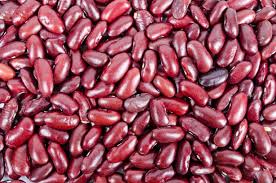
Table of Contents
Kidney beans are one of the most nutritionally impressive and most widely eaten legumes in the world — the backbone of chilli con carne, an essential component of countless Caribbean, Indian, and Latin American dishes, and a genuinely excellent whole food with 33% of daily folate, 27% copper, 21% manganese, 16% iron, meaningful magnesium and phosphorus, and 7.4g of fiber per 100g, all at just 127 calories.
They also carry a food safety warning that most home cooks have never heard, and which is important enough to address early and clearly on this page: raw or undercooked kidney beans contain a lectin called phytohaemagglutinin at concentrations high enough to cause severe food poisoning — and slow-cooker preparations on their own do not adequately address this risk. This isn’t a reason to avoid kidney beans — thoroughly boiling them makes them completely safe — but it is a reason to know the preparation rules before using dried kidney beans for the first time.
Kidney Beans Nutrition Facts (per 100g, cooked)
| Nutrient | Amount |
|---|---|
| Calories | 127 kcal |
| Protein | 8.7g |
| Fat | 0.5g |
| — Saturated Fat | 0.07g |
| — Monounsaturated Fat | 0.04g |
| — Polyunsaturated Fat | 0.3g |
| Carbohydrates | 22.8g |
| — Sugars | 0.3g |
| — Fiber | 7.4g |
| Cholesterol | 0mg |
| Sodium | 2mg |
USDA’s figures for red kidney beans cooked from dried, boiled without salt.
Kidney Beans Nutrition Facts (per 177g serving — approximately one cup cooked)
| Nutrient | Per Cup (177g) |
|---|---|
| Calories | 225 kcal |
| Protein | 15.3g |
| Fat | 0.9g |
| Carbohydrates | 40.4g |
| — Fiber | 13.1g |
| Sodium | 4mg |
| Folate | 230µg (58% DV) |
| Copper | 0.42mg (47% DV) |
| Manganese | 0.85mg (37% DV) |
| Iron | 5.2mg (29% DV) |
| Phosphorus | 251mg (20% DV) |
| Magnesium | 80mg (19% DV) |
| Potassium | 713mg (15% DV) |
A single cup delivers 58% of daily folate, 13g of fiber, and over 15g of plant protein at 225 calories.
Vitamins in Kidney Beans (per 100g, cooked)
| Vitamin | Amount | % Daily Value |
|---|---|---|
| Vitamin A (RAE) | 0µg | 0% |
| Vitamin B1 (Thiamine) | 0.16mg | 13% |
| Vitamin B2 (Riboflavin) | 0.06mg | 5% |
| Vitamin B3 (Niacin) | 0.58mg | 4% |
| Vitamin B5 (Pantothenic Acid) | 0.22mg | 4% |
| Vitamin B6 | 0.12mg | 7% |
| Vitamin B9 (Folate) | 130µg | 33% |
| Vitamin B12 | 0µg | 0% |
| Vitamin C | 1.2mg | 1% |
| Vitamin D | 0µg | 0% |
| Vitamin E | 0.03mg | 0% |
| Vitamin K | 8.4µg | 7% |
Standout: Kidney beans’ folate content (33% DV per 100g, 58% per cup) is one of their strongest features, essential for DNA synthesis and cell division, red blood cell formation, and fetal neural tube development during early pregnancy. Folate also helps keep homocysteine in check, though trials of folic acid supplements have shown little effect on heart attack risk, with some evidence of fewer strokes. Thiamine (13% DV) is the other notable vitamin contribution.
Minerals in Kidney Beans (per 100g, cooked)
| Mineral | Amount | % Daily Value |
|---|---|---|
| Calcium | 28mg | 2% |
| Phosphorus | 142mg | 11% |
| Magnesium | 45mg | 11% |
| Potassium | 403mg | 9% |
| Iron | 2.94mg | 16% |
| Zinc | 1.07mg | 10% |
| Selenium | 1.2µg | 2% |
| Copper | 0.24mg | 27% |
| Manganese | 0.48mg | 21% |
Standout: Kidney beans’ copper (27% DV) and manganese (21% DV) stand out as particularly meaningful trace mineral contributions for a 127-calorie food. Copper is essential for iron metabolism through the protein ceruloplasmin, for collagen crosslinking via lysyl oxidase, and for cytochrome c oxidase in mitochondrial energy production. Manganese supports bone matrix formation and the MnSOD mitochondrial antioxidant enzyme. Iron at 16% DV provides meaningful non-haem iron for plant-based eaters, and phosphorus and magnesium at 11% DV each support bone structure and ATP energy production.
The Critical Food Safety Warning: Raw Kidney Beans
This deserves to be stated clearly and specifically, because it’s one of the most important and most widely unknown food safety facts in home cooking.
What the Toxin Is
Raw kidney beans — and to a lesser extent other raw beans, though red kidney beans have by far the highest levels — contain a lectin called phytohaemagglutinin (PHA), which can cause severe gastrointestinal illness. Symptoms include intense nausea and vomiting followed by diarrhea, typically starting 1–3 hours after eating. Recovery is usually rapid, within a few hours, but the illness can be severe enough to need hospital treatment.
Why the Concentration Matters
According to the US FDA, raw red kidney beans contain roughly 20,000–70,000 haemagglutinating units (HAU) of PHA per gram, while fully cooked beans contain only 200–400. Eating as few as four or five raw or undercooked kidney beans can be enough to cause symptoms. White kidney beans contain about a third as much PHA as red ones.
Why Slow Cookers Are Not Sufficient Alone
This is the most practically important point for home cooks using dried kidney beans: slow cookers may never bring beans to a full boil, and PHA is only reliably destroyed by boiling. Worse, heating kidney beans to around 80°C without boiling them can actually make the toxin more potent — the FDA notes up to five times more toxic than raw beans.
Food poisoning outbreaks have been traced to slow-cooked and undercooked dried kidney bean dishes as a direct result of this misunderstanding.
The Safe Preparation Method for Dried Kidney Beans
- Soak dried kidney beans in cold water for at least 8–12 hours — discard the soaking water
- Rinse thoroughly with fresh water
- Boil vigorously in fresh water — a rolling boil for at least 10 minutes, as the UK Food Standards Agency advises (the US FDA recommends boiling for at least 30 minutes); gentle simmering is not sufficient
- Then continue cooking until the beans are fully tender (typically 45–60 minutes in total), or transfer them to a slow cooker only after this boiling step
Canned kidney beans — the most practical and widely available form — are heated well above boiling point under pressure during canning, which destroys PHA, making them completely safe to eat straight from the can (rinsing is recommended to reduce sodium). For most home cooking, canned kidney beans are the safer and more convenient choice.
The Anthocyanin Story: What Makes Red Kidney Beans Red
The dark red-maroon color of kidney beans comes from anthocyanins in the seed coat — the same class of bioflavonoid pigment found in blueberries, red cabbage, and black beans, responsible for the deep red, purple, and blue coloring of many plant foods.
Red kidney beans contain mainly pelargonidin and cyanidin anthocyanins. In laboratory and animal research, these compounds act as:
Antioxidants — neutralizing free radicals and reducing oxidative stress.
Anti-inflammatory compounds — dampening inflammatory signalling pathways such as NF-κB and reducing the production of pro-inflammatory cytokines.
Potential cardiovascular protectors — helping protect LDL cholesterol from oxidation, an early step in arterial plaque formation.
How much of this carries over to people eating beans is less certain, since anthocyanins are absorbed in small amounts. Even so, dark-coated beans such as red kidney beans and black beans are among the highest-antioxidant legumes, thanks to the pigments in their seed coats — an advantage over lighter-colored legumes like chickpeas or cannellini beans.
Health Benefits of Kidney Beans
Strong Folate for Cellular Health
At 33% DV per 100g and 58% per cup, kidney beans are an important plant-based folate source. Folate is essential for DNA synthesis and cell division in all rapidly dividing cells — most visibly in bone marrow (red blood cell production) and the intestinal lining. For women who are or may become pregnant, adequate folate before and during early pregnancy significantly reduces the risk of neural tube defects, often before pregnancy is even confirmed — which is why a folic acid supplement is also recommended.
Folate also works with B12 to convert homocysteine back to methionine, while B6 clears it by a separate route. High homocysteine is linked with cardiovascular disease, though lowering it with supplements hasn’t been shown to prevent heart attacks.
Outstanding Fiber for Gut Health and Blood Sugar Stability
At 7.4g per 100g (13.1g per cup), kidney beans provide substantial fiber in both soluble and insoluble forms. Soluble fiber forms a viscous gel in the digestive tract that slows digestion and glucose absorption — contributing to a low glycaemic index (roughly 24–29 in published testing) that makes kidney beans one of the lowest-GI carbohydrate foods available. Insoluble fiber supports bowel regularity, and the fermentation of fiber and resistant starch in the colon produces butyrate, which nourishes the cells lining the gut. Diets high in fiber are linked with a lower risk of colorectal cancer.
Randomized controlled trials have found that legume-rich diets improve long-term blood sugar control, including modest reductions in HbA1c in people with type 2 diabetes.
Heart Health Through Multiple Pathways
Kidney beans support cardiovascular health through a combination of mechanisms. Soluble fiber binds bile acids in the gut, reducing their reabsorption and lowering LDL cholesterol — eating legumes regularly lowers LDL by around 5% in meta-analyses of trials. Potassium (403mg per 100g) helps counteract sodium’s blood pressure effects, and their near-zero saturated fat and zero cholesterol add no cardiovascular burden.
Iron for Oxygen Transport
At 16% DV per 100g in non-haem form, kidney beans contribute meaningfully to iron intake for plant-based eaters and anyone managing iron status. Non-haem iron is less well absorbed than the haem iron in meat — typically around 2–20% versus roughly 15–35% — but eating kidney beans alongside Vitamin C-rich foods at the same meal (tomatoes in chilli, lime juice in rice and beans) can roughly double or triple non-haem iron absorption.
Weight and Appetite Management
Kidney beans produce strong, sustained satiety through their combination of protein (8.7g), fiber (7.4g), and slow carbohydrate digestion. A meta-analysis of trials found that meals containing pulses were noticeably more filling than comparable meals without them, and diets including daily pulses have produced modest weight loss even without deliberate calorie restriction.
Kidney Beans for Athletes and Active People
Sustained Pre-Workout Carbohydrate Fuel
Kidney beans’ very low glycaemic index makes them an effective slow-releasing carbohydrate source in meals 2–3 hours before training, providing sustained energy without a rapid blood sugar spike. Their fiber makes them a poor choice immediately before exercise.
Iron and Folate for Aerobic Performance
Iron supports haemoglobin-mediated oxygen transport to working muscles, while folate supports the red blood cell production that determines oxygen-carrying capacity — both directly relevant to endurance and aerobic training performance. Plant-based athletes and premenopausal women are at higher risk of iron deficiency, making kidney beans’ combination of non-haem iron (enhanced by Vitamin C pairing) and folate particularly valuable in these groups.
Magnesium for Training Demands
At 11% DV per 100g (19% per cup), kidney beans contribute to the magnesium intake needed for ATP production and muscle function — athletes lose some magnesium through sweat, and kidney beans are a practical dietary source for regular replenishment.
A Complete Protein When Paired With Grains
Like most legumes, kidney beans are relatively low in methionine, which grains supply. Combining kidney beans with rice, bread, or corn — at the same meal or across the day — creates a complete amino acid profile, the nutritional basis behind classic dishes like red beans and rice or chilli served with cornbread, independently arrived at by many food cultures worldwide.
Red vs White Kidney Beans
Kidney beans come in two main color varieties with subtly different profiles:
Red kidney beans — the familiar dark red variety, with higher anthocyanin content and antioxidant capacity; the data on this page reflects this variety.
White kidney beans (cannellini beans) — a lighter-colored variety with a broadly similar macronutrient and mineral profile but little anthocyanin, and therefore lower antioxidant capacity. They also contain less PHA than red kidney beans, though they still need the same thorough boiling.
For maximum antioxidant benefit, the red variety is the stronger choice — though both are nutritionally valuable legumes.
Dried vs Canned Kidney Beans
Dried kidney beans — require the safe preparation method described above (overnight soak, then a vigorous boil, then continued cooking). More economical, and no added sodium.
Canned kidney beans — fully cooked during canning and completely safe straight from the can. Convenient, with a broadly similar nutritional profile. The main difference is sodium: in USDA’s data, regular canned kidney beans contain around 230–260mg of sodium per 100g, and draining and rinsing brings this down to roughly 160–210mg. Low-sodium and no-salt-added varieties reduce it much further.
Practical Ways to Include Kidney Beans in Your Diet
Chilli con carne or vegetarian chilli — the most iconic kidney bean dish globally, combining their earthy flavor with tomatoes, peppers, spices, and either meat or additional vegetables; the tomatoes provide Vitamin C to enhance iron absorption.
Rice and beans — the classic complementary protein combination; red beans with brown or white rice is a staple across the Caribbean, Latin America, and the American South for very good culinary and nutritional reasons.
Bean salads — canned kidney beans rinsed and tossed with vegetables, herbs, olive oil, and lemon juice make a fast, high-protein, high-fiber meal or side.
Added to soups and stews — kidney beans hold their texture well in long-cooked dishes and add protein, fiber, and substance to any soup or stew.
In burritos or wraps — alongside rice, salsa, and vegetables as a plant-based protein filling that complements the grain in the wrap.
Potential Considerations
Raw kidney beans are toxic — always cook thoroughly — as detailed above, this is the most important practical consideration for anyone using dried kidney beans; canned beans have no such risk.
Slow cookers are not sufficient alone for dried kidney beans — always soak and then boil dried beans vigorously before using a slow cooker.
Gas and bloating — like all legumes, kidney beans cause gas from the fermentation of their oligosaccharides; soaking dried beans overnight and discarding the soaking water, starting with smaller portions, and increasing intake gradually over a few weeks usually helps.
FODMAPs and IBS — kidney beans are high in FODMAPs; people with IBS may need to limit portion sizes, and well-rinsed canned beans are often better tolerated, since rinsing removes some of the water-soluble fermentable carbohydrates.
Phytic acid — present in the seed coat and reduces mineral absorption somewhat; soaking and cooking both reduce it, and Vitamin C eaten at the same meal partially offsets its effect on iron absorption.
Gout — kidney beans contain moderate purines, though purines from legumes and other plant foods haven’t been linked with a higher risk of gout in large studies; people with gout may still want to watch portions during flare-ups.
Nutrient data: USDA FoodData Central, SR Legacy — beans, kidney, red, mature seeds, cooked, boiled, without salt (FDC ID 175194). Canned sodium figures from SR Legacy and Foundation Foods canned kidney bean entries. Safety figures from the US FDA. % Daily Values use the FDA’s current Daily Values.