
Pork Loin: Nutrition Facts, Health Benefits, and the Loin vs Tenderloin Confusion Resolved
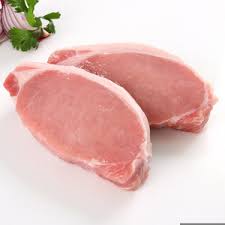
Table of Contents
Pork loin is a large, moderately lean roasting cut that delivers an impressive nutritional package — 27.1g of protein, 83% of daily thiamine, 61% of selenium, 35% of niacin, 31% of B6, and 30% of B12 per 100g — at 248 calories, sitting in comfortable middle ground between the leanness of pork tenderloin and the higher fat of shoulder and belly cuts. It’s one of the most practical large-format protein sources for meal prepping across a week, and the source of a labeling confusion that trips up almost every home cook: pork loin and pork tenderloin are two completely different cuts from different parts of the animal, with meaningfully different nutritional profiles.
Pork Loin Nutrition Facts (per 100g, roasted)
| Nutrient | Amount |
|---|---|
| Calories | 248 kcal |
| Protein | 27.1g |
| Fat | 14.7g |
| — Saturated Fat | 5.4g |
| — Monounsaturated Fat | 6.5g |
| — Polyunsaturated Fat | 1.2g |
| Carbohydrates | 0g |
| Cholesterol | 82mg |
| Sodium | 59mg |
USDA’s figures for whole pork loin, lean and fat (fat cap included), roasted.
Pork Loin Nutrition Facts (per 200g serving — a standard roast slice portion)
| Nutrient | Per 200g Serving |
|---|---|
| Calories | 496 kcal |
| Protein | 54.2g |
| Fat | 29.3g |
| — Saturated Fat | 10.7g |
| Carbohydrates | 0g |
| Sodium | 118mg |
| Thiamine | 1.98mg (165% DV) |
| Selenium | 66.8µg (121% DV) |
| Niacin | 11.1mg (70% DV) |
| B6 | 1.04mg (61% DV) |
| Vitamin B12 | 1.42µg (59% DV) |
| Zinc | 4.6mg (42% DV) |
| Phosphorus | 484mg (39% DV) |
A standard 200g roast serving exceeds the full daily thiamine and selenium requirement while providing 54g of complete protein.
Vitamins in Pork Loin (per 100g, roasted)
| Vitamin | Amount | % Daily Value |
|---|---|---|
| Vitamin A (RAE) | 3µg | 0% |
| Vitamin B1 (Thiamine) | 0.99mg | 83% |
| Vitamin B2 (Riboflavin) | 0.31mg | 24% |
| Vitamin B3 (Niacin) | 5.57mg | 35% |
| Vitamin B5 (Pantothenic Acid) | 0.76mg | 15% |
| Vitamin B6 | 0.52mg | 31% |
| Vitamin B12 | 0.71µg | 30% |
| Vitamin D | 1.0µg | 5% |
| Vitamin E | 0.19mg | 1% |
| Vitamin K | 0µg | 0% |
Standout: Like all pork cuts, the thiamine figure — 83% DV per 100g — is the single most distinctive nutritional feature. Roast pork loin provides roughly ten times the thiamine of chicken breast or lamb and twenty times that of ground beef; diet appears to play a major role, since pigs eat thiamine-rich grain feeds and the thiamine content of pork rises with the amount in their feed. Thiamine is an essential coenzyme for converting carbohydrate-derived pyruvate into acetyl-CoA for entry into the Krebs cycle, making it directly relevant to the energy metabolism of anyone eating a carbohydrate-containing diet. Niacin (35% DV), B6 (31% DV), B12 (30% DV), and riboflavin (24% DV) complete a comprehensive B vitamin profile that supports energy production and protein metabolism.
Minerals in Pork Loin (per 100g, roasted)
| Mineral | Amount | % Daily Value |
|---|---|---|
| Calcium | 19mg | 1% |
| Phosphorus | 242mg | 19% |
| Magnesium | 26mg | 6% |
| Potassium | 408mg | 9% |
| Iron | 0.99mg | 6% |
| Zinc | 2.32mg | 21% |
| Selenium | 33.4µg | 61% |
Standout: Selenium at 61% DV per 100g is a strong contribution, supporting glutathione peroxidase antioxidant function and thyroid hormone activation. Phosphorus at 19% DV supports bone structure and contributes to ATP energy production, while zinc at 21% DV supports immune function and testosterone synthesis.
Pork Loin vs Pork Tenderloin: The Most Important Distinction
This is the single most commonly confused pork question, and it genuinely matters for cooking outcomes, nutritional planning, and shopping decisions.
They Are Completely Different Cuts
Pork loin — a large, broad muscle running along the back of the pig, above the ribs. It is typically sold as a whole roasting joint (1–2kg+), as loin steaks, or as the boneless chop described on our pork chop page. It has moderate fat marbling and a fat cap on one side that bastes the meat during roasting.
Pork tenderloin (also called pork fillet) — a long, narrow, torpedo-shaped muscle that runs beneath the loin, along the spine. It does very little work, which makes it the most tender and leanest cut. Sold as a small individual fillet typically weighing 300–450g. Cooks in 15–20 minutes.
The Nutritional Difference
| Cut (100g, cooked) | Calories | Fat | Saturated Fat | Protein |
|---|---|---|---|---|
| Pork loin, roasted (this page) | 248 kcal | 14.7g | 5.4g | 27.1g |
| Pork loin, roasted, fat trimmed | 209 kcal | 9.6g | 3.5g | 28.6g |
| Pork tenderloin, roasted | 147 kcal | 4.0g | 1.4g | 26.0g |
| Pork chop (boneless top loin, broiled) | 196 kcal | 9.1g | 3.2g | 26.6g |
Pork tenderloin is dramatically leaner than pork loin — about 73% less fat per 100g, at comparable protein content. For athletes specifically managing fat intake, pork tenderloin is the lean pork option, competing directly with chicken breast. Pork loin is a moderate option, appropriate for everyday eating — and trimming the fat cap brings it much closer to a boneless chop.
How to Tell Them Apart at the Shop
Pork loin — large, wide, relatively flat cut; often sold with a white fat cap on one side; comes as a roasting joint or thick steaks.
Pork tenderloin — long, narrow, tapered at both ends, uniform pale pink throughout with no fat cap; always boneless; much smaller than a loin.
If a recipe calls for one and you accidentally buy the other, cooking times, temperatures, and methods are meaningfully different — the tenderloin cooks in minutes; the loin roast takes an hour or more depending on size.
Health Benefits of Pork Loin
Complete Protein for Muscle Support
At 27.1g of protein per 100g with all 9 essential amino acids including strong leucine content, pork loin provides high-quality complete protein for muscle protein synthesis and repair.
Exceptional Thiamine for Carbohydrate Metabolism
The 83% DV thiamine per 100g is the same distinctive feature shared across pork cuts — making pork loin, like pork chop and tenderloin, one of the most thiamine-rich protein foods available. For anyone with a significant carbohydrate intake, regular pork loin makes it easy to cover the thiamine that carbohydrate metabolism depends on.
Strong Selenium
At 61% DV per 100g, selenium supports the glutathione peroxidase enzyme system that protects cells from oxidative damage and the deiodinase-mediated thyroid hormone activation that regulates metabolic rate.
Strong B Vitamin Complex
The combination of niacin (35% DV), B6 (31% DV), B12 (30% DV), riboflavin (24% DV), and pantothenic acid (15% DV) supports energy metabolism across the full range of B-vitamin-dependent pathways — from NAD-mediated electron transport (niacin) to CoA synthesis (pantothenic acid) to protein metabolism enzymes (B6) to red blood cell formation and neurological health (B12).
Phosphorus and Zinc for Active Bodies
At 19% DV phosphorus per 100g — a component of ATP and a structural bone mineral — and 21% DV zinc for immune and hormonal support, pork loin provides meaningful contributions to both the energy systems that training demands and the immune resilience that heavy training can compromise.
Pork Loin for Athletes and Active People
A Practical Meal Prep Protein
Pork loin roasted in a single session at the start of a week produces large quantities of sliceable, versatile protein that works cold in salads and sandwiches, warm in meals, and reheated across multiple days. A 1kg boneless roasting joint loses some weight in the oven and typically yields around 700g of cooked meat — about seven 100g servings, or three to four of the 200g portions above — with minimal active preparation time. Refrigerate it promptly and eat it within 3–4 days, or freeze portions.
Thiamine for High-Carbohydrate Training Diets
Athletes eating large amounts of carbohydrate for training energy have higher thiamine requirements. A 200g serving of pork loin provides 165% of the daily value, making regular pork loin an effective whole-food strategy for keeping thiamine intake high during demanding training periods.
Selenium for Recovery
At 61% DV per 100g, pork loin’s selenium contribution supports the antioxidant defenses that manage exercise-induced oxidative stress, contributing to the recovery environment needed between training sessions.
Moderate Calorie Density for Flexible Dieting
At 248 calories per 100g with 27.1g of protein, pork loin sits at a sensible middle-point calorie density — leaner than cuts like shoulder or belly, and more calorie-dense than tenderloin or chicken breast. For athletes in maintenance or moderate surplus phases, this makes it a satisfying everyday protein; during a fat-loss phase, trimming the fat cap or choosing tenderloin keeps calories in check.
Cooking Pork Loin: The Roasting Guide
Pork loin cooked as a roasting joint has different requirements from the quick-sear approach suited to pork chops or tenderloin, and the same safe-temperature principles apply.
The Safe Temperature — Updated
The US Department of Agriculture’s safe internal temperature for whole-muscle pork cuts is 63°C (145°F) followed by a three-minute rest — revised from the older 71°C recommendation in 2011. At 63°C, the center of a pork loin will appear slightly blush-pink, which is safe and intentional. Roasting to 71°C+ consistently produces dry, chalky pork loin, the most common complaint about this cut.
That lower temperature applies to commercially raised pork. Wild boar and home-raised or backyard pigs — still common in parts of Eastern Europe and the Balkans — can carry the trichinella parasite and should be cooked to 71°C (160°F).
Calculating Roasting Time
A general guideline for a boneless pork loin roast at 180°C (fan-forced) is approximately 20–25 minutes per 500g plus 20 minutes — but a meat thermometer is always more reliable than timing, since oven temperatures and roast shapes vary considerably.
Score the fat cap — using a sharp knife to score through the fat layer in a crosshatch pattern before roasting allows the fat to render more effectively and bastes the lean meat underneath throughout cooking.
Resting is essential — allowing the roast to rest for 10–15 minutes after removing from the oven lets the meat firm up slightly and lose less juice when carved, producing a noticeably juicier result than carving immediately.
Preventing Dryness
Pork loin, while not as lean as tenderloin, still has limited intramuscular fat compared to shoulder. A simple dry brine — applying salt generously to the outside 24–48 hours before roasting and refrigerating uncovered — draws moisture to the surface, where the salt dissolves and is then reabsorbed into the meat, noticeably improving moisture retention compared to an unsalted roast.
Practical Ways to Include Pork Loin in Your Diet
Whole roast with vegetables — the most classic preparation; seasoned, scored, and roasted alongside root vegetables. A complete meal from a single pan that provides lean protein and a nutritional contribution from the vegetables simultaneously.
Sliced cold in sandwiches and wraps — leftover roast pork loin sliced thinly is one of the most practical make-ahead sandwich proteins, combining well with mustard, apple, and salad vegetables.
Pork loin steaks — loin cut into individual steaks and cooked like a pork chop; faster than a full roasting joint with a very similar nutritional profile.
Asian-style sticky pork loin — marinated in soy, ginger, garlic, and a small amount of honey then roasted or grilled; the caramelization on the surface adds flavor complexity while the protein and mineral content remains intact.
Stuffed pork loin — butterflied and filled with herbs, spinach, or dried fruit before rolling and roasting; an impressive preparation that maintains the full nutritional value while adding visual appeal for social occasions.
Potential Considerations
Cook to safe internal temperature — 63°C for commercially raised whole-muscle roasts, confirmed with a meat thermometer; the slight pink center at this temperature is safe. Wild boar and home-raised pork need 71°C.
Fat cap decision — leaving the fat cap on during roasting provides basting and flavor but adds to the total fat of the portion; trimming it before serving brings roast pork loin down from 248 kcal and 14.7g of fat to 209 kcal and 9.6g of fat per 100g — worthwhile for athletes managing fat intake precisely.
Unprocessed vs processed pork — as noted on the pork chop page, fresh roasted pork loin is a different category from processed pork products; the stronger cardiovascular and cancer associations seen with bacon and sausages don’t apply in the same way to fresh whole-muscle pork cuts.
Dietary restrictions — as with all pork products, excluded from Halal and Kosher dietary frameworks.
Nutrient data: USDA FoodData Central, SR Legacy — pork, fresh, loin, whole, separable lean and fat, cooked, roasted (FDC ID 167821). Comparison values from the matching SR Legacy entries for each cut. % Daily Values use the FDA’s current Daily Values.