

Shrimp: Nutrition Facts, Health Benefits, and the Truth About the Cholesterol Question
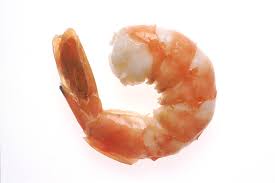
Table of Contents
Shrimp occupies an unusual position in nutrition — it has been both celebrated as one of the leanest, most protein-efficient seafoods available and avoided by people concerned about its cholesterol content. At 99 calories and 24g of protein with just 0.3g of fat per 100g, shrimp delivers the highest protein-to-calorie ratio of any whole food on our site. It also provides nearly a full day’s selenium (90% DV), more than two-thirds of a day’s B12 (69% DV), and 42% of daily copper per 100g. And its 189mg of cholesterol per 100g — the concern that has kept many people away — requires an honest, evidence-based reassessment.
Shrimp Nutrition Facts (per 100g, cooked)
| Nutrient | Amount |
|---|---|
| Calories | 99 kcal |
| Protein | 24.0g |
| Fat | 0.3g |
| — Saturated Fat | 0.06g |
| — Monounsaturated Fat | 0.05g |
| — Polyunsaturated Fat | 0.08g |
| — Omega-3 Fatty Acids | 0.03g |
| Carbohydrates | 0.2g |
| Cholesterol | 189mg |
| Sodium | 111mg |
USDA’s figures for plain cooked shrimp. Some commercially frozen shrimp is treated with moisture-retaining additives that add water and sodium — see the considerations below.
Shrimp Nutrition Facts (per 150g serving — a typical meal portion)
| Nutrient | Per 150g Serving |
|---|---|
| Calories | 149 kcal |
| Protein | 36.0g |
| Fat | 0.4g |
| Carbohydrates | 0.3g |
| Cholesterol | 284mg |
| Sodium | 167mg |
| Selenium† | 74.3µg (135% DV) |
| Vitamin B12† | 2.49µg (104% DV) |
| Copper | 0.57mg (63% DV) |
| Phosphorus | 356mg (28% DV) |
| Zinc | 2.5mg (22% DV) |
† From USDA’s older analysis of cooked shrimp — see the note under the vitamin table.
A 150g portion provides 36g of complete protein at just 149 calories, plus more than a full day’s selenium and B12 — one of the most calorie-efficient protein deliveries of any whole food.
Vitamins and Selenium in Shrimp (per 100g, cooked)
| Nutrient (older USDA analysis) | Amount | % Daily Value |
|---|---|---|
| Selenium | 49.5µg | 90% |
| Vitamin A (RAE) | 90µg | 10% |
| Vitamin B1 (Thiamine) | 0.03mg | 3% |
| Vitamin B2 (Riboflavin) | 0.02mg | 2% |
| Vitamin B3 (Niacin) | 2.68mg | 17% |
| Vitamin B5 (Pantothenic Acid) | 0.52mg | 10% |
| Vitamin B6 | 0.24mg | 14% |
| Vitamin B9 (Folate) | 24µg | 6% |
| Vitamin B12 | 1.66µg | 69% |
| Vitamin D | 0.1µg | 1% |
| Vitamin E | 2.2mg | 15% |
| Vitamin K | 0.4µg | 0% |
USDA’s newer analysis of plain cooked shrimp (used for the other tables on this page) didn’t measure vitamins or selenium, so these figures come from its older analysis of cooked shrimp. That shrimp may have contained moisture-retaining additives, which add water — so if anything, these figures slightly understate plain shrimp.
Standout: B12 at 69% DV per 100g is shrimp’s strongest vitamin contribution — more than two-thirds of the daily requirement from a food at just 99 calories. B12 is essential for myelin synthesis, red blood cell formation, and homocysteine regulation, and is found naturally almost only in animal foods. Niacin at 17% DV supports NAD-mediated energy metabolism, and Vitamin E at 15% DV provides antioxidant membrane protection.
Minerals in Shrimp (per 100g, cooked)
| Mineral | Amount | % Daily Value |
|---|---|---|
| Calcium | 70mg | 5% |
| Phosphorus | 237mg | 19% |
| Magnesium | 39mg | 9% |
| Potassium | 259mg | 6% |
| Iron | 0.51mg | 3% |
| Zinc | 1.64mg | 15% |
| Copper | 0.38mg | 42% |
| Manganese | 0.03mg | 1% |
Standout: Selenium at 90% DV per 100g (from the table above) — rising to 135% DV in a 150g serving — is the most striking mineral figure in shrimp’s profile and one of the higher selenium concentrations of any food in our collection, supporting glutathione peroxidase antioxidant defense and thyroid hormone activation at just 99 calories. Copper at 42% DV is an often-overlooked strength, supporting iron metabolism and energy production. Phosphorus at 19% DV contributes to bone mineralization and ATP energy production, and zinc at 15% DV supports immune function and testosterone production.
The Cholesterol Question: An Honest Reassessment
At 189mg of cholesterol per 100g, shrimp has historically been placed on “limit” or “avoid” lists for people watching their cholesterol.
The Old Model and Why It Was Oversimplified
Dietary cholesterol was assumed for decades to translate relatively directly into elevated blood cholesterol, and elevated blood cholesterol was linked to cardiovascular disease risk. Under this model, shrimp’s 189mg per 100g — nearly two-thirds of the long-standing 300mg daily limit — made it a food to restrict.
What the Research Actually Shows
The relationship between dietary cholesterol intake and blood cholesterol levels is considerably less direct than the old model assumed:
The body’s compensatory mechanism — the body makes most of its own cholesterol, mainly in the liver. When dietary cholesterol intake rises, the body typically reduces its own production and absorbs a smaller share — maintaining more stable blood cholesterol levels than the old model predicted.
Shrimp-specific research — a 1996 trial published in the American Journal of Clinical Nutrition fed healthy volunteers about 300g of shrimp a day for three weeks, supplying nearly 600mg of cholesterol daily. LDL cholesterol rose by about 7%, but HDL rose by about 12%, so the ratios of LDL and total cholesterol to HDL — more meaningful cardiovascular risk indicators than LDL alone — didn’t worsen, and triglycerides fell. The trial was small (18 people) and short, but it remains the most direct test of shrimp itself.
The 2015 US Dietary Guidelines — the 2015–2020 Dietary Guidelines for Americans dropped the specific 300mg/day dietary cholesterol cap, while still advising people to keep cholesterol intake as low as practical within a healthy eating pattern.
The Honest Conclusion
For the vast majority of healthy people without diabetes, familial hypercholesterolaemia, or existing cardiovascular disease, current evidence does not support avoiding shrimp on cholesterol grounds. Shrimp’s near-absence of saturated fat (0.06g per 100g) — the dietary factor most consistently associated with raising LDL in the manner that increases cardiovascular risk — is arguably more relevant to heart health than its cholesterol content.
People with specific medical conditions affecting cholesterol metabolism should follow their doctor’s individual guidance, as always.
The Protein-to-Calorie Standout
At 24g of protein for just 99 calories, shrimp has the best protein-to-calorie ratio of any whole food in our collection:
| Food (100g) | Calories | Protein | Protein per calorie |
|---|---|---|---|
| Shrimp | 99 kcal | 24.0g | 0.24g/cal |
| Cod | 105 kcal | 22.8g | 0.22g/cal |
| Turkey breast (roasted) | 136 kcal | 29.5g | 0.22g/cal |
| Tuna (canned in water) | 90 kcal | 19.0g | 0.21g/cal |
| Egg white | 55 kcal | 10.7g | 0.19g/cal |
| Chicken breast | 166 kcal | 32.1g | 0.19g/cal |
Shrimp tops the leanest protein sources available — and it brings strong selenium and B12 alongside its protein efficiency, though cod comes close on both.
Taurine: An Underappreciated Compound
Shrimp, like other seafood, provides taurine — though amounts vary widely between species, and molluscs such as scallops, clams, and mussels tend to contain more than crustaceans like shrimp.
Taurine is not one of the nine essential amino acids, but it is conditionally essential in some contexts and has been studied for several roles — mostly using supplements at doses higher than food provides:
Cardiovascular function — taurine supplements have modestly lowered blood pressure in some clinical trials, including in people with hypertension.
Muscle function — taurine is involved in calcium handling in muscle fibers and has antioxidant properties, and meta-analyses have found small improvements in endurance performance with supplementation.
Neurological function — taurine acts as an inhibitory neuromodulator in the brain, reducing neuronal excitability; calming and sleep-supporting effects have been suggested, mostly from animal research.
Bile acid conjugation — taurine conjugates with bile acids in the liver, aiding fat digestion and cholesterol metabolism.
Taurine is found at near-zero levels in plant foods, and plant-based eaters may have lower taurine status than omnivores — so seafood like shrimp is one practical way to include it in the diet.
Astaxanthin: From Shell to Flesh
The characteristic pink-orange color of cooked shrimp comes from astaxanthin.
In raw shrimp, astaxanthin is bound to proteins that hold it in a blue-grey color complex. When heated, the proteins denature, releasing astaxanthin in its free form, which appears orange-pink. The shell contains the highest concentration, which is why shrimp shells are used to make shellfish bisques and stock — the cooking liquid takes on astaxanthin released from the shell during simmering.
Shrimp flesh contains smaller amounts, so preparations that use the shell (shell-on cooking, shrimp bisque, stock from shells) provide more astaxanthin per portion than peeled, shell-off preparations.
Health Benefits of Shrimp
Outstanding Selenium for Antioxidant and Thyroid Support
At 90% DV per 100g, shrimp is among the most selenium-concentrated commonly eaten foods, providing nearly a full day’s selenium in a single modest serving. This supports glutathione peroxidase antioxidant function throughout the body and the deiodinase-mediated conversion of thyroid hormone T4 to active T3 that governs metabolic rate.
Two-Thirds of a Day’s B12 from a 99-Calorie Food
The 69% DV B12 per 100g is genuinely remarkable at shrimp’s calorie level. For anyone seeking B12-rich foods without significant caloric cost — a particularly relevant concern during fat loss phases — shrimp provides most of the daily B12 requirement for under 100 calories.
Complete Protein at Exceptional Efficiency
At 0.24g of protein per calorie — the highest of any whole food on our site — shrimp allows substantial protein consumption within a tight calorie budget. Its complete amino acid profile with excellent digestibility makes it highly effective for muscle protein synthesis.
Heart Health Through Very Low Saturated Fat
With just 0.06g saturated fat per 100g and a modest taurine content, shrimp is compatible with heart-healthy eating despite (or more accurately, independently of) its cholesterol content — as the trial evidence above suggests.
Copper and Phosphorus
Copper at 42% DV per 100g supports iron metabolism, connective tissue formation, and mitochondrial energy production, while phosphorus at 19% DV supports bone mineralization alongside calcium and the ATP energy systems that every cell relies on — delivered at minimal caloric cost.
Zinc for Immune Function
At 15% DV per 100g, zinc contributes to immune cell production, testosterone synthesis, and wound healing — relevant to both general health and the training recovery demands of active people.
Shrimp for Athletes and Active People
The Ultimate Cutting Phase Protein
During calorie restriction for fat loss, few whole foods provide as much protein per calorie as shrimp. A 200g serving delivers 48g of complete protein at just 198 calories — more protein than most people’s post-workout target, at fewer calories than a typical snack. For athletes hitting high protein targets within a tight calorie budget, shrimp makes this much easier to achieve.
Selenium for Exercise Recovery
Intense training generates significant oxidative stress; shrimp’s 90% DV selenium per 100g supports the glutathione peroxidase defenses that help manage this, contributing to the recovery environment that enables consistent high-quality training.
B12 for Red Blood Cell Support
Adequate B12 supports the erythropoiesis — red blood cell production — that determines oxygen-carrying capacity and directly affects aerobic performance and training capacity.
Versatile Meal Prep Protein
Shrimp cooks in 2–3 minutes, keeps in the refrigerator for 3–4 days once cooked, and works across a wider range of cuisines than almost any other protein source. This practical versatility makes consistent high protein intake across a week significantly easier.
Fresh vs Frozen vs Farmed vs Wild Shrimp
Frozen Shrimp
Most commercial shrimp is frozen soon after harvest, and much of the “fresh” shrimp at fish counters has been previously frozen and thawed. Frozen shrimp is often of comparable or better quality than “fresh” shrimp that has sat refrigerated for several days. Always check the smell of fresh-labelled shrimp; properly fresh shrimp should smell of clean ocean, not ammonia.
Check the ingredients list too: some frozen shrimp is treated with moisture-retaining additives such as sodium tripolyphosphate, which add water and sodium. USDA’s figures for cooked shrimp that may contain these additives show 947mg of sodium per 100g, compared with 111mg for plain cooked shrimp.
Wild vs Farmed
Wild-caught and farmed shrimp are broadly comparable nutritionally, with modest differences in omega-3 content and fatty acid profile depending on feed in farmed varieties.
Farmed shrimp from certified, well-managed aquaculture is nutritionally excellent and widely available. Farmed shrimp from poorly regulated sources has been associated with antibiotic use and environmental degradation in some regions — checking for sustainability certifications (ASC, BAP, MSC) is worthwhile for regular consumers.
Size and Species
Nutritionally, common shrimp species provide broadly comparable profiles. Larger prawns (a term used interchangeably with shrimp in many markets, though technically referring to different crustaceans in some classifications) have similar nutritional profiles.
Cooking Shrimp: Speed and the Overcooking Problem
Shrimp is one of the easiest whole proteins to overcook — the difference between perfectly cooked and rubbery is often a matter of seconds.
The visual cue: shrimp muscle protein firms up very quickly at cooking temperatures. The shape of a cooking shrimp is a handy guide — when it has curled into a loose C and turned opaque pink throughout, it’s done; when it has tightened into a tight O, it’s overcooked.
Practical methods:
Sautéing — 1–2 minutes per side in a hot pan over medium-high heat. As soon as pink throughout and loosely C-shaped, remove immediately.
Boiling/poaching — drop into simmering (not vigorously boiling) water; remove as soon as they turn uniformly pink, typically 1.5–2 minutes for medium shrimp.
Grilling — about 2 minutes per side on high heat; the charring from the grill adds flavor while the brevity prevents toughening.
Stir-frying — added last to any stir-fry, 1–2 minutes in a very hot wok.
Oven cooking — brief and hot works better than slow and moderate; prolonged dry heat produces uniformly rubbery shrimp.
Practical Ways to Include Shrimp in Your Diet
Garlic shrimp with vegetables — 3 minutes in a hot pan with olive oil, garlic, and any vegetables; one of the fastest nutritious meals achievable.
Shrimp salad — cold cooked shrimp over mixed greens with avocado, cherry tomatoes, and lemon dressing; a complete meal in under 10 minutes.
In stir-fries — added to any vegetable and rice or noodle stir-fry in the final 2 minutes; an excellent protein addition without requiring separate preparation.
Shrimp tacos — grilled shrimp in corn tortillas with cabbage slaw, lime, and avocado; quick to prepare with impressive nutritional credentials.
Shrimp pasta — 200g of shrimp with garlic, olive oil, cherry tomatoes, and white wine over linguine takes 15 minutes and provides a protein-rich complete meal.
Cold boiled shrimp as a snack — pre-cooked and chilled; one of the most protein-dense, lowest-calorie snacks available. Serve with lemon and any dipping sauce.
Potential Considerations
Shellfish allergy — shellfish allergy is one of the most common and most potentially severe food allergies. Crustacean shellfish allergy (shrimp, crab, lobster) is distinct from mollusc allergy (clams, oysters, mussels) — some people have both. Shrimp allergy specifically can cause anaphylaxis; people with known shellfish allergy must avoid shrimp completely.
Cholesterol — as addressed above, current evidence does not support avoidance of shrimp on cholesterol grounds for most healthy people. People with specific medical guidance on dietary cholesterol should follow their doctor’s individual recommendations.
Sodium in treated and prepared products — plain cooked shrimp has modest sodium (111mg per 100g), but shrimp treated with moisture-retaining additives can carry several times more (USDA’s figure is 947mg per 100g), and breaded, marinated, and restaurant-prepared shrimp can carry more still. Checking labels matters for anyone monitoring sodium.
Sustainability — choose shrimp with ASC, BAP, or MSC certification for verified sustainable sourcing, whether farmed or wild-caught.
Iodine — shrimp provides a modest amount of iodine, far less than cod or dairy; this is relevant context mainly for people with thyroid conditions requiring careful iodine management.
Nutrient data: USDA FoodData Central, SR Legacy — shrimp, cooked (FDC ID 175180); vitamins and selenium from shrimp, mixed species, cooked, moist heat (FDC ID 171971), marked † where they appear in other tables. % Daily Values use the FDA’s current Daily Values.