

Pre-Workout Supplements: The Complete Guide
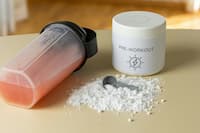
Pre-workout supplements are the most popular category in sports nutrition after protein powder — and also the most misunderstood. Walk into any gym and you’ll find serious athletes who swear by them, casual exercisers who’ve never tried them, and beginners who are intimidated by the marketing language and long ingredient lists. The reality is more straightforward than the supplement industry wants you to believe.
This guide covers everything you need to know about pre-workout supplements — what they are, how they work, the key ingredients, the benefits and risks, who should use them, and how to choose a product that actually delivers on its promises.
What Is a Pre-Workout Supplement?
A pre-workout supplement is a product — typically a powder mixed with water — consumed 20–30 minutes before training to acutely enhance workout performance. Unlike creatine which works through gradual accumulation over days and weeks, pre workout produces its effects within the hour after consumption and is gone by the next day.
Pre-workout is not a single compound — it’s a category that encompasses hundreds of different products with vastly different formulations. Some contain only a handful of well-researched ingredients at effective doses. Others contain dozens of ingredients in quantities too small to do anything meaningful. Understanding what separates a genuinely effective pre workout from an overpriced caffeine tablet is one of the most valuable things you can learn before spending money in this category.
How Pre-Workout Works
Pre-workout products work through a combination of mechanisms — each driven by specific ingredients targeting different aspects of exercise performance:
Central nervous system stimulation — primarily through caffeine, which blocks adenosine receptors in the brain. Adenosine is the compound responsible for the feeling of fatigue — caffeine’s blockade of its receptors reduces perceived effort, increases alertness, and improves motivation to train.
Muscle endurance — primarily through beta-alanine, which increases muscle carnosine levels and buffers the acid that builds up during high-intensity exercise — extending performance before fatigue forces you to stop.
Blood flow and muscle pump — primarily through citrulline and other nitric oxide precursors, which increase the production of nitric oxide in blood vessel walls, causing vasodilation — widening of blood vessels and increased blood flow to working muscles.
Energy system support — through creatine (in products that include it at effective doses), B vitamins, and other compounds that support ATP production and energy metabolism.
Focus and mind-muscle connection — through ingredients like tyrosine, theanine, and alpha-GPC that support cognitive function and neuromuscular signalling during training.
The Key Ingredients in Pre-Workout
Not all pre-workout ingredients are created equal. Understanding which ones have genuine evidence behind them — and at what doses — allows you to evaluate any product objectively rather than being swayed by impressive ingredient lists.
Caffeine — The Foundation
Caffeine is the most important and most consistently effective ingredient in any pre-workout supplement. It’s one of the most researched performance-enhancing compounds in existence — with robust evidence across strength, power, endurance, and cognitive performance.
How it works: Caffeine blocks adenosine receptors in the brain, reducing the perception of fatigue and effort. It also increases catecholamine release (adrenaline, noradrenaline) which heightens arousal, focus, and physical performance.
Effective dose: 3–6mg per kilogram of body weight — for most people this means 200–400mg per session. Many pre-workouts contain 150–350mg per serving.
Evidence: Extensive. Meta-analyses consistently show caffeine improves maximal strength by approximately 3–7%, endurance performance by 2–4%, and reduces perceived effort during exercise.
Beta-Alanine — The Endurance Booster
Beta-alanine is the ingredient responsible for the tingling sensation (paraesthesia) that many people experience after taking pre-workout. It works by increasing muscle carnosine levels — a dipeptide that buffers hydrogen ions (acid) produced during high-intensity exercise.
How it works: During intense exercise, hydrogen ion accumulation contributes to the burning sensation and fatigue that forces you to slow down or stop. Higher muscle carnosine levels buffer this acid more effectively, extending the time before fatigue sets in.
Effective dose: 3.2–6.4g per day. Importantly beta-alanine’s benefits come from chronically elevated muscle carnosine — not from acute pre-workout dosing. Daily supplementation over 4+ weeks is required for full benefits, regardless of timing.
Best for: Exercise in the 1–4 minute effort range — high-rep resistance training, HIIT, combat sports, rowing, and similar activities. Less relevant for pure strength work (under 30 seconds) or long endurance (over 10 minutes).
Citrulline — The Pump Ingredient
Citrulline is an amino acid that increases nitric oxide production in blood vessel walls — causing vasodilation and increased blood flow to muscles during exercise. This produces the “pump” effect many lifters find motivating, and has genuine performance benefits beyond aesthetics.
How it works: Citrulline is converted to arginine in the kidneys, which is then used to produce nitric oxide — the signalling molecule that causes smooth muscle in blood vessel walls to relax and vessels to widen. Greater blood flow means more oxygen and nutrient delivery to working muscles and faster removal of metabolic waste products.
Effective dose: 6–8g of L-citrulline or 8–10g of citrulline malate per serving.
Evidence: Research shows citrulline reduces muscle soreness, improves rep performance in resistance training, and improves endurance performance. A 2010 study found citrulline malate supplementation before a chest training session increased rep performance by 52% on the latter sets of an exercise — a striking finding.
Creatine — The Long-Term Performance Booster
Many pre-workout products include creatine as an ingredient — and while creatine is genuinely one of the most effective performance supplements available, its inclusion in pre-workout creates a significant practical problem.
Creatine works through accumulation — saturating muscle stores over 3–4 weeks of consistent daily supplementation. The typical 1–3g of creatine found in most pre-workout products is well below the effective daily dose of 3–5g, and since pre-workouts are typically only taken on training days, the cumulative dose is further reduced.
The result: Pre-workout creatine is almost always present at doses too low and taken too infrequently to produce the muscle saturation needed for performance benefits. It’s effectively a marketing ingredient.
The recommendation: Supplement with standalone creatine monohydrate at 3–5g daily — every day, including rest days — regardless of whether your pre-workout contains creatine. For a specific look at creatine in pre-workout products, see our creatine in pre-workout page.
Beta-Alanine + Caffeine: The Core Stack
The combination of caffeine and beta-alanine represents the evidence-backed core of most effective pre-workout formulations. Together they address two different performance limitations:
- Caffeine reduces perceived effort and increases power output — helping you push harder on every rep
- Beta-alanine buffers muscular fatigue — helping you sustain that higher intensity for more reps before the burn forces you to stop
Most well-formulated pre-workouts are built around this combination, with citrulline, tyrosine, and other supporting ingredients added to address additional aspects of performance.
Supporting Ingredients with Evidence
L-Theanine — an amino acid found naturally in green tea that when combined with caffeine produces a smoother, more focused stimulant effect — reducing caffeine’s potential for jitteriness and anxiety while preserving its performance benefits. The 2:1 theanine-to-caffeine ratio (e.g., 200mg caffeine + 400mg theanine) is one of the most well-researched cognitive-performance stacks available.
Tyrosine — an amino acid that is the precursor to dopamine, noradrenaline, and adrenaline. Supplementation supports neurotransmitter availability during stressful situations including intense exercise — potentially maintaining focus and drive during demanding sessions. Most effective under conditions of stress or sleep deprivation.
Alpha-GPC — a choline compound that increases acetylcholine levels in the brain. Acetylcholine is the primary neurotransmitter involved in muscle contraction and neuromuscular signalling. Research shows alpha-GPC improves power output and the mind-muscle connection — making it one of the more evidence-backed cognitive performance ingredients.
Betaine (trimethylglycine) — a compound found naturally in beets and spinach. Research suggests betaine supplementation at 2.5g per day improves muscular endurance and may enhance body composition. Less consistently supported than caffeine or citrulline but a meaningful addition in well-formulated products.
Electrolytes (sodium, potassium, magnesium) — important for sustained hydration and muscle function during training, particularly in hot conditions or during prolonged sessions. A practical and underrated addition to pre-workout formulations.
Ingredients to Be Cautious About
Not every ingredient that appears on a pre-workout label is beneficial — and some are worth actively avoiding.
Proprietary blends — the most important red flag. A proprietary blend lists multiple ingredients under a single combined weight without disclosing individual doses. This allows manufacturers to include popular ingredients at doses too low to be effective — capitalizing on the ingredient’s reputation without delivering its benefits. Always choose products with fully transparent labels that list individual ingredient doses.
DMAA (1,3-dimethylamylamine) — a powerful stimulant that has been banned by the FDA and multiple sports organisations due to cardiovascular risks including heart attack and stroke. Still found in some products despite its ban status. Avoid completely.
Excessive caffeine — doses above 400mg per serving put most people into the range where side effects (anxiety, heart palpitations, insomnia) become likely and performance benefits plateau. Products containing 400mg+ per serving should be approached with significant caution.
Artificial dyes and unnecessary additives — while not harmful at typical doses, products with minimal additives are preferable to those loaded with artificial colours, flavours, and fillers that add nothing to performance.
Benefits of Pre-Workout Supplements
Increased Training Intensity
The most direct and consistently demonstrated benefit. Caffeine’s reduction of perceived effort means training feels less hard at the same objective intensity — which translates to the ability to train harder, lift more weight, or complete more reps before reaching volitional failure.
Improved Mental Focus and Drive
One of the most practically valued benefits — particularly for people who train after work when mental fatigue from the day can impair training quality. The combination of caffeine, tyrosine, and theanine in well-formulated products produces a focused, motivated state that makes it easier to train with full intensity.
Enhanced Muscular Endurance
Through beta-alanine’s acid buffering and citrulline’s improved blood flow and waste product clearance, well-formulated pre-workouts extend the number of reps achievable before fatigue — particularly in the later sets of a training session when local muscular fatigue is the primary limiting factor.
Better Muscle Pump
Citrulline-induced vasodilation creates the pump effect that many lifters find both motivating during training and potentially beneficial for muscle growth signalling. Cell swelling from increased blood flow may contribute to anabolic signalling within muscle cells — a mechanism similar to creatine’s cell volumisation effect.
Improved Performance on Low-Energy Days
Perhaps the most practically valuable benefit of all. Everyone has days when sleep was poor, stress was high, or energy is simply low. A well-timed pre-workout on these days can bridge the gap between a suboptimal session and a productive one — making it particularly useful as an occasional tool rather than a daily dependency.
Side Effects and Risks
Caffeine-Related Side Effects
The most common pre-workout side effects are almost entirely caffeine-related:
Jitteriness and anxiety — particularly at higher doses or in caffeine-sensitive individuals. Choosing lower-caffeine products (150–200mg) or adding theanine reduces this significantly.
Heart palpitations — caffeine increases heart rate. Most people tolerate this well but those with cardiac sensitivities should consult a doctor before using caffeinated pre-workouts.
Sleep disruption — caffeine’s half-life is approximately 5–6 hours. Taking pre-workout after 4–5pm can significantly impair sleep quality — undermining recovery and potentially negating the training benefit. If you train in the evenings, a stimulant-free pre-workout is strongly recommended.
Caffeine tolerance — regular caffeine consumption leads to tolerance, meaning progressively higher doses are needed for the same effect. Many experienced pre-workout users find their product is less effective after weeks of daily use. Cycling — using pre-workout for 4–8 weeks then taking 1–2 weeks off at lower caffeine intake — helps reset tolerance.
Caffeine dependency — regular use creates physical dependence. Missing pre-workout on training days can result in withdrawal symptoms — headaches, fatigue, reduced motivation — that impair the very training they were supposed to enhance.
Beta-Alanine Tingling
The paraesthesia (tingling sensation) caused by beta-alanine is harmless but can be uncomfortable — particularly in the face, neck, and hands. It’s caused by beta-alanine binding to sensory nerve receptors in the skin. It diminishes with regular use as carnosine levels build up. Taking beta-alanine with food or using a sustained-release form reduces the intensity.
Gastrointestinal Issues
Some people experience nausea, stomach cramps, or gastrointestinal discomfort — particularly from high-dose citrulline or taking pre-workout on an empty stomach. Taking pre-workout with a small amount of food typically resolves this.
Blood Pressure
Caffeine acutely raises blood pressure — typically by 5–10mmHg. For most healthy people this is within normal physiological variation. For people with hypertension or cardiovascular conditions, pre-workout use should be discussed with a doctor.
Who Should Use Pre-Workout?
Best Suited For
Experienced lifters — people who have already established consistent training habits, optimized their nutrition, and are looking for an additional edge. Pre-workout is most effective when layered on top of solid fundamentals.
People training in challenging circumstances — after a long workday, with limited sleep, or during high-stress periods when motivation and energy are genuinely compromised.
Athletes with performance goals — for whom the marginal performance enhancement from pre-workout translates into meaningful competitive advantage.
Occasional use — using pre-workout selectively for the most demanding training sessions — heavy leg days, max effort sessions, competitions — rather than every session prevents tolerance and makes each use more impactful.
Less Suited For
Beginners — new exercisers don’t need pre-workout. The training stimulus from beginning an exercise program is powerful enough to drive results without stimulant support. Building a foundation of consistent training, nutrition, and sleep will produce better results than any supplement.
People with caffeine sensitivity — those who experience anxiety, heart palpitations, or sleep disruption from moderate caffeine intake should either avoid caffeinated pre-workouts or choose stimulant-free alternatives.
Evening trainers — caffeine in the evening reliably impairs sleep quality — which is one of the most important determinants of recovery and performance. Stimulant-free pre-workouts are the appropriate choice for evening training.
People with cardiovascular conditions — the acute cardiovascular effects of high-dose caffeine warrant medical consultation for anyone with hypertension, arrhythmia, or other cardiac conditions.
Stimulant-Free Pre-Workout
Not everyone wants or benefits from caffeine — and stimulant-free pre-workout formulations have improved significantly in recent years. A well-formulated stimulant-free pre-workout built around citrulline, beta-alanine, betaine, and electrolytes can meaningfully enhance training performance through pump, endurance, and hydration without any caffeine-related side effects or sleep disruption.
How to Choose a Pre-Workout
1. Transparent Label
The single most important quality indicator. Every ingredient should be listed with its individual dose — no proprietary blends. If a product won’t tell you how much of each ingredient it contains, the answer is almost certainly “not enough.”
2. Clinically Effective Doses
Check the key ingredients against effective doses:
- Caffeine: 150–300mg
- Beta-alanine: 3.2g+
- Citrulline: 6g+ (L-citrulline) or 8g+ (citrulline malate)
- Betaine: 2.5g
- Alpha-GPC: 300–600mg
- Tyrosine: 500mg–2g
Products that contain 10–20 ingredients with tiny amounts of each are typically underdosed across the board. Fewer ingredients at effective doses beat many ingredients at ineffective doses every time.
3. Third-Party Testing
Look for Informed Sport or NSF Certified for Sport certification — these verify that the product contains what it claims and is free from banned substances. Particularly important for competitive athletes subject to drug testing.
4. Caffeine Dose Appropriate for You
Match the caffeine dose to your tolerance and training time. New pre-workout users or caffeine-sensitive individuals should start at 150–200mg. Experienced users may prefer 200–300mg. Evening trainers should choose stimulant-free or very low caffeine options.
5. Value per Dose
Calculate the cost per serving and the dose of key ingredients per dollar rather than judging by overall price. An expensive product with effective doses of proven ingredients is better value than a cheap product with inadequate doses of everything.
For honest reviews of specific products including ingredient analysis and value assessment, see our best pre-workout supplements roundup.
Pre-Workout vs. Other Supplements
Pre-workout sits in a specific role in a supplement stack — it’s an acute performance enhancer rather than a foundational health or body composition supplement. Here’s how it compares to the supplements most commonly considered alongside it:
Pre-workout vs. creatine — creatine builds long-term performance capacity through muscle saturation; pre-workout provides acute session-by-session enhancement. Creatine is the higher-priority supplement for long-term results.
Pre-workout vs. protein — protein builds and repairs muscle tissue; pre-workout enhances training performance. Both serve essential but different roles — protein is the higher priority.
Pre-workout vs. coffee — caffeine from coffee provides most of the primary performance benefit of pre-workout at a fraction of the cost. The advantage of pre-workout is the combination of caffeine with beta-alanine, citrulline, and other synergistic ingredients that coffee alone doesn’t provide.
The Right Role for Pre-Workout in Your Supplement Stack
Pre-workout is best thought of as a tool rather than a foundation. The foundation of your supplement approach — in order of evidence and impact — should be:
- Nutrition fundamentals — adequate calories, protein, and micronutrients
- Creatine monohydrate — daily, for cumulative performance benefits
- Sleep and recovery — no supplement replaces adequate sleep
- Protein supplementation — if whole food protein doesn’t cover your daily target
- Pre-workout — selectively, for sessions when an acute performance boost is needed
Used in this context — as a selective performance tool on top of solid fundamentals — pre-workout can meaningfully enhance training quality. Used as a substitute for adequate sleep, nutrition, or consistent training, it will consistently disappoint.
Related Pages
- Creatine in Pre-Workout — why pre-workout creatine usually doesn’t work
- Pre-Workout for Women — specific guidance for women
- Natural Pre-Workout Alternatives — stimulant-free options
- Muscle Building Techniques — advanced training methods to maximize the benefits of the Pre-Workout
- Calorie Calculator — find your nutrition targets
- Macro Calculator — calculate your ideal protein, carb, and fat split