

Lamb: Nutrition Facts, Health Benefits, and the Complete Guide to an Underrated Performance Meat
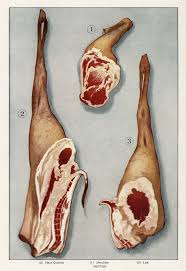
Table of Contents
Lamb is one of the most nutritionally impressive meats available — yet it’s considerably less present in fitness nutrition conversations than beef or chicken, despite matching or exceeding both on several key micronutrients. At 107% of daily B12, 49% of selenium, 43% of zinc, 41% of niacin, and 25.5g of complete protein per 100g, lamb delivers a micronutrient profile that comes close to ground beef on B12, offers a little less zinc, and beats it on selenium and niacin — and in many markets it comes from pasture-raised animals, which shapes its fat composition in ways worth understanding.
Lamb Nutrition Facts (per 100g, cooked)
| Nutrient | Amount |
|---|---|
| Calories | 271 kcal |
| Protein | 25.5g |
| Fat | 18.0g |
| — Saturated Fat | 7.5g |
| — Monounsaturated Fat | 7.6g |
| — Polyunsaturated Fat | 1.3g |
| — Omega-3 Fatty Acids | 0.24g |
| Carbohydrates | 0g |
| Cholesterol | 96mg |
| Sodium | 72mg |
USDA’s figures for an average of all retail lamb cuts, lean and fat, trimmed to 1/8″ fat, cooked. Individual cuts vary — see the cuts table below.
Lamb Nutrition Facts (per 150g serving — a standard cooked portion)
| Nutrient | Per 150g Serving |
|---|---|
| Calories | 407 kcal |
| Protein | 38.3g |
| Fat | 27.0g |
| — Saturated Fat | 11.2g |
| Carbohydrates | 0g |
| Sodium | 108mg |
| Vitamin B12 | 3.9µg (161% DV) |
| Selenium | 40.8µg (74% DV) |
| Zinc | 7.1mg (65% DV) |
| Niacin | 9.8mg (61% DV) |
| Riboflavin | 0.39mg (30% DV) |
| Phosphorus | 290mg (23% DV) |
A standard lamb portion provides well over a full day’s B12 requirement alongside more than 38g of complete protein.
Vitamins in Lamb (per 100g, cooked)
| Vitamin | Amount | % Daily Value |
|---|---|---|
| Vitamin B1 (Thiamine) | 0.1mg | 8% |
| Vitamin B2 (Riboflavin) | 0.26mg | 20% |
| Vitamin B3 (Niacin) | 6.55mg | 41% |
| Vitamin B5 (Pantothenic Acid) | 0.67mg | 13% |
| Vitamin B6 | 0.14mg | 8% |
| Vitamin B9 (Folate) | 19µg | 5% |
| Vitamin B12 | 2.57µg | 107% |
| Vitamin C | 0mg | 0% |
USDA’s lamb data has no values for vitamins A, D, E, or K; all are present only in small amounts in red meat.
Standout: Lamb’s B12 content (107% DV per 100g) exceeds the full daily requirement in a single 100g serving. B12 is essential for myelin synthesis, red blood cell formation, and homocysteine regulation, and is found naturally almost only in animal foods. Niacin at 41% DV and riboflavin at 20% DV support the NAD/NADP and FAD/FMN coenzyme systems central to cellular energy production across every metabolic pathway.
Minerals in Lamb (per 100g, cooked)
| Mineral | Amount | % Daily Value |
|---|---|---|
| Calcium | 16mg | 1% |
| Phosphorus | 193mg | 15% |
| Magnesium | 24mg | 6% |
| Potassium | 318mg | 7% |
| Iron | 1.93mg | 11% |
| Zinc | 4.74mg | 43% |
| Selenium | 27.2µg | 49% |
| Copper | 0.12mg | 13% |
Standout: Lamb’s selenium (49% DV) and zinc (43% DV) per 100g make it one of the stronger whole-food sources of both — selenium for glutathione peroxidase antioxidant defense and thyroid hormone activation, zinc for immune function and testosterone production. Phosphorus (15% DV) contributes as both a structural bone mineral and a component of ATP, and much of the iron (11% DV) is in highly bioavailable haem form.
The Grass-Fed Distinction: How Lamb’s Fat Profile Can Differ From Grain-Fed Beef
This is one of the most meaningful nutritional distinctions about lamb that most people aren’t aware of, and it’s worth explaining directly — along with an important caveat.
How Much Lamb Is Grass-Fed?
Unlike beef cattle in markets like the United States, which are frequently finished on grain in feedlots, lamb from major producers such as New Zealand, Australia, and the United Kingdom is raised largely on pasture, reflecting traditional pastoral farming practices. That isn’t universal, though: much of the lamb produced in the United States is grain-finished in feedlots before slaughter — and the USDA figures on this page are for US lamb. If grass-feeding matters to you, check the country of origin or the label.
This distinction matters nutritionally because the fat composition of ruminant animals is directly influenced by their diet in measurable ways.
What Grass-Feeding Does to Fat Composition
Higher CLA content — conjugated linoleic acid is a naturally occurring fatty acid found almost exclusively in the fat of ruminant animals and in dairy, concentrated in animals that graze on grass rather than grain. CLA has been studied for potential body composition benefits, immune modulation, and anti-cancer properties, though effects in human studies have been small or inconsistent. Pasture-raised lamb consistently shows higher CLA concentrations than equivalent grain-finished animals.
Better omega-6 to omega-3 ratio — grass contains more alpha-linolenic acid (ALA, the plant omega-3) than grain, which is incorporated into the animal’s fat and results in a more favorable omega-6 to omega-3 ratio in grass-fed animals. While the absolute omega-3 content of lamb is modest compared to fatty fish (about 0.24g per 100g), the ratio improvement is real and consistent.
A different saturated fat composition — ruminant animal fat, including lamb, contains a proportion of odd-chain saturated fatty acids (pentadecanoic and heptadecanoic acids) that are virtually absent from plant foods and non-ruminant animal fats. These are being actively studied as potential markers of metabolic health, and some research has associated higher odd-chain saturated fatty acid levels with reduced metabolic disease risk — a finding distinct from the associations seen with even-chain saturated fats like palmitic acid, though still largely observational.
Carnosine: Lamb’s Performance Compound
Lamb, like other meat and fish, contains naturally occurring carnosine — a dipeptide (two amino acids, beta-alanine and histidine, bonded together) concentrated in skeletal muscle tissue.
What Carnosine Does
Intracellular buffer — carnosine buffers hydrogen ions produced during high-intensity anaerobic exercise, delaying the drop in muscle pH that causes the burning sensation and contributes to muscular fatigue during intense training.
Antioxidant — carnosine directly quenches reactive oxygen species and inhibits lipid peroxidation, protecting muscle cell membranes from oxidative damage during training.
Anti-glycation — in laboratory research, carnosine inhibits the formation of advanced glycation end products (AGEs), compounds formed when sugar reacts with proteins, which contribute to tissue aging and impaired cellular function over time.
This is the same reason beta-alanine supplementation is popular in sports nutrition — beta-alanine is the rate-limiting precursor to carnosine synthesis in muscle tissue, and supplementing it raises muscle carnosine concentrations. Eating meat works through the same route: the carnosine in lamb is mostly broken down during digestion into beta-alanine and histidine, and muscles then use that beta-alanine to build their own carnosine — which is why meat-eaters tend to have higher muscle carnosine than vegetarians. The amounts are modest, though: a serving of meat provides far less beta-alanine than the 4–6g a day used in supplement studies.
Health Benefits of Lamb
Complete, High-Quality Protein
At 25.5g per 100g, lamb provides complete protein containing all 9 essential amino acids in good proportions, including strong leucine content — the primary trigger for muscle protein synthesis. Like other meats, lamb protein is highly digestible.
Outstanding B12 for Neurological Health
At 107% DV per 100g, lamb is one of the strongest dietary B12 sources available. The body only absorbs a few micrograms of B12 from a single meal, so regular intake matters more than one large dose — and regular lamb meals make a substantial contribution to maintaining B12 status, supporting neurological health and the red blood cell formation and homocysteine regulation that B12 enables.
Strong Zinc for Immune Function and Testosterone
At 43% DV per 100g, lamb’s zinc content supports immune cell production, testosterone synthesis in Leydig cells, wound healing, and the enzymatic reactions involved in protein synthesis and cell division. Red meat remains one of the most bioavailable dietary zinc sources available.
Selenium for Antioxidant Defence
At 49% DV per 100g, lamb’s selenium supports glutathione peroxidase activity throughout the body and the deiodinase-mediated conversion of thyroid hormone T4 to active T3, directly relevant to metabolic rate regulation.
Heart Health in Context
Lamb’s fat content (18.0g per 100g, including 7.5g saturated fat) makes it a food to consume with portion awareness for anyone managing cardiovascular risk factors. The same nuanced discussion applied to ground beef on this site applies here — the distinction between unprocessed red meat (which shows weaker associations with cardiovascular risk) and processed meat (which shows consistently stronger ones) is relevant to how lamb should be thought about, as is the guidance from cancer organizations to keep red meat to around 350–500g cooked weight per week.
The combination of monounsaturated fat (7.6g per 100g — slightly more than the saturated fat), meaningful potassium (318mg per 100g), and very low sodium (72mg per 100g) is worth noting — the full fat profile is not simply “saturated fat” but a more compositionally complex picture.
Iron for Oxygen Transport
At 11% DV per 100g, with much of it in haem form — absorbed at around 15–35% efficiency, compared with 2–20% for plant iron — lamb’s iron contribution is meaningful and highly bioavailable, directly supporting haemoglobin-mediated oxygen transport.
Lamb for Athletes and Active People
A High-Performance Red Meat Rotation
For athletes who include red meat in their diet, lamb offers a genuine nutritional alternative to beef with a comparably strong micronutrient profile — particularly B12, zinc, and selenium — and, when it’s pasture-raised, the associated fat composition advantages. Rotating lamb into a training diet that already includes beef adds nutritional variety without compromising on the specific micronutrients red meat is valued for.
Carnosine for High-Intensity Training
As detailed above, the carnosine in lamb supplies beta-alanine that muscles use to build their own carnosine, which buffers hydrogen ions during intense anaerobic training — relevant to repeated high-intensity efforts and resistance training sets. It’s a modest dietary contribution to the same mechanism that makes beta-alanine one of the more evidence-backed sports nutrition supplements, not a replacement for it.
Zinc and Selenium for Recovery
Athletes in heavy training blocks lose zinc through sweat and face elevated oxidative stress that places demands on selenium-dependent antioxidant enzymes; lamb’s strong contributions to both support the immune resilience and antioxidant recovery capacity needed during demanding training periods.
Calorie-Dense for Muscle Building Phases
At 271 calories per 100g with 25.5g of protein, lamb is moderately calorie-dense — useful for athletes in a deliberate caloric surplus who need to hit higher calorie targets without unrealistic food volumes. Fattier cuts (rib/rack, loin, shoulder) push this higher, while leg — especially with the visible fat trimmed — brings it closer to the lean meat category.
Lamb Cuts and How Fat Content Varies
Unlike ground beef where fat content is explicitly labelled, lamb cuts vary considerably in fat content depending on where the cut comes from:
| Cut (100g, cooked, lean and fat) | Calories | Fat | Notes |
|---|---|---|---|
| Leg of lamb (roasted) | 242 kcal | 14.4g | Leanest roasting joint |
| Lamb shoulder (roasted) | 269 kcal | 19.1g | Excellent for slow cooking |
| Ground lamb (broiled) | 283 kcal | 19.6g | Similar to 80/20 ground beef |
| Lamb loin chops (broiled) | 297 kcal | 20.6g | Fattier than often assumed — trim for leaner chops |
| Lamb rack/ribs (roasted) | 341 kcal | 27.5g | Highest fat, premium presentation cut |
Leg is the leanest common cut, while loin chops — often thought of as lean — carry more fat than the shoulder unless trimmed. Trimming the visible fat makes the biggest difference of all: USDA’s roast leg of lamb with the separable fat removed comes to 191 kcal and 7.7g of fat per 100g, putting it firmly among lean red meats. For calorie-dense eating, shoulder and rack cuts provide significantly more fat alongside comparable protein and micronutrient content.
Practical Ways to Include Lamb in Your Diet
Grilled lamb chops — a fast, high-protein meal requiring minimal preparation; season with herbs, garlic, and olive oil, grill or pan-sear for a few minutes each side.
Slow-cooked lamb shoulder — one of the most flavorful preparations; a long, gentle braise breaks down the connective tissue in this fattier cut to produce extraordinarily tender, flavorful meat.
Lamb mince in dishes — used the same way as ground beef in bolognese, chilli, moussaka, or shepherd’s pie, bringing the same versatility with lamb’s distinctive flavor and micronutrient profile.
Roast leg of lamb — a classic Sunday roast preparation; the leg is the leanest common roasting joint and produces a substantial amount of protein per serving.
Lamb kebabs — cubed lamb shoulder or leg marinated in yogurt, spices, and lemon and grilled on skewers; the yogurt marinade helps tenderize the meat and pairs naturally with lamb’s flavor.
Lamb in curries and tagines — lamb’s flavor holds up particularly well in strongly spiced preparations; Moroccan, Indian, and Middle Eastern cuisines have developed centuries of lamb-based dish traditions that make the most of its distinctive taste.
Potential Considerations
Saturated fat and cholesterol — at 7.5g saturated fat and 96mg cholesterol per 100g, lamb is a food to eat in moderate portions for anyone managing cardiovascular risk factors, with the same nuanced guidance applied to other unprocessed red meats on this site.
Cooking method — as with ground beef, high-heat charring produces heterocyclic amines and PAHs; grilling to medium rather than well-done and avoiding heavy charring reduces these compounds without requiring a completely different cooking approach. Whole cuts like chops and roasts are safe at 63°C (145°F) with a short rest, but minced lamb should be cooked to 71°C (160°F).
Higher cost than chicken or ground beef — lamb is typically more expensive than other common protein sources, which may limit how practical it is as a daily staple compared to an occasional rotation.
Religious and cultural dietary patterns — lamb is a significant food in many religious and cultural traditions including Islamic, Jewish, Greek Orthodox, and others; its preparation and consumption often has ceremonial or cultural significance beyond its nutritional profile that is worth acknowledging.
Nutrient data: USDA FoodData Central, SR Legacy — lamb, composite of trimmed retail cuts, separable lean and fat, trimmed to 1/8″ fat, choice, cooked (FDC ID 172546). Cut values from the matching SR Legacy entries for each cut (1/8″ fat trim; ground lamb broiled; lean-only leg trimmed to 1/4″ fat). % Daily Values use the FDA’s current Daily Values.