

Peanuts: Nutrition Facts, Health Benefits, and Why the World’s Most Popular “Nut” Is Actually a Legume
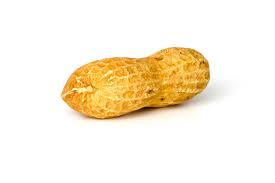
Table of Contents
Peanuts are the most widely consumed nut-like food on the planet — and they’re not a nut. They are a legume, in the same botanical family as lentils, chickpeas, and soybeans, which explains why they have the highest protein content of any food commonly categorized as a nut (23.2g per 100g), and why their nutritional profile sits in genuinely distinctive territory that is more similar to beans than to almonds or cashews in several key respects. Unusually even for a legume, their pods ripen underground.
The numbers are remarkable: 75% of daily niacin, 73% manganese, 60% folate, 56% Vitamin E, 53% thiamine, 51% copper, 43% magnesium, and 30% phosphorus per 100g — alongside 23.2g of protein, 8g of fibre, and a heart-healthy fat profile dominated by monounsaturated fat. Understanding peanuts properly — their biology, their nutritional density, and the extensive research behind their health benefits — makes the case for including them in any serious nutrition strategy compelling.
Peanuts Nutrition Facts (per 100g)
| Nutrient | Amount |
|---|---|
| Calories | 551 kcal |
| Protein | 23.2g |
| Fat | 43.3g |
| — Saturated Fat* | 5.5g |
| — Monounsaturated Fat* | 21.5g |
| — Polyunsaturated Fat* | 13.7g |
| Carbohydrates | 26.5g |
| — Sugars* | 4.7g |
| — Fiber | 8.0g |
| Cholesterol* | 0mg |
| Sodium | 1.5mg |
* From USDA’s SR Legacy data for raw peanuts, used where the newer Foundation Foods data has no value, with the fat breakdown scaled to the Foundation Foods total fat. Everything else is from Foundation Foods. Full sources are at the end of the page.
Peanuts Nutrition Facts (per 28g serving — approximately a small handful)
| Nutrient | Per 28g Serving |
|---|---|
| Calories | 154 kcal |
| Protein | 6.5g |
| Fat | 12.1g |
| — Monounsaturated Fat* | 6.0g |
| Carbohydrates | 7.4g |
| — Fiber | 2.2g |
| — Net carbs | 5.2g |
| Sodium | 0.4mg |
| Niacin* | 3.4mg (21% DV) |
| Folate* | 67µg (17% DV) |
| Vitamin E* | 2.3mg (16% DV) |
| Magnesium | 50mg (12% DV) |
| Phosphorus | 107mg (9% DV) |
A 28g serving provides 6.5g of protein and 17% of daily folate at 154 calories — a genuinely impressive nutritional return from a small handful.
Vitamins in Peanuts (per 100g)
| Vitamin | Amount | % Daily Value |
|---|---|---|
| Vitamin A (RAE)* | 0µg | 0% |
| Vitamin B1 (Thiamine)* | 0.64mg | 53% |
| Vitamin B2 (Riboflavin)* | 0.14mg | 11% |
| Vitamin B3 (Niacin)* | 12.1mg | 75% |
| Vitamin B5 (Pantothenic Acid)* | 1.8mg | 35% |
| Vitamin B6* | 0.35mg | 21% |
| Vitamin B9 (Folate)* | 240µg | 60% |
| Vitamin B12* | 0µg | 0% |
| Vitamin C* | 0mg | 0% |
| Vitamin D* | 0µg | 0% |
| Vitamin E* | 8.3mg | 56% |
| Vitamin K* | 0µg | 0% |
* From USDA’s SR Legacy data for raw peanuts. % Daily Values use the FDA’s current Daily Values.
Multiple standouts: Peanuts deliver one of the most comprehensive B vitamin profiles of any plant food — niacin at 75% DV is exceptional, directly supporting NAD and NADP coenzyme function in over 400 enzymatic reactions. Folate at 60% DV — far more than any tree nut, and more per 100g than cooked lentils or chickpeas — supports DNA synthesis, red blood cell formation, and fetal neural tube development. Thiamine at 53% DV supports the conversion of carbohydrates into energy. Vitamin E at 56% DV is the most surprising figure — peanuts are one of the richer vitamin E sources of any food, providing the antioxidant protection that specifically protects unsaturated fat in cell membranes from oxidative damage.
Minerals in Peanuts (per 100g)
| Mineral | Amount | % Daily Value |
|---|---|---|
| Calcium | 49.1mg | 4% |
| Phosphorus | 380mg | 30% |
| Magnesium | 180mg | 43% |
| Potassium | 636mg | 14% |
| Iron | 1.6mg | 9% |
| Zinc | 2.8mg | 25% |
| Copper | 0.46mg | 51% |
| Manganese | 1.7mg | 73% |
| Selenium | 17.8µg | 32% |
Multiple standouts: Peanuts’ mineral profile is broad. Manganese (73% DV) and copper (51% DV) lead the list, and magnesium at 43% DV is genuinely impressive for any whole food — magnesium drives over 300 enzymatic reactions including ATP production and muscle function. Phosphorus at 30% DV is both a structural bone mineral and a component of every ATP molecule, zinc at 25% DV supports immune function and testosterone production, and selenium at 32% DV supports antioxidant enzymes and thyroid function. Iron is more modest at 9% DV (non-haem form), and potassium at 636mg per 100g (14% DV) supports blood pressure regulation and cardiac function.
Peanuts Are Not Nuts: The Legume Biology
This is one of the most widely searched food facts in existence — and the answer genuinely explains several of peanuts’ most distinctive nutritional properties.
The Botanical Reality
Peanuts (Arachis hypogaea) are classified as a legume in the family Fabaceae, the same family as lentils, chickpeas, soybeans, and kidney beans. They are botanically a groundnut — the peanut plant flowers above ground, then the flower stalk bends downward, penetrates the soil, and the peanut develops underground within a pod — a pod like any other legume’s, but one that, unusually, ripens below the soil.
This is fundamentally different from tree nuts (almonds, walnuts, cashews, pistachios), which grow on trees and are either true nuts (single-seeded fruits with a hard shell) or seeds of drupes.
Why This Matters Nutritionally
The legume biology explains several nutritional distinctions:
Highest protein of any nut-like food — legumes are characteristically high in protein, and peanuts reflect this. At 23.2g per 100g, peanuts have more protein than almonds (21.5g), cashews (17.4g), walnuts (14.6g), or macadamias (7.8g) — the protein gap is a direct consequence of being a legume rather than a tree nut.
High folate — legumes are characteristically rich in folate, and peanuts’ 60% DV reflects this legume heritage. Tree nuts are rarely significant folate sources; per 100g, peanuts have more folate than cooked chickpeas or lentils.
Fiber at 8g per 100g — higher than most tree nuts, consistent with the seed coat structure of legume seeds.
Lower omega-3 than walnuts — while peanuts’ polyunsaturated fat (13.7g) is meaningful, it’s primarily omega-6 linoleic acid with minimal omega-3, reflecting their legume seed oil composition rather than the ALA-rich fat found in tree nuts like walnuts.
The Fat Profile: Heart-Healthy Despite Being Fat-Dense
At 43.3g of fat per 100g, peanuts are calorie-dense — but the fat composition is broadly favorable:
Monounsaturated fat dominates at 21.5g — oleic acid, the same heart-healthy fatty acid prominent in olive oil and hazelnuts, makes up approximately 50% of peanut fat. Monounsaturated fat reduces LDL cholesterol while maintaining HDL, reduces arterial inflammation, and improves endothelial function.
Polyunsaturated fat at 13.7g — predominantly omega-6 linoleic acid, which reduces LDL when substituted for saturated fat, though the omega-6 to omega-3 ratio is considerably skewed compared to nuts like walnuts.
Saturated fat at 5.5g — about 13% of the fat, mid-range among nuts. Most of it is palmitic acid, with smaller amounts of the very-long-chain saturated fats (arachidic, behenic, and lignoceric acids) that are characteristic of peanuts.
The cardiovascular research on peanut consumption is consistent with this fat profile: multiple large prospective studies have found regular peanut or peanut butter consumption associated with reduced cardiovascular disease risk, with effect sizes comparable to tree nuts despite peanuts’ technically different botanical classification.
Resveratrol: A Surprising Peanut Bioactive
Peanuts contain resveratrol — the polyphenol famously associated with red wine and grapes. How much depends heavily on the product: boiled peanuts have by far the most (around 5 micrograms per gram), peanut butter much less (around 0.3), and roasted peanuts the least (around 0.05). Eating roasted peanuts with their thin red skins roughly triples the amount.
Even so, the amounts are small: a handful of boiled peanuts provides only around 0.15mg, while resveratrol studies typically use supplement doses of 100mg or more a day. Resveratrol has been studied for cardiovascular, anti-cancer, and anti-inflammatory properties, with the strongest research base in laboratory and animal studies — human clinical evidence is limited, so it’s best seen as a small bonus rather than a reason to eat peanuts.
Health Benefits of Peanuts
Outstanding Niacin for Energy Metabolism
At 75% DV per 100g, peanuts are one of the richest plant-based niacin sources available — gram for gram in the same range as chicken breast, one of the best-known niacin sources. Niacin is the precursor to NAD and NADP, coenzymes central to over 400 metabolic reactions, most importantly in the electron transport chain that produces the majority of cellular ATP.
Exceptional Folate for Cellular Health
At 60% DV per 100g, peanuts provide more folate than cooked lentils, chickpeas, or black beans, and dramatically more than any tree nut. Folate is essential for DNA synthesis in every dividing cell, for red blood cell formation, for fetal neural tube development, and for homocysteine metabolism alongside B6 and B12. For plant-based eaters specifically, peanuts represent one of the most practical everyday folate sources available.
Strong Vitamin E for Antioxidant Protection
At 56% DV per 100g, peanuts are one of the richer Vitamin E sources of any whole food, providing the antioxidant protection that specifically neutralizes free radicals in lipid environments — cell membranes, LDL particles, and other fat-containing structures. This is particularly fitting given peanuts’ own substantial polyunsaturated fat content, since Vitamin E is specifically positioned to protect these fats from oxidative damage both within the food itself and within the body after consumption.
Heart Health Through Multiple Mechanisms
Peanut consumption has an extensive cardiovascular research base:
LDL cholesterol reduction — the monounsaturated fat-dominant profile reduces LDL while maintaining HDL, with clinical trials specifically on peanut diets showing significant lipid improvements.
Blood pressure — the 636mg of potassium per 100g helps counterbalance dietary sodium’s effect on blood pressure. Magnesium (43% DV) additionally helps regulate vascular smooth muscle tone.
Homocysteine regulation — folate (60% DV) alongside B6 (21% DV) helps keep homocysteine in check — elevated homocysteine is associated with damage to the arterial endothelium and higher cardiovascular risk.
Large cohort findings — in a pooled analysis of the Nurses’ Health Studies and the Health Professionals Follow-up Study (over 210,000 people followed for up to 32 years), eating peanuts two or more times a week was associated with a 13% lower risk of cardiovascular disease, a 15% lower risk of coronary heart disease, and a 10% lower risk of stroke, compared with never or almost never eating them.
Satiety and Weight Management
Despite their calorie density, controlled studies consistently find that peanut consumption is not associated with weight gain. The combination of protein (23.2g), fiber (8g), and fat produces strong, prolonged satiety. Studies measuring absorption also find that some of the fat in whole peanuts passes through undigested, because intact cell walls survive chewing — more so than with peanut butter or peanut oil.
Bone Health
The combination of phosphorus (30% DV), magnesium (43% DV), calcium (4% DV), and zinc (25% DV) gives peanuts a useful multi-mineral bone health profile. Phosphorus and calcium are the structural minerals of bone hydroxyapatite; magnesium is required for calcium utilization; zinc is a cofactor for enzymes involved in bone matrix formation.
Gut Health
At 8g of fibre per 100g, peanuts provide useful prebiotic fiber for gut microbiome diversity, and some studies have found peanut consumption associated with increases in beneficial bacterial populations.
Peanuts for Athletes and Active People
The Highest Protein Legume-Nut
At 23.2g of protein per 100g, peanuts provide more protein than any tree nut and most plant-based snack foods, with all 9 essential amino acids present — though methionine is the limiting amino acid (the common pattern among legumes), and pairing peanuts with grain-based foods completes the amino acid profile.
Magnesium for Performance
At 43% DV per 100g (12% DV per 28g serving), peanuts contribute meaningfully to the magnesium intake that athletes lose through sweat, directly supporting the ATP production and muscle contraction/relaxation function that training demands.
Niacin and Thiamine for Energy Metabolism
Athletes with elevated energy expenditure have proportionally elevated B vitamin requirements. Peanuts’ 75% DV niacin and 53% DV thiamine per 100g represent substantial contributions to the NAD-dependent energy production and pyruvate dehydrogenase function that power training at both aerobic and anaerobic intensities.
Calorie-Dense Bulking Food
At 551 kcal per 100g with 23.2g protein and a heart-healthy fat profile, peanuts and peanut butter are among the most practical calorie-dense foods for athletes in a deliberate surplus who need to hit higher calorie targets efficiently — a tablespoon of peanut butter (roughly 90 calories, 4g protein) added to any meal adds meaningful calories from genuinely nutritious fats and protein rather than from refined carbohydrates or saturated fat.
Portable, No-Preparation Snack
Requiring zero preparation and traveling well in any context, peanuts are one of the most practical whole-food protein and nutrient snacks for busy training schedules — contributing meaningfully to folate, niacin, magnesium, and protein targets without requiring any meal planning.
Peanut Butter: What Changes and What Doesn’t
Peanut butter made from 100% peanuts is nutritionally essentially identical to whole peanuts per gram — the grinding process does not meaningfully alter the macronutrient or micronutrient content.
What to check on labels:
Ingredients — the cleanest peanut butter contains only peanuts (and optionally salt). Many commercial varieties add:
- Palm oil — added to prevent oil separation, adds extra saturated fat beyond what peanuts naturally contain
- Sugar — particularly in “reduced fat” varieties
- Hydrogenated oils — many brands add fully hydrogenated vegetable oil as a stabilizer; it contains no trans fat, but it adds saturated fat, so check labels
“Reduced fat” peanut butter — typically replaces some fat with maltodextrin (a refined starch) and often extra sugar, while providing less of the genuinely heart-healthy monounsaturated fat. It is not a nutritional upgrade — the fat in natural peanut butter is one of its primary benefits.
Natural peanut butter separation — the oil rising to the top in natural, oil-separation peanut butter is a sign of no palm oil having been added, not a sign of spoilage. Stirring once and refrigerating after opening keeps it well-mixed.
Practical Ways to Include Peanuts in Your Diet
As a snack — a 28g handful of unsalted peanuts provides 6.5g of protein, 17% of daily folate, and 21% of daily niacin at 154 calories — one of the most nutritionally complete portable snacks available.
Peanut butter on whole grain toast or with banana — one of the most popular breakfast or snack combinations globally; the peanut butter’s protein and fat balance the bread’s carbohydrates and the banana’s natural sugar for sustained energy.
In satay and Asian-inspired sauces — peanut sauce with ginger, garlic, soy sauce, and lime brings peanuts’ nutritional profile into savory meals, particularly pairing well with chicken, tofu, or noodles.
Added to smoothies — a tablespoon of peanut butter blended into any smoothie adds protein, fat, and flavor with minimal texture impact.
Homemade energy balls — peanut butter combined with oats, honey, and dark chocolate chips creates a portable, energy-dense snack requiring no cooking, practical for training days.
Peanut flour — defatted peanut flour is a concentrated peanut protein source (around 50% protein by weight) used in protein shakes, baking, and smoothies by people wanting maximum protein without the full fat content of whole peanuts.
Omega-6 to omega-3 ratio — peanuts’ polyunsaturated fat is predominantly omega-6 linoleic acid with negligible omega-3. For people already consuming a diet heavy in omega-6 seed oils, this is worth being aware of — pairing peanut consumption with omega-3-rich foods (fatty fish, flaxseed, walnuts) maintains a healthier dietary omega-6 to omega-3 balance.
Potential Considerations
Peanut allergy — peanut allergy is one of the most common and most severe food allergies, responsible for a significant proportion of fatal anaphylactic reactions to food annually. Unlike many childhood allergies, peanut allergy frequently persists into adulthood. People with diagnosed peanut allergy must completely avoid peanuts and peanut derivatives; peanut allergy is distinct from tree nut allergy, though many people have both.
Aflatoxins — peanuts are susceptible to contamination by Aspergillus fungi that produce aflatoxins — compounds that are hepatotoxic and carcinogenic at high exposures. Commercial peanut products in regulated markets are routinely tested and maintained below safe levels. Storing peanuts in cool, dry conditions and discarding any visibly moldy nuts or peanut butter with unusual smell are practical precautions.
Calorie density and portion management — at 551 kcal per 100g, peanuts require portion awareness for anyone managing total calorie intake, particularly given how easy it is to continue eating them.
Phytic acid — as with all legumes, peanuts contain phytic acid that reduces mineral bioavailability somewhat; roasting reduces it modestly, and Vitamin C co-consumption helps offset iron absorption reduction.
Nutrient data: USDA FoodData Central, Foundation Foods (FDC ID 2515376); values marked * from SR Legacy (FDC ID 172430), with the fat breakdown scaled to the Foundation Foods total. % Daily Values use the FDA’s current Daily Values.