

Goat Cheese: Nutrition Facts, Health Benefits, and Why It’s Often Easier to Digest Than Cow’s Milk Cheese
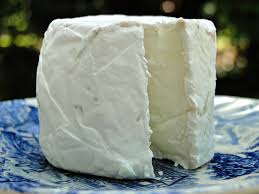
Table of Contents
Goat cheese has built a reputation as the “easier” cheese — the one people who struggle with regular dairy often reach for, the one that shows up labelled as gentler or more digestible. That reputation isn’t just marketing — there are genuine biochemical differences between goat’s milk and cow’s milk that help explain it. Nutritionally, soft goat cheese (chèvre) provides 18.5g of complete protein per 100g, along with 81% of daily copper, 32% of Vitamin A, 29% of riboflavin, 20% of phosphorus, 15% of Vitamin B6, and 11% of both calcium and iron — at fewer calories than most firmer cheeses.
This page covers both the real science behind goat cheese’s digestibility reputation and its complete nutritional profile — including how much that profile changes between soft, semi-soft, and hard goat cheeses.
Goat Cheese Nutrition Facts (per 100g, soft goat cheese / chèvre)
| Nutrient | Amount |
|---|---|
| Calories | 264 kcal |
| Protein | 18.5g |
| Fat | 21.1g |
| — Saturated Fat | 14.6g |
| — Monounsaturated Fat | 4.8g |
| — Polyunsaturated Fat | 0.5g |
| Carbohydrates | 0g |
| — Sugars | 0g |
| — Fiber | 0g |
| Cholesterol | 46mg |
| Sodium | 459mg |
USDA’s figures for soft goat cheese, the fresh, spreadable style most people buy as “goat cheese”. Semi-soft and hard goat cheeses are considerably more concentrated — see the types table below.
Goat Cheese Nutrition Facts (per 28g serving — 1 ounce, about two tablespoons crumbled)
A standard cheese serving is approximately 28g:
| Nutrient | Per 28g Serving |
|---|---|
| Calories | 74 kcal |
| Protein | 5.2g |
| Fat | 5.9g |
| — Saturated Fat | 4.1g |
| Carbohydrates | 0g |
| Sodium | 129mg |
| Copper | 0.20mg (23% DV) |
| Vitamin A | 81µg (9% DV) |
| Riboflavin | 0.11mg (8% DV) |
| Phosphorus | 72mg (6% DV) |
| Calcium | 39mg (3% DV) |
| Iron | 0.5mg (3% DV) |
Vitamins in Goat Cheese (per 100g, soft)
| Vitamin | Amount | % Daily Value |
|---|---|---|
| Vitamin A (RAE) | 288µg | 32% |
| Vitamin B1 (Thiamine) | 0.07mg | 6% |
| Vitamin B2 (Riboflavin) | 0.38mg | 29% |
| Vitamin B3 (Niacin) | 0.43mg | 3% |
| Vitamin B5 (Pantothenic Acid) | 0.68mg | 14% |
| Vitamin B6 | 0.25mg | 15% |
| Vitamin B9 (Folate) | 12µg | 3% |
| Vitamin B12 | 0.19µg | 8% |
| Vitamin C | 0mg | 0% |
| Vitamin D | 0.4µg | 2% |
| Vitamin E | 0.18mg | 1% |
| Vitamin K | 1.8µg | 2% |
Standout: Goat cheese’s Vitamin A (32% DV per 100g) comes almost entirely as preformed retinol — goats convert nearly all the beta-carotene in their feed into Vitamin A, which is why goat cheese is bright white rather than the pale yellow of many cow’s milk cheeses. Riboflavin at 29% DV supports the FAD/FMN coenzymes central to cellular energy production, and Vitamin B6 (15% DV) and pantothenic acid (14% DV) are higher than in most cow’s milk cheeses. B12 is more modest, at 8% DV.
Minerals in Goat Cheese (per 100g, soft)
| Mineral | Amount | % Daily Value |
|---|---|---|
| Calcium | 140mg | 11% |
| Phosphorus | 256mg | 20% |
| Magnesium | 16mg | 4% |
| Potassium | 26mg | 1% |
| Iron | 1.9mg | 11% |
| Zinc | 0.92mg | 8% |
| Copper | 0.73mg | 81% |
| Manganese | 0.1mg | 4% |
| Selenium | 2.8µg | 5% |
Standout: Copper at 81% DV per 100g is goat cheese’s most striking mineral figure — far higher than in cow’s milk cheeses such as cheddar (3% DV). Copper supports iron metabolism, connective tissue formation, and energy production. Phosphorus (20% DV) supports bone and energy metabolism, and iron (11% DV) is unusually high for a cheese. Soft goat cheese is a modest calcium source (11% DV), because fresh, acid-set cheeses lose much of the milk’s calcium into the whey — firmer, aged goat cheeses contain far more. Zinc (8% DV) and selenium (5% DV) are low compared with hard cow’s milk cheeses.
Why Goat Cheese Is Often Easier to Digest: The Real Science
This is the most frequently searched question about goat cheese, and it deserves a precise, evidence-based answer rather than vague reassurance.
Smaller Fat Globules
Goat’s milk naturally contains smaller fat globules, on average, than cow’s milk — a measurable physical difference in the milk itself. Smaller globules present more surface area to digestive lipase enzymes, which may help them be broken down more readily. It’s one of the most commonly cited explanations for goat dairy’s reputation for being gentler on digestion, though direct evidence of a noticeable digestive difference in people is limited.
A Different Casein Profile
Cow’s milk and goat’s milk differ in the proportions of their casein proteins. Goat’s milk generally contains less alpha-S1 casein — a major allergen in cow’s milk — though the amount varies a lot between goat breeds. Goat’s milk also tends to form a softer, looser curd in the stomach than cow’s milk, which is generally broken down more easily by digestive enzymes.
Lower Lactose Than Milk — From Cheesemaking, Not the Goat
The same cheesemaking chemistry covered on the cheddar cheese page applies here: draining the whey and bacterial fermentation remove most of the lactose in the original milk. USDA’s data lists essentially no sugars in soft goat cheese, and aged goat cheeses also contain very little lactose. Importantly, goat’s milk itself contains only slightly less lactose than cow’s milk, so the “goat dairy is naturally lactose-free” claim sometimes seen in marketing is wrong — goat’s milk is not suitable for lactose intolerance in the way goat cheese often is. The lactose reduction comes from the cheesemaking process, not from the goat.
Honest Caveat: This Is Not the Same as “Safe for Dairy Allergy”
Easier digestion is an entirely separate issue from a diagnosed milk protein allergy. Goat and cow milk proteins are very similar, and most people with a true cow’s milk protein allergy also react to goat’s milk. Allergists do not recommend goat dairy as a safe substitute for a confirmed cow’s milk allergy without specific medical guidance.
The Fatty Acid Story: Medium-Chain Fatty Acids
Goat’s milk fat contains a notably higher proportion of medium-chain fatty acids — particularly caproic, caprylic, and capric acid, which take their names from the Latin word for goat — than cow’s milk fat, which is dominated by longer-chain fatty acids.
Why This Matters
Medium-chain fatty acids are handled differently from long-chain fats: they’re absorbed more directly into the portal bloodstream rather than needing the chylomicron transport pathway used for long-chain fats, and they’re more readily used by the liver for energy rather than stored. This is the same category of fat sold in concentrated MCT oil products, though at a far lower concentration in goat cheese than in a dedicated MCT supplement. These fatty acids are also responsible for goat cheese’s distinctive tangy, “goaty” flavor.
The Practical Significance
This doesn’t make goat cheese a specialized performance food, but it may contribute to its reputation for feeling “lighter” than equivalent cow’s milk cheese for some people, and gives it a genuinely different fatty acid profile — worth knowing for anyone interested in dietary fat composition, alongside the saturated fat discussion on the cheddar page.
Goat Cheese Types Compared
Goat cheese ranges from fresh, spreadable chèvre to firm, aged wheels, and the nutrition changes considerably as moisture drops:
| Per 100g | Soft (chèvre) | Semi-soft | Hard |
|---|---|---|---|
| Calories | 264 kcal | 364 kcal | 452 kcal |
| Protein | 18.5g | 21.6g | 30.5g |
| Fat | 21.1g | 29.8g | 35.6g |
| Calcium | 140mg (11% DV) | 298mg (23% DV) | 895mg (69% DV) |
| Riboflavin | 29% DV | 52% DV | 92% DV |
| Copper | 81% DV | 62% DV | 70% DV |
| Sodium | 459mg | 415mg | 423mg |
Fresh goat cheese (chèvre) — soft, spreadable, mildly tangy, and highest in moisture. The main figures on this page are for this type.
Aged/hard goat cheese — firmer, more concentrated in flavor and nutrients, with much more protein, calcium, and riboflavin per 100g as moisture is lost (and more calories), and very little lactose.
Goat’s milk feta-style — brined like traditional sheep’s or cow’s milk feta, and typically higher in sodium than fresh chèvre because of the brine.
Goat’s milk blue cheese — less common but available, combining goat’s milk with the mold-ripening process used for traditional blue cheese.
Health Benefits of Goat Cheese
Exceptional Copper
At 81% DV per 100g (23% per 28g serving), soft goat cheese is one of the richest dairy sources of copper — a trace mineral essential for iron metabolism via ceruloplasmin, collagen crosslinking via lysyl oxidase, and mitochondrial energy production.
Complete, High-Quality Protein
At 18.5g of protein per 100g (30.5g in hard goat cheese), goat cheese provides all 9 essential amino acids in good proportions, supporting muscle protein synthesis like other dairy proteins.
Vitamin A and Riboflavin
At 32% DV Vitamin A and 29% DV riboflavin per 100g, soft goat cheese supports vision, immune function, and skin health (Vitamin A) alongside the FAD and FMN coenzymes of cellular energy production (riboflavin). Semi-soft and hard goat cheeses are even richer in riboflavin — 52% and 92% DV per 100g.
Calcium and Phosphorus for Bone Health
Soft goat cheese provides 20% DV phosphorus and 11% DV calcium per 100g. For anyone choosing goat cheese partly for bone health, firmer and aged goat cheeses are the better choice — hard goat cheese provides 69% DV calcium per 100g, more than cheddar.
A Practical Option for Mild Lactose Sensitivity
Given the lactose removed during cheesemaking — and the possible digestibility factors discussed above — goat cheese is a reasonable food to try for people with mild lactose intolerance who still want to include dairy in their diet.
Goat Cheese for Athletes and Active People
Calcium and Phosphorus for Training-Related Bone Demands
Athletes placing repeated mechanical stress on bone benefit from reliable dietary calcium and phosphorus to support bone remodeling. Aged and hard goat cheeses provide these in substantial amounts, in a form some athletes with mild dairy sensitivity may tolerate better than cow’s milk cheese.
Complete Protein for Recovery
Goat cheese’s protein contributes meaningfully to daily protein targets, and its mostly casein protein supports a sustained supply of amino acids.
Carbohydrate-Free for Flexible Dieting
With essentially no carbohydrate in USDA’s figures for soft goat cheese, it fits easily into ketogenic, low-carbohydrate, and macro-flexible approaches without any carbohydrate accounting.
The Sodium and Saturated Fat Consideration
Soft goat cheese contains 459mg of sodium and 14.6g of saturated fat per 100g — less of both than cheddar (654mg and 19.2g), but still enough to warrant the same considerations discussed on the cheddar cheese page. Part of goat cheese’s saturated fat is made up of the medium-chain fatty acids discussed above, which behave somewhat differently in the body than long-chain saturated fats — a nuance worth knowing rather than a reason for unlimited consumption. The same general guidance applies: moderate portions (around 28–40g) within an otherwise balanced diet are unlikely to pose meaningful cardiovascular risk for most healthy people, while those managing blood pressure or cardiovascular disease should account for the sodium within their daily budget.
Goat Cheese vs Other Common Cheeses
| Cheese (100g) | Calories | Protein | Calcium | Riboflavin | Sodium |
|---|---|---|---|---|---|
| Goat cheese (soft) | 264 kcal | 18.5g | 11% DV | 29% DV | 459mg |
| Goat cheese (semi-soft) | 364 kcal | 21.6g | 23% DV | 52% DV | 415mg |
| Cheddar | 408 kcal | 23.3g | 54% DV | 34% DV | 654mg |
| Feta | 273 kcal | 19.7g | 29% DV | 34% DV | 1,034mg |
| Mozzarella (whole milk) | 299 kcal | 22.2g | 39% DV | 22% DV | 486mg |
| Cottage cheese (2% milkfat) | 84 kcal | 11.0g | 8% DV | 18% DV | 321mg |
Soft goat cheese holds its own — fewer calories than most firmer cheeses, much less sodium than feta and less than cheddar, and comparable riboflavin. Its weak spot is calcium: fresh goat cheese provides far less than cheddar, mozzarella, or feta, so if calcium matters, choose a firmer goat cheese or another cheese. Its standout strength, copper, isn’t shown here because cow’s milk cheeses contain very little of it.
Practical Ways to Include Goat Cheese in Your Diet
Crumbled over salads — fresh goat cheese’s tangy flavor pairs well with leafy greens, beetroot, and walnuts, adding protein to an otherwise lighter meal.
Spread on whole grain toast or crackers — soft goat cheese works well as a simple spread, often paired with honey or fig for a sweet-savory combination.
Stirred into eggs — a little goat cheese folded into scrambled eggs or an omelette adds creaminess and extra protein alongside the eggs’ own complete protein and choline.
In pasta or grain bowls — crumbled goat cheese melts into warm dishes and adds a tangy contrast to roasted vegetables or grain bowls.
As a post-workout protein component — paired with a carbohydrate source such as fruit or whole grain bread, goat cheese contributes to a balanced recovery meal.
Potential Considerations
Sodium and saturated fat — as discussed above, somewhat lower than cheddar in the soft form; moderate portions are sensible for anyone managing cardiovascular risk factors.
Not a solution for diagnosed cow’s milk allergy — the digestibility advantages on this page relate to lactose and general digestive comfort, not to a true milk protein allergy, where cross-reactivity means goat dairy should not be assumed safe without medical guidance.
Pregnancy — some artisanal goat cheeses are made from unpasteurized (raw) milk, which carries a listeria risk that is a particular concern during pregnancy, so pregnant women should choose pasteurized goat cheese. In the UK, the NHS also advises avoiding mold-ripened soft goat cheese with a white rind, even when pasteurized, unless it’s cooked until steaming hot; pasteurized soft goat cheese without a rind is considered safe.
Cholesterol content — at 46mg per 100g for soft goat cheese, lower than most firmer cheeses and not a specific concern beyond standard dietary guidance.
Nutrient data: USDA FoodData Central, SR Legacy — cheese, goat, soft type (FDC ID 173435); semi-soft type (FDC ID 173433) and hard type (FDC ID 172197). Comparison cheeses: cheddar (FDC ID 328637), feta (FDC ID 2259796), and 2% cottage cheese (FDC ID 328841) from Foundation Foods; whole-milk mozzarella (FDC ID 170845) from SR Legacy. % Daily Values use the FDA’s current Daily Values.