

Caffeine and Exercise Performance: The Complete Evidence-Based Guide
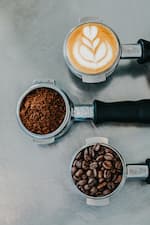
Caffeine is the most widely consumed psychoactive substance in the world and one of the most thoroughly researched performance-enhancing compounds in sports science. It’s in your morning coffee, your pre-workout supplement, your energy drink, and your post-dinner tea. And unlike the vast majority of supplements that promise dramatic performance benefits and deliver modest ones, caffeine’s performance-enhancing effects are genuinely robust — consistently demonstrated across hundreds of studies spanning decades of research.
This page covers everything you need to know about caffeine and exercise performance — how it works in the body, what the research shows across different types of exercise, optimal dosing, timing, side effects, tolerance, and how to use caffeine strategically for maximum benefit.
What Is Caffeine?
Caffeine is a naturally occurring methylxanthine alkaloid found in over 60 plant species — most commonly coffee beans, tea leaves, cacao pods, guarana berries, and kola nuts. It’s classified as a central nervous system stimulant and is the most widely consumed psychoactive substance globally — with approximately 80% of adults consuming it daily in some form.
In the context of sports supplementation, caffeine is available in several forms:
Coffee — the most common dietary source. A standard espresso contains approximately 60–100mg of caffeine; a large filter coffee 150–300mg depending on brew strength.
Caffeine anhydrous — a dehydrated, concentrated form of caffeine used in most pre-workout supplements and caffeine tablets. It’s absorbed slightly faster than caffeine in coffee and produces a more consistent, predictable blood concentration.
Dicaffeine malate — caffeine bonded to malic acid, which slows absorption slightly and may reduce the gastrointestinal discomfort some people experience with anhydrous caffeine.
Natural caffeine from guarana or green tea extract — slower-releasing forms that may produce a more gradual stimulant effect, though the performance benefits are similar to anhydrous caffeine at equivalent doses.
How Caffeine Works in the Brain and Body
Understanding caffeine’s mechanism of action explains both why it works so well and why tolerance develops with regular use.
Adenosine Receptor Blockade
The primary mechanism of caffeine is the competitive antagonism of adenosine receptors — particularly A1 and A2A receptors — in the brain and throughout the body.
Adenosine is a neuromodulator that accumulates in the brain during wakefulness and promotes the feeling of fatigue and sleepiness. As adenosine binds to its receptors, alertness decreases, heart rate slows, and the perceived effort of physical activity increases.
Caffeine’s molecular structure is similar enough to adenosine that it binds to adenosine receptors without activating them — blocking adenosine from binding while producing none of its fatigue-promoting effects. The result is reduced perceived fatigue and effort, increased alertness, and maintained arousal during situations — including exercise — where adenosine would normally be suppressing performance.
Catecholamine Release
Beyond adenosine blockade, caffeine stimulates the release of catecholamines — adrenaline (epinephrine) and noradrenaline (norepinephrine) — from the adrenal glands. These hormones are the primary mediators of the fight-or-flight response and produce direct performance-relevant effects including increased heart rate, increased blood flow to muscles, enhanced fat oxidation, and improved neuromuscular activation.
Calcium Release in Muscle Cells
At higher doses caffeine also enhances calcium release from the sarcoplasmic reticulum within muscle cells — increasing the force of muscle contractions. This direct effect on muscle contractility contributes to caffeine’s strength and power benefits independent of its central nervous system effects.
Glycogen Sparing
Caffeine increases the rate of fat oxidation during exercise — causing the body to use a greater proportion of fat for fuel and sparing muscle glycogen stores. This glycogen sparing effect is particularly valuable during prolonged endurance exercise where glycogen depletion is a primary cause of fatigue.
Caffeine and Different Types of Exercise
Strength and Power
The evidence for caffeine’s benefits on strength and power output is strong and consistent. Meta-analyses examining multiple studies have found:
- Maximal strength (1RM): Approximately 3–7% improvement with caffeine vs. placebo
- Muscular endurance (reps to failure): Approximately 10–15% improvement — a more pronounced effect than maximal strength
- Power output: Approximately 3–6% improvement in peak power during explosive movements
- Resistance training volume: Consistently greater total volume (sets x reps x weight) with caffeine supplementation
The mechanisms behind strength and power benefits include reduced perceived effort (allowing greater force production before voluntary failure), enhanced neuromuscular activation, and direct effects on muscle calcium release.
Endurance Performance
Caffeine’s benefits on endurance performance are among the most robust findings in sports nutrition research:
- Time to exhaustion: Approximately 12–14% improvement in time to exhaustion during aerobic exercise
- Time trial performance: Approximately 2–4% improvement in cycling and running time trials — a meaningful effect in competitive contexts where margins are small
- Submaximal effort: Reduced perceived effort at the same objective exercise intensity — making a given pace feel significantly easier
The glycogen sparing effect is particularly relevant here — maintaining glycogen availability in the later stages of prolonged exercise is a significant contributor to endurance performance improvement.
High-Intensity Interval Training (HIIT)
Caffeine is particularly effective for high-intensity intermittent exercise — repeated short bursts of maximal effort with brief recovery periods. Studies consistently show improved peak power, total work, and maintenance of power output across intervals with caffeine supplementation.
This makes pre-workout caffeine especially valuable for HIIT-style training, circuit training, CrossFit, and metabolic conditioning workouts where the combination of power and fatigue resistance is critical.
Team Sports and Repeated Sprints
The evidence for caffeine in team sport contexts — football, rugby, basketball, hockey — is compelling. Studies examining repeated sprint performance show caffeine consistently improves sprint times, reduces the performance decrement across repeated efforts, and maintains cognitive function and decision-making speed during fatiguing team sport protocols.
Skill-Based Performance
Beyond physical performance, caffeine improves several cognitive functions relevant to sport — reaction time, decision-making speed, vigilance, and accuracy. Studies in skill-based sports including tennis, golf, and shooting have found improvements in performance accuracy and reaction time with caffeine supplementation.
Caffeine Dosing for Exercise Performance
Effective Dose Range
The research-supported effective dose for exercise performance is 3–6mg per kilogram of body weight consumed approximately 60 minutes before exercise.
This translates to:
- 60kg person: 180–360mg
- 75kg person: 225–450mg
- 90kg person: 270–540mg
Practical starting point: Most people find 100–200mg to be effective for performance enhancement with manageable side effects. Starting at the lower end of this range and adjusting based on individual response is the recommended approach.
The 3–6mg/kg research range represents the range studied in controlled trials — often with trained subjects who have established caffeine tolerance. The upper end of that range would make most people feel like they’re about to launch into orbit.
Does More Caffeine Mean Better Performance?
Beyond approximately 6mg/kg, performance benefits plateau while side effects increase significantly. Research does not support escalating doses above this threshold — studies comparing 6mg/kg to 9mg/kg show no additional performance benefit with the higher dose but substantially more adverse effects including anxiety, tremor, and gastrointestinal distress.
A 2019 meta-analysis found that the dose-response relationship for caffeine and endurance performance peaks at approximately 3–6mg/kg — above which the curve flattens. More is not better with caffeine beyond this range.
Caffeine Timing
60 Minutes Before Exercise: The Standard Recommendation
Caffeine reaches peak blood concentration approximately 60 minutes after oral consumption. Consuming caffeine 45–60 minutes before training ensures peak blood levels coincide with the start of your session.
30 Minutes Before: Adequate for Most Situations
Blood caffeine levels are rising meaningfully by 30 minutes post-consumption. For people who experience gastrointestinal discomfort or simply prefer less time between taking pre-workout and training, 30 minutes is a practical and effective window.
Caffeine with Carbohydrates
Consuming caffeine alongside carbohydrates slightly enhances caffeine’s ergogenic effects — the carbohydrate-induced insulin response improves glucose availability which works synergistically with caffeine’s stimulant effects. This is one reason consuming pre-workout with a small carbohydrate-containing snack can enhance the overall effect.
Caffeine for Late-Day Training
The most important timing consideration is the relationship between caffeine and sleep. Caffeine has a half-life of approximately 5–6 hours in most people — meaning half of the caffeine from a 300mg pre-workout taken at 6pm is still in your system at midnight.
Research by Matthew Walker and others has consistently shown that caffeine consumption in the late afternoon and evening significantly impairs sleep quality — even when people report feeling able to fall asleep normally. The deep, restorative sleep stages are most affected.
General guideline: Avoid caffeine within 6 hours of your intended bedtime. For someone sleeping at 11pm this means no caffeine after 5pm. Evening trainers should use stimulant-free pre-workout alternatives or accept the caffeine-sleep tradeoff with informed awareness of the recovery implications.
Caffeine Tolerance and Dependency
How Tolerance Develops
Regular caffeine consumption leads to tolerance — the progressive reduction in response to the same dose as the body adapts. The primary mechanism is upregulation of adenosine receptors — the brain increases its number of adenosine receptors in response to their chronic blockade by caffeine, requiring progressively more caffeine to achieve the same degree of blockade.
With daily caffeine use, tolerance can develop within 1–2 weeks. Once fully tolerant, a habitual caffeine user may experience no meaningful performance enhancement from their usual dose — requiring dose escalation to restore effectiveness.
Managing Tolerance
Caffeine cycling — reducing or eliminating caffeine intake for 1–2 weeks every 4–8 weeks allows adenosine receptor expression to normalise, restoring sensitivity. The first 2–4 days of cycling off are typically uncomfortable (headaches, fatigue) but sensitivity is substantially restored within 1–2 weeks.
Strategic use — reserving caffeine for training days only rather than using it every day (including rest days and general daily use) slows tolerance development significantly. The less frequently you use caffeine, the more effective each use remains.
Lowering habitual dose — habitual coffee drinkers who also use pre-workout may find their total daily caffeine intake is high enough to cause significant tolerance. Reducing daily coffee consumption improves pre-workout effectiveness.
Physical Dependency
Regular caffeine use creates physical dependence — the body adapts to the chronic presence of caffeine in a way that causes withdrawal symptoms when it’s removed. Caffeine withdrawal symptoms include:
- Headaches (the most common symptom — often severe)
- Fatigue and low energy
- Difficulty concentrating
- Irritability and low mood
- Flu-like symptoms in significant cases
Withdrawal symptoms typically begin 12–24 hours after the last caffeine dose and peak at 20–51 hours. They resolve within 2–9 days in most people.
The practical implication: a pre-workout user who relies on caffeine before every training session will experience impaired training performance on the days they don’t use it — creating a dependency loop where the supplement that was supposed to enhance performance becomes necessary just to reach normal baseline performance.
Caffeine Sources: Performance Comparison
| Source | Typical Caffeine Content | Absorption Speed | Additional Benefits |
|---|---|---|---|
| Espresso (single) | 60–100mg | Moderate | Antioxidants, ritual |
| Filter coffee (large) | 150–300mg | Moderate | Antioxidants |
| Caffeine anhydrous tablet | 100–200mg | Fast | None beyond caffeine |
| Pre-workout supplement | 150–350mg | Fast | Additional ergogenic ingredients |
| Energy drink (250ml) | 80mg | Moderate | Often B vitamins |
| Green tea (250ml) | 25–50mg + theanine | Slow | Theanine, antioxidants |
| Guarana supplement | Varies | Slow | Slower release profile |
Is Coffee as Effective as Caffeine Anhydrous?
This is a commonly asked question — and the research is reassuring for coffee drinkers. Multiple studies comparing performance enhancement from coffee versus equivalent doses of caffeine anhydrous have found no significant difference in ergogenic effect. Coffee is a legitimate and effective caffeine source for exercise performance.
The practical advantages of caffeine anhydrous (in pre-workout or tablets) are consistency of dosing — the caffeine content of coffee varies significantly with brew method, bean, and preparation — and the combination with other ergogenic ingredients in pre-workout formulations.
Caffeine and Body Composition
Beyond acute performance, caffeine has modest effects on body composition through several mechanisms:
Increased fat oxidation — caffeine increases the rate at which fat is used for fuel during exercise, particularly during moderate-intensity aerobic exercise. This effect is more pronounced in caffeine-naive individuals and diminishes with tolerance.
Thermogenesis — caffeine increases metabolic rate by approximately 3–11% for several hours after consumption. The effect is dose-dependent and diminishes with tolerance.
Appetite suppression — caffeine has modest appetite-suppressing effects, which may reduce calorie intake in some individuals during the hours after consumption.
These effects are real but modest — caffeine is not a meaningful fat loss supplement in the way that adequate protein intake and a caloric deficit are. Its primary value remains performance enhancement.
Caffeine and Health
At moderate doses within the range used for exercise performance (200–400mg), caffeine is safe for healthy adults. The extensive research on caffeine’s health effects is generally reassuring:
Cardiovascular health — moderate habitual coffee consumption (3–5 cups per day) is associated with neutral to beneficial cardiovascular outcomes in large population studies. Acute blood pressure elevation is well documented but does not appear to translate to increased cardiovascular disease risk in healthy people at moderate doses.
Bone health — very high caffeine intake (above 600mg per day) may slightly reduce calcium absorption. Moderate intake has no meaningful effect on bone health in people consuming adequate calcium.
Mental health — moderate caffeine intake is associated with reduced risk of depression in large observational studies. Excessive intake exacerbates anxiety in susceptible individuals.
Liver health — regular coffee consumption is consistently associated with reduced risk of liver disease and liver cancer in population studies — an effect attributed to coffee’s antioxidant compounds rather than caffeine specifically.
Who should exercise caution: People with anxiety disorders, heart arrhythmias, hypertension, or gastrointestinal conditions including acid reflux should monitor their caffeine intake carefully and discuss pre-workout use with a healthcare provider.
Practical Recommendations
For beginners to caffeine supplementation: Start with 100–150mg — roughly equivalent to a strong coffee — and assess your individual response before increasing dose.
For experienced caffeine users: 200–300mg taken 45–60 minutes before training provides performance benefits for most people. Avoid daily use — reserve for training days and cycle off every 4–8 weeks.
For evening trainers: Use stimulant-free pre-workout or train without caffeine supplementation. The sleep cost of evening caffeine outweighs the performance benefit.
For competition: Caffeine is permitted by the World Anti-Doping Agency (WADA) — it was removed from the prohibited list in 2004. Competitive athletes can use caffeine freely without drug testing concerns.
Caffeine is not a substitute for sleep: No amount of caffeine compensates for chronic sleep deprivation. Sleep is the foundation of recovery and performance — caffeine masks fatigue without addressing the underlying recovery deficit.
Related Pages
- Pre-Workout — complete pre-workout supplement guide
- Beta-Alanine — the endurance ingredient that complements caffeine
- Citrulline — the pump ingredient explained
- Best Pre-Workout Supplements — products with effective caffeine doses reviewed
- Muscle Building Techniques — advanced training methods to maximize the benefits