

Few words in nutrition have been marketed as aggressively as antioxidants. They appear on food packaging, supplement labels, skincare products, and juice bottles — usually accompanied by vague language about “fighting free radicals” and “protecting your cells.” The implication is that more is always better, and that the right combination of antioxidant supplements will shield you from ageing, disease, and cellular damage.
The reality is considerably more interesting, and in some respects more counterintuitive, than the marketing suggests. Antioxidants are genuinely important — the biology is real. But the relationship between antioxidant intake, supplementation, and health outcomes is more nuanced than “take more, be healthier,” and some of the most aggressively marketed antioxidant supplements have turned out, in large clinical trials, to be neutral at best and harmful at worst.
Understanding what antioxidants actually do — and what the evidence says about getting them from food versus supplements — is worth the effort. It changes how you shop, how you eat, and how you evaluate the claims on a lot of products competing for your money.
What Antioxidants Are
An antioxidant is any molecule that neutralizes free radicals — unstable, highly reactive molecules that damage cells, proteins, and DNA when left unchecked.
Free radicals are generated constantly as a normal byproduct of metabolism. Every time your cells produce energy from oxygen, free radicals are a byproduct of that process. They’re also produced in response to UV radiation, pollution, cigarette smoke, alcohol, intense exercise, and chronic stress. The damage they cause — called oxidative stress — accumulates over time and is implicated in ageing, cardiovascular disease, cancer, neurodegenerative conditions, and a long list of chronic health problems.
Antioxidants work by donating an electron to a free radical, stabilizing it before it can damage cellular structures. Some antioxidants are produced by the body itself — glutathione, superoxide dismutase, and catalase are endogenous antioxidant systems that run continuously. Others come from food — vitamins C and E, beta-carotene, selenium, and the thousands of plant compounds including bioflavonoids, polyphenols, and carotenoids that give fruits and vegetables their color and much of their health value.
The relationship between free radicals and antioxidants is not simply adversarial. Free radicals at low to moderate levels are actually required for normal biological function — they act as signalling molecules, drive immune responses against pathogens, and, critically for anyone who trains, trigger the adaptive responses to exercise that make you fitter and stronger. Completely eliminating free radical activity would be harmful, not beneficial. What matters is balance — enough antioxidant capacity to prevent chronic oxidative stress, without so much that normal free radical signalling is suppressed.
This is where the supplement story gets complicated.
The Exercise Connection
For anyone who trains, the relationship between antioxidants and exercise is one of the more counterintuitive findings in sports nutrition, and one that’s directly relevant to how you think about supplementation.
Hard exercise generates a significant burst of free radicals — this is part of the stress signal that tells your body to adapt. It triggers mitochondrial biogenesis (the creation of new energy-producing units in cells), improves insulin sensitivity, and drives the cardiovascular adaptations that come with consistent training. These adaptations are partly mediated by the free radical signal itself.
Several large, well-designed studies have found that high-dose antioxidant supplementation — particularly vitamins C and E — taken around training blunts these adaptations. The supplements neutralize the free radical signal before the body can act on it, reducing the training response. One particularly notable study found that vitamin C and E supplementation inhibited the signalling pathways for mitochondrial biogenesis and actually reduced some of the strength and endurance gains that untreated subjects achieved.
This does not mean antioxidants are harmful to athletes or that you should avoid antioxidant-rich foods. It means that mega-dosing isolated antioxidant supplements around training is likely counterproductive — the opposite of what most supplement marketing implies. Food-derived antioxidants, at the doses naturally present in a varied diet, don’t appear to cause the same blunting effect. The dose and the source both matter.
The Major Antioxidants and What They Do
Vitamin C is water-soluble and one of the most important antioxidants in the body. It operates primarily in aqueous (water-based) environments — inside cells and in blood plasma. Beyond direct free radical neutralization, it regenerates vitamin E after it’s been oxidized, making the two work as a team. It’s also the essential cofactor for collagen synthesis, immune cell function, and iron absorption. Deficiency causes scurvy — connective tissue breakdown, impaired wound healing, and immune dysfunction.
Vitamin E is fat-soluble and operates primarily in cell membranes, where it protects the polyunsaturated fats in membrane structure from oxidative damage. This is particularly relevant in the brain, which is approximately 60 percent fat by dry weight and highly vulnerable to lipid peroxidation. Vitamin E from food — particularly nuts, seeds, and olive oil — is well supported. High-dose vitamin E supplements, however, have produced concerning results in several large clinical trials, including an increased risk of haemorrhagic stroke at very high doses. Food first, supplement cautiously.
Beta-carotene is a carotenoid — the orange pigment in carrots, sweet potatoes, and squash — that the body converts to vitamin A as needed. It’s a potent antioxidant in its food form. Supplemental beta-carotene, however, is one of the more dramatic examples of supplements producing the opposite of their intended effect: two large randomized controlled trials in smokers found that beta-carotene supplementation significantly increased lung cancer risk rather than reducing it. The mechanism is still debated, but the finding has been replicated and is taken seriously. The lesson is not unique to beta-carotene — it’s a recurring theme in antioxidant supplement research.
Selenium is a trace mineral and a cofactor for glutathione peroxidase — one of the body’s primary endogenous antioxidant enzymes. Adequate selenium intake supports the body’s own antioxidant machinery rather than directly neutralizing free radicals. It’s found in Brazil nuts (with striking concentration — one or two Brazil nuts provides a full day’s selenium), seafood, and meat.
Glutathione is often called the master antioxidant — it’s the most abundant endogenous antioxidant in the body, produced in virtually every cell, and central to the body’s overall oxidative stress defense. Oral glutathione supplementation has limited bioavailability — most of it is broken down in the gut before reaching the bloodstream. N-acetylcysteine (NAC), a precursor that the body uses to synthesize glutathione, is more bioavailable and better supported for raising cellular glutathione levels. Supporting glutathione production through adequate cysteine, glycine, and glutamate from dietary protein is the most practical dietary approach.
Polyphenols and bioflavonoids are a vast family of plant compounds — several thousand identified — that include resveratrol in red grapes, curcumin in turmeric, EGCG in green tea, quercetin in onions, and the anthocyanins in berries. These compounds have antioxidant activity but also anti-inflammatory effects and direct effects on gene expression and cellular signalling that go beyond simple free radical neutralization. They’re among the more actively researched compounds in nutritional science, and the evidence that dietary polyphenol intake is associated with better long-term health outcomes is consistent across large population studies.
Coenzyme Q10 (CoQ10) is a fat-soluble compound involved in cellular energy production and an important antioxidant in mitochondria — the energy-producing structures inside cells. The body produces it endogenously, but production declines with age. Statins, the widely prescribed cholesterol-lowering medications, inhibit CoQ10 synthesis as a side effect, which is the rationale for CoQ10 supplementation in people taking statins. For healthy adults not on statins, the evidence for supplementation is less clear.
Food Sources: Where Antioxidants Actually Come From
The consistent finding across decades of nutritional research is that antioxidants from food outperform antioxidants from supplements — both in terms of safety and in terms of health outcomes. This is partly because whole foods deliver hundreds of compounds that work together synergistically, in ways that isolated supplements don’t replicate. It’s also because food provides antioxidants at physiological doses rather than the pharmacological mega-doses that characterize many supplements.
The practical guide to maximizing dietary antioxidant intake:
Eat a wide variety of colors. Different pigments represent different antioxidant families — anthocyanins in purple and red, carotenoids in orange and yellow, chlorophyll and flavonoids in green, and so on. Variety of color across the week is a more reliable indicator of antioxidant breadth than any single “superfood.”
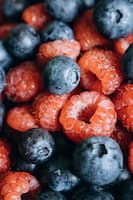
Berries — blueberries, blackberries, raspberries, and strawberries — are among the most antioxidant-dense foods per calorie. Frozen berries retain most of their antioxidant content and are a practical, affordable option.
Dark leafy greens — kale, spinach, Swiss chard — deliver vitamin C, vitamin E, carotenoids, and flavonoids alongside dense micronutrient content.
Nuts and seeds — particularly walnuts, almonds, and sunflower seeds — are rich in vitamin E and polyphenols. Walnuts specifically have one of the highest antioxidant capacities of any commonly eaten food.
Green and black tea — concentrated sources of catechins and other polyphenols with a strong evidence base across multiple health outcomes.
Dark chocolate (70 percent cocoa or higher) — one of the more antioxidant-dense foods available, with a flavanol profile that has demonstrated cardiovascular benefits in controlled research.
Extra virgin olive oil — polyphenol content is one of the distinguishing features of high-quality olive oil and a meaningful contributor to the health benefits associated with Mediterranean-style diets.
Spices — turmeric, cinnamon, oregano, and cloves have extraordinarily high antioxidant density relative to their quantity. Even small amounts contribute meaningfully.
One or two Brazil nuts daily for selenium — a simple, effective way to cover an often-overlooked antioxidant cofactor.
Should You Supplement Antioxidants?
The weight of the evidence points in a clear direction: for most healthy people eating a varied, plant-rich diet, antioxidant supplements are unnecessary and potentially counterproductive. The clinical trial record for isolated antioxidant supplements — particularly beta-carotene, vitamin E at high doses, and vitamin C around training — is sobering. Several large trials found neutral or negative effects where strongly positive effects were expected.
The exceptions worth noting:
Vitamin C at normal dietary doses (the range covered by a varied diet including fruit and vegetables) is unambiguously beneficial and safe. The concerns around supplementation are primarily at very high supplemental doses and specifically in the context of timing around exercise.
Vitamin D has antioxidant properties among its broader biological roles and is legitimately deficient in a large proportion of the population, particularly in northern latitudes and for people who spend most of their time indoors. Supplementation is often appropriate.
NAC (N-acetylcysteine) for supporting glutathione production has a credible evidence base, particularly for people under high oxidative stress — heavy training loads, pollution exposure, illness recovery.
CoQ10 for people taking statins has reasonable clinical support.
For everyone else, the return on investment in antioxidant supplementation is poor compared to the return on investment in a diet built around colorful, varied, whole plant foods. A daily smoothie with berries, leafy greens, and a handful of nuts does more for your antioxidant status than a cupboard full of capsules — and it comes with fiber, minerals, and hundreds of additional compounds the capsules don’t contain.
How Antioxidants Affect the Mind
The brain is the organ most vulnerable to oxidative stress in the body. It consumes roughly 20 percent of the body’s oxygen despite being only 2 percent of body weight — and that metabolic intensity generates a proportionally large free radical load. The brain is also rich in polyunsaturated fatty acids that are particularly susceptible to oxidative damage, and it has lower concentrations of some antioxidant enzymes than other tissues.
The consequence is that oxidative stress plays a central role in the development and progression of neurodegenerative conditions including Alzheimer’s and Parkinson’s disease, and in the slower, subtler cognitive decline that comes with normal ageing. Diets rich in antioxidant compounds — particularly the polyphenols in berries, tea, and olive oil — are consistently associated in large observational studies with slower cognitive decline, better memory performance in older adults, and lower rates of dementia.
The mechanism is not purely antioxidant — polyphenols also reduce neuroinflammation, improve cerebral blood flow, and directly influence the signalling pathways involved in neuronal growth and plasticity. But the antioxidant protection of neuronal membranes and mitochondria is a meaningful part of the picture.
For day-to-day cognitive function, the connection is more immediate than long-term disease risk suggests. Oxidative stress impairs mitochondrial function in neurons, reducing the energy available for cognitive work. A diet that maintains low chronic oxidative stress — through consistent antioxidant intake from varied plant foods — supports the energy metabolism that clear thinking depends on. This is one of the more credible dietary explanations for the cognitive performance differences between people eating widely different diets, independently of other lifestyle factors.
The General Health Picture
The evidence linking dietary antioxidants intake to long-term health is among the most consistent in nutritional science — and it consistently points to whole food patterns rather than supplements. The Mediterranean diet, the DASH diet, and traditional Okinawan and Japanese dietary patterns all score highly on antioxidant content from whole foods, and all are associated with better cardiovascular outcomes, lower cancer rates, and greater longevity.
Cardiovascular disease is where the antioxidant connection is best understood. LDL cholesterol causes arterial damage primarily after it’s been oxidized — oxidized LDL is the form that accumulates in artery walls and drives plaque formation. Antioxidants that prevent LDL oxidation — particularly vitamin E in LDL particles and polyphenols in the bloodstream — interrupt this process at the source. This is one of the mechanisms behind the cardiovascular protection associated with olive oil, nuts, and berry consumption.
Cancer risk is more complicated — the beta-carotene supplement findings are a reminder that antioxidant effects can be context-dependent and that high-dose supplements can interact with biological processes in unexpected ways. The consistent finding is that high vegetable and fruit intake is associated with lower cancer risk across multiple cancer types, and that this protection does not replicate in supplement trials.
The practical conclusion is the same one that runs through all the evidence: a varied, plant-rich diet delivers the antioxidant protection that decades of research have associated with better health outcomes. Supplements can address specific, diagnosed deficiencies or targeted clinical situations. For everything else, the food is the intervention.
Antioxidants – The Bottom Line
Antioxidants are genuinely important — the biology of oxidative stress is real and its consequences for ageing, cardiovascular health, brain function, and disease risk are well established. But the story the supplement industry tells about antioxidants — more is better, isolation is fine, a capsule substitutes for a varied diet — is contradicted by the best available evidence. Large clinical trials with isolated antioxidants supplements have repeatedly failed to deliver the benefits that observational research on dietary antioxidants intake predicted, and in several cases have caused harm at high doses.
The resolution is not complicated. Eat more plants, more colors, more variety. Prioritize berries, leafy greens, nuts, olive oil, tea, and the spices that make food worth eating. Let your diet build the antioxidant status that supplements have consistently failed to replicate. Reserve supplementation for specific, evidence-supported situations rather than as a substitute for the dietary pattern that actually works.
Related Pages
- Gut Microbiome — how the community of trillions of microorganisms affects your health
- pH (Potential of Hydrogen) — The Truth About “Alkaline” Diets and Your Body’s pH
- Elecctrolytes — Keeping your body fresh and ready to perform