

Sunflower Seeds: Nutrition Facts, Health Benefits, and the Richest Whole-Food Vitamin E Source Available
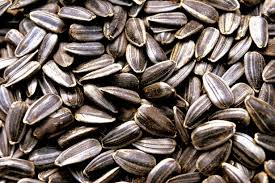
Table of Contents
Sunflower seeds have a single nutritional figure that defines them above all others: 234% of daily Vitamin E per 100g — more than any other commonly eaten whole food, more than almonds (171% DV), more than hazelnuts (100% DV), and more than virtually every other plant food in our collection. Combined with 209% copper, 123% thiamine, 114% manganese, 79% B6, 72% magnesium, 59% phosphorus, 57% folate, 52% niacin, and 51% zinc, sunflower seeds deliver one of the most comprehensive and impressive micronutrient profiles of any seed or nut — at a protein content (18.9g per 100g) that approaches many legumes, and with a fat profile dominated by unsaturated fats.
Sunflower Seeds Nutrition Facts (per 100g)
| Nutrient | Amount |
|---|---|
| Calories | 571 kcal |
| Protein | 18.9g |
| Fat | 48.4g |
| — Saturated Fat* | 4.2g |
| — Monounsaturated Fat* | 17.4g |
| — Polyunsaturated Fat* | 21.8g |
| — Omega-6 (Linoleic Acid)† | 21.7g |
| — Omega-3 (ALA)* | 0.08g |
| Carbohydrates | 24.5g |
| — Sugars* | 2.6g |
| — Fiber | 7.2g |
| Cholesterol* | 0mg |
| Sodium | 0mg |
* From USDA’s SR Legacy data for sunflower seed kernels, used where the newer Foundation Foods data has no value, with the fat breakdown scaled to the Foundation Foods total fat. † Polyunsaturated fat minus omega-3: in sunflower seeds, virtually all polyunsaturated fat is one or the other. Everything else is from Foundation Foods. Full sources are at the end of the page.
Sunflower Seeds Nutrition Facts (per 28g serving — approximately 3 tablespoons)
| Nutrient | Per 28g Serving |
|---|---|
| Calories | 160 kcal |
| Protein | 5.3g |
| Fat | 13.6g |
| — Monounsaturated Fat* | 4.9g |
| — Polyunsaturated Fat* | 6.1g |
| Carbohydrates | 6.9g |
| — Fiber | 2.0g |
| — Net carbs | 4.8g |
| Sodium | 0mg |
| Vitamin E* | 9.8mg (66% DV) |
| Thiamine* | 0.41mg (35% DV) |
| Vitamin B6* | 0.38mg (22% DV) |
| Folate* | 64µg (16% DV) |
| Selenium | 5.0µg (9% DV) |
| Phosphorus | 205mg (16% DV) |
| Magnesium | 85mg (20% DV) |
| Zinc | 1.6mg (14% DV) |
A 28g handful provides 66% of daily Vitamin E at just 160 calories — among the most efficient Vitamin E deliveries of any food.
Vitamins in Sunflower Seeds (per 100g)
| Vitamin | Amount | % Daily Value |
|---|---|---|
| Vitamin A (RAE)* | 3µg | 0% |
| Vitamin B1 (Thiamine)* | 1.48mg | 123% |
| Vitamin B2 (Riboflavin)* | 0.36mg | 28% |
| Vitamin B3 (Niacin)* | 8.3mg | 52% |
| Vitamin B5 (Pantothenic Acid)* | 1.13mg | 23% |
| Vitamin B6* | 1.35mg | 79% |
| Vitamin B9 (Folate)* | 227µg | 57% |
| Vitamin B12* | 0µg | 0% |
| Vitamin C* | 1.4mg | 2% |
| Vitamin D* | 0µg | 0% |
| Vitamin E* | 35.2mg | 234% |
| Vitamin K* | 0µg | 0% |
* From USDA’s SR Legacy data for sunflower seed kernels. % Daily Values use the FDA’s current Daily Values.
Extraordinary standout: Sunflower seeds’ Vitamin E content at 234% DV per 100g is the highest of any whole food in our collection — more than double the daily requirement in 100g. This isn’t a marginal lead over almonds or hazelnuts; it’s a genuinely commanding difference that makes sunflower seeds the definitive whole-food Vitamin E source. Vitamin E is a fat-soluble antioxidant that specifically protects cell membranes and lipid-containing structures from oxidative damage — fitting given that sunflower seeds are predominantly fat. Thiamine at 123% DV exceeds the full daily requirement per 100g, alongside B6 at 79% DV, folate at 57% DV, niacin at 52% DV, and riboflavin at 28% DV.
Minerals in Sunflower Seeds (per 100g)
| Mineral | Amount | % Daily Value |
|---|---|---|
| Calcium | 116mg | 9% |
| Phosphorus | 732mg | 59% |
| Magnesium | 302mg | 72% |
| Potassium | 657mg | 14% |
| Iron | 4.4mg | 24% |
| Zinc | 5.6mg | 51% |
| Copper | 1.9mg | 209% |
| Manganese | 2.6mg | 114% |
| Selenium | 17.8µg | 32% |
Multiple standouts: Sunflower seeds’ mineral profile is among the most impressive of any seed or nut. Copper at 209% DV and manganese at 114% DV both exceed the full daily requirement per 100g. Magnesium at 72% DV is one of the higher magnesium figures in this collection, supporting over 300 enzymatic reactions. Phosphorus at 59% DV serves as both a structural bone mineral and a component of every ATP molecule. Zinc at 51% DV and iron at 24% DV round out a mineral profile that rivals pumpkin seeds in breadth and depth. Selenium at 32% DV supports glutathione peroxidase antioxidant defense and thyroid hormone activation — though selenium in seeds varies greatly with the soil they’re grown in, and USDA’s older data found about three times as much.
Vitamin E at 234% DV: Why Sunflower Seeds Lead Every Other Whole Food
This deserves full explanation because it’s the nutritional identity of sunflower seeds — and understanding what Vitamin E actually does makes the figure far more meaningful than a percentage target.
What Vitamin E Is
Vitamin E is a family of fat-soluble compounds — eight naturally occurring forms exist, of which alpha-tocopherol (the main form in sunflower seeds) is the most biologically active in humans. Vitamin E is not a structural compound or an enzymatic cofactor in the traditional sense — its primary function is as a chain-breaking antioxidant specifically positioned within cell membranes and lipid-containing structures.
What Vitamin E Specifically Protects
Cell membranes are composed primarily of phospholipids — molecules with fatty acid tails that are rich in polyunsaturated fat and therefore vulnerable to lipid peroxidation, a cascade reaction where free radicals attack and damage fatty acid chains in a self-propagating chain. Vitamin E’s structure allows it to embed within the membrane and intercept these radical chain reactions before they propagate — physically terminating the oxidative cascade at the molecular level.
Beyond cell membranes, Vitamin E protects LDL cholesterol from oxidative modification — the critical step that makes LDL genuinely damaging to arterial walls. LDL particles contain polyunsaturated fat that is vulnerable to oxidation; Vitamin E within the LDL particle neutralizes free radicals before they can initiate this oxidative modification.
Why Sunflower Seeds Are So Rich
A plausible explanation for sunflower seeds’ extraordinary Vitamin E content is their fatty acid composition — particularly their very high linoleic acid (omega-6) content. Linoleic acid is a polyunsaturated fatty acid highly vulnerable to oxidation, and a seed that stores large amounts of polyunsaturated fat benefits from proportionally high Vitamin E to protect that fat from oxidative degradation — both within the seed during storage and after extraction and processing. The Vitamin E in sunflower seeds is essentially the antioxidant protection system for the seed’s own fat stores.
This same logic explains why sunflower oil is one of the richest Vitamin E sources among cooking oils — and why consuming sunflower seeds provides Vitamin E in its most natural, whole-food context alongside the very fat it’s designed to protect.
Vitamin B6 at 79% DV: The Overlooked Standout
While Vitamin E rightly dominates attention, sunflower seeds’ B6 content (79% DV per 100g) is genuinely exceptional and deserves specific mention.
Vitamin B6 is required as a pyridoxal phosphate coenzyme for over 100 enzymatic reactions, with the most directly relevant being:
Amino acid metabolism — B6 is a required cofactor for aminotransferases, the enzymes that transfer amino groups between amino acids in all protein catabolism and synthesis pathways. Higher protein intakes increase B6 requirements proportionally — sunflower seeds’ 18.9g protein per 100g is delivered alongside plenty of B6 to help metabolise it.
Neurotransmitter synthesis — B6 is required for the decarboxylase enzymes that produce serotonin from tryptophan, dopamine and noradrenaline from tyrosine, and GABA from glutamate. Adequate B6 status is directly relevant to mood regulation, stress resilience, and sleep quality through this neurotransmitter synthesis role.
Homocysteine regulation — alongside folate (of which sunflower seeds are also a rich source, at 57% DV) and B12, B6 is required for the transsulphuration pathway that converts homocysteine to cystathionine. Elevated homocysteine is associated with cardiovascular risk, and adequate B6 is part of keeping it in check.
At 79% DV in 100g, a 28g serving still provides 22% DV — genuinely meaningful from a snack.
The Linoleic Acid Consideration: Honest Assessment
Sunflower seeds are one of the richest dietary linoleic acid sources — approximately 21.7g of their 21.8g of polyunsaturated fat per 100g is omega-6 linoleic acid. This is worth addressing directly given how frequently omega-6 overconsumption is discussed in nutritional science.
The Issue With Modern Omega-6 Intake
Most modern Western diets are heavily skewed toward omega-6 relative to omega-3, primarily from seed oils (sunflower oil, corn oil, soybean oil) used extensively in processed and restaurant food. The ratio of omega-6 to omega-3 in these diets commonly runs 15:1 to 20:1 or higher, compared to an estimated ancestral ratio of around 1:1 to 4:1. Some researchers argue that excess omega-6 promotes a more pro-inflammatory environment by competing with omega-3 in eicosanoid synthesis pathways — though trials in people haven’t found that eating more linoleic acid raises inflammatory markers, and the American Heart Association considers omega-6 fats part of a heart-healthy diet. The bigger issue for most diets is too little omega-3 rather than the omega-6 itself.
Where Sunflower Seeds Fit
Sunflower seeds consumed as a whole food are nutritionally very different from sunflower oil used in processed food:
- The whole seed provides the omega-6 within a matrix of fiber, protein, Vitamin E, and minerals — not as a refined concentrated oil
- The Vitamin E in sunflower seeds provides antioxidant protection against the oxidation of their own linoleic acid — reducing the lipid peroxidation concern that makes oxidized omega-6 more harmful than fresh omega-6
- A 28g serving provides approximately 6.1g of linoleic acid — a meaningful addition to a day’s omega-6 intake
The practical guidance: sunflower seeds as a snack or salad topping are a genuinely nutritious food regardless of their linoleic acid content. For people who already consume significant amounts of sunflower, corn, or soybean oil in their diet, being mindful of total omega-6 intake means sunflower seeds should be part of that broader awareness rather than treated as a concern in isolation. Regularly including omega-3 sources (fatty fish, flaxseed, walnuts) maintains a healthier overall dietary ratio.
Health Benefits of Sunflower Seeds
The Most Vitamin E-Dense Whole Food Available
At 234% DV per 100g — 66% DV in a single 28g serving — sunflower seeds provide more Vitamin E than any other practical whole food. Regular sunflower seed consumption is one of the most reliable dietary strategies for ensuring adequate Vitamin E status, which supports protection of cell membranes from oxidative damage, prevention of LDL oxidation, and immune function through Vitamin E’s role in T-cell activity and prostaglandin synthesis.
Selenium for Antioxidant and Thyroid Function
At 32% DV per 100g, sunflower seeds provide a useful amount of selenium — supporting glutathione peroxidase function and thyroid hormone activation alongside the Vitamin E that works synergistically with selenium in the body’s antioxidant defense systems. Vitamin E and selenium operate complementarily: Vitamin E neutralizes lipid peroxidation radicals, while glutathione peroxidase (selenium-dependent) clears the resulting peroxide products.
Strong Phosphorus
At 59% DV per 100g, sunflower seeds provide over half the daily phosphorus requirement — the mineral that serves as both a structural component of bone hydroxyapatite and a literal component of every ATP molecule the body produces.
Exceptional Magnesium for Energy and Resilience
At 72% DV per 100g (20% DV per 28g serving), sunflower seeds contribute substantially to the magnesium intake that supports ATP production, muscle contraction and relaxation, nervous system regulation, and insulin receptor function — all the mechanisms detailed extensively on the pumpkin seeds page.
B Vitamin Complex for Complete Metabolic Support
The combination of thiamine (123% DV), B6 (79% DV), folate (57% DV), niacin (52% DV), riboflavin (28% DV), and pantothenic acid (23% DV) collectively supports every stage of cellular energy production — from pyruvate dehydrogenase through the electron transport chain to protein metabolism and neurotransmitter synthesis. No other seed or nut in this collection delivers this breadth of B vitamin coverage.
Heart Health
Sunflower seeds support cardiovascular health through multiple independent mechanisms. Vitamin E protects LDL from the oxidative modification that initiates atherosclerotic plaque formation. Selenium activates the glutathione peroxidase that neutralizes hydrogen peroxide and lipid peroxides throughout the body. Phytosterols in sunflower seeds reduce cholesterol absorption in the gut. Magnesium contributes to blood pressure regulation. And the predominantly unsaturated fat profile (39.2g of monounsaturated and polyunsaturated fat versus 4.2g saturated fat) reduces LDL cholesterol when substituted for saturated fat in the diet.
Iron for Oxygen Transport
At 24% DV per 100g in non-haem form, sunflower seeds make a meaningful iron contribution for plant-based eaters — particularly relevant given how frequently iron insufficiency affects vegetarians and vegans. As with all non-haem iron sources, pairing with Vitamin C enhances absorption.
Gut Health and Satiety
At 7.2g of fiber per 100g, sunflower seeds provide substantial prebiotic fiber alongside their fat and protein content — supporting beneficial gut bacteria, bowel regularity, and the strong, prolonged satiety that makes seeds effective for appetite management despite their calorie density.
Sunflower Seeds for Athletes and Active People
Vitamin E for Exercise Recovery
As the richest whole-food Vitamin E source available, sunflower seeds directly support the antioxidant protection of cell membranes during the oxidative stress that intense training generates. The synergy between Vitamin E and selenium (32% DV) in sunflower seeds is particularly relevant — both work together in the antioxidant cascade that manages exercise-induced lipid peroxidation.
Magnesium for Training Performance
At 72% DV per 100g (20% per 28g serving), sunflower seeds contribute meaningfully to the magnesium intake that athletes deplete through sweat, supporting the ATP production and muscle function that training demands.
B6 for Protein Metabolism at High Intakes
Athletes consuming 150–200g+ of protein daily have elevated B6 requirements proportional to that protein intake. Sunflower seeds’ 79% DV B6 per 100g makes them one of the most practical dietary B6 sources available — a 28g snack portion covering 22% DV of B6 from a food that also contributes to protein intake directly.
Zinc for Immune Resilience
At 51% DV per 100g (14% per 28g serving), sunflower seeds contribute to the zinc status that supports immune function and testosterone production during heavy training blocks.
Selenium and Thiamine Together
The combination of selenium (32% DV, antioxidant support) and thiamine (123% DV, carbohydrate-to-energy conversion) makes sunflower seeds well-matched to athletes consuming large amounts of carbohydrates for training energy — thiamine is a coenzyme needed for those carbohydrates to enter energy production, and selenium helps manage the oxidative by-products.
Sunflower Seeds vs Other Common Seeds and Nuts for Vitamin E
| Food (100g) | Vitamin E | Notes |
|---|---|---|
| Sunflower seeds | 234% DV | Decisive leader |
| Almonds | 171% DV | Best nut source after sunflower seeds |
| Hazelnuts | 100% DV | Strong but less than half sunflower seeds’ level |
| Pine nuts | 62% DV | Moderate |
| Pumpkin seeds | 15% DV | Stronger in minerals than Vitamin E |
| Chia seeds | 3% DV | Minimal |
| Flaxseeds | 0% DV | Essentially none in USDA’s newest analysis |
No other commonly eaten whole food comes close to sunflower seeds’ Vitamin E density. For anyone specifically seeking to maximize whole-food Vitamin E intake, sunflower seeds are the clear and definitive choice.
Hulled vs Unhulled Sunflower Seeds
Hulled sunflower seeds (kernels) — the shell removed, leaving the soft, flavorful inner seed. This is the form typically sold in bags for snacking, in trail mixes, and for cooking. The nutritional data on this page reflects raw hulled kernels.
Unhulled (in-shell) — the full sunflower seed with the black-and-white striped shell intact. The shell itself is inedible; unhulled seeds are typically eaten by cracking the shell with the teeth and discarding it. The shell provides additional fiber if partially consumed accidentally but isn’t meaningfully nutritious.
Sunflower seed butter — hulled seeds blended into a nut-butter-style spread. Nutritionally essentially identical to whole seeds per gram, with practical advantages for spreading or blending. Check labels for added sugar and palm oil in commercial products.
Practical Ways to Include Sunflower Seeds in Your Diet
As a snack — a 28g handful provides 66% of daily Vitamin E, 35% thiamine, and 20% magnesium at 160 calories. One of the most micronutrient-dense portable snacks available.
On salads — sunflower seeds add crunch and nutrition to any salad alongside their complementary Vitamin E content. They pair particularly well with spinach, since the seeds’ fat helps you absorb spinach’s fat-soluble beta-carotene and Vitamin K.
In trail mix — combined with raisins (copper, iron, potassium), dark chocolate (magnesium, copper), and other seeds or nuts creates a portable, multi-mineral snack with genuinely impressive nutritional credentials.
In homemade bread, muffins, or granola — sunflower seeds baked into these products add nutritional density, crunch, and a pleasant flavor without significantly altering the end product.
Sunflower seed butter on toast or fruit — a practical, allergen-friendly alternative to peanut or nut butter for anyone with tree nut or peanut allergies, providing comparable protein and fat alongside sunflower seeds’ unique Vitamin E advantage.
Sprinkled over oatmeal or yogurt — a tablespoon of sunflower seeds adds meaningful Vitamin E, thiamine, and magnesium to breakfast with minimal flavor impact.
Potential Considerations
Calorie density — at 571 kcal per 100g, portion awareness is important for anyone managing total calorie intake. The exceptional nutritional return justifies including them, but measuring rather than free-pouring from a large bag prevents unintentional overconsumption.
Omega-6 to omega-3 ratio — as discussed above, sunflower seeds are one of the higher linoleic acid (omega-6) sources in the collection. Mindfulness of total dietary omega-6 intake and regular inclusion of omega-3 sources (fatty fish, flaxseed, walnuts) maintains a healthier overall ratio.
Cadmium accumulation — sunflower plants are particularly efficient at absorbing cadmium from soil, and sunflower seeds can contain higher cadmium levels than many other plant foods. At typical snack quantities, this is not considered a meaningful health risk by food safety authorities, but very high daily consumption over long periods is worth being aware of for people who eat sunflower seeds as a dietary staple rather than an occasional food.
Seed allergy — sunflower seed allergy is uncommon but documented. People with known seed sensitivities should introduce sunflower seeds cautiously.
Sodium in salted products — unsalted raw sunflower seeds contain virtually no sodium. Commercially salted varieties can carry 300–600mg per 100g or more. Choosing unsalted or lightly salted varieties is sensible for anyone monitoring sodium.
Nutrient data: USDA FoodData Central, Foundation Foods (FDC ID 2515381); values marked * from SR Legacy (FDC ID 170562), with the fat breakdown scaled to the Foundation Foods total. % Daily Values use the FDA’s current Daily Values.