

Vitamin B7 – Biotin
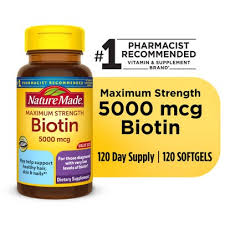
Table of Contents
Vitamin B7 — also called biotin — is a water-soluble B vitamin that acts as a permanently attached cofactor for five carboxylase enzymes, all of which attach carbon dioxide to other molecules in reactions central to energy metabolism, fatty acid production, and amino acid breakdown. Because biotin deficiency causes hair loss, skin rashes, and brittle nails, biotin has become one of the most heavily marketed vitamins for hair, skin, and nails — even though the evidence for supplements in people who aren’t deficient is much weaker than the marketing suggests.
Where vitamin B7 really matters is in the underlying metabolism that most of its marketing doesn’t mention — and in a significant risk that many people taking high-dose biotin have never been told about: it can distort common blood tests.
Key Mechanisms — The Five Carboxylases
Vitamin B7 isn’t used up in each reaction — it’s permanently attached to its target enzymes by an enzyme called holocarboxylase synthetase, and works through many reaction cycles. When those enzymes are eventually broken down, another enzyme, biotinidase, frees the biotin so it can be reused. Biotin is essential for five carboxylases:
Pyruvate carboxylase: converts pyruvate into oxaloacetate — the step that tops up the citric acid (TCA) cycle when its intermediates run low, and the gateway step for making new glucose (gluconeogenesis). In biotin deficiency, the TCA cycle can run short of intermediates, and maintaining blood glucose during fasting or prolonged exercise becomes harder.
Acetyl-CoA carboxylase (ACC1 and ACC2):
- ACC1, in the cell’s cytoplasm, converts acetyl-CoA into malonyl-CoA — the first committed step in making fatty acids. Without biotin, fatty acid production is impaired.
- ACC2, on the outer surface of the mitochondria, produces malonyl-CoA that blocks CPT1 — the gatekeeper that controls how fast fatty acids enter the mitochondria to be burned. So biotin-dependent ACC2 acts as a metabolic switch between burning fat and storing it.
Propionyl-CoA carboxylase: converts propionyl-CoA into methylmalonyl-CoA, which vitamin B12 then helps convert into succinyl-CoA for the TCA cycle. This pathway processes odd-chain fatty acids, the amino acids valine, isoleucine, methionine, and threonine, and the side chain of cholesterol.
3-Methylcrotonyl-CoA carboxylase (MCC): needed to break down leucine — the amino acid best known for triggering mTOR, the main switch for muscle protein synthesis. Leucine that isn’t used is broken down through a pathway that depends on biotin.
Beyond the carboxylases: biotin also plays roles in gene regulation and cell signaling, including through modifications of histones (the proteins DNA is wrapped around).
Gut bacteria: bacteria in the large intestine make biotin, and the colon can absorb some of it — but how much this contributes to the body’s supply isn’t known, so it’s also uncertain whether long-term antibiotic use meaningfully lowers biotin status. Most of our biotin comes from food, which provides about 35–70µg a day in typical Western diets — comfortably above the adult requirement.
Vitamin B7 AI (Adequate Intake)
There isn’t enough evidence to set an RDA for vitamin B7, so Adequate Intake (AI) values are used instead.
| Age | AI |
|---|---|
| 0-6 months | 5µg |
| 7-12 months | 6µg |
| 1-3 | 8µg |
| 4-8 | 12µg |
| 9-13 | 20µg |
| 14-18 | 25µg |
| 19+ | 30µg |
| Pregnant | 30µg |
| Breastfeeding | 35µg |
Source: US National Academies, via the NIH Office of Dietary Supplements. The daily value used on labels is 30µg.
ODA (Optimal Daily Allowance)
Meet the AI — 30µg a day for adults (35µg when breastfeeding) — which a typical mixed diet already exceeds. There’s no good evidence that higher intakes improve health, hair, or nails in people who aren’t deficient. High-dose biotin isn’t known to be toxic, but it can seriously distort common blood tests, so if you take it, make sure your doctor knows. Higher-dose uses are covered below.
Found In (per serving)
| Food | Vitamin B7 | % Daily Value |
|---|---|---|
| Beef liver, cooked, 3oz (85g) | 30.8µg | 103% |
| Egg, whole, cooked (1 egg) | 10.0µg | 33% |
| Salmon, pink, canned in water, 3oz (85g) | 5.0µg | 17% |
| Pork chop, cooked, 3oz (85g) | 3.8µg | 13% |
| Hamburger patty, cooked, 3oz (85g) | 3.8µg | 13% |
| Sunflower seeds, roasted, ¼ cup | 2.6µg | 9% |
| Sweet potato, cooked, ½ cup | 2.4µg | 8% |
| Almonds, roasted, ¼ cup | 1.5µg | 5% |
| Tuna, canned in water, 3oz (85g) | 0.6µg | 2% |
| Spinach, boiled, ½ cup | 0.5µg | 2% |
| Broccoli, fresh, ½ cup | 0.4µg | 1% |
| Cheddar cheese, mild, 1oz (28g) | 0.4µg | 1% |
| Milk, 2%, 1 cup | 0.3µg | 1% |
| Plain yogurt, 1 cup | 0.2µg | 1% |
| Banana, ½ cup | 0.2µg | 1% |
Note: USDA’s FoodData Central — the source for food values elsewhere on this site — doesn’t list biotin. These values come from the NIH Office of Dietary Supplements, based on a 2004 analysis using an accurate, biotin-specific method. Many older tables, based on less specific methods, list much higher figures for some foods — for example, over 60µg per 100g for sunflower seeds and almonds — so biotin numbers vary widely between sources.
Organ meats and eggs are the richest everyday sources, followed by fish, meat, seeds, nuts, and some vegetables, such as sweet potatoes. Eggs come with an important distinction: cooked eggs are a good source, while raw egg whites block biotin absorption (see the deficiency section below). Yeast (nutritional and brewer’s yeast) can also be high, depending on the product.
Vitamin B7 Helps With
- Energy production from carbohydrates, fats, and proteins, through its carboxylase enzymes
- Regulating the switch between burning and storing fat (via ACC2 and malonyl-CoA)
- Making new glucose — maintaining blood sugar during fasting and prolonged exercise
- Making fatty acids for cell membranes and energy storage
- Breaking down leucine and other amino acids
- Healthy hair, skin, and nails — deficiency causes hair loss, rashes, and brittle nails
- Gene regulation and cell signaling
- Fetal development during pregnancy
- Nervous system function
Vitamin B7 for Athletes and Active People
Vitamin B7 matters for performance through the metabolic machinery it supports, rather than through any direct performance-boosting effect.
Blood sugar during long sessions: pyruvate carboxylase — the biotin-dependent enzyme that starts gluconeogenesis — becomes more important as glycogen stores run down in long endurance sessions. Adequate vitamin B7 supports the blood glucose maintenance that sustains late-stage endurance efforts.
Fat metabolism: the ACC2–malonyl-CoA signal is part of how cells decide between burning and storing fat. That doesn’t mean biotin supplements increase fat burning, but vitamin B7 is built into the metabolic flexibility that characterizes well-trained athletes.
Leucine breakdown: vitamin B7 is needed for MCC, the enzyme that helps break down leucine. Athletes on very high-protein diets, or taking leucine-rich supplements, run more leucine through this pathway, slightly raising demand for biotin.
Hair and nails: hard training, chlorine exposure in swimmers, and other factors can affect hair and nails, but low biotin is rarely the cause. Adequate intake is part of the nutritional foundation; extra biotin is unlikely to help.
For most athletes eating varied whole-food diets, vitamin B7 intake is adequate without special attention. The exceptions are people eating raw egg whites regularly or with the other risk factors below.
Vitamin B7 Deficiency
Biotin deficiency is rare, and severe deficiency has never been reported in healthy people eating a normal mixed diet.
Deficiency risk is higher in:
- People eating a lot of raw egg white: egg whites contain avidin, a protein that binds biotin with one of the strongest bonds found in nature — each avidin molecule can capture four biotin molecules — and prevents its absorption. Cooking denatures avidin so it can no longer interfere; cooked eggs are fine. But large amounts of raw egg white eaten regularly over a long period — as in some old-school bodybuilding routines using uncooked whites as egg white protein — can cause genuine biotin deficiency. Early researchers used raw egg white diets to induce deficiency on purpose.
- Pregnant and breastfeeding women: research suggests at least a third of pregnant women develop marginal biotin deficiency despite normal intakes, and biotin levels fall during breastfeeding. Animal studies show that biotin deficiency in pregnancy can cause birth defects, though the significance for humans is still being studied.
- People with biotinidase deficiency: a rare inherited disorder in which the body can’t free and recycle biotin. Without treatment, it causes neurological and skin problems — but lifelong biotin treatment started early prevents them, which is why newborns in the US and many other countries are screened for it.
- People with holocarboxylase synthetase deficiency: another rare inherited disorder, affecting the enzyme that attaches biotin to the carboxylases.
- People with chronic heavy alcohol use: alcohol reduces biotin absorption, and about 15% of people with chronic alcoholism have low blood biotin levels.
- Long-term users of anti-seizure medicines: carbamazepine, phenytoin, phenobarbital, and primidone can lower biotin levels by speeding up its breakdown and reducing its absorption.
- Isotretinoin (Accutane, Roaccutane) users: limited research suggests it may reduce biotinidase activity, impairing biotin recycling.
- People on long-term intravenous feeding without added biotin.
Symptoms of vitamin B7 deficiency usually appear gradually:
- Thinning hair, which can progress to loss of all body hair
- A scaly, red rash around the eyes, nose, and mouth — together with an unusual distribution of facial fat, this is known as “biotin deficiency facies”
- Brittle nails
- Conjunctivitis (inflamed eyes)
- Skin infections
- Depression, lethargy, and, in severe cases, hallucinations
- Tingling or numbness in the hands and feet
- Seizures; and in infants, poor muscle tone, lethargy, and developmental delay
- Abnormal acids in the blood and urine (such as raised 3-hydroxyisovaleric acid) — signs that the carboxylases aren’t working properly
Excessive Doses of Vitamin B7
No upper limit (UL) has been set for vitamin B7, because there’s no evidence that it’s toxic in humans. Studies have found no adverse effects from 10–50mg a day, and people with biotinidase deficiency have taken up to 200mg a day without signs of toxicity.
The laboratory interference problem — the most important safety consideration:
High-dose biotin can seriously distort many common blood tests. Many modern lab tests (immunoassays) use biotin and a protein called streptavidin, which binds biotin extremely tightly, as part of how they work. When someone’s blood contains large amounts of biotin from supplements, it interferes with that binding and can produce falsely high or falsely low results, depending on the test.
Most reported problems involve doses of 5–10mg or more — common in hair, skin, and nail supplements — but interference has occurred after a single 10mg dose, and health authorities caution that it can’t be ruled out at lower supplemental doses.
Tests that can be affected:
- Thyroid function (TSH, free T3, free T4): biotin can make TSH look falsely low and T3 and T4 falsely high, mimicking an overactive thyroid — several people have been misdiagnosed with Graves’ disease this way
- Cardiac troponin (used to diagnose heart attacks): biotin can make troponin look falsely low. The FDA has reported a death after a falsely low troponin result in a patient taking high-dose biotin
- Heart failure marker (NT-proBNP): can be falsely lowered
- Parathyroid hormone (PTH) and vitamin D
- Sex hormones: testosterone, estradiol, progesterone, LH, and FSH
- Some cancer markers and pregnancy tests, such as CA-125, PSA, hCG, and AFP, along with many other tests run on biotin-based systems
The FDA issued safety warnings about this in 2017 and 2019, advising doctors to ask patients about biotin-containing supplements and to consider biotin interference when test results don’t match a patient’s symptoms. Many test manufacturers have since redesigned their tests to be less sensitive to biotin, but not all have.
Practical instruction: stop high-dose biotin supplements at least 48–72 hours before any blood test — longer for very high doses — unless your doctor advises otherwise. Always tell your doctor and the lab if you take biotin, especially before heart, thyroid, or hormone tests. Remember that biotin is also found in many multivitamins and “hair, skin, and nails” products.
On Vitamin B7 and Hair, Skin, and Nails — an Honest Assessment
Biotin deficiency genuinely causes hair loss, skin rashes, and brittle nails, and in people who are deficient, biotin restores normal hair, skin, and nails. That relationship is real.
In people who aren’t deficient — most people who buy biotin supplements — the evidence is weak. For brittle nails, the support comes from three small studies without placebo groups, using 2.5mg a day, which reported firmer, thicker nails in many participants. For hair, the evidence is limited to case reports in children with rare hair disorders, such as uncombable hair syndrome. For skin, it’s limited to case reports in infants with biotin deficiency. There are no good-quality trials showing that biotin improves hair growth in healthy adults.
The conclusion: if your hair or nail problems come from biotin deficiency, biotin will help. If they come from hormonal changes, other nutrient deficiencies (such as iron, zinc, or protein), thyroid problems, genetics, or stress, biotin is unlikely to make a meaningful difference — and it can interfere with the very thyroid and hormone tests used to find the real cause.
Types of Vitamin B7
All vitamin B7 supplements contain D-biotin — the natural, active form — and oral biotin is very well absorbed, even at high doses. There’s no meaningfully different form to choose between; what varies is the dose:
- Nutritional doses (30–100µg): the amount in standard multivitamins and B-complexes — enough to cover needs.
- Moderate to high supplemental doses (500µg–10mg): the range used in most hair, skin, and nail products. Not known to be harmful, but the higher end of this range is where lab test interference is most often reported.
- Very high doses (100–300mg): high-dose biotin (MD1003, 300mg a day) was investigated as a treatment for progressive multiple sclerosis, based on biotin’s roles in myelin production and nerve cell energy. However, a large phase 3 trial published in 2020 found no significant benefit, and it hasn’t been approved. Doses like these cause major lab test interference.
Which dose for your goal:
| Goal | Dose range |
|---|---|
| General nutritional needs | Food first; 30–100µg in a multivitamin if supplementing |
| Hair, skin, and nails | 500µg–5mg is common, though benefits are unproven without deficiency — tell your doctor before any blood tests |
| Brittle nails | 2.5mg a day was used in the small studies |
| Biotinidase deficiency | Typically 5–20mg a day (medical supervision) |
| Progressive MS | 300mg a day was studied, but a large trial found no benefit — not recommended |
How to Take Vitamin B7
Vitamin B7 can be taken at any time of day, with or without food.
The most important instruction: if you take biotin above the amount in a standard multivitamin, stop at least 48–72 hours before any blood test, and tell your doctor and the lab.
If you take both pantothenic acid (B5) and vitamin B7, very high doses of both could, in theory, compete for absorption, since they share the same transporter in the gut (the sodium-dependent multivitamin transporter, SMVT). This isn’t a concern at normal supplement doses.
Interactions
Raw egg whites block biotin absorption through avidin — cooking prevents this. Anti-seizure medicines (carbamazepine, phenytoin, phenobarbital, and primidone) can lower biotin levels. Isotretinoin may reduce biotinidase activity. Alpha-lipoic acid at high doses shares biotin’s transporter and may compete with it. Very high doses of pantothenic acid (B5) may compete with biotin for absorption. Most importantly, high-dose biotin interferes with many laboratory tests (see above).
Synergy
- Works with vitamin B5, B6, and B12 in energy and amino acid metabolism — B5 forms the CoA compounds that biotin’s enzymes act on, B6 handles the first step in breaking down leucine, valine, and isoleucine before biotin’s enzymes take over, and B12 handles the step right after propionyl-CoA carboxylase.
- Often combined with chromium for blood sugar control — small trials of chromium picolinate plus biotin found modest improvements in blood sugar control in people with type 2 diabetes, though the evidence is limited.
- Handles the breakdown of excess leucine through MCC, complementing leucine’s role in triggering muscle protein synthesis.
- Healthy hair and skin also depend on zinc, iron, and protein, and on vitamin C for collagen production — hair and skin problems often have several nutritional causes.
Antagonistic Interactions
- Avidin in raw egg whites blocks biotin absorption — cooking prevents this.
- Very high doses of pantothenic acid (B5) may compete with biotin for absorption through the SMVT transporter.
- High-dose alpha-lipoic acid may compete with biotin for uptake into cells.
- Anti-seizure medicines speed up biotin breakdown and reduce its absorption; isotretinoin may impair biotin recycling.
Sources: food values and Adequate Intakes from the NIH Office of Dietary Supplements, Biotin Fact Sheet for Health Professionals (food values based on Staggs et al., 2004). USDA FoodData Central doesn’t list biotin. % Daily Values use the FDA’s current Daily Value of 30µg.