

Swiss Cheese: Nutrition Facts, Health Benefits, and the Science Behind the Holes
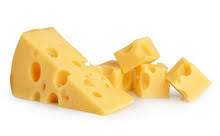
Table of Contents
Swiss cheese is one of the most nutritionally impressive hard cheeses available — and one of the most distinctive, both visually and nutritionally. Per 100g, it provides 126% of daily B12, 68% of calcium, 55% of selenium, 46% of phosphorus, 40% of zinc, 32% of Vitamin A, and 23% of riboflavin, along with 27g of complete protein, at 393 calories. What sets it apart from other hard cheeses in this collection is its sodium: at just 185mg per 100g in USDA’s data, Swiss cheese has far less sodium than cheddar (654mg), feta (1,034mg), or parmesan (1,175mg) — making it one of the lowest-sodium mainstream hard cheeses available, a meaningful distinction for anyone watching their sodium who still wants the nutritional benefits of hard cheese.
And then there are the holes.
Swiss Cheese Nutrition Facts (per 100g)
| Nutrient | Amount |
|---|---|
| Calories | 393 kcal |
| Protein | 27.0g |
| Fat | 31.0g |
| — Saturated Fat | 18.2g |
| — Monounsaturated Fat | 7.3g |
| — Polyunsaturated Fat | 1.1g |
| Carbohydrates | 1.4g |
| — Sugars | 0g |
| — Fiber* | 0g |
| Cholesterol | 93mg |
| Sodium | 185mg |
* Value from USDA’s SR Legacy data, where the Foundation Foods entry doesn’t include it. USDA’s figures are for Swiss cheese as sold in the US; European Emmental can contain somewhat more salt, so check the label.
Swiss Cheese Nutrition Facts (per 28g serving — approximately one slice)
| Nutrient | Per 28g Serving |
|---|---|
| Calories | 110 kcal |
| Protein | 7.6g |
| Fat | 8.7g |
| — Saturated Fat | 5.1g |
| Carbohydrates | 0.4g |
| Sodium | 52mg |
| Vitamin B12 | 0.85µg (35% DV) |
| Calcium | 249mg (19% DV) |
| Selenium | 8.4µg (15% DV) |
| Phosphorus | 161mg (13% DV) |
| Zinc | 1.2mg (11% DV) |
| Vitamin A | 82µg (9% DV) |
A single 28g slice provides 35% of daily B12 and 19% of calcium with just 52mg of sodium — making Swiss the most sodium-efficient source of these nutrients among the hard cheeses on this site.
Vitamins in Swiss Cheese (per 100g)
| Vitamin | Amount | % Daily Value |
|---|---|---|
| Vitamin A (RAE) | 292µg | 32% |
| Vitamin B1 (Thiamine) | 0.01mg | 1% |
| Vitamin B2 (Riboflavin) | 0.3mg | 23% |
| Vitamin B3 (Niacin) | 0.06mg | 0% |
| Vitamin B5 (Pantothenic Acid) | 0.35mg | 7% |
| Vitamin B6 | 0.07mg | 4% |
| Vitamin B9 (Folate) | 9µg | 2% |
| Vitamin B12 | 3.02µg | 126% |
| Vitamin C* | 0mg | 0% |
| Vitamin D | 0µg | 0% |
| Vitamin E | 0.6mg | 4% |
| Vitamin K | 1.4µg | 1% |
Standout: Swiss cheese’s B12 at 126% DV per 100g — 35% DV in a single 28g slice — is the highest of any cheese on this site, nearly three times cheddar’s 44% DV and two and a half times parmesan’s 50% DV. This comes from the propionic acid bacteria used to make Swiss cheese, which produce B12 as part of their metabolism during the warm-room fermentation, as explained below. Vitamin A at 32% DV comes from the milk fat, and riboflavin at 23% DV supports FAD/FMN coenzyme function in cellular energy production.
Minerals in Swiss Cheese (per 100g)
| Mineral | Amount | % Daily Value |
|---|---|---|
| Calcium | 890mg | 68% |
| Phosphorus | 574mg | 46% |
| Magnesium | 33.4mg | 8% |
| Potassium | 71mg | 2% |
| Iron | 0.13mg | 1% |
| Zinc | 4.37mg | 40% |
| Copper | 0.05mg | 6% |
| Selenium | 30.1µg | 55% |
Multiple standouts: Swiss cheese’s mineral profile is genuinely impressive. Calcium at 68% DV per 100g is among the highest of the cheeses on this site — behind only parmesan (91% DV) and level with hard goat cheese — and well ahead of cheddar (54% DV). Selenium at 55% DV and zinc at 40% DV are both higher than in cheddar, and phosphorus at 46% DV works alongside calcium in bone mineral — together making Swiss cheese one of the most mineral-dense dairy foods available.
The Holes: The Actual Science Behind Switzerland’s Most Famous Feature
The holes in Swiss cheese — properly called “eyes” in cheesemaking — are one of the most distinctive features of any food in this collection, and they have a genuinely fascinating scientific explanation.
The Two-Stage Bacterial Fermentation
Swiss-style cheeses, particularly Emmental (the original Swiss cheese with large, regular holes), are made with two different kinds of bacteria. First come heat-loving (thermophilic) lactic acid bacteria — typically Streptococcus thermophilus and Lactobacillus species — which turn the milk’s lactose into lactic acid, as in most cheeses. Then comes the defining extra ingredient: Propionibacterium freudenreichii (the strain used is often known as shermanii).
How the Eyes Form
After the cheese is made, pressed, and salted, it spends several weeks in a warm room at around 20–24°C. During this period, Propionibacterium freudenreichii feeds on the lactate left by the first fermentation, producing three significant by-products:
Propionic acid and acetic acid — responsible for Swiss cheese’s characteristic nutty, slightly sweet flavor, quite different from cheddar’s sharper, more acidic taste.
Carbon dioxide gas — the eyes form as this CO₂ collects in the cheese, creating pockets that round out into the characteristic spherical shape thanks to the elastic texture of the surrounding curd. The cheese must have the right temperature and texture — firm enough to hold the gas, but elastic enough to let pockets form — for regular, well-shaped eyes to develop.
Why This Biology Matters Nutritionally
The same propionic acid bacteria responsible for the holes are also responsible for Swiss cheese’s high B12 content. Propionibacterium freudenreichii makes B12 as part of its metabolism during fermentation — it’s even used industrially to produce the vitamin. So Swiss cheese’s B12 (126% DV) is directly connected to the same biology that creates its holes.
The Sodium Advantage: The Most Practically Important Distinction
Swiss cheese’s sodium content (185mg per 100g) is far lower than that of other common cheeses in USDA’s data:
| Cheese | Sodium per 100g | Notes |
|---|---|---|
| Swiss cheese | 185mg | Lowest of these cheeses |
| Goat cheese (soft) | 459mg | 2.5× more than Swiss |
| Mozzarella (whole milk) | 486mg | 2.6× more than Swiss |
| Cheddar | 654mg | 3.5× more than Swiss |
| Feta | 1,034mg | 5.6× more than Swiss |
| Parmesan (hard) | 1,175mg | 6.4× more than Swiss |
Why Swiss Cheese Has So Little Sodium
Salt plays a key role in most cheesemaking — it controls moisture, slows unwanted bacteria, and shapes flavor and texture — and many cheeses are heavily salted or soaked in brine for long periods, drawing sodium deep into the cheese. Swiss-style cheeses are salted only lightly, partly for a very practical reason: the propionic acid bacteria that create the holes are sensitive to salt, so too much would stop the eyes from forming. The propionic and acetic acids those bacteria produce also help preserve the cheese, along with its pH and low moisture.
The Practical Implication
For anyone who loves hard cheese but watches their sodium — whether for blood pressure, cardiovascular health, or general dietary awareness — Swiss cheese delivers the full nutritional package of a hard cheese (calcium, phosphorus, B12, zinc, selenium, and complete protein) with roughly two and a half to six times less sodium than the other cheeses above. That’s a genuinely meaningful difference, not a marginal one.
Health Benefits of Swiss Cheese
Outstanding B12 Exceeding the Daily Requirement
At 126% DV per 100g (35% DV in a 28g slice), Swiss cheese provides more than a full day’s B12 in a modest 80g portion. B12 is essential for myelin synthesis and neurological health, red blood cell formation, DNA synthesis, and homocysteine regulation — and Swiss cheese’s propionic acid fermentation makes it the richest B12 source among the cheeses on this site.
Excellent Calcium and Phosphorus for Bone Health
At 68% DV calcium and 46% DV phosphorus per 100g, Swiss cheese provides both of bone’s main minerals in substantial amounts, along with the protein bone also needs. Around 30% of the calcium in dairy is absorbed — similar to or better than most plant-based sources, where phytates and oxalates reduce absorption.
Strong Zinc for Immune Function
At 40% DV per 100g (11% per slice), zinc supports immune cell production, testosterone synthesis, wound healing, and the enzymes involved in protein synthesis and cell division — all relevant to athletes and active people.
Selenium for Antioxidant and Thyroid Function
At 55% DV per 100g (15% per slice), selenium supports the glutathione peroxidase antioxidant enzyme system and the deiodinase enzymes that drive thyroid hormone activation, which regulates metabolic rate.
Complete High-Quality Protein
At 27g of complete protein per 100g, Swiss cheese provides all 9 essential amino acids in good proportions, supporting muscle protein synthesis. Its protein is mostly casein, which releases amino acids more slowly and steadily than whey.
The Sodium-Conscious Cheese Choice
As detailed above, Swiss cheese’s 185mg of sodium per 100g makes it the most sodium-efficient hard cheese for getting the calcium, phosphorus, B12, and zinc that make aged dairy nutritionally valuable.
Virtually Lactose-Free
Like other aged hard cheeses, Swiss cheese contains essentially no lactose — USDA lists 0g of sugars per 100g. Most of the milk’s lactose drains away with the whey, and bacteria ferment the rest. Most people with lactose intolerance tolerate Swiss cheese well.
Bioactive Compounds From Propionic Acid Fermentation
The propionic acid and other short-chain fatty acids produced during Swiss cheese’s distinctive fermentation do more than add flavor. Propionic acid has antimicrobial activity, and Propionibacterium freudenreichii has been studied for possible gut health benefits — though the amounts in typical cheese servings are modest, and clinical evidence of benefit from eating the cheese is limited.
Swiss Cheese for Athletes and Active People
The Sodium-Efficient Hard Cheese for Regular Use
For athletes who eat hard cheese regularly as a calcium and protein source, Swiss cheese allows more frequent use than high-sodium alternatives without a big effect on the day’s sodium budget. A 28g slice adds just 52mg of sodium alongside 19% DV calcium, 13% DV phosphorus, and 7.6g of protein.
B12 for Red Blood Cell Support
The 35% DV B12 per 28g slice supports red blood cell formation, which underpins oxygen-carrying capacity for aerobic performance and recovery.
Calcium and Phosphorus for Training-Related Bone Demands
Athletes placing repeated mechanical stress on bone through resistance training and high-impact exercise benefit from reliable calcium and phosphorus. Swiss cheese’s 68% DV calcium and 46% DV phosphorus per 100g make it a practical single-food contribution to bone health.
Zinc and Selenium for Recovery
At 40% DV zinc and 55% DV selenium per 100g, Swiss cheese supports the immune function, testosterone production, and antioxidant defenses that can be strained during heavy training periods.
Casein Protein for Sustained Amino Acid Supply
The casein-rich protein provides a slower, steadier amino acid release than whey — making Swiss cheese a useful protein source between meals or before the overnight fast.
Swiss Cheese vs Other Common Hard Cheeses
| Cheese (100g) | Calories | Protein | Calcium | B12 | Sodium |
|---|---|---|---|---|---|
| Swiss cheese | 393 kcal | 27.0g | 68% DV | 126% DV | 185mg |
| Cheddar | 408 kcal | 23.3g | 54% DV | 44% DV | 654mg |
| Parmesan (hard) | 392 kcal | 35.8g | 91% DV | 50% DV | 1,175mg |
| Mozzarella (whole milk) | 299 kcal | 22.2g | 39% DV | 95% DV | 486mg |
| Goat cheese (hard) | 452 kcal | 30.5g | 69% DV | 5% DV | 423mg |
Swiss cheese leads this group on B12 and has by far the lowest sodium, while its calcium is second only to parmesan and level with hard goat cheese — confirming its position as the best mainstream hard cheese for sodium-conscious eaters.
Swiss Cheese vs Emmental: A Labeling Note
“Swiss cheese” is the name used in North America for Emmental-style cheese. Authentic Emmentaler AOP made in Switzerland to traditional methods is protected in Switzerland, but “Emmental” itself is used as a general name for this style of cheese, which is also made in France, Germany, and elsewhere — and a few regional versions, such as Emmental de Savoie, carry their own EU protected status. In the US and other markets, “Swiss cheese” is a generic label applied to Emmental-style cheese regardless of origin.
The nutritional profile on this page is USDA’s figure for Swiss cheese and applies broadly to the Emmental style, since the defining fermentation with Propionibacterium freudenreichii produces broadly similar results. Salt content in particular can vary between producers and countries, so check the label if sodium matters to you.
Practical Ways to Include Swiss Cheese in Your Diet
In sandwiches and wraps — Swiss cheese’s mild, nutty flavor and low sodium make it a versatile sandwich cheese that adds meaningful calcium and B12 without the sodium of stronger-flavored alternatives.
Melted in omelettes — Swiss cheese melts cleanly and its mild flavor complements eggs naturally, combining two good whole-food B12 sources in a single meal.
As a table cheese — sliced alongside whole grain crackers, fruit, and nuts for a snacking board that combines protein, calcium, and B12 with the fiber and micronutrients of the accompaniments.
In fondue — traditional Swiss fondue (melted cheese with white wine and garlic) makes the most of the cheese’s excellent meltability; the fat in the cheese also helps absorb fat-soluble vitamins from vegetables dipped alongside.
Grated over dishes — Swiss cheese grated from a block adds a milder flavor than parmesan or cheddar to soups, pasta, and baked dishes.
Timing around iron-rich meals — calcium can reduce iron absorption when eaten at the same meal, so anyone working to maximize iron absorption from an iron-rich meal may want to enjoy Swiss cheese at a different time.
Potential Considerations
Saturated fat — at 18.2g per 100g, Swiss cheese’s saturated fat is its main nutritional consideration for people managing cardiovascular risk. The nuanced guidance on the cheddar page applies equally here — moderate portions in an otherwise varied, fiber-rich diet are unlikely to pose meaningful cardiovascular risk for most healthy people.
Dairy allergy — distinct from lactose intolerance; people with a true milk protein allergy must avoid Swiss cheese despite its near-zero lactose.
Vegetarian rennet — traditional Swiss-style cheeses typically use animal rennet. Versions made with microbial or plant-based rennet are available but less common; check labels if this matters to you.
Calcium and iron absorption competition — calcium from dairy can reduce iron absorption when eaten at the same meal. This matters most for people with low iron, who may want to eat dairy and iron-rich meals at different times.
Nutrient data: USDA FoodData Central, Foundation Foods (FDC ID 746767); values marked * from SR Legacy (FDC ID 171251). Comparison cheeses: cheddar (FDC ID 328637) and feta (FDC ID 2259796) from Foundation Foods; parmesan, hard (FDC ID 170848), whole-milk mozzarella (FDC ID 170845), and soft and hard goat cheese (FDC IDs 173435 and 172197) from SR Legacy. % Daily Values use the FDA’s current Daily Values.