

Glutamine
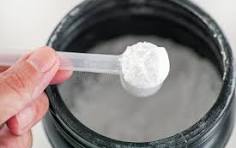
Table of Contents
Glutamine is the most abundant free amino acid in the blood and in skeletal muscle. It circulates at roughly 500–750 µmol/L — about twice the concentration of any other amino acid — and muscle cells contain even more. Glutamine is conditionally essential: the body normally makes plenty from glutamate and ammonia, but during severe illness, injury, or burns, blood and muscle levels fall, suggesting demand outstrips supply. Glutamine links the gut, the immune system, the kidneys, and the body’s nitrogen transport — which made it an appealing supplement for both hospital patients and athletes. The evidence has turned out to be far less positive than the theory: large trials in critically ill patients found no benefit, and in some groups higher mortality, while studies in athletes have produced mostly modest or mixed results.
Classification
- Type: Conditionally essential amino acid — made from glutamate and ammonia by glutamine synthetase; demand may exceed production during critical illness, major trauma, and severe burns
- Side chain: An amide — glutamine is the amide form of glutamate. Its amide nitrogen can be handed over in building reactions without releasing toxic free ammonia
- Metabolism: Glucogenic — glutamine is converted to glutamate and then alpha-ketoglutarate, which enters the Krebs cycle and can be used for energy or to make glucose; its nitrogen is used to build nucleotides
- Abundance: Skeletal muscle contains about 20 mmol/L of glutamine inside its cells — roughly 60% of muscle’s free amino acids — making muscle the body’s main glutamine store
Key Mechanisms
Fuel for gut and immune cells:
Glutamine is a major fuel for two groups of rapidly dividing cells:
Gut lining cells (enterocytes) take up glutamine from both the blood and digested food, and break it down for energy (ATP) via glutamate and alpha-ketoglutarate. This supports the rapid renewal of the gut lining, which is replaced every few days. In laboratory and animal studies, glutamine helps maintain the tight junctions that seal the gaps between gut cells, and a lack of glutamine makes the gut lining leakier. Mucus production also involves threonine.
Immune cells — lymphocytes, macrophages, and neutrophils — use glutamine both for energy and as a nitrogen source for building DNA and RNA as they multiply. During infection, inflammation, or injury, immune cells take up glutamine rapidly, which is one reason blood glutamine levels fall in these states.
Gut barrier function:
Glutamine’s role in the gut has made it a popular “gut health” supplement. In laboratory and animal studies, glutamine:
- Supports the tight junction proteins (such as occludin, claudins, and ZO-1) that seal the gut lining
- Helps maintain the structure of the gut lining, including the height of the villi that absorb nutrients
- Reduces the leakage of bacteria and their toxins from the gut into the bloodstream during severe stress
In people, the picture is less clear. Early hospital trials looked promising, but larger, better-designed trials in critically ill and severely burned patients found no benefit (see below). In healthy people and athletes, studies on gut permeability are small, and benefits appear mainly at high doses.
Nitrogen transport — a safe ammonia carrier:
Glutamine is the body’s main vehicle for moving nitrogen between organs. Free ammonia is toxic, even at modestly raised levels, so the body packages it safely:
- In muscle and other tissues: glutamate + ammonium + ATP → glutamine (via glutamine synthetase)
- Glutamine travels in the blood to the liver, kidneys, gut, and immune cells
- There, the enzyme glutaminase releases the nitrogen again, for:
- Making urea (liver)
- Excreting ammonium in urine (kidneys)
- Building nucleotides (immune cells and gut cells)
- Recycling neurotransmitters (brain)
Along with alanine, glutamine carries most of the nitrogen that leaves muscle.
The kidneys and acid-base balance:
The kidneys are major glutamine users. They release ammonia from glutamine and excrete it in the urine as ammonium, which removes acid from the body — and the alpha-ketoglutarate left over can be used to make bicarbonate, an important blood buffer. When the blood becomes too acidic for a prolonged period (chronic metabolic acidosis), the kidneys ramp up this process over hours to days, making it one of the body’s main long-term defenses of blood pH. The acid produced during a hard workout, by contrast, is cleared mainly by breathing off carbon dioxide and by the body using up lactate in the minutes and hours afterwards.
Building nucleotides:
Glutamine donates its amide nitrogen at several steps in building DNA and RNA:
- Purines: glutamine provides two of the nitrogen atoms in the purine ring, and the nitrogen needed to make GMP (for guanine)
- Pyrimidines: glutamine provides nitrogen for the first step, making carbamoyl phosphate (via carbamoyl phosphate synthetase II), and for converting UTP into CTP (via CTP synthetase), which supplies cytosine
Rapidly dividing cells — immune cells, gut cells, and also many cancer cells — use glutamine heavily, both for nitrogen and to feed the Krebs cycle. This reliance is sometimes called “glutamine addiction” in cancer cells.
The glutamate–glutamine cycle in the brain:
In the brain, astrocytes take up glutamate released at synapses and convert it into glutamine. Neurons then take up this glutamine and turn it back into glutamate (for excitatory signalling) or GABA (for inhibitory signalling). This makes glutamine the hub of neurotransmitter recycling in the brain.
Making glucose:
The kidneys can make glucose too, and glutamine is their main raw material — just as alanine is one of the liver’s main amino acid sources. Kidney glucose production becomes more important during fasting.
Recommended Intake
| Context | What the evidence suggests |
|---|---|
| Healthy adults | No requirement — the body makes tens of grams a day, and food provides several grams more |
| Athletes in general | Covered by adequate protein; daily supplements of 5–10g haven’t shown clear benefits for recovery, immunity, or performance |
| Gut permeability during hard exercise in the heat | Small studies used about 0.25–0.9g per kg of body weight, taken 1–2 hours before exercise, with clearer effects at the higher doses — limited evidence |
| Critical illness, surgery, or severe burns | Not routinely recommended — large trials found no benefit, and higher mortality in some critically ill patients; only under medical direction |
| Sickle cell disease | Prescription L-glutamine (approved in the US in 2017) reduces pain crises — a medical treatment |
Found In (per 100g)
Standard food analysis converts glutamine into glutamic acid, so food databases, including USDA’s, report the two combined. Reliable glutamine-only values for foods aren’t available. The table shows the combined values; glutamine makes up a substantial part of each.
| Food | Glutamic acid + glutamine (per 100g) | (% of protein) |
|---|---|---|
| Parmesan cheese (hard) | 8.21g | 23.0% |
| Almonds* | 6.21g | 29.3% |
| Pumpkin seeds* | 6.19g | 20.5% |
| Cheddar cheese* | 5.68g | 23.4% |
| Peanuts (raw)* | 5.39g | 20.9% |
| Chicken breast (roasted) | 4.65g | 15.0% |
| Turkey breast (roasted) | 4.53g | 15.3% |
| Pork chop (broiled) | 4.25g | 16.0% |
| Tuna, yellowfin (fresh, cooked) | 4.17g | 14.3% |
| Beef (ground, 80% lean, cooked) | 3.86g | 15.0% |
| Salmon (Atlantic, farmed, cooked) | 3.30g | 14.9% |
| Tofu (firm) | 3.29g | 19.0% |
| Oats (dry) | 2.83g | 21.5% |
| Cottage cheese (low-fat)* | 2.45g | 23.4% |
| Egg (hard-boiled) | 1.64g | 13.1% |
| Chickpeas (cooked) | 1.55g | 17.5% |
| Lentils (cooked) | 1.40g | 15.5% |
| Black beans (cooked) | 1.35g | 15.2% |
| White rice (cooked) | 0.52g | 19.5% |
Protein-rich foods are the main dietary source, and a typical diet is estimated to provide several grams of glutamine a day. Wheat gluten is unusually rich in glutamine — around a third of its protein is glutamine and glutamate combined — and some glutamine supplements are made from it.
Cooking and stability: free glutamine slowly converts into pyroglutamic acid in solution, especially when heated. Most glutamine in food is bound in protein, where it’s stable, and is released during digestion.
Helps With
- Fueling the cells that line the gut, supporting gut barrier function
- Fueling immune cells — lymphocytes, macrophages, and neutrophils
- Carrying nitrogen safely between tissues
- Long-term acid-base balance, through the kidneys
- Supplying glutamate for GABA, glutathione, and neurotransmitter recycling
- Glucose production in the kidneys
- Building DNA and RNA in rapidly dividing cells
Glutamine for Athletes and Active People
Glutamine is one of the most widely used sports supplements, but the evidence for athletes is weaker than its popularity suggests.
Gut permeability during hard exercise: intense or prolonged exercise, especially in the heat, diverts blood away from the gut, which can make its lining leakier and cause digestive symptoms. In small studies, glutamine taken 1–2 hours before exercise reduced this increase in gut permeability, with the clearest effects at high doses — up to about 0.9g per kg of body weight, which is over 60g for a 70kg person and can itself cause digestive upset. Whether this prevents symptoms during real training and racing hasn’t been established. Better-supported strategies for exercise-related gut problems include training the gut to tolerate carbohydrate, using combined carbohydrate sources, staying hydrated, managing heat exposure, and avoiding anti-inflammatory painkillers (NSAIDs) before hard sessions.
Immunity after hard exercise: blood glutamine falls by roughly 20–30% after prolonged, intense exercise, and since immune cells use glutamine, this was proposed as a reason athletes get more colds after hard races. A well-known 1990s study found that marathon runners given glutamine reported fewer infections, but later studies found that glutamine supplements didn’t change measures of immune function. The broader idea that hard exercise opens an “open window” of immune suppression has itself been challenged — the post-exercise drop in blood immune cells may largely reflect cells moving into tissues. Adequate carbohydrate and overall energy, sleep, stress management, and good hygiene are better-supported ways to stay healthy during heavy training.
Muscle glutamine and overtraining: muscle is the body’s largest glutamine store, and some researchers have proposed the ratio of glutamine to glutamate in the blood as a marker of overtraining, although it isn’t used routinely. Glutamine supplements haven’t been shown to prevent overtraining, and in a six-week resistance training study, high-dose glutamine didn’t improve strength or muscle mass.
Recovery: a few small studies suggest that glutamine may slightly speed strength recovery or reduce soreness after muscle-damaging exercise, but results are inconsistent, and there’s no clear benefit beyond eating enough protein. A normal recovery meal with protein and carbohydrate already provides glutamine.
Surgery, injury, and hospital care: glutamine was once widely recommended for critically ill patients, but large trials changed that. In the REDOXS (2013) and METAPLUS (2014) trials, critically ill patients given glutamine had higher long-term mortality, and a 2015 review found no significant clinical benefit from enteral glutamine. Severe burns were the last area with promising signals, but the large RE-ENERGIZE trial, published in 2022, found that glutamine didn’t speed recovery or reduce deaths in 1,200 patients. Athletes facing surgery or serious injury shouldn’t self-prescribe glutamine; their medical team will guide nutrition.
Glutamine Deficiency
In healthy people: glutamine deficiency doesn’t occur. The body makes tens of grams of glutamine a day — more than any other amino acid — mainly in skeletal muscle, which acts as the body’s glutamine reservoir.
Low glutamine levels occur in:
- Critical illness, major surgery, and severe burns: blood glutamine can fall well below normal, and muscle glutamine can drop by half or more. Low levels are linked with worse outcomes — but, as the trials above show, supplementing glutamine doesn’t improve them, so low levels seem to be a marker of severe illness rather than a fixable cause
- Prolonged intense exercise: a temporary fall of roughly 20–30% in blood glutamine
- Very low protein intake, which reduces the glutamine coming from food
Excessive Glutamine
No Tolerable Upper Intake Level has been set. In healthy people, supplements of up to about 30g a day have generally been well tolerated in studies, with digestive discomfort, bloating, and nausea being the main side effects at higher doses.
Who should be cautious:
- Critically ill people: high-dose glutamine increased mortality in some critically ill patients, particularly those with multiple organ failure
- People with advanced liver disease: glutamine is broken down into ammonia, so it could worsen hepatic encephalopathy
- People with kidney disease: should discuss any amino acid supplements with their doctor
Cancer: many cancer cells use glutamine heavily, which has raised the question of whether supplements could feed tumors. This hasn’t been shown in people, and glutamine is sometimes used during cancer treatment to manage side effects, such as inflamed mouth and gut linings, though evidence is mixed. Anyone with cancer should discuss supplements with their oncology team.
Types and Forms
- L-Glutamine (free form): the standard supplement — a white, slightly sweet powder. It’s stable when dry, but slowly breaks down into pyroglutamic acid and ammonia once dissolved, so it’s best mixed and drunk straight away.
- L-Alanyl-L-glutamine: a dipeptide of alanine and glutamine that’s much more stable in solution, used in intravenous nutrition and some ready-to-drink sports products. It’s absorbed through dipeptide transporters and split to release both amino acids.
- Glutamine peptides: glutamine-rich peptides, often made from wheat protein, used in some protein supplements; more stable than free glutamine.
- Prescription L-glutamine: pharmaceutical-grade L-glutamine is approved in the US to reduce pain crises in sickle cell disease, and has also been used, with specific medical protocols, in short bowel syndrome.
Which form for your goal:
| Goal | Best approach |
|---|---|
| General needs | Adequate dietary protein — no supplement needed |
| Exercise-related gut problems | Gut training, carbohydrate strategy, hydration, and heat management first; high-dose glutamine before exercise has limited evidence |
| Ready-to-drink products | L-alanyl-L-glutamine, which is stable in solution |
| Illness, surgery, or injury | Follow your medical team — glutamine isn’t routinely recommended |
| Sickle cell disease | Prescription L-glutamine, under a specialist |
How to Take Glutamine
Food first: meat, poultry, fish, dairy, eggs, and legumes provide glutamine bound in protein, released during digestion. A diet with 1.6–2.2g of protein per kg of body weight provides plenty for athletes.
If you want to try it for gut symptoms during exercise: studies have used single doses of about 0.25–0.9g per kg of body weight, 1–2 hours before exercise. Start at the lower end and test it in training, not on race day, as large doses can themselves cause digestive upset. Focus on the proven strategies first.
Stability: mix free L-glutamine just before drinking rather than storing it in solution. For ready-made drinks, L-alanyl-L-glutamine is the stable form.
If you have a medical condition: if you have liver or kidney disease, cancer, or are seriously ill or recovering from surgery, talk to your doctor before taking glutamine.
Interactions
Glutamate is glutamine’s direct partner — glutamine synthetase adds ammonia to glutamate, and glutaminase removes it again. Vitamin B6 is needed for the transaminase reactions that handle the glutamate released from glutamine. Arginine has complementary roles in the gut, including through nitric oxide, which helps regulate blood flow to the gut lining. Threonine is a major building block of gut mucus, while glutamine fuels the cells that make it. In advanced liver disease, glutamine adds to the ammonia load.
Synergy
- Works with glutamate in the glutamate–glutamine cycle, which recycles neurotransmitters between neurons and astrocytes.
- Works with arginine and threonine in the gut, through complementary roles in blood flow, energy supply, and mucus.
- Supplies glutamate for making glutathione, the main antioxidant inside cells, alongside glycine and cysteine.
- Works with alanine to carry nitrogen out of muscle.
- Works alongside carbohydrate — eating enough carbohydrate reduces the body’s need to use amino acids, including glutamine, to make glucose.
Antagonistic Interactions
- Severe illness, major surgery, and burns lower muscle and blood glutamine — but supplementing hasn’t improved outcomes in large trials.
- High-dose glutamine increased mortality in some critically ill patients.
- In advanced liver disease, glutamine can add to ammonia build-up.
- Free glutamine slowly breaks down in solution, reducing the effective dose if drinks are mixed in advance.
Food values: USDA FoodData Central, SR Legacy, reported as glutamic acid (which includes glutamine) — parmesan, hard (FDC ID 170848); almonds (170567)*; pumpkin and squash seed kernels, dried (170556)*; cheddar, sharp, sliced (170899)*; peanuts, raw (172430)*; chicken breast, roasted (171477); turkey breast, roasted (174516); pork top loin chop, broiled (167841); yellowfin tuna, cooked (172006); ground beef, 80% lean, cooked (171797); Atlantic salmon, farmed, cooked (175168); tofu, firm, calcium-set (172475); oats, dry (173904); cottage cheese, low-fat, 2% (172182)*; egg, hard-boiled (173424); chickpeas, cooked (173757); lentils, cooked (172421); black beans, cooked (173735); white rice, cooked (168878). * SR Legacy values used as fill-ins for the Foundation Foods entries for almonds (2346393), pumpkin seeds (2515380), cheddar (328637), peanuts (2515376), and cottage cheese (328841), whose amino acid data aren’t included in our tracker. Percentages of protein are calculated from the same USDA records.