

Alanine
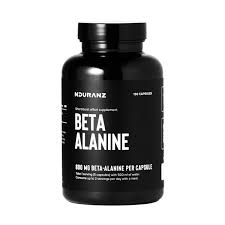
Table of Contents
Alanine is a non-essential amino acid that plays a surprisingly central role in exercise metabolism, even though it rarely features in sports nutrition. Its best-known job is in the glucose–alanine cycle — a shuttle between muscle and the liver that carries nitrogen from muscle to the liver for safe disposal, and supplies the liver with raw material for making glucose during fasting and prolonged exercise. Understanding this cycle helps explain why long exercise sessions use some amino acids for fuel, and why carbohydrate intake reduces that. Alanine is also processed by alanine aminotransferase (ALT), one of the most commonly measured liver enzymes in routine blood tests. One clarification deserves prominence: beta-alanine, the sports supplement used to raise muscle carnosine, is a different molecule from the alanine covered here, with completely different roles in the body.
Classification
- Type: Non-essential amino acid — made easily from pyruvate by alanine aminotransferase (ALT); no dietary deficiency occurs in normal circumstances
- Side chain: A methyl group — alanine is the simplest amino acid that has left- and right-handed forms. Its small, water-avoiding side chain makes it one of the most common amino acids in alpha-helices, the coiled sections of proteins
- Metabolism: Glucogenic — alanine converts directly to pyruvate, which the liver can use to make glucose, or which can be burned for energy
- Abundance in proteins: One of the most common amino acids in proteins — about 7–9% of the amino acid units in a typical protein. Because alanine is a small, light molecule, it makes up less by weight: in USDA data, typically about 4–6% of food protein. Gelatin and collagen (about 9% alanine by weight) and silk proteins are especially rich in it
L-Alanine vs Beta-Alanine — A Critical Distinction
Because beta-alanine is one of the most popular sports supplements, the two names are easily confused:
- L-alanine (alpha-alanine): the standard amino acid, found in dietary protein and built into the body’s proteins; involved in the glucose–alanine cycle; the subject of this page
- Beta-alanine: an isomer in which the amino group sits on a different carbon atom. It isn’t used to build proteins; instead, it’s the limiting building block for carnosine, which buffers acid in muscle — the basis of its use as a performance supplement
L-alanine supplements don’t raise muscle carnosine — only beta-alanine does. When “alanine” is mentioned in the context of muscle buffering and high-intensity performance, it means beta-alanine.
Key Mechanisms
The glucose–alanine cycle (Cahill cycle):
This cycle links muscle and liver metabolism during fasting and prolonged exercise.
In muscle:
- Glycolysis breaks glucose down to pyruvate
- At the same time, the breakdown of amino acids — especially the BCAAs — releases amino groups, which are passed to alpha-ketoglutarate to form glutamate
- ALT transfers the amino group from glutamate to pyruvate:
- Pyruvate + glutamate → alanine + alpha-ketoglutarate
- Alanine is released from muscle into the blood
In the liver:
- ALT runs the reaction in reverse: alanine + alpha-ketoglutarate → pyruvate + glutamate
- The pyruvate is used to make glucose (gluconeogenesis)
- The glucose is released into the blood and can travel back to muscle
- The nitrogen from glutamate is converted into urea and excreted
The cycle does two jobs:
- Nitrogen transport: it carries nitrogen from amino acids broken down in muscle to the liver, in a non-toxic form, for disposal as urea. Alanine and glutamine together carry most of the amino acid nitrogen that leaves muscle
- Glucose supply: it gives the liver raw material for making glucose. When the pyruvate in muscle came from glucose, the cycle mainly recycles glucose carbon while moving nitrogen; when it came from the carbon skeletons of broken-down amino acids, it adds genuinely new glucose — which matters most during prolonged fasting
During long exercise, muscles break down some amino acids for energy — especially the BCAAs — and the nitrogen released has to be exported, mostly as alanine and glutamine. Amino acids still provide only a small share of exercise energy, but this share grows as glycogen runs low.
The role of carbohydrate: when carbohydrate is plentiful, the liver has less need to make new glucose, and muscles rely less on amino acids for fuel. Studies show that eating carbohydrate during prolonged exercise reduces amino acid oxidation, which is one reason carbohydrate intake helps spare protein during long sessions — alongside its main job of providing energy.
Alanine aminotransferase (ALT) — the liver enzyme:
ALT (also called SGPT) moves amino groups between alanine and glutamate:
Alanine + alpha-ketoglutarate ↔ pyruvate + glutamate (ALT; requires vitamin B6 as PLP)
ALT is most concentrated in liver cells, with smaller amounts in muscle, kidney, and heart. When liver cells are damaged — by viral hepatitis, alcohol, fatty liver disease, medicines, or reduced blood supply — ALT leaks into the blood. That’s why ALT is one of the most common liver blood tests, and why a raised ALT prompts investigation of the liver.
Gluconeogenesis and fasting:
Alanine is one of the main amino acids the liver uses to make glucose, while glutamine plays a similar role mainly in the kidneys. During prolonged fasting, muscles continuously release alanine, giving the liver raw material to keep blood glucose up for the brain and other tissues. The liver takes alanine up so efficiently that blood alanine levels actually fall during prolonged fasting — a classic finding of the starvation studies that first described the cycle.
Alanine and glucagon: alanine stimulates the pancreas to release glucagon, the hormone that tells the liver to release and make glucose. This effect has been studied as a way of helping prevent overnight low blood sugar in people with type 1 diabetes.
Protein structure:
Alanine’s small side chain fits neatly into alpha-helices without disrupting them, making it one of the most common amino acids in these coiled regions of proteins. In silk, repeating stretches rich in alanine and glycine pack into tightly ordered regions that give silk its remarkable strength.
Dietary Intake
Alanine has no Recommended Dietary Allowance — it’s non-essential, the body makes it easily from pyruvate, and every protein-containing food provides it.
| Food | Alanine (per 100g) | Alanine (% of protein) |
|---|---|---|
| Turkey breast (roasted) | 1.78g | 6.0% |
| Chicken breast (roasted) | 1.69g | 5.5% |
| Tuna, yellowfin (fresh, cooked) | 1.69g | 5.8% |
| Beef (ground, 80% lean, cooked) | 1.61g | 6.3% |
| Pork chop (broiled) | 1.56g | 5.9% |
| Sardines (canned in oil) | 1.49g | 6.0% |
| Pumpkin seeds* | 1.49g | 4.9% |
| Salmon (Atlantic, farmed, cooked) | 1.34g | 6.0% |
| Parmesan cheese (hard) | 1.05g | 2.9% |
| Peanuts (raw)* | 1.03g | 4.0% |
| Almonds* | 1.00g | 4.7% |
| Tofu (firm) | 0.77g | 4.5% |
| Egg (hard-boiled) | 0.70g | 5.6% |
| Oats (dry) | 0.56g | 4.3% |
| Chickpeas (cooked) | 0.38g | 4.3% |
| Lentils (cooked) | 0.38g | 4.2% |
| Black beans (cooked) | 0.37g | 4.2% |
| White rice (cooked) | 0.16g | 5.8% |
Alanine is spread widely across animal and plant proteins. Meat and fish proteins are about 5.5–6.5% alanine, legumes and grains about 4–6%, and dairy proteins are the lowest, at about 3–4%. Unflavored gelatin is one of the richest sources, at about 8g per 100g. Any diet with enough protein provides plenty of alanine, alongside what the body makes itself.
Helps With
- Maintaining blood glucose during fasting and prolonged exercise, through the glucose–alanine cycle
- Carrying nitrogen from muscle to the liver during exercise and fasting
- Gluconeogenesis — alanine is one of the main amino acids the liver uses to make glucose
- Stimulating glucagon release, which helps keep blood glucose up
- Protein structure, especially in alpha-helices
- Energy — the pyruvate from alanine can be burned for fuel
Alanine for Athletes and Active People
The glucose–alanine cycle makes alanine relevant to how the body handles amino acids and blood glucose during prolonged effort — though there’s nothing athletes need to do about alanine itself.
During prolonged exercise: as sessions extend and glycogen runs low, exercising muscles release more alanine, and the liver takes up more of it to make glucose. Alanine-derived glucose becomes a more important contributor to blood glucose as glycogen falls, although the liver’s main sources of glucose remain glycogen and, among the raw materials for making new glucose, lactate and glycerol. Blood alanine levels during exercise reflect both glycolysis (which supplies the pyruvate) and amino acid breakdown, so they’re not a simple measure of muscle protein breakdown.
Carbohydrate spares protein: the most practical takeaway is that maintaining carbohydrate availability — through adequate pre-exercise glycogen and carbohydrate during long sessions — reduces the body’s reliance on amino acids for fuel and glucose production. That’s one reason, alongside energy supply, that carbohydrate fueling matters during endurance training and competition.
Hard training and liver blood tests: muscle contains some ALT, and the related enzyme AST, so intense training — particularly heavy resistance training or unaccustomed exercise — can raise both on blood tests. In one study, ALT and AST stayed raised for at least a week after a weightlifting session. Creatine kinase (CK), a muscle enzyme, usually rises at the same time, which helps point to muscle rather than the liver. If you have a routine blood test, avoiding unusually hard training for several days beforehand — or telling your doctor about your training — can prevent a false alarm.
L-alanine is not beta-alanine: some athletes try L-alanine as a cheaper substitute for beta-alanine. It won’t work — only beta-alanine combines with histidine to form carnosine. For better buffering during high-intensity efforts, beta-alanine is the compound that has the evidence.
Alanine Deficiency
Alanine deficiency doesn’t occur in healthy people. The body makes alanine continuously from pyruvate, which comes from glucose and many amino acids, and dietary protein adds more. No condition of dietary alanine inadequacy has been described.
Excessive Alanine
No formal upper limit has been set, and there’s little data on very high supplement doses. Alanine from food is safe — the liver readily converts excess alanine into pyruvate for energy or glucose production. Because alanine stimulates glucagon and can affect blood glucose, people with diabetes should discuss any alanine supplements with their doctor. In people with severe liver disease, the liver’s reduced ability to process amino acids, including alanine, can contribute to ammonia build-up and low blood sugar — but this reflects liver failure, not alanine toxicity.
Types and Forms
- L-Alanine (free form): the standard amino acid; rarely supplemented on its own, but sometimes included in amino acid blends.
- L-Alanyl-L-glutamine: a dipeptide of alanine and glutamine, used in intravenous nutrition and some sports products because it delivers glutamine in a more stable, soluble form than glutamine alone.
- Beta-alanine: not L-alanine — the carnosine-building performance supplement, and the “alanine” that matters most in sports nutrition.
- D-Alanine: the mirror-image form, which isn’t used in human proteins. Bacteria use it in their cell walls — the antibiotic vancomycin works by binding to D-alanine units there. D-alanine can also activate NMDA receptors in the brain and has been studied in small trials in schizophrenia. It isn’t a supplement.
Which form for your goal:
| Goal | Best approach |
|---|---|
| Muscle carnosine and buffering | Beta-alanine (not L-alanine) |
| General needs | Dietary protein — all protein foods contain alanine |
| Sparing protein during long sessions | Adequate carbohydrate before and during exercise |
| Stable glutamine delivery | Alanyl-glutamine dipeptide (limited evidence for benefits in healthy athletes) |
How to Ensure Adequacy
No dietary strategy is needed. Any diet with enough protein provides plenty of alanine, and the body makes more from pyruvate whenever it needs it.
The most relevant alanine-related advice for athletes is about carbohydrate during prolonged exercise — not to supply alanine, but to reduce the need to break down amino acids for fuel and glucose production.
Interactions
Pyruvate is alanine’s direct partner through ALT, linking it to glycolysis and glucose production. Vitamin B6 (as PLP) is needed by ALT and the other aminotransferases, including those used by glutamate and aspartate. Glutamate shuttles nitrogen to and from alanine. Carbohydrate intake supplies pyruvate for making alanine, but also reduces the liver’s need for alanine to make glucose. The breakdown of BCAAs (leucine, isoleucine, and valine) in muscle supplies much of the nitrogen that leaves muscle as alanine during exercise.
Synergy
- Works with glutamine as the two main carriers of nitrogen out of muscle during fasting and prolonged exercise, and as key raw materials for glucose production.
- Works alongside carbohydrate — carbohydrate reduces the need for alanine-driven glucose production, while alanine helps fill the gap when carbohydrate runs short.
- Links muscle and liver through the glucose–alanine cycle: glucose to muscle, alanine to the liver, and glucose back again.
- Works with the urea cycle — alanine carries nitrogen to the liver for conversion into urea.
- ALT and AST work together in nitrogen metabolism — AST handles aspartate and oxaloacetate, ALT handles alanine and pyruvate.
Antagonistic Interactions
Severe liver disease impairs the liver’s processing of alanine and its glucose production, which can contribute to low blood sugar in liver failure.
Low carbohydrate availability increases the use of amino acids for fuel and glucose production during prolonged exercise.
Hard training can raise ALT and AST from muscle, which can be mistaken for liver damage on blood tests.
Food values: USDA FoodData Central, SR Legacy — turkey breast, roasted (FDC ID 174516); chicken breast, roasted (171477); yellowfin tuna, cooked (172006); ground beef, 80% lean, cooked (171797); pork top loin chop, broiled (167841); sardines, canned in oil (175139); pumpkin and squash seed kernels, dried (170556)*; Atlantic salmon, farmed, cooked (175168); parmesan, hard (170848); peanuts, raw (172430)*; almonds (170567)*; tofu, firm, calcium-set (172475); egg, hard-boiled (173424); oats, dry (173904); chickpeas, cooked (173757); lentils, cooked (172421); black beans, cooked (173735); white rice, cooked (168878). * SR Legacy values used as fill-ins for the Foundation Foods entries for pumpkin seeds (2515380), peanuts (2515376), and almonds (2346393), whose amino acid data aren’t included in our tracker. Alanine as % of protein is calculated from the same USDA records; the gelatin figure is from USDA SR Legacy data for unflavored gelatin powder.