

Tofu: Nutrition Facts, Health Benefits, and the Critical Calcium Coagulant Story
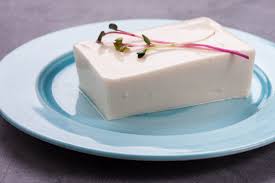
Table of Contents
Tofu is one of the world’s most widely eaten plant-based proteins — a cornerstone of East Asian cuisine for many centuries and now a global staple of vegetarian and vegan nutrition. Per 100g, firm calcium-set tofu provides 144 calories, 17.3g of protein, 53% of daily calcium, 51% of manganese, 42% of copper, 32% of selenium, 15% of iron, 15% of phosphorus, 14% of magnesium, and 14% of zinc, with just 14mg of sodium. It comes with one crucial caveat: tofu varies enormously between products — in water content, and in calcium depending on which coagulant was used — so the label on your block matters more than for almost any other food on this site.
Understanding tofu properly means understanding its production process, the coagulant question, how it compares to tempeh and other plant proteins, and the soy and hormones question that has followed soy foods for decades — answered here with an evidence-based approach.
Tofu Nutrition Facts (per 100g, firm, calcium-set)
| Nutrient | Amount |
|---|---|
| Calories | 144 kcal |
| Protein | 17.3g |
| Fat | 8.7g |
| — Saturated Fat | 1.3g |
| — Monounsaturated Fat | 1.9g |
| — Polyunsaturated Fat | 4.9g |
| — Omega-3 (ALA) | 0.58g |
| Carbohydrates | 2.8g |
| — Fiber | 2.3g |
| Cholesterol | 0mg |
| Sodium | 14mg |
USDA’s figures for firm tofu made with calcium sulfate. This is a dense, low-moisture firm tofu: many packaged supermarket firm and extra-firm tofus contain more water and come in at roughly 75–100 calories and 9–11g of protein per 100g — see the tofu types table below, and check your product’s label.
Tofu Nutrition Facts (per 126g serving — ½ cup, about a third of a typical 400g block)
| Nutrient | Per 126g Serving |
|---|---|
| Calories | 181 kcal |
| Protein | 21.8g |
| Fat | 11.0g |
| Carbohydrates | 3.5g |
| — Fiber | 2.9g |
| Sodium | 18mg |
| Calcium | 861mg (66% DV) |
| Manganese | 1.49mg (65% DV) |
| Copper | 0.48mg (53% DV) |
| Selenium | 21.9µg (40% DV) |
| Phosphorus | 239mg (19% DV) |
| Iron | 3.4mg (19% DV) |
| Magnesium | 73mg (17% DV) |
| Thiamine | 0.20mg (17% DV) |
A ½-cup serving of firm calcium-set tofu provides two-thirds of the daily calcium requirement at 181 calories — making it one of the most efficient non-dairy calcium sources available.
Vitamins in Tofu (per 100g, firm)
| Vitamin | Amount | % Daily Value |
|---|---|---|
| Vitamin B1 (Thiamine) | 0.16mg | 13% |
| Vitamin B2 (Riboflavin) | 0.1mg | 8% |
| Vitamin B3 (Niacin) | 0.38mg | 2% |
| Vitamin B5 (Pantothenic Acid) | 0.13mg | 3% |
| Vitamin B6 | 0.09mg | 5% |
| Vitamin B9 (Folate) | 29µg | 7% |
| Vitamin B12 | 0µg | 0% |
| Vitamin C | 0.2mg | 0% |
| Vitamin D | 0µg | 0% |
USDA’s data for this tofu doesn’t include Vitamins A, E, or K.
Worth noting: Tofu’s vitamin profile is modest by the standards of our collection — thiamine at 13% DV is the strongest contribution, supporting carbohydrate energy metabolism, followed by riboflavin (8% DV) and folate (7% DV). The limited vitamin profile reflects tofu’s production process: the curd carries mainly protein, fat, and minerals, while much of the water-soluble vitamin content stays in the liquid pressed out of it. Tofu is best valued for its minerals and protein rather than its vitamins.
Minerals in Tofu (per 100g, firm, calcium-set)
| Mineral | Amount | % Daily Value |
|---|---|---|
| Calcium | 683mg | 53% |
| Phosphorus | 190mg | 15% |
| Magnesium | 58mg | 14% |
| Potassium | 237mg | 5% |
| Iron | 2.66mg | 15% |
| Zinc | 1.57mg | 14% |
| Selenium | 17.4µg | 32% |
| Copper | 0.38mg | 42% |
| Manganese | 1.18mg | 51% |
Extraordinary standout: Calcium at 53% DV per 100g is genuinely remarkable for a plant protein — far more than milk by weight, and close to cheddar cheese (710mg, or 55% DV, per 100g in USDA’s data) — making calcium-set tofu one of the most calcium-dense non-dairy foods available. This figure depends almost entirely on the coagulant used to make the tofu, as explained below. Manganese (51% DV), copper (42% DV), selenium (32% DV), iron and phosphorus (15% DV each), and magnesium and zinc (14% DV each) round out a genuinely comprehensive mineral profile.
The Coagulant Story: The Most Important Fact About Tofu Nutrition
This is the single most important piece of information on this page — and one of the reasons tofu’s nutritional profile varies so much between products that look identical on the shelf.
How Tofu Is Made
Tofu is made by coagulating warm soy milk in a process closely analogous to cheese-making. Soybeans are soaked, ground with water, and cooked, and the mixture is strained — separating the soy milk from the fibrous pulp, called okara. A coagulant is then added to the warm soy milk, causing its proteins and fats to clump into a soft curd. The curd is pressed in a mold to expel liquid (the soy “whey”) and form the solid block sold as tofu.
The Three Main Coagulants and Their Nutritional Implications
Calcium sulphate (gypsum, CaSO₄) — the traditional Chinese coagulant and the one behind the high calcium figures on this page. The calcium that sets the curd becomes part of the tofu itself, producing the exceptional calcium content described above. This is genuine dietary calcium, and studies have found it is absorbed about as well as the calcium in milk.
Magnesium chloride (nigari) — the traditional Japanese coagulant, which produces smooth tofu with a delicate flavor. It sets the curd with magnesium rather than calcium, so nigari-set tofu has considerably less calcium than calcium sulphate-set tofu.
Glucono delta-lactone (GDL) — an acid coagulant used mainly for the smoothest, most silken textures. It adds no minerals, so this tofu contains only the small amount of calcium that comes from the soybeans themselves.
Why This Matters Practically
In USDA’s data, silken tofu contains around 30mg of calcium per 100g, nigari-set tofus roughly 200–350mg, and calcium sulphate-set tofu 350–680mg. That’s more than a twenty-fold range in one of tofu’s most important nutrients — making products that look the same nutritionally very different. Many products also combine coagulants.
How to tell: check the ingredients list. “Calcium sulphate”, “calcium sulfate”, or “E516” indicates the calcium-rich variety. “Nigari”, “magnesium chloride”, or “E511” indicates magnesium-set tofu. “Glucono delta-lactone”, “GDL”, or “E575” indicates acid-set silken tofu with little calcium. The nutrition label will also show the calcium content directly.
Tofu Types: Silken to Extra-Firm
Beyond the coagulant, tofu varies in how much liquid has been pressed out — which changes its calories and protein per 100g. Examples from USDA’s data:
| Type (per 100g) | Calories | Protein | Calcium | Best Uses |
|---|---|---|---|---|
| Silken, soft | 55 kcal | 4.8g | 31mg (2% DV) | Smoothies, desserts, sauces |
| Silken, firm | 62 kcal | 6.9g | 32mg (2% DV) | Sauces, soups, dressings |
| Regular, calcium-set | 76 kcal | 8.1g | 350mg (27% DV) | Soups, gentle cooking |
| Firm (calcium + nigari) | 78 kcal | 9.0g | 201mg (15% DV) | Stir-fries, baking, scrambles |
| Extra-firm (nigari) | 83 kcal | 10.0g | 282mg (22% DV) | High-heat cooking, marinating, crumbling |
| Firm, calcium-set (this page’s data) | 144 kcal | 17.3g | 683mg (53% DV) | Stir-fries, grilling, baking |
Most packaged supermarket firm and extra-firm tofu falls somewhere between the “firm” and “extra-firm” rows above, at roughly 9–11g of protein per 100g. The firm calcium-set tofu used for the main figures on this page is denser than most — so if your tofu’s label shows lower numbers, that’s normal, and the label is the most accurate guide for the product you buy.
The History of Tofu
Tradition credits the invention of tofu to China during the Han Dynasty, more than 2,000 years ago, though the first clear written records date from around the 10th century CE. By the Song Dynasty it was widely eaten in China, and it spread to Japan (likely around the 8th century, with Buddhist monks), Korea, Vietnam, and eventually around the world with Chinese communities and Buddhist vegetarian cooking traditions.
The resulting tofu keeps soy protein’s full essential amino acid profile, while losing most of the bean’s fiber to the okara and some water-soluble nutrients to the pressed-out whey.
Tofu as a Complete Plant Protein
As a soy-derived product, tofu inherits soybeans’ status as one of the few plant foods providing all nine essential amino acids in proportions that meet human needs — alongside other soy foods such as edamame and tempeh, and pseudo-cereals such as quinoa and buckwheat that are often described as complete.
Soy protein scores around 0.9–1.0 on the PDCAAS protein quality scale — well above most plant proteins such as lentils and wheat, and close to animal proteins such as meat, eggs, and dairy. For plant-based eaters, this means tofu doesn’t need to be paired with a complementary grain or legume to provide high-quality protein — a practical advantage over most other plant proteins.
The Soy and Hormones Question
Soy contains isoflavones — plant compounds structurally similar to oestrogen that can weakly bind to oestrogen receptors. The concern that soy disrupts hormonal balance, reduces testosterone in men, or increases breast cancer risk in women has been extensively studied, and for whole soy foods at typical dietary intakes the research is consistently reassuring:
In men: meta-analyses of clinical trials have found no significant effect of soy protein or isoflavone intake on testosterone, free testosterone, or oestrogen levels.
In women and breast cancer: large prospective cohort studies, particularly in Asian populations where soy intake is much higher than typical Western consumption, find soy consumption associated with neutral to modestly reduced breast cancer risk, and with better outcomes in breast cancer survivors.
The dose and form matter: these reassuring findings apply to whole soy foods (tofu, edamame, tempeh) at typical dietary amounts. Concentrated isoflavone supplements at high doses have been studied less and can’t be assumed to have the same safety profile.
The practical conclusion: regular tofu consumption at normal dietary levels is not associated with meaningful hormonal disruption for the general population. This is one of the most thoroughly studied questions in nutrition, and the evidence is considerably more reassuring than popular concern suggests.
Health Benefits of Tofu
Exceptional Calcium for Bone Health
At 53% DV calcium per 100g of calcium-set tofu — 66% DV per ½-cup serving — tofu is one of the best non-dairy calcium sources available, in a form absorbed about as well as dairy calcium. For people who are lactose intolerant, dairy-free, or simply diversifying their calcium sources, calcium-set tofu is one of the most practical options — just check the label, since lower-calcium tofus provide much less.
High-Quality Plant Protein for Muscle Support
With all 9 essential amino acids and protein quality close to animal sources, tofu provides high-quality protein for muscle protein synthesis — 17.3g per 100g in this dense firm tofu, or roughly 9–11g in typical packaged firm tofu.
Manganese and Copper
At 51% DV manganese and 42% DV copper per 100g, firm tofu is a strong source of both trace minerals — manganese supporting the MnSOD antioxidant enzyme and bone formation, and copper supporting iron metabolism, connective tissue, and energy production.
Selenium for Antioxidant and Thyroid Function
At 32% DV per 100g, selenium supports glutathione peroxidase antioxidant defense and thyroid hormone activation — a meaningful contribution from a plant-based protein source, though selenium in soy foods varies with the soil the beans were grown in.
Iron for Oxygen Transport
At 15% DV per 100g in non-haem form, tofu contributes meaningfully to iron intake. As with all plant iron, pairing tofu with Vitamin C-rich foods at the same meal — tomatoes, peppers, broccoli, or a squeeze of citrus — enhances absorption.
Phosphorus and Magnesium for Bone and Energy
At 15% DV phosphorus and 14% DV magnesium per 100g, tofu supports bone mineralization alongside its calcium, while phosphorus and magnesium both contribute to ATP energy production — the cellular energy currency that every metabolic function depends on.
Heart-Friendly Profile
Tofu is cholesterol-free, very low in sodium (14mg per 100g), low in saturated fat (1.3g per 100g), and its fat is mostly unsaturated (6.9g of monounsaturated and polyunsaturated fat combined per 100g). The FDA authorized a health claim linking soy protein to reduced heart disease risk in 1999, but in 2017 proposed revoking it, citing inconsistent evidence. Current evidence suggests soy protein modestly lowers LDL cholesterol — a smaller benefit than once claimed — while the overall cardiovascular safety of soy foods remains well supported.
Tofu for Athletes and Active People
The Calcium-Rich Plant Protein for Dairy-Free Athletes
For plant-based athletes managing bone health without dairy, calcium-set tofu is one of the most practical whole-food calcium strategies available — delivering bone-relevant calcium alongside high-quality protein in the same food.
Complete Protein Without Combining Requirements
As a soy food, tofu provides a complete amino acid profile without needing to be paired with a grain or other legume — making it more flexible for meal planning than most plant proteins.
Selenium for Training Recovery
At 32% DV per 100g, selenium supports the glutathione peroxidase antioxidant defenses that help manage exercise-induced oxidative stress.
Iron for Endurance Athletes
At 15% DV per 100g in non-haem form, tofu contributes to the iron status that determines oxygen-carrying capacity. Plant-based endurance athletes with higher iron needs particularly benefit from regularly including plant iron sources like tofu alongside Vitamin C-rich foods.
Cooking Tofu: Getting the Best Results
Tofu’s mild, neutral flavor is often criticized as bland — but this neutrality is actually its greatest culinary strength, as it takes on the flavors of whatever it’s cooked with. The most common mistake with tofu is not pressing it before cooking.
Pressing: The Single Most Important Step
Firm and extra-firm tofu contain substantial water that is best removed before cooking. Unpressed tofu releases this water in the pan, producing steamed rather than seared results, with poorer texture and less flavor absorption.
How to press: wrap the block in a clean kitchen towel or paper towels, place it on a plate, and set a heavy pan or weight on top for 20–30 minutes. Alternatively, an inexpensive tofu press simplifies this step. Extra-firm and super-firm tofu need less pressing than softer types.
Freezing changes texture: freezing tofu and then thawing it before pressing creates a more porous, sponge-like texture that absorbs marinades far more effectively and gives a chewier, more meat-like result — ideal for dishes where marinade penetration and texture are priorities.
Cooking Methods by Texture Goal
Pan-frying — pressed, cubed tofu fried in a hot pan with a small amount of oil until golden and crispy on the outside. The most common method, with excellent texture contrast.
Baking — pressed tofu cubed or sliced, tossed with marinade, and baked at 200°C for 25–30 minutes, flipping halfway. Produces an evenly crisp exterior with little added oil.
Air frying — pressed, cubed tofu in an air fryer becomes exceptionally crisp with minimal oil and effort.
Scrambling — firm or medium-firm tofu crumbled and cooked with turmeric, black salt (kala namak, which gives an egg-like sulphurous flavor), vegetables, and spices makes a convincing scrambled egg substitute that is quick and practical.
Silken tofu in sauces and smoothies — silken tofu blended into sauces, smoothies, or soups adds protein and a creamy texture with no preparation needed.
Practical Ways to Include Tofu in Your Diet
Crispy baked tofu on grain bowls — one of the most popular plant-based bowls; marinated, baked tofu served over rice or quinoa with vegetables.
Stir-fried with vegetables and sauce — a fast, high-protein weeknight dinner; extra-firm tofu holds up well to high-heat wok cooking.
Scrambled tofu breakfast — crumbled firm tofu with turmeric, black salt, vegetables, and nutritional yeast as an egg alternative.
In miso soup — cubes of silken or soft tofu in dashi and miso broth are one of the simplest and most traditional ways to eat tofu, requiring no cooking skill.
Blended into smoothies — silken tofu blended with fruit and plant milk adds protein and a creamy texture to any smoothie with minimal flavor impact.
In curries and stews — firm tofu cubed and added to any curry absorbs the sauce and adds protein and substance.
As a cheese alternative in baked dishes — firm tofu blended with lemon, nutritional yeast, and herbs makes a ricotta-like filling for pasta dishes, lasagne, or stuffed vegetables.
Potential Considerations
Check the label — tofu’s calories, protein, and especially calcium vary widely between products; check the coagulant in the ingredients and the nutrition label if calcium or protein specifically matters to you.
Soy allergy — soy is one of the major recognized food allergens; tofu must be completely avoided by people with soy allergy.
Soy and thyroid — at very high intakes in the context of iodine deficiency, soy may affect thyroid function; this is not a meaningful concern for people with adequate iodine and normal thyroid function eating tofu in normal amounts. Soy can reduce the absorption of thyroid medication (levothyroxine), so people taking it should take it apart from soy foods and discuss soy intake with their doctor.
B12 — tofu contains no B12; plant-based eaters need a B12 supplement or fortified foods regardless of tofu intake.
Antinutrients — tofu keeps more of soybeans’ phytic acid than fermented tempeh does, which modestly reduces the absorption of iron and zinc. Studies have nonetheless found the calcium in calcium-set tofu to be absorbed about as well as the calcium in milk.
Non-haem iron absorption — pair tofu with Vitamin C-rich foods for the best iron absorption.
Nutrient data: USDA FoodData Central, SR Legacy — tofu, raw, firm, prepared with calcium sulfate (FDC ID 172475). Tofu types from SR Legacy (FDC IDs 174292, 172461, 172476, 172448, 174290); cheddar from FDC ID 173414. % Daily Values use the FDA’s current Daily Values.