

Tempeh: Nutrition Facts, Health Benefits, and Why Fermentation Makes This the Most Nutritionally Superior Plant Protein
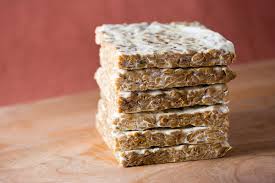
Table of Contents
Tempeh is one of the most remarkable plant-based foods available — and one of the most underappreciated in Western markets, where tofu gets far more attention despite tempeh outperforming it on several nutritional measures. Per 100g, tempeh provides 20.3g of protein, 62% of daily copper, 57% of manganese, 28% of riboflavin, 21% of phosphorus, 19% of magnesium, 17% of niacin, and 15% of iron at 192 calories — alongside a fermentation process that improves the digestibility of its soybean base and reduces the antinutrients that limit mineral absorption.
Understanding tempeh requires understanding what fermentation does to a food — because the Rhizopus mold that creates tempeh doesn’t just change the flavor and texture, it changes the nutritional character of the beans it grows through.
Tempeh Nutrition Facts (per 100g)
| Nutrient | Amount |
|---|---|
| Calories | 192 kcal |
| Protein | 20.3g |
| Fat | 10.8g |
| — Saturated Fat | 2.5g |
| — Monounsaturated Fat | 3.2g |
| — Polyunsaturated Fat | 4.3g |
| — Omega-3 (ALA) | 0.25g |
| Carbohydrates | 7.6g |
| Cholesterol | 0mg |
| Sodium | 9mg |
USDA’s figures for tempeh as sold. USDA’s data doesn’t include a fiber value for tempeh — because it’s made from whole soybeans, it keeps the bean’s fiber, and product labels typically list several grams per 100g.
Tempeh at a Glance (per 100g serving)
Tempeh is often eaten in portions of around 100g as the main protein of a meal:
| Nutrient | Per 100g Serving |
|---|---|
| Calories | 192 kcal |
| Protein | 20.3g |
| Fat | 10.8g |
| Carbohydrates | 7.6g |
| Sodium | 9mg |
| Copper | 0.56mg (62% DV) |
| Manganese | 1.3mg (57% DV) |
| Riboflavin | 0.36mg (28% DV) |
| Phosphorus | 266mg (21% DV) |
| Magnesium | 81mg (19% DV) |
| Niacin | 2.64mg (17% DV) |
| Iron | 2.7mg (15% DV) |
| Vitamin B6 | 0.22mg (13% DV) |
Vitamins in Tempeh (per 100g)
| Vitamin | Amount | % Daily Value |
|---|---|---|
| Vitamin A (RAE) | 0µg | 0% |
| Vitamin B1 (Thiamine) | 0.08mg | 7% |
| Vitamin B2 (Riboflavin) | 0.36mg | 28% |
| Vitamin B3 (Niacin) | 2.64mg | 17% |
| Vitamin B5 (Pantothenic Acid) | 0.28mg | 6% |
| Vitamin B6 | 0.22mg | 13% |
| Vitamin B9 (Folate) | 24µg | 6% |
| Vitamin B12 | 0.08µg | 3% |
| Vitamin C | 0mg | 0% |
| Vitamin D | 0µg | 0% |
USDA’s data for tempeh doesn’t include Vitamin E or Vitamin K.
Standout: Tempeh’s riboflavin content (28% DV per 100g) is genuinely impressive for a plant protein — several times the 8% DV of firm tofu. Studies of tempeh fermentation have found that Rhizopus increases the beans’ riboflavin, niacin, and B6, enriching the food beyond its unfermented starting point. Riboflavin supports the FAD and FMN coenzymes central to the electron transport chain and cellular energy production, and niacin (17% DV) and B6 (13% DV) add to a useful B vitamin profile.
Minerals in Tempeh (per 100g)
| Mineral | Amount | % Daily Value |
|---|---|---|
| Calcium | 111mg | 9% |
| Phosphorus | 266mg | 21% |
| Magnesium | 81mg | 19% |
| Potassium | 412mg | 9% |
| Iron | 2.7mg | 15% |
| Zinc | 1.14mg | 10% |
| Copper | 0.56mg | 62% |
| Manganese | 1.3mg | 57% |
USDA’s data lists no selenium for tempeh; the selenium in soy foods varies with the soil the beans were grown in.
Multiple standouts: Copper at 62% DV and manganese at 57% DV are excellent figures for a protein food — tempeh is one of the best copper and manganese sources among plant proteins, though nuts, seeds, and spirulina carry more per 100g. Copper is essential for ceruloplasmin-mediated iron metabolism, lysyl oxidase-driven collagen synthesis, and cytochrome c oxidase in mitochondrial energy production. Manganese supports bone matrix formation and the MnSOD mitochondrial antioxidant enzyme. Phosphorus at 21% DV, magnesium at 19% DV, and iron at 15% DV round out a mineral profile that is unusually rich for a protein food.
What Tempeh Is: The Fermentation Biology
Tempeh is a fermented soy food from Indonesia — written records of it go back to at least the early 1800s, and it was likely made for a long time before that — and it remains a staple protein food across Indonesia and neighboring countries. Understanding how it’s made helps explain its distinctive nutritional properties.
The Production Process
Whole soybeans are dehulled, cooked, slightly acidified (to discourage unwanted bacteria), and inoculated with spores of Rhizopus oligosporus or Rhizopus oryzae — molds from the order Mucorales. The inoculated beans are then incubated at around 30–32°C for 24–48 hours, during which the white Rhizopus mycelium grows through the beans, binding them into a firm, compact cake with a pleasant, nutty, mushroom-like aroma.
The resulting block — tempeh — is different from the beans it was made from, not just in texture but in biochemistry.
What Makes Tempeh Nutritionally Distinct From Soybeans and Tofu
Fermentation by Rhizopus molds changes tempeh’s nutritional profile in several well-documented ways:
Phytic acid reduction — soybeans, like most legumes, contain phytic acid that binds minerals and reduces their absorption. Rhizopus produces phytase, an enzyme that breaks phytic acid down during fermentation — reducing this antinutrient and improving the absorption of the iron, zinc, calcium, and other minerals present.
Trypsin inhibitors — raw soybeans contain trypsin inhibitors that reduce protein digestibility by blocking the digestive enzyme trypsin. Cooking the beans before fermentation destroys most of them, and fermentation reduces them further.
Protein pre-digestion — Rhizopus enzymes partially break soy proteins down into smaller peptides and amino acids during fermentation, which may make tempeh easier to digest and less likely to cause the bloating some people experience with whole soybeans.
Vitamin changes — as noted above, fermentation increases riboflavin, niacin, and B6. Tempeh can also pick up small amounts of B12 from bacteria present during fermentation — USDA’s figure is just 0.08µg per 100g (3% DV) — so tempeh can’t be relied on as a B12 source.
Tempeh vs Tofu: The Direct Comparison
This is the most practically relevant comparison for anyone exploring plant-based proteins:
| Nutrient (100g) | Tempeh | Tofu (firm) | Winner |
|---|---|---|---|
| Calories | 192 kcal | 144 kcal | Tofu (lower calorie) |
| Protein | 20.3g | 17.3g | Tempeh (slightly more) |
| Fat | 10.8g | 8.7g | Tofu (lower fat) |
| Calcium | 9% DV | 53% DV | Tofu (calcium-set) |
| Copper | 62% DV | 42% DV | Tempeh |
| Manganese | 57% DV | 51% DV | Similar |
| Iron | 15% DV | 15% DV | Equal |
| Riboflavin | 28% DV | 8% DV | Tempeh |
| Phytic acid | Lower (fermentation reduces it) | Higher | Tempeh |
| Texture | Firm, meaty, can be sliced or crumbled | Soft to firm depending on type | Context-dependent |
| Flavor | Nutty, earthy, distinct | Mild, neutral | Context-dependent |
| Sodium | 9mg | 14mg | Both very low |
Firm tofu figures are USDA’s for firm tofu set with calcium sulfate. Tofu varies widely — soft and silken tofu are lower in protein and calories, and tofu set without calcium salts contains far less calcium.
The comparison is closer than it’s often presented. Tempeh leads on copper, riboflavin, and lower phytic acid, and edges firm tofu on protein; it also keeps the whole soybean’s fiber, whereas much of the fiber is removed with the pulp (okara) when tofu is made. Calcium-set tofu leads clearly on calcium, is lower in calories and fat, and has a milder flavor that some find more versatile. Both are excellent soy proteins — the best choice depends on what you need from a meal.
The Probiotic Question: What Tempeh Actually Contains
The word “probiotic” appears frequently in tempeh marketing and deserves careful, accurate treatment.
What Traditional Tempeh Contains
During the 24–48 hour fermentation, live Rhizopus mold is genuinely present and active. Some traditional preparations also support populations of lactic acid bacteria and other microbes as secondary organisms. These organisms are what create the nutritional changes described above.
What Commercial Tempeh Typically Contains by the Time You Eat It
Commercial tempeh is usually pasteurized before packaging, which kills the live mold, and tempeh is almost always cooked before eating. Even fresh, unpasteurized tempeh contains mainly Rhizopus mold rather than the bacterial strains (such as Lactobacillus) that make up most researched probiotics, and the mold isn’t recognized as a probiotic.
The honest summary: tempeh’s real benefit from fermentation lies in the improvements to its digestibility and mineral availability — rather than in delivering live probiotic organisms to the gut the way a live-culture yogurt or kefir can. Tempeh is a fermented food with genuinely useful nutritional properties; calling it “a probiotic food” overstates that specific dimension.
Health Benefits of Tempeh
High-Quality, Easy-to-Digest Soy Protein
At 20.3g of protein per 100g, tempeh provides soy protein — which contains all 9 essential amino acids and scores well on protein quality measures — in a form that fermentation has made easier to digest, with fewer of the compounds that interfere with protein digestion.
Excellent Copper for Iron Metabolism and Connective Tissue
At 62% DV per 100g, tempeh is one of the best copper sources among protein foods, alongside foods like cashews and spirulina, which contain even more. Copper-dependent ceruloplasmin is required for iron to be mobilized from storage and used to make haemoglobin — making tempeh’s copper relevant to using its own 15% DV iron and any other iron in the diet.
Outstanding Manganese for Bone and Mitochondrial Health
At 57% DV per 100g, tempeh is a very good manganese source, supporting MnSOD mitochondrial antioxidant activity and the bone matrix enzymes needed for healthy cartilage and bone formation.
Phosphorus and Magnesium for Energy
At 21% DV phosphorus and 19% DV magnesium per 100g, tempeh supports both the mineral foundation of bone and the ATP-based energy systems that every cell depends on — making it a genuinely mineral-rich food beyond its protein role.
Riboflavin From Fermentation
The 28% DV riboflavin — boosted by Rhizopus fermentation — supports FAD and FMN coenzymes central to the electron transport chain and the energy metabolism of every metabolically active cell.
Whole-Bean Fiber for Gut Health
Because tempeh is made from whole soybeans, it keeps the fiber that’s largely removed when tofu is made. That fiber supports bowel regularity, gut microbiome diversity, and the short-chain fatty acid production that maintains colonic health.
Better Mineral Absorption From Phytase Activity
As detailed above, fermentation reduces tempeh’s phytic acid, so more of its iron, zinc, calcium, and magnesium can be absorbed than from the same amounts in unfermented soybeans — making tempeh’s mineral contributions more useful than the numbers alone suggest.
Cardiovascular Profile
With just 9mg of sodium per 100g, no cholesterol, 2.5g of saturated fat, and a fat profile dominated by unsaturated fats, tempeh has a very clean cardiovascular baseline. As covered on the edamame page, soy protein modestly lowers LDL cholesterol in clinical trials, and the evidence on soy isoflavones is reassuring for whole soy foods eaten at normal amounts.
Tempeh for Athletes and Active People
One of the Best Whole-Food Plant Proteins for Muscle Building
At 20.3g of protein per 100g from soy — one of the highest-quality plant proteins — with the digestibility benefits of fermentation, tempeh is one of the best whole-food plant proteins available for plant-based athletes targeting muscle protein synthesis.
Copper and Iron for Oxygen Transport
The combination of 62% DV copper and 15% DV iron in the same food is a useful pairing — copper supports the ceruloplasmin needed to use iron for haemoglobin. For plant-based endurance athletes managing iron status without haem iron sources, tempeh provides both, and the Vitamin C from accompanying vegetables further enhances absorption.
Manganese for Mitochondrial Antioxidant Defense
At 57% DV per 100g, tempeh’s manganese supports MnSOD — the mitochondrial superoxide dismutase that is one of the main defences against the free radicals produced by aerobic energy metabolism, which runs at high rates during training.
Magnesium for Training Demands
At 19% DV per 100g, tempeh contributes to the magnesium that athletes lose through sweat, supporting ATP production and muscle contraction and relaxation.
Versatile, Filling, and Practical for Daily Targets
Tempeh’s firm texture makes it one of the most versatile and satisfying plant proteins for meal preparation — it absorbs marinades, develops a crust when pan-fried, holds together in stews, and can be crumbled as a ground-meat substitute. Its combination of protein and whole-bean fiber produces strong satiety, helping manage hunger during both muscle-building and fat-loss phases.
Indonesian Tempeh and Traditional Preparations
Tempeh originated on the island of Java, Indonesia, where it remains an everyday staple food eaten across all levels of society. It appears in Javanese writings from the early 1800s, and food historians believe it was being made well before then.
Traditional Indonesian tempeh dishes include:
Tempeh goreng — sliced tempeh pan-fried or deep-fried until golden and crispy, often marinated with garlic, coriander, and other spices before frying.
Tempeh bacem — tempeh simmered in palm sugar, soy sauce, and spices until the sweet-savory glaze penetrates each piece, then often fried; a characteristically Javanese preparation.
Tempeh in sambal — crumbled or sliced tempeh cooked with chilli sambal, creating a protein-rich, intensely flavored dish eaten with rice.
Tempeh mendoan — thin slices of tempeh dipped in a spiced flour batter and briefly fried, a traditional snack from Central Java.
Beyond Indonesia, tempeh features in Malaysian and other Southeast Asian cooking, and has been adopted worldwide as a versatile plant-based protein in vegan and vegetarian cooking since the 1970s.
Practical Ways to Include Tempeh in Your Diet
Pan-fried with marinade — marinating in soy sauce, rice vinegar, garlic, and ginger for 20–30 minutes, then pan-frying in a small amount of oil, produces a savory, umami-rich, golden-crusted protein that works as a meat substitute in any dish.
Crumbled as a ground meat substitute — tempeh crumbled and cooked with onion, garlic, and spices works as an excellent substitute for ground beef or turkey in bolognese, chilli, tacos, or stuffed peppers.
Baked or grilled — marinated slices baked at 200°C or grilled develop excellent texture and flavor, particularly well suited to Buddha bowls and grain-based dishes.
In stir-fries — cubed tempeh added to vegetable stir-fries absorbs the sauce, keeps its texture, and provides the protein component.
In sandwiches and wraps — sliced and pan-fried tempeh works well as a sandwich filling, particularly with avocado, sprouts, and a tangy sauce.
In curries and stews — tempeh holds its texture through longer cooking and absorbs surrounding flavors well.
Steaming before cooking — steaming tempeh for about 10 minutes before marinating or frying softens it slightly, improves marinade absorption, and reduces the slight bitterness some commercial tempeh has.
Potential Considerations
Soy allergy — tempeh is made from soybeans and must be completely avoided by people with soy allergy, which can cause severe reactions. Soy is one of the major recognized food allergens.
Soy and thyroid function — the considerations discussed on the edamame page apply to tempeh. At normal dietary intake, soy is not a concern for people with normal thyroid function and adequate iodine. Soy can reduce the absorption of thyroid medication (levothyroxine), so people taking it should take it apart from soy foods and discuss soy intake with their doctor.
B12 — tempeh provides at most trace amounts of B12; plant-based eaters must not rely on tempeh as a B12 source and need a supplement or fortified foods.
Commercial tempeh bitterness — some commercial tempeh has a slightly bitter flavor, often from ammonia produced as fermentation continues. Steaming before use, marinating, or choosing fresher tempeh (Asian grocery stores often sell fresher product) helps.
Sodium in marinated products — plain tempeh has just 9mg sodium per 100g, but pre-marinated commercial products can carry significantly more. Check labels if monitoring sodium.
Nutrient data: USDA FoodData Central, SR Legacy — tempeh (FDC ID 174272); firm tofu comparison from SR Legacy (FDC ID 172475). % Daily Values use the FDA’s current Daily Values.