

Tryptophan
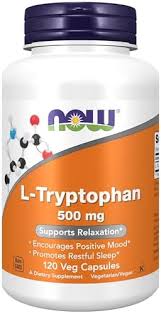
Table of Contents
Tryptophan is an essential amino acid with the largest side chain of any standard amino acid — an indole ring, made of a benzene ring fused to a five-membered nitrogen-containing ring. It’s the least abundant essential amino acid in most food proteins, yet it’s the body’s only raw material for making serotonin and melatonin, and it can also be converted into niacin (vitamin B3). Through these compounds, tryptophan is linked to mood, sleep, appetite, gut function, circadian rhythm, and immunity. Researchers have even manipulated dietary tryptophan to study depression, sleep, fatigue, and the gut-brain axis. For most people, though, the practical message is simple: a normal diet provides plenty of tryptophan, and its effects on mood and sleep depend on much more than how much you eat.
Classification
- Type: Essential amino acid (EAA) — can’t be made by the body; must come from the diet
- Side chain: An indole ring — the largest side chain of the standard amino acids. Tryptophan is one of the aromatic amino acids, along with tyrosine and phenylalanine
- Metabolism: Both glucogenic and ketogenic — its breakdown produces alanine, which can be used to make glucose, and acetyl-CoA, which can be used for energy or ketones
- Abundance in protein: The least abundant essential amino acid in most food proteins — in USDA data, usually about 1–1.4% of protein. That’s why its requirement is so much smaller in absolute terms than those of other essential amino acids.
Key Mechanisms
Where tryptophan goes:
Most tryptophan is used to build proteins. Of the rest, about 90–95% is broken down through the kynurenine pathway — mainly in the liver — and only a few percent is used to make serotonin. Small as that share is, it’s essential, because serotonin and melatonin can only be made from tryptophan.
Serotonin production:
To make serotonin in the brain, tryptophan first has to cross the blood-brain barrier, using the large neutral amino acid transporter (LAT1). Inside the brain:
- Tryptophan hydroxylase (TPH2 in the brain), which needs tetrahydrobiopterin as a cofactor, converts tryptophan into 5-hydroxytryptophan (5-HTP) — the rate-limiting step
- Aromatic L-amino acid decarboxylase (AADC), which needs vitamin B6 (as PLP), converts 5-HTP into serotonin (5-hydroxytryptamine, 5-HT)
Brain serotonin influences mood, anxiety, appetite, impulse control, and sleep. SSRI antidepressants work by increasing serotonin signalling, although the old idea that depression is simply caused by “low serotonin” is now considered too simple — a 2022 review found no consistent evidence for it, even though antidepressants help many people. Serotonin is also the starting material for melatonin, which links tryptophan, mood, and sleep.
An important distinction: serotonin can’t cross the blood-brain barrier, so the brain has to make its own from tryptophan. The serotonin made in the gut is a separate system with different jobs.
Melatonin production:
In the pineal gland, mainly at night in response to darkness:
- Serotonin → N-acetylserotonin (via the enzyme AANAT)
- N-acetylserotonin → melatonin (via the enzyme ASMT, which uses SAM as a methyl donor)
Melatonin’s main role is signalling darkness to the body’s clock — it helps time the circadian rhythm and sleep onset, rather than acting as a direct sleeping pill. It also has antioxidant properties in laboratory studies, and it’s produced in other tissues too, including the gut and the retina.
Niacin production via the kynurenine pathway:
The kynurenine pathway can convert tryptophan into niacin — about 60mg of tryptophan yields 1mg of niacin, which is why niacin requirements are expressed as “niacin equivalents.” In the liver, the pathway’s first enzyme is tryptophan 2,3-dioxygenase (TDO). Elsewhere in the body, a different enzyme, indoleamine 2,3-dioxygenase (IDO), does the same job and is switched on by the immune system.
The kynurenine pathway — inflammation and mood:
The kynurenine pathway also produces compounds that act on the brain:
- Kynurenic acid: blocks NMDA receptors and is thought to be neuroprotective
- Quinolinic acid: activates NMDA receptors and can be toxic to nerve cells at high levels; it has been linked with depression and brain inflammation
IDO is strongly switched on by inflammatory signals, particularly interferon-gamma. When the immune system is activated, more tryptophan is pushed down the kynurenine pathway, which may reduce the amount available for serotonin and increase quinolinic acid. The “kynurenine hypothesis” proposes that this is one way chronic inflammation contributes to depression. It’s supported by research — for example, in people who develop depression during interferon treatment — but it’s still a hypothesis rather than an established cause of everyday depression.
Competition for brain entry:
Tryptophan shares the LAT1 transporter into the brain with the three BCAAs (leucine, isoleucine, and valine) and with tyrosine and phenylalanine. So the amount of tryptophan reaching the brain depends on its ratio to these competing amino acids in the blood, not just on its own level.
In theory, diet can shift this ratio:
- Carbohydrate-rich, very low-protein meals: insulin drives the competing amino acids into muscle, raising tryptophan’s share and its entry into the brain
- Protein-rich meals: tryptophan rises, but the competing amino acids rise even more, so tryptophan’s share doesn’t improve
In practice, the carbohydrate effect only works when a meal contains very little protein — studies suggest that the protein in most ordinary meals is enough to block it. So while this mechanism is real, it doesn’t explain why most carbohydrate-rich meals feel comforting, and it’s a weak lever for improving mood. The same competition is the basis of the “central fatigue” hypothesis covered on our valine page.
Gut serotonin:
About 90% of the body’s serotonin is made not in the brain but by enterochromaffin cells in the gut lining. There, it regulates the muscle contractions that move food through the gut, signals to the brain through the vagus nerve (contributing to feelings of fullness and nausea), and is taken up and stored by platelets, which release it during blood clotting. This is why SSRIs often cause digestive side effects, and why serotonin signalling is a target in irritable bowel syndrome treatment.
Recommended Intake
| Group | Estimated Requirement |
|---|---|
| Adults — US recommendation (RDA) | 5mg per kg of body weight per day (about 350mg a day for a 70kg person) |
| Adults — World Health Organization estimate | 4mg per kg per day (about 280mg a day for a 70kg person) |
| Typical intake | US adults average roughly 0.8–1g a day — well above the requirement |
| Sleep (supplements) | Studies have mostly used 1g or more of L-tryptophan, with modest effects |
Tryptophan has the lowest requirement of all the essential amino acids, and typical diets provide two to three times the RDA. Eating more tryptophan-rich food has little effect on brain serotonin at usual intakes, because the competing amino acids in protein foods rise too.
Found In (per 100g)
| Food | Tryptophan | Tryptophan (% of protein) |
|---|---|---|
| Spirulina (dried) | 0.93g | 1.6% |
| Pumpkin seeds* | 0.58g | 1.9% |
| Parmesan cheese (hard) | 0.48g | 1.3% |
| Turkey breast (roasted) | 0.36g | 1.2% |
| Chicken breast (roasted) | 0.36g | 1.2% |
| Cheddar cheese* | 0.32g | 1.3% |
| Tuna, yellowfin (fresh, cooked) | 0.31g | 1.1% |
| Pork chop (broiled) | 0.28g | 1.1% |
| Sardines (canned in oil) | 0.28g | 1.1% |
| Peanuts (raw)* | 0.25g | 1.0% |
| Salmon (Atlantic, farmed, cooked) | 0.25g | 1.1% |
| Tofu (firm) | 0.24g | 1.4% |
| Oats (dry) | 0.18g | 1.4% |
| Egg (hard-boiled) | 0.15g | 1.2% |
| Cottage cheese (low-fat)* | 0.14g | 1.3% |
| Beef (ground, 80% lean, cooked) | 0.13g | 0.5% |
| Black beans (cooked) | 0.11g | 1.2% |
| Chickpeas (cooked) | 0.09g | 1.0% |
| Lentils (cooked) | 0.08g | 0.9% |
| White rice (cooked) | 0.03g | 1.2% |
| Banana* | 0.01g | 0.8% |
Debunking the turkey myth: turkey doesn’t contain unusually high tryptophan — in USDA data, roasted turkey breast and roasted chicken breast contain almost exactly the same amount. And because turkey is a protein-rich food, the competing amino acids it supplies limit how much of its tryptophan reaches the brain anyway. Post-holiday-meal drowsiness is better explained by the size of the meal, alcohol, and a long afternoon on the sofa.
Seeds and spirulina are among the most concentrated sources by weight, while legumes are relatively low in tryptophan as a share of their protein. Alpha-lactalbumin, a whey protein fraction, is unusually rich in tryptophan compared with competing amino acids, and has been used in research to raise brain tryptophan — with some studies finding small improvements in mood under stress and in sleep quality.
Helps With
- Making serotonin, which influences mood, appetite, and impulse control
- Making melatonin, which helps time sleep and the circadian rhythm
- Producing niacin (vitamin B3) through the kynurenine pathway
- Gut function, through serotonin made in the gut lining
- Immune regulation — kynurenine pathway products help control immune responses
- Blood clotting — platelets store serotonin and release it during clotting
- Possibly sleep quality — supplements of 1g or more have shown modest benefits in some small studies
Tryptophan for Athletes and Active People
Tryptophan’s relevance for athletes lies mainly in sleep and mood — though for most athletes, sleep habits and training load matter far more than tryptophan intake.
Central fatigue: as explained on our valine page, during long endurance exercise, falling blood BCAAs and rising free tryptophan may allow more tryptophan into the brain, increasing serotonin and possibly the sense of fatigue. The theory is plausible, but BCAA supplements haven’t reliably improved endurance performance, and studies of tryptophan supplements before exercise have produced inconsistent results. There’s no reason to take tryptophan before endurance events — carbohydrate during long sessions is the proven strategy.
Sleep and recovery: sleep is one of the most powerful recovery tools available — growth hormone release peaks during deep sleep, and sleep loss impairs performance, mood, and injury resistance. Tryptophan is the raw material for melatonin, but a normal diet already provides plenty, so extra tryptophan is unlikely to help most athletes sleep better. Consistent sleep and wake times, a dark and cool bedroom, limiting caffeine later in the day, and managing evening training and screen time are the foundations.
Mood during heavy training: high training loads can cause mood disturbances — low motivation, irritability, and low mood — which are early warning signs of overreaching and overtraining. Changes in serotonin signalling, possibly linked to inflammation and poor sleep, have been proposed as one contributor. The solution is managing training load, sleep, and total energy intake — not tryptophan supplements.
Melatonin for travel and schedule changes: melatonin supplements are well supported for jet lag, and can help with shifting the body clock when training or competition schedules disrupt sleep timing. Doses of 0.5–5mg are typical, and low doses often work as well as higher ones. Melatonin helps shift the body clock rather than acting as a sedative. Rules vary by country — in the UK and much of Europe, melatonin is prescription-only or limited to low-dose products — and the actual melatonin content of some supplements has been found to differ widely from their labels. Talk to a doctor or sports physician, especially before using it regularly.
Tryptophan Deficiency
Tryptophan deficiency is uncommon in people eating varied diets. It’s more likely in:
- Populations relying heavily on maize (corn) — maize protein is low in tryptophan, and the niacin in untreated maize is mostly bound in a form the body can’t use. Together, these caused pellagra in maize-dependent populations. Traditional nixtamalization — cooking maize with lime (calcium hydroxide), as in tortilla making — releases the bound niacin and helps prevent it.
- Hartnup disease: a rare inherited disorder of the transporter that absorbs neutral amino acids, including tryptophan, from the gut and reclaims them in the kidneys. Tryptophan is lost in the urine, and some people develop pellagra-like symptoms — skin rash, unsteady walking, and neurological problems — despite a normal diet. It’s treated with niacin and a high-protein diet.
- Severe protein-energy malnutrition
- Very restrictive diets low in protein
Chronic inflammation doesn’t cause tryptophan deficiency as such, but it diverts more tryptophan into the kynurenine pathway, which may affect serotonin production.
Effects of low tryptophan:
- Lower mood — in “tryptophan depletion” experiments, which temporarily lower brain tryptophan, mood drops in people with a history of depression or a family history of it, but changes little in most healthy people
- Pellagra-like symptoms (skin rash, diarrhea, and confusion) when niacin intake is also low
- Poor growth, muscle loss, and other effects of inadequate protein
Excessive Doses of Tryptophan
No formal Tolerable Upper Intake Level has been established. Tryptophan from food is safe, and moderate supplement doses are generally well tolerated.
The 1989 EMS outbreak: in 1989, an outbreak of eosinophilia-myalgia syndrome (EMS) — severe muscle pain, a very high count of eosinophil white blood cells, and in some cases fatal organ damage — was linked to L-tryptophan supplements. In the US alone, there were more than 1,500 cases and at least 37 deaths. The cause was traced to contaminants in supplements from a single Japanese manufacturer (Showa Denko), which had changed its fermentation and purification processes — not to tryptophan itself. The US restricted L-tryptophan sales from 1990 until 2005, and 5-HTP supplements grew in popularity during that time. The episode remains a powerful reminder of why supplement manufacturing quality matters.
Serotonin syndrome: tryptophan or 5-HTP supplements combined with medicines that raise serotonin — SSRIs, SNRIs, MAO inhibitors, tramadol, triptans, linezolid, or St John’s wort — can contribute to serotonin syndrome, a potentially life-threatening condition with agitation, tremor, fever, a racing heart, and in severe cases dangerously high body temperature. Tryptophan from food isn’t a concern, but anyone taking these medicines shouldn’t take tryptophan or 5-HTP supplements unless their doctor approves.
Other effects at high supplemental doses:
- Drowsiness — useful at bedtime, but a problem during the day
- Nausea — the most common side effect
- Possibly more kynurenine pathway products, such as quinolinic acid, at very high long-term doses — a theoretical concern
5-HTP vs L-tryptophan: 5-HTP carries a higher risk of serotonin syndrome than L-tryptophan, because it bypasses the tightly regulated first step of serotonin production and is converted to serotonin throughout the body, not just in the brain.
Types and Forms
- L-Tryptophan: the standard supplement form. It has to be converted to 5-HTP and then serotonin, and the first step is tightly regulated, giving it a wider safety margin than 5-HTP. Some studies suggest 1g or more can modestly improve sleep, but evidence for mood and anxiety is limited — a Cochrane review found too few good-quality trials to judge its effect on depression.
- 5-HTP (5-hydroxytryptophan): extracted from the seeds of the African plant Griffonia simplicifolia; one step closer to serotonin than L-tryptophan. It’s converted to serotonin more directly, but much of that conversion happens outside the brain, which contributes to nausea and other side effects. In research, it’s sometimes combined with carbidopa — a prescription drug that blocks this conversion outside the brain — but over-the-counter products don’t contain it. It carries a higher risk of serotonin syndrome with serotonergic medicines.
- Melatonin: the end product of the tryptophan–serotonin pathway, taken directly. The best-supported option for jet lag and shifting sleep timing; typical doses are 0.5–5mg, with lower doses often working as well as higher ones. Availability depends on the country.
- Alpha-lactalbumin-enriched protein: a whey protein fraction naturally high in tryptophan relative to competing amino acids; used in research on mood and sleep, and available in some specialty protein products.
Which form for your goal:
| Goal | Best approach |
|---|---|
| Jet lag and shifting sleep timing | Melatonin (low dose, timed to the new schedule), where available |
| Sleep onset | Sleep habits first; melatonin or L-tryptophan (1g+) have modest evidence |
| Low mood or anxiety | See a doctor — evidence for tryptophan and 5-HTP supplements is limited |
| Endurance performance | Carbohydrate during long sessions — not tryptophan or BCAAs |
| General needs | A varied diet, which provides several times the requirement |
How to Take Tryptophan
Timing: if you use L-tryptophan for sleep, take it in the evening, about 30–60 minutes before bed.
With carbohydrate, not protein: taking L-tryptophan with a small carbohydrate snack — such as toast or a banana — rather than a protein-rich meal reduces competition from other amino acids. (The banana’s contribution is its carbohydrate; it contains very little tryptophan.)
Check your medicines: don’t combine L-tryptophan or 5-HTP with SSRIs, SNRIs, MAO inhibitors, tramadol, triptans, or other serotonergic medicines unless your doctor approves.
Melatonin dosing: more isn’t better. Lower doses (0.5–1mg) often work as well as higher doses for falling asleep and cause fewer next-day effects. For jet lag, timing matters more than dose — take it close to the target bedtime at your destination.
Choose quality products: given the history of the EMS outbreak and variable melatonin content in some products, choose supplements that are third-party tested.
Interactions
Vitamin B6 (as PLP) is needed for the enzyme that converts 5-HTP to serotonin. Adequate niacin intake reduces how much tryptophan the body needs to convert into niacin. The BCAAs, tyrosine, and phenylalanine compete with tryptophan for entry into the brain. SSRIs, SNRIs, MAO inhibitors, tramadol, triptans, linezolid, and St John’s wort raise the risk of serotonin syndrome when combined with tryptophan or 5-HTP supplements. Inflammation (via interferon-gamma) switches on IDO, diverting tryptophan into the kynurenine pathway. A carbohydrate-rich, very low-protein snack can modestly increase tryptophan’s entry into the brain.
Synergy
- Works with vitamin B6, which is needed to convert 5-HTP into serotonin and for several steps in tryptophan breakdown.
- Works with niacin in a two-way relationship — dietary niacin reduces the need to convert tryptophan, while tryptophan provides backup niacin when intake is low.
- Works with the methylation system — folate and vitamin B12 help maintain the supply of SAM, the methyl donor used in the final step of melatonin production.
- Works with riboflavin (vitamin B2) — the enzyme that breaks serotonin down, monoamine oxidase, depends on a riboflavin-derived cofactor (FAD).
- Works with darkness and a regular sleep schedule — melatonin production depends on light exposure, not just on tryptophan supply.
Antagonistic Interactions
- High intakes of BCAAs and other large neutral amino acids reduce tryptophan’s entry into the brain.
- Chronic inflammation diverts tryptophan into the kynurenine pathway, which may reduce serotonin production.
- Protein-rich meals provide more tryptophan but don’t raise brain tryptophan, because competing amino acids rise too.
- Serotonergic medicines combined with tryptophan or 5-HTP supplements increase the risk of serotonin syndrome.
- Evening light exposure, especially bright and blue-rich light, suppresses melatonin production regardless of tryptophan intake.
Food values: USDA FoodData Central, SR Legacy — spirulina, dried (FDC ID 170495); pumpkin and squash seed kernels, dried (170556)*; parmesan, hard (170848); turkey breast, roasted (174516); chicken breast, roasted (171477); cheddar, sharp, sliced (170899)*; yellowfin tuna, cooked (172006); pork top loin chop, broiled (167841); sardines, canned in oil (175139); peanuts, raw (172430)*; Atlantic salmon, farmed, cooked (175168); tofu, firm, calcium-set (172475); oats, dry (173904); egg, hard-boiled (173424); cottage cheese, low-fat, 2% (172182)*; ground beef, 80% lean, cooked (171797); black beans, cooked (173735); chickpeas, cooked (173757); lentils, cooked (172421); white rice, cooked (168878); banana, raw (173944)*. * SR Legacy values used as fill-ins for the Foundation Foods entries for pumpkin seeds (2515380), cheddar (328637), peanuts (2515376), cottage cheese (328841), and banana (1105314), whose amino acid data aren’t included in our tracker. Tryptophan as % of protein is calculated from the same USDA records. Requirements from the US National Academies and the World Health Organization (2007).